

Kirchenfeld-Schosshalde (Bern) Travel Guide - Free
Explore Kirchenfeld-Schosshalde in Bern with Evendo's free guide. Find the best shops, historic streets, restaurants, and gems on web or mobile.


Kirchenfeld-Schosshalde in Bern pairs museum-rich boulevards, embassy villas, the Aare landscape, Zentrum Paul Klee and Dählhölzli Zoo with quiet local streets.
Between the Old Town and the Aare
Kirchenfeld-Schosshalde occupies the broad eastern and south-eastern side of Bern, rising from the Aare beside the Old Town and extending towards the wooded slopes and open landscapes around Schosshalde. The Kirchenfeldbrücke provides the area’s defining approach: cross it from the historic centre and Bern changes character from medieval lanes to spacious avenues, detached villas, embassies, museums and leafy residential streets. The district is not a single compact village but a collection of closely connected quarters, each with its own rhythm.Read more about Kirchenfeld-Schosshalde
Museums, Architecture and Public Culture
Open Space and Contemporary Art
Best attractions in Kirchenfeld-Schosshalde
Kirchenfeld-Schosshalde offers an unusually concentrated selection of cultural attractions within a leafy residential setting. The Bernisches Historisches Museum introduces the history of Bern and Switzerland, while its Einstein Museum focuses on Albert Einstein’s years in the city; nearby, the Naturhistorisches Museum Bern presents natural-history collections in a more traditional museum setting. The Museum of Communication explores the ways people and societies connect, making it one of the district’s most distinctive institutions. Across the eastern plateau, Zentrum Paul Klee combines a major collection of the artist’s work with Renzo Piano’s expressive architecture and open landscape. Visitors can also explore the broad approach of the Kirchenfeldbrücke, the embassy quarter, tree-lined villa streets and paths leading towards the Aare and the Dählhölzli area, where the city’s riverside landscape becomes more prominent.
-
Park
Zoo Bern
Explore the wonders of wildlife at Zoo Bern, a captivating animal park in the heart of Switzerland, perfect for families and nature lovers.
13 min walk · 1.1 km from neighbourhood centre
-
Observatory
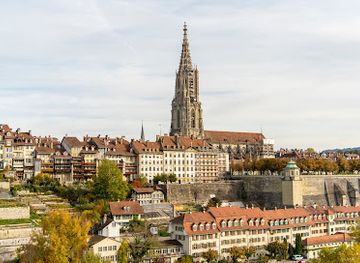
Bern Old Town View Point
Experience breathtaking views and the rich history of Bern at the Old Town View Point, a must-visit observatory in the heart of Switzerland's capital.
12 min walk · 0.9 km from neighbourhood centre
-
Observation deck
Luft-Station
Experience the stunning panoramic views of Bern from Luft-Station, the ultimate observation deck in Switzerland's charming capital.
6 min drive · 2.2 km from neighbourhood centre
-
Tourist attraction
Aussichtspunkt Terrasse
Discover breathtaking panoramas and serene beauty at Aussichtspunkt Terrasse, a must-visit viewpoint in Bern showcasing scenic landscapes and city views.
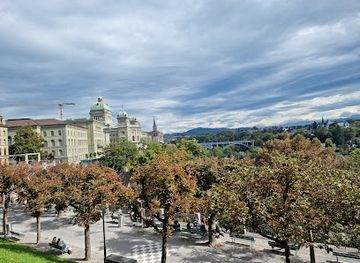
3 min walk · 0.2 km from neighbourhood centre
Best landmarks in Kirchenfeld-Schosshalde
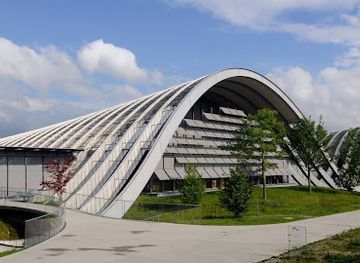
The Kirchenfeldbrücke is the district’s defining landmark, spanning the Aare and creating a dramatic visual and physical link between Bern’s medieval centre and the nineteenth-century plateau. Around Helvetiaplatz, the Bernisches Historisches Museum is an important architectural and cultural presence, while the Naturhistorisches Museum Bern and Museum of Communication reinforce the area’s institutional identity. Kirchenfeld’s embassies, villas and tree-lined avenues are significant as a coherent example of planned bourgeois expansion rather than as isolated monuments. Further east, Zentrum Paul Klee is the neighbourhood’s most recognisable contemporary structure: Renzo Piano’s three undulating forms respond to the surrounding fields and hills. The contrast between the bridge, historic museum buildings, residential architecture and modern cultural complex gives the district an unusually legible architectural history.
-
City park
Kleine Schanze
Experience the beauty and tranquility of Kleine Schanze, a lush city park in Bern, Switzerland, perfect for relaxation and stunning views.
8 min walk · 0.6 km from neighbourhood centre
-
Modern art museum
Zentrum Paul Klee
Explore the enchanting world of Paul Klee at Zentrum Paul Klee, a modern art museum in Bern showcasing his remarkable artistic journey.
6 min drive · 2.0 km from neighbourhood centre
-
Bridge
Kirchenfeldbrücke
Discover the picturesque Kirchenfeldbrücke in Bern, where history, architecture, and stunning views converge for an unforgettable experience.
3 min walk · 0.2 km from neighbourhood centre
-
Observation deck
Bern Old Town Viewpoint
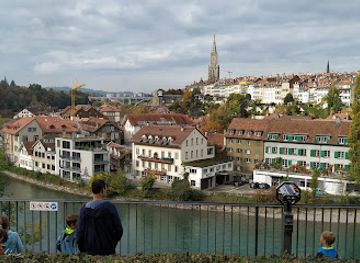
Discover breathtaking views of Bern's historic old town from the observation deck at Grosser Muristalden, a must-see destination for travelers.
12 min walk · 0.9 km from neighbourhood centre
Explore Kirchenfeld-Schosshalde on the map
A handpicked selection of must-see spots in Kirchenfeld-Schosshalde, mapped for you.
Best hotels in Kirchenfeld-Schosshalde
Best restaurants in Kirchenfeld-Schosshalde
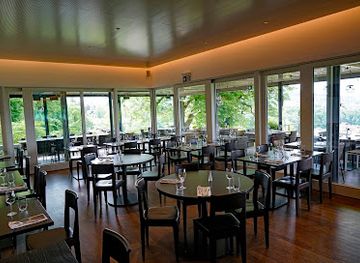
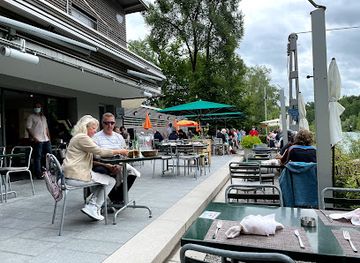
Dining in Kirchenfeld-Schosshalde is concentrated around Helvetiaplatz, Thunstrasse and the streets linking the museum quarter with the residential plateau, rather than spread across a single restaurant strip. Visitors find cafés connected with cultural institutions, relaxed daytime places and restaurants serving the cosmopolitan style expected in Bern’s central neighbourhoods, alongside Swiss dishes and seasonal European cooking. The museums make the area practical for lunch or coffee between visits, while the local commercial streets provide a more everyday setting than the Old Town’s tourist-oriented lanes. Schosshalde is quieter and more dispersed, with food options associated mainly with the museum and surrounding residential area. Menus and opening patterns vary, so checking current information is sensible, particularly when planning an evening meal away from the centre.
-
Restaurant
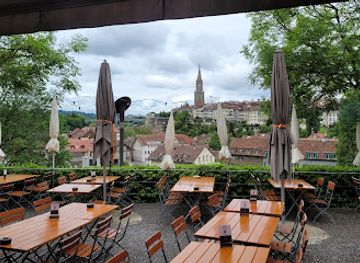
Restaurant Rosengarten
Experience Swiss culinary delights with breathtaking views at Restaurant Rosengarten in Bern.
15 min walk · 1.2 km from neighbourhood centre
-
Swiss
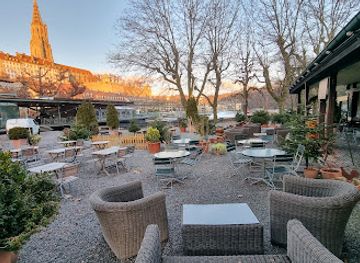
Restaurants Terrasse
Experience exquisite Swiss and Mediterranean dining with stunning river views at Restaurant Terrasse in Bern.
2 min walk · 0.2 km from neighbourhood centre
-
Restaurant
Altes Tramdepot Brauerei Restaurant
Discover authentic Swiss cuisine and craft beer at Altes Tramdepot Brauerei Restaurant in Bern – a perfect blend of tradition and taste.
12 min walk · 1.0 km from neighbourhood centre
-
Swiss
Restaurant Fähribeizli
Experience authentic Swiss flavors at Restaurant Fähribeizli in Muri bei Bern - where tradition meets taste in a stunning setting.
8 min drive · 2.7 km from neighbourhood centre
Best bars in Kirchenfeld-Schosshalde
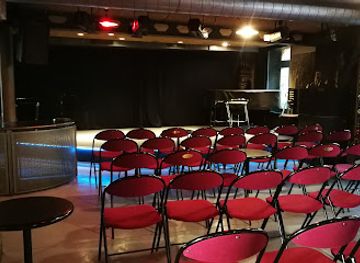
Kirchenfeld-Schosshalde is not one of Bern’s principal clubbing districts, and its evenings are generally restrained once the museums and offices have closed. The most dependable atmosphere is around Helvetiaplatz and Thunstrasse, where cafés, restaurants and bars provide places for a drink before or after a cultural visit. Museum programmes and occasional performances can add evening activity, but the district’s character remains residential rather than entertainment-led. Visitors seeking a denser concentration of late-night bars and clubs will find more choice across the Kirchenfeldbrücke in Bern’s Old Town and central quarters. In the neighbourhood itself, keep conversations and departures quiet around villas, apartment buildings and embassy streets, especially late at night.
-
Bar
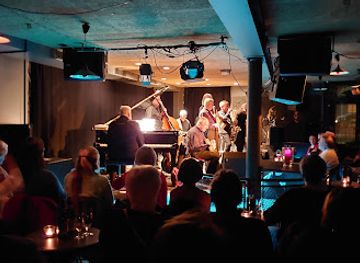
Mahogany Hall
Discover the lively spirit of Mahogany Hall, Bern's premier bar and live music venue, where unforgettable performances await every night.
13 min walk · 1.0 km from neighbourhood centre
-
Bar
Orangerie Elfenau
Discover the serene Orangerie Elfenau in Bern, where tranquil gardens meet delightful refreshments for a perfect escape.
5 min drive · 1.8 km from neighbourhood centre
-
Bar
Caffè Bar Riva
Discover Caffè Bar Riva in Bern, a cozy bar offering a delightful mix of local beverages and a welcoming atmosphere for all tourists.
15 min walk · 1.2 km from neighbourhood centre
-
Sports bar
Sportbar Bern
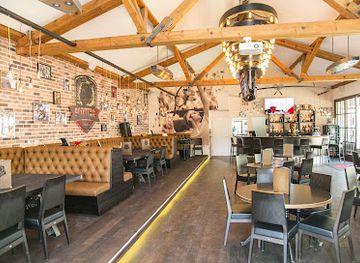
Experience the thrill of sports and vibrant social life at Sportbar Bern, your go-to destination for lively events and scrumptious dining.
10 min walk · 0.8 km from neighbourhood centre
Best nightclubs in Kirchenfeld-Schosshalde
Kirchenfeld-Schosshalde is not one of Bern’s principal clubbing districts, and its evenings are generally restrained once the museums and offices have closed. The most dependable atmosphere is around Helvetiaplatz and Thunstrasse, where cafés, restaurants and bars provide places for a drink before or after a cultural visit. Museum programmes and occasional performances can add evening activity, but the district’s character remains residential rather than entertainment-led. Visitors seeking a denser concentration of late-night bars and clubs will find more choice across the Kirchenfeldbrücke in Bern’s Old Town and central quarters. In the neighbourhood itself, keep conversations and departures quiet around villas, apartment buildings and embassy streets, especially late at night.
-
Bar
Mahogany Hall
Discover Mahogany Hall in Bern, a lively bar and event venue offering unforgettable live music experiences in a vibrant atmosphere.
13 min walk · 1.0 km from neighbourhood centre
-
Nightclub
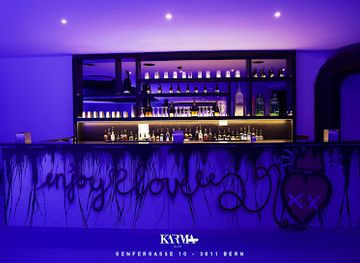
Karma Club & Shisha Lounge
Experience the energetic nightlife at Karma Club & Shisha Lounge, where dance, live music, and shisha sessions come together in the heart of Bern.
11 min walk · 0.8 km from neighbourhood centre
-
Nightclub
Circle Club Bern
Discover the exhilarating nightlife at Circle Club Bern, where music and dance converge for an unforgettable clubbing experience in the heart of Switzerland.
9 min walk · 0.8 km from neighbourhood centre
-
Nightclub
Dead End
Discover the electric atmosphere of Dead End, Bern's must-visit nightclub for an unforgettable night of dancing and entertainment.
16 min walk · 1.3 km from neighbourhood centre
Best shops in Kirchenfeld-Schosshalde
Shopping in Kirchenfeld-Schosshalde is modest and local in scale, with everyday retail and independent businesses concentrated around Helvetiaplatz, Thunstrasse and nearby residential streets. The neighbourhood is better suited to browsing small food shops, cafés, florists, pharmacies and practical services than to a dedicated shopping expedition. Museum shops at the Bernisches Historisches Museum, Museum of Communication and Zentrum Paul Klee provide books, design objects, art-related gifts and educational material linked to their collections. The district’s streets are also worthwhile for architectural browsing, particularly where villas, gardens and institutional buildings create a distinct setting for local commerce. For major department stores, a broad selection of Swiss brands or larger markets, visitors generally need to continue towards Bern’s central shopping streets rather than expect an extensive retail scene within Kirchenfeld-Schosshalde.
-
Department store
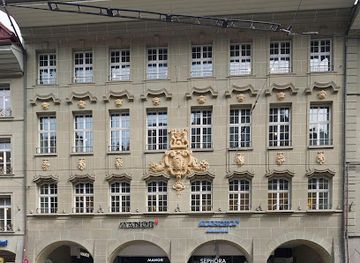
MANOR Bern
Explore a shopping paradise at MANOR Bern, offering a diverse range of clothing, home goods, perfumes, and toys in the heart of the city.
6 min walk · 0.5 km from neighbourhood centre
-
Sportswear store
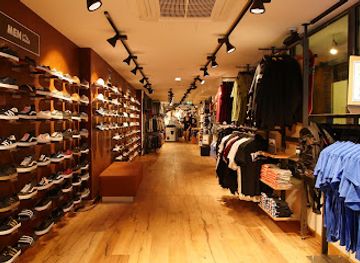
Blue Tomato Shop Bern
Explore the Blue Tomato Shop in Bern for the best in sportswear, skateboards, and snowboards, all in a lively atmosphere perfect for adventure lovers.
7 min walk · 0.5 km from neighbourhood centre
-
Shopping mall
Quartierzentrum Wittigkofen
Explore Quartierzentrum Wittigkofen, Bern's vibrant shopping mall featuring a mix of local shops, delicious dining, and a welcoming atmosphere.
8 min drive · 2.5 km from neighbourhood centre
-
Souvenir store
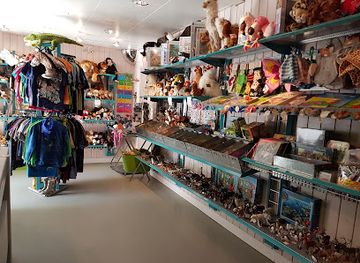
Zoo-Shop
Explore Bern's Zoo-Shop for unique souvenirs and eco-friendly gifts that celebrate the animal kingdom and support conservation efforts.
14 min walk · 1.1 km from neighbourhood centre
Kirchenfeld-Schosshalde essentials
Getting There
Getting Around
Safety
Emergency Situations
Do's and Don'ts
Local Tips

From Eve
Local phrases worth knowing
You don't need to get them perfect. A few words go a long way, and locals appreciate the effort.
Basics
| English | Local | Say it |
|---|---|---|
| Hello | Grüezi | [ɡrʏət͡si] |
| Goodbye | Adieu | [aˈdjø] |
| Yes | Ja | [ja] |
| No | Nein | [naɪn] |
| Please/You're welcome | Bitte | [ˈbɪtə] |
| Thank you | Danke | [ˈdaŋkə] |
| Excuse me/Sorry | Entschuldigung | [ɛntˈʃʊldɪɡʊŋ] |
| How are you? | Wie geht es Ihnen? | [viː ɡeːt ɛs ˈiːnən] |
| Fine. And you? | Gut. Und Ihnen? | [ɡuːt ʊnt ˈiːnən] |
| Do you speak English? | Sprechen Sie Englisch? | [ˈʃprɛçən ziː ˈɛŋlɪʃ] |
| I don't understand | Ich verstehe nicht | [ɪç fɛrˈʃteːə nɪçt] |
Eating & Drinking
| English | Local | Say it |
|---|---|---|
| I'd like to see the menu, please | Ich möchte bitte die Speisekarte sehen | [ɪç mœçtə ˈbɪtə diː ˈʃpaɪzəkartə zeːən] |
| I don't eat meat | Ich esse kein Fleisch | [ɪç ˈɛsə kaɪn flaɪʃ] |
| Cheers! | Prost! | [prost] |
| I would like to pay, please | Ich möchte bitte zahlen | [ɪç mœçtə ˈbɪtə ˈtsaːlən] |
Emergencies
| English | Local | Say it |
|---|---|---|
| Help! | Hilfe! | [ˈhɪlfə] |
| Go away! | Gehen Sie weg! | [ˈɡeːən ziː vɛk] |
| Call the Police! | Rufen Sie die Polizei! | [ˈruːfən ziː diː pɔˈliːtsaɪ̯] |
| Call a doctor! | Rufen Sie einen Arzt! | [ˈruːfən ziː ˈaɪ̯nən aʁt͡s] |
| I'm lost | Ich habe mich verloren | [ɪç ˈhaːbə mɪç fɛrˈloːrən] |
| I'm ill | Ich bin krank | [ɪç bɪn kraŋk] |
Shopping
| English | Local | Say it |
|---|---|---|
| I'd like to buy... | Ich möchte kaufen... | [ɪç mœçtə ˈkaʊ̯fən] |
| I'm just looking | Ich schaue nur | [ɪç ʃaʊ̯ə nuːr] |
| How much is it? | Wie viel kostet es? | [viː fiːl ˈkɔstət ɛs] |
| That's too expensive | Das ist zu teuer | [das ɪst tsuː ˈtɔɪ̯ər] |
| Can you lower the price? | Können Sie den Preis senken? | [ˈkœnən ziː deːn praɪ̯s ˈzɛnkən] |
Time & Numbers
| English | Local | Say it |
|---|---|---|
| What time is it? | Wie spät ist es? | [viː ʃpɛt ɪst ɛs] |
| It's one o'clock | Es ist ein Uhr | [ɛs ɪst aɪ̯n ʊʁ] |
| Half past (10) | Halb zehn | [halb t͡seːn] |
| Morning | Morgen | [ˈmɔrɡən] |
| Afternoon | Nachmittag | [ˈnaχmɪtaːk] |
| Evening | Abend | [ˈaːbənt] |
| Yesterday | Gestern | [ˈɡɛstərn] |
| Today | Heute | [ˈhɔʏ̯tə] |
| Tomorrow | Morgen | [ˈmɔrɡən] |
| 1 | Eins | [aɪ̯ns] |
| 2 | Zwei | [tsvaɪ̯] |
| 3 | Drei | [draɪ̯] |
| 4 | Vier | [fiːr] |
| 5 | Fünf | [fʏnf] |
| 6 | Sechs | [zɛks] |
| 7 | Sieben | [ˈziːbən] |
| 8 | Acht | [axt] |
| 9 | Neun | [nɔɪ̯n] |
| 10 | Zehn | [t͡seːn] |
Transport & Directions
| English | Local | Say it |
|---|---|---|
| Where's a/the...? | Wo ist ein/der...? | [vo ɪst aɪ̯n/deːr] |
| What's the address? | Was ist die Adresse? | [vas ɪst diː ˈadreːsə] |
| Can you show me (on the map)? | Können Sie mir (auf der Karte) zeigen? | [ˈkœnən ziː mɪr (aʊ̯f deːr ˈkartə) ˈtsaɪ̯ɡən] |
| When's the next (bus)? | Wann fährt der nächste (Bus)? | [van fɛːrt deːr ˈnɛχstə (bʊs)] |
| A ticket (to ....) | Eine Fahrkarte (nach ...) | [ˈaɪ̯nə ˈfaːrkartə (nax ...)] |
History of Kirchenfeld-Schosshalde
From Riverside Fields to Eastern Plateau
Before the modern district developed, the eastern side of Bern consisted largely of fields, estates, gardens and wooded slopes beyond the densely built Old Town. The Aare shaped the lower edge of the area, while the higher ground offered a healthier and more spacious setting outside the medieval centre. The name Schosshalde refers to this elevated landscape, historically associated with the eastern approach to Bern rather than with a single civic settlement. For centuries, access across the river and up the slopes remained more limited than it is today, and the area retained a semi-rural character close to the city.
The Kirchenfeldbrücke Changes the District
The opening of the Kirchenfeldbrücke in 1883 connected the Old Town directly with the plateau and accelerated the planned expansion of Bern towards the south-east. The bridge reduced the area’s physical separation from the centre and encouraged the construction of broad roads, villas, apartment buildings and institutional sites. Kirchenfeld developed as a prestigious residential quarter, with generous plots and tree-lined streets contrasting with the compact historic core. Its growth belongs to the wider nineteenth-century transformation of Bern into a modern administrative and cultural capital, but the bridge and the planned urban fabric gave this part of the city its particular identity.
A Museum Quarter Takes Shape
The plateau’s spacious setting made it suitable for major cultural institutions. The Bernisches Historisches Museum opened in 1894, creating a prominent architectural and educational presence near the bridge, and other museums followed in the surrounding area. The Naturhistorisches Museum Bern established its own role in the district, while the Museum of Communication later extended the neighbourhood’s cultural range into technology, media and social history. Institutional buildings, diplomatic residences and substantial villas together made Kirchenfeld one of Bern’s clearest examples of late nineteenth- and early twentieth-century expansion beyond the old centre.
Schosshalde and the Contemporary Cultural Landscape
Schosshalde urbanised more gradually, retaining a looser mixture of residential streets, institutional land and open ground as Bern expanded eastwards. Its contemporary identity was strengthened by Zentrum Paul Klee, which opened in 2005 on the edge of the district. Renzo Piano’s three wave-like steel-and-glass structures introduced a major cultural destination while preserving a strong relationship with the surrounding landscape. Today, Kirchenfeld-Schosshalde brings together the planned villas and museums of the older plateau with the more open, suburban and landscape-oriented character of eastern Bern.
Kirchenfeld-Schosshalde in Photos
Browse through our photo collection highlighting the charm and character of the destination.
Neighbourhoods near Kirchenfeld-Schosshalde
The closest neighbourhoods to Kirchenfeld-Schosshalde, if you have time for more than one stop.
-

-

-


Swipe for more neighbourhoods
Explore more

Explore more of Bern
Bern, Switzerland, combines medieval arcades, federal history, river views and world-class museums with easy access to the Alps and local culture.
Explore Bern