

Breitenrain-Lorraine (Bern) Travel Guide - Free
Explore Breitenrain-Lorraine in Bern with Evendo's free guide. Find the best shops, historic streets, restaurants, and gems on web or mobile.


Breitenrain-Lorraine in Bern pairs leafy streets, local cafés, river bathing, markets and independent culture with easy walks to the Old Town and Aare.
Between the Old Town and the Aare
Breitenrain-Lorraine occupies the urban ground north of Bern’s historic centre, stretching from the railway approaches and the Aare slope towards Breitenrainplatz and the wider northern residential districts. It is not a single, uniform quarter: Breitenrain has broad avenues, ordered apartment blocks and an active local centre, while Lorraine descends towards the river in a looser mixture of older houses, workshops, gardens and small businesses. Together they form one of Bern’s most recognisable city districts, connected to the centre by bridges, trams and steep walking routes.Read more about Breitenrain-Lorraine
Streets, Squares and Neighbourhood Rhythm
Culture, Food and Local Life
Best attractions in Breitenrain-Lorraine
Breitenrain-Lorraine’s attractions are primarily urban and local in scale. Breitenrainplatz and Viktoriaplatz provide useful starting points for exploring cafés, shops and the district’s characteristic apartment streets, while Lorrainestrasse leads into a more informal quarter of independent businesses and mixed-use buildings. Lorrainebad, on the Aare below the neighbourhood, is one of the area’s most distinctive seasonal places, combining river scenery with Bern’s longstanding bathing culture; swimming conditions require care and local guidance. The lower streets and paths offer changing views of the river landscape, while the climb towards the Rosengarten, at the neighbourhood’s southern edge, opens a classic panorama across Bern’s Old Town. The alternative cultural scene around Reitschule lies close to the southern boundary and adds concerts, events and community activity, though its programme changes. Together these places show Breitenrain-Lorraine through everyday public life, river access and independent culture rather than through a concentration of formal museums.
-
Tourist attraction
Bear Pit
Discover the Bear Pit in Bern, a captivating animal park where you can observe majestic bears in a stunning natural setting.
17 min walk · 1.4 km from neighbourhood centre
-
Tourist attraction
Rosengarten Bern
Experience the breathtaking views and lush gardens at Rosengarten Bern, a serene escape in the heart of Switzerland's capital.
14 min walk · 1.1 km from neighbourhood centre
-
Tourist attraction
Zytglogge
Discover the historic Zytglogge in Bern, a captivating clock tower blending medieval architecture with captivating hourly displays, a must-see for every traveler.
13 min walk · 1.1 km from neighbourhood centre
-
Tourist attraction
Einstein House
Discover the genius of Albert Einstein at his former residence in Bern, Switzerland, where history and science come together in a captivating museum experience.
14 min walk · 1.1 km from neighbourhood centre


Best landmarks in Breitenrain-Lorraine
Breitenrain-Lorraine’s landmarks are often infrastructural or civic rather than monumental. The Lorrainebrücke is a defining crossing, linking the northern side of Bern with the central city and helping explain the district’s long relationship with movement, trade and suburban growth. The broad streets and mature residential blocks around Breitenrainplatz and Viktoriaplatz form another important local ensemble, expressing the neighbourhood’s late nineteenth- and early twentieth-century expansion. Down by the Aare, Lorrainebad is significant as a public bathing place and as a visible expression of Bern’s river culture. The railway approaches and bridges at the district’s southern edge reveal the importance of transport to Lorraine’s mixed urban character, while the slopes towards the Rosengarten provide a geographical landmark and city panorama. These places are valuable because they show how housing, infrastructure, recreation and river landscape have shaped the quarter.
-
Tourist attraction
Zytglogge
Explore the Zytglogge, Bern's historic clock tower, where timekeeping meets artistry in a captivating display of culture and engineering.
13 min walk · 1.1 km from neighbourhood centre
-
Botanical garden
Universität Bern Botanical Garden
Discover the beauty of nature at the Universität Bern Botanical Garden, where thousands of plant species await in a serene, educational setting.
7 min walk · 0.6 km from neighbourhood centre
-
Fountain
Gerechtigkeitsbrunnen
Explore Gerechtigkeitsbrunnen, Bern's iconic fountain representing justice, nestled in the historic heart of Switzerland's capital.
14 min walk · 1.1 km from neighbourhood centre
-
Bridge
Lorrainebrücke
Explore the enchanting Lorrainebrücke in Bern, Switzerland, where history, architecture, and breathtaking views unite in a captivating experience.
8 min walk · 0.6 km from neighbourhood centre


Explore Breitenrain-Lorraine on the map
A handpicked selection of must-see spots in Breitenrain-Lorraine, mapped for you.
Best hotels in Breitenrain-Lorraine
Best restaurants in Breitenrain-Lorraine
Dining in Breitenrain-Lorraine is woven into the main streets rather than confined to a single restaurant row. Around Breitenrainplatz, Breitenrainstrasse and Viktoriastrasse, visitors find cafés, bakeries, casual restaurants and bars serving the needs of a substantial residential community. Lorrainestrasse and the streets nearer the Aare have a more informal, independent feel, with international influences appearing alongside Swiss and European cooking. The area is well suited to combining a daytime coffee or bakery stop with an evening meal, and small specialist food shops contribute to its everyday culinary character. Rather than a destination built around grand dining rooms, the neighbourhood offers a varied local scene shaped by repeat custom, mixed communities and adaptable premises. Menus, opening arrangements and individual businesses change, so current information is useful, particularly outside the busiest central streets.
-
Italian
La Carbonara
Experience authentic Italian flavors at La Carbonara in Bern - where every dish tells a story.
1 min walk · 0.1 km from neighbourhood centre
-
Restaurant
Ristorante Dolce Vita Berna GmbH
Experience authentic Italian cuisine at Ristorante Dolce Vita Berna GmbH – where every dish tells a story!
7 min walk · 0.6 km from neighbourhood centre
-
European
Du Nord
Experience the best of European cuisine at Du Nord in Bern—where culinary excellence meets warm hospitality.
4 min walk · 0.4 km from neighbourhood centre
-
Indian
Okra
Experience authentic Indian cuisine at Okra in Bern - where vibrant flavors meet warm hospitality for an unforgettable dining experience.
4 min walk · 0.3 km from neighbourhood centre


Best bars in Breitenrain-Lorraine
Evenings in Breitenrain-Lorraine are generally social and neighbourhood-oriented rather than dominated by large clubs. Bars and cafés around Breitenrainplatz, Viktoriaplatz and Lorrainestrasse provide places for drinks and conversation, while restaurants extend the district’s activity into the evening. The southern edge has a stronger alternative-cultural presence through the Reitschule complex near the railway approaches, where concerts, club nights, political activity and cultural events take place according to a changing programme. The venue lies close to, but not neatly within every informal understanding of, Lorraine, so it is best regarded as a nearby southern-edge option. Outside the main corridors, the atmosphere quickly returns to residential quiet. Visitors should check current event information and remember that many nightlife streets are also home to people who live locally.
-
Live music bar
Les Amis / Wohnzimmer
Discover the lively rhythms and friendly atmosphere at Les Amis / Wohnzimmer, Bern's premier live music bar, perfect for a night out.
13 min walk · 1.0 km from neighbourhood centre
-
Bar
LEICHTSINN umami food & wine
Experience the unique fusion of umami flavors at Leichtsinn umami food & wine, a culinary gem in the heart of Bern, Switzerland.
13 min walk · 1.0 km from neighbourhood centre
-
Bar
Barbière
Experience the vibrant brewery culture of Bern at Barbière, where craft beer and local flavors come together in a lively atmosphere.
6 min walk · 0.5 km from neighbourhood centre
-
Bar
Turbo Lama
Discover the vibrant atmosphere and delicious offerings at Turbo Lama, Bern's premier bar and restaurant, perfect for any tourist seeking a local culinary experience.
5 min drive · 1.7 km from neighbourhood centre


Best nightclubs in Breitenrain-Lorraine
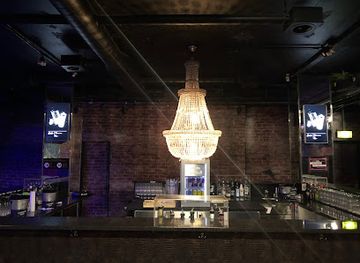
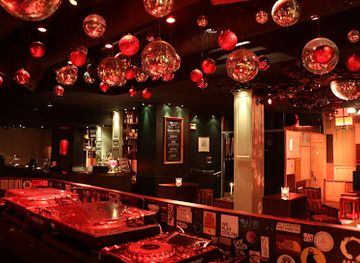
Evenings in Breitenrain-Lorraine are generally social and neighbourhood-oriented rather than dominated by large clubs. Bars and cafés around Breitenrainplatz, Viktoriaplatz and Lorrainestrasse provide places for drinks and conversation, while restaurants extend the district’s activity into the evening. The southern edge has a stronger alternative-cultural presence through the Reitschule complex near the railway approaches, where concerts, club nights, political activity and cultural events take place according to a changing programme. The venue lies close to, but not neatly within every informal understanding of, Lorraine, so it is best regarded as a nearby southern-edge option. Outside the main corridors, the atmosphere quickly returns to residential quiet. Visitors should check current event information and remember that many nightlife streets are also home to people who live locally.
-
Disco club
Le Ciel
Discover the pulsating nightlife of Bern at Le Ciel, a premier disco club and event venue offering unforgettable experiences and vibrant entertainment.
11 min walk · 0.9 km from neighbourhood centre
-
Nightclub
Kapitel Bollwerk | Club, Burgers & Cocktails
Immerse yourself in the vibrant nightlife of Bern at Kapitel Bollwerk, where delicious burgers and crafted cocktails meet a stylish club atmosphere.
10 min walk · 0.8 km from neighbourhood centre
-
Nightclub
Karma Club & Shisha Lounge
Discover the electrifying nightlife at Karma Club & Shisha Lounge, where dance, music, and shisha meet in Bern's vibrant atmosphere.
13 min walk · 1.0 km from neighbourhood centre
-
Nightclub
Circle Club Bern
Experience electrifying nightlife at Circle Club Bern, where vibrant beats and a lively atmosphere create unforgettable nights in the Swiss capital.
12 min walk · 1.0 km from neighbourhood centre

Best shops in Breitenrain-Lorraine
Shopping in Breitenrain-Lorraine is practical, independent and closely tied to local life. The strongest concentration is around Breitenrainplatz and along Breitenrainstrasse, Viktoriastrasse and neighbouring corridors, where visitors can browse food shops, bakeries, cafés, pharmacies, personal services and small specialist businesses. Lorrainestrasse offers a looser mix of independent premises and creative or alternative retail, with the character changing from one block to the next. This is not Bern’s principal luxury-shopping district, and the appeal lies instead in finding everyday Swiss products, international groceries, design-led goods and small businesses that serve residents. Markets and temporary stalls can vary by day and season, so they should be checked locally rather than assumed. The best approach is to walk between the squares and side streets, where the contrast between established shops, reused commercial spaces and residential frontages becomes part of the experience.
-
Gift shop
Yamatuti
Explore Yamatuti in Bern, a charming gift shop and boutique featuring unique handcrafted items and Swiss artisan gifts.
12 min walk · 1.0 km from neighbourhood centre
-
Grocery store
LOLA Lorraine
Experience the best of Swiss cuisine at LOLA Lorraine, the gourmet grocery store offering organic foods, fine wines, and local delights in Bern.
3 min walk · 0.3 km from neighbourhood centre
-
Shop
FEINFRACHT Store Bern
Explore FEINFRACHT Store in Bern for unique Swiss crafts and local products, blending tradition with modernity in a charming shopping experience.
14 min walk · 1.1 km from neighbourhood centre
-
Shop
einLaden Bern
Explore einLaden Bern for unique Swiss crafts and souvenirs, capturing the essence of Bern's rich culture in every purchase.
13 min walk · 1.0 km from neighbourhood centre


Breitenrain-Lorraine essentials
Getting There
Getting Around
Safety
Emergency Situations
Do's and Don'ts
Local Tips

From Eve
Local phrases worth knowing
You don't need to get them perfect. A few words go a long way, and locals appreciate the effort.
Basics
| English | Local | Say it |
|---|---|---|
| Hello | Grüezi | [ɡryəˈtsi] |
| Goodbye | Adieu | [aˈdjø] |
| Yes | Ja | [ja] |
| No | Nei | [nai] |
| Please/You're welcome | Bitte | [ˈbɪtə] |
| Thank you | Danke | [ˈdaŋkə] |
| Excuse me/Sorry | Entschuldigung | [ɛntˈʃʊldɪɡʊŋ] |
| How are you? | Wie geht es dir? | [viː ɡeːt ɛs diːr] |
| Fine. And you? | Mir geht's gut. Und dir? | [miːr ɡeːts ɡuːt ʊnt diːr] |
| Do you speak English? | Sprechen Sie Englisch? | [ˈʃprɛxən ziː ˈɛŋlɪʃ] |
| I don't understand | Ich verstehe nicht | [ɪç fɛrˈʃteːə nɪçt] |
Eating & Drinking
| English | Local | Say it |
|---|---|---|
| I'd like to see the menu, please | Ich möchte die Speisekarte sehen, bitte | [ɪç ˈmœçtə diː ˈʃpaɪzəˌkartə ˈzeːən ˈbɪtə] |
| I don't eat meat | Ich esse kein Fleisch | [ɪç ˈɛsə kaɪn flaɪʃ] |
| Cheers! | Prost! | [prost] |
| I would like to pay, please | Ich möchte bezahlen, bitte | [ɪç ˈmœçtə bəˈzaːlən ˈbɪtə] |
Emergencies
| English | Local | Say it |
|---|---|---|
| Help! | Hilfe! | [ˈhɪlfə] |
| Go away! | Geh weg! | [ɡeː vɛk] |
| Call the Police! | Rufen Sie die Polizei! | [ˈrʊfən ziː diː pɔˈliːtsaɪ] |
| Call a doctor! | Rufen Sie einen Arzt! | [ˈrʊfən ziː ˈaɪnən ˈaʁt͜s] |
| I'm lost | Ich habe mich verirrt | [ɪç ˈhaːbə mɪç fɛˈrɪʁt] |
| I'm ill | Ich bin krank | [ɪç bɪn kraŋk] |
Shopping
| English | Local | Say it |
|---|---|---|
| I'd like to buy... | Ich möchte kaufen... | [ɪç ˈmœçtə ˈkaʊfən] |
| I'm just looking | Ich schaue nur | [ɪç ʃaʊə nʊr] |
| How much is it? | Wie viel kostet das? | [viː fiːl ˈkɔstət das] |
| That's too expensive | Das ist zu teuer | [das ɪst t͜su ˈtɔɪɐ] |
| Can you lower the price? | Können Sie den Preis senken? | [ˈkœnən ziː dən praɪs ˈzɛŋkən] |
Time & Numbers
| English | Local | Say it |
|---|---|---|
| What time is it? | Wie spät ist es? | [viː ʃpɛt ɪst ɛs] |
| It's one o'clock | Es ist ein Uhr | [ɛs ɪst aɪn ʊr] |
| Half past (10) | Halb zehn | [halb t͜seːn] |
| Morning | Morgen | [ˈmɔrɡən] |
| Afternoon | Nachmittag | [ˈnaχmɪˌtaːk] |
| Evening | Abend | [ˈaːbənt] |
| Yesterday | Gestern | [ɡəˈʃtɛrn] |
| Today | Heute | [ˈhɔʏtə] |
| Tomorrow | Morgen | [ˈmɔrɡən] |
| 1 | Eins | [aɪns] |
| 2 | Zwei | [t͜svaɪ] |
| 3 | Drei | [dʁaɪ] |
| 4 | Vier | [fiːɐ] |
| 5 | Fünf | [fʏnf] |
| 6 | Sechs | [zɛks] |
| 7 | Sieben | [ˈziːbn̩] |
| 8 | Acht | [axt] |
| 9 | Neun | [nɔɪ̯n] |
| 10 | Zehn | [t͜seːn] |
Transport & Directions
| English | Local | Say it |
|---|---|---|
| Where's a/the...? | Wo ist ein/der...? | [vo ɪst aɪn/deːr] |
| What's the address? | Was ist die Adresse? | [vas ɪst diː ˈaːdʁɛsə] |
| Can you show me (on the map)? | Können Sie mir das zeigen (auf der Karte)? | [ˈkœnən ziː mɪr das ˈt͜siːɡən (aʊf deːr ˈkartə)] |
| When's the next (bus)? | Wann kommt der nächste (Bus)? | [van kɔmt deːr ˈnɛkstə (bʊs)] |
| A ticket (to ....) | Eine Fahrkarte (nach ....) | [ˈaɪnə ˈfaːɐ̯kartə (nax)] |
History of Breitenrain-Lorraine
Fields Beyond the Medieval Walls
The land north of Bern’s medieval town was historically made up of fields, gardens, river slopes and scattered rural properties rather than a continuous urban quarter. The name Lorraine is generally associated with the area’s historic rural landscape, while Breitenrain refers to the broad open ground that later became a residential district. For centuries, the area’s relationship with the walled city was practical: it supplied agricultural land and routes towards the northern countryside, but remained physically separate from Bern’s compact historic core.
Bridges and Northern Connections
The construction of improved crossings over the Aare strengthened the northern side of Bern’s urban network. The Lorrainebrücke, opened in the late eighteenth century, created a more direct connection between the city and the roads leading north, encouraging traffic and gradual suburban growth. Later railway infrastructure and the expansion of routes towards the station and northern districts reinforced the area’s strategic position. These connections helped turn what had been an edge landscape into a place where housing, workshops, transport and small-scale commerce could develop together.
The Rise of Breitenrain
Breitenrain urbanised mainly during the late nineteenth and early twentieth centuries, when Bern’s population growth and improved public transport created demand for housing beyond the old centre. Streets were laid out with apartment buildings, schools, shops and civic facilities, producing the ordered residential fabric still visible around Breitenrainplatz, Viktoriastrasse and the avenues leading towards the northern station approaches. The district became associated with practical urban living rather than elite monumental architecture, although its mature blocks and carefully planted streets give it a strong architectural continuity.
Lorraine’s Mixed Urban Character
Lorraine developed with a more varied physical and social character. Its proximity to the railway, river and transport corridors allowed workshops, modest housing, gardens and small commercial premises to coexist, producing a less formal streetscape than Breitenrain. Over the twentieth century, parts of the quarter became associated with alternative cultural activity and independent businesses, while older buildings were adapted rather than entirely replaced. This mixture remains central to Lorraine’s identity, even as rising demand for centrally located housing has brought renovation and gradual change.
A Contemporary City District
Today Breitenrain-Lorraine is part of Bern’s established northern urban area, with a dense residential population, active local commerce and strong connections to the centre. The district’s recent history has involved the continuing reuse of older premises, pressure on housing and the balancing of traffic, public space and neighbourhood life. Its cultural significance lies less in a single landmark than in the combination of apartment streets, river access, independent businesses, community-oriented public spaces and alternative venues near the southern edge.
Breitenrain-Lorraine in Photos
Browse through our photo collection highlighting the charm and character of the destination.
Neighbourhoods near Breitenrain-Lorraine
The closest neighbourhoods to Breitenrain-Lorraine, if you have time for more than one stop.
-

-

-


Swipe for more neighbourhoods
Explore more

Explore more of Bern
Bern, Switzerland, combines medieval arcades, federal history, river views and world-class museums with easy access to the Alps and local culture.
Explore Bern