

Länggasse-Felsenau (Bern) Travel Guide - Free
Explore Länggasse-Felsenau in Bern with Evendo's free guide. Find the best shops, historic streets, restaurants, and gems on web or mobile.


Länggasse-Felsenau in Bern blends university life, former chocolate-factory architecture, local cafés, Felsenau beer and wooded Aare walks.
University Streets and Everyday Bern
Länggasse-Felsenau stretches north-west of Bern’s railway station, from the university quarter around Länggassstrasse and Bühlplatz towards the wooded slopes and river landscape of Felsenau. It is one of the city’s most recognisable areas for everyday urban life: students move between lecture buildings, residents shop on local streets, cyclists cross the district, and the rhythm becomes quieter towards the Aare. The neighbourhood is not a museum-like extension of Bern’s Old Town but a working, studying and residential part of the capital.Read more about Länggasse-Felsenau
Architecture, Greenery and Local Character
Food, Beer and the Aare Landscape
Best attractions in Länggasse-Felsenau
Länggasse-Felsenau’s attractions are closely tied to its institutions, streets and landscape rather than to a single monumental sight. The University of Bern gives the upper quarter its strongest identity, with university buildings and public-facing academic spaces around Länggassstrasse and Bühlplatz. The former Tobler chocolate factory, now used in part by the university as Unitobler, is an especially interesting example of industrial architecture adapted to contemporary urban life. Downhill, Felsenau offers a very different experience: wooded routes, steep paths and glimpses of the Aare create a natural counterpoint to the student quarter. The Felsenau brewery adds a local production story to the riverside setting, while the streets around Mittelstrasse provide cafés, small businesses and ordinary neighbourhood scenes. Visitors should treat the area as a district to explore slowly, combining architecture and university life above with river and woodland scenery below.
-
Tourist attraction
Universität Bern Botanical Garden
Explore the Universität Bern Botanical Garden, a tranquil retreat in Bern, Switzerland, showcasing diverse plant species and serene natural beauty.
6 min walk · 0.4 km from neighbourhood centre
-
 Tourist attraction
Universal Post Monument
Explore the Universal Post Monument in Bern, a stunning tribute to the history and significance of global communication and postal services.
11 min walk · 0.9 km from neighbourhood centre
-
Tourist attraction
Adrian Von Bubenberg Denkmal
Discover the Adrian Von Bubenberg Denkmal in Bern, a stunning symbol of history, culture, and architectural beauty in Switzerland’s capital.
9 min walk · 0.7 km from neighbourhood centre
-
Tourist attraction
Street art
Discover the vibrant street art of Bern, where creativity and culture intertwine, offering a free and dynamic exploration of urban artistry.
13 min walk · 1.0 km from neighbourhood centre


Best landmarks in Länggasse-Felsenau
The University of Bern is Länggasse-Felsenau’s principal institutional landmark, its buildings giving the upper neighbourhood a distinctive academic scale and daily rhythm. Around Länggassstrasse and Bühlplatz, university architecture sits among late nineteenth- and early twentieth-century residential blocks, making the streets themselves important evidence of Bern’s expansion beyond the Old Town. The former Tobler chocolate factory, now associated with the Unitobler university complex, is a particularly meaningful landmark because it preserves the memory of local manufacturing within an active educational setting. In lower Felsenau, the brewery and the Aare landscape form a different kind of landmark: one rooted in production, topography and river access. Together these places show how the neighbourhood evolved through education, housing, industry and its sharply changing terrain.
-
Tourist attraction
Zytglogge
Explore Zytglogge in Bern, a stunning UNESCO World Heritage site famous for its intricate clock, rich history, and vibrant cultural scene.
11 min walk · 0.9 km from neighbourhood centre
-
Drinking water fountain
Kindlifresserbrunnen
Experience the allure of Bern with a visit to the Kindlifresserbrunnen, a historic drinking water fountain rich in folklore and artistic beauty.
11 min walk · 0.9 km from neighbourhood centre
-
Park
Grosse Schanze
Discover Grosse Schanze, a beautiful park in Bern offering stunning views, serene walks, and a perfect retreat from the urban hustle.
5 min walk · 0.4 km from neighbourhood centre
-
Fountain
Glasbrunnen
Discover the tranquil charm of Glasbrunnen Fountain in Bern, where Swiss beauty meets serene relaxation amidst a vibrant urban backdrop.
7 min drive · 2.3 km from neighbourhood centre


Explore Länggasse-Felsenau on the map
A handpicked selection of must-see spots in Länggasse-Felsenau, mapped for you.
Best hotels in Länggasse-Felsenau
Best restaurants in Länggasse-Felsenau
Eating in Länggasse-Felsenau reflects the district’s student population, university institutions and established residential community. The main concentration is around Länggassstrasse, Mittelstrasse and the streets near Bühlplatz, where cafés, bakeries, casual restaurants and takeaway counters provide practical options throughout the day. University cafés and canteens contribute to the area’s affordable, informal rhythm, while independent restaurants bring more varied international and contemporary cooking to the neighbourhood. The food culture is less centred on formal destination dining than on regular local habits: coffee between lectures, a quick lunch, bakery purchases and relaxed evening meals close to home. Felsenau is also associated with the brewery that bears its name, giving the lower district a connection to Bern’s beer-making tradition. As businesses and menus change, the best approach is to explore the local streets rather than expect a single designated restaurant strip.
-
Italian
Casa d'Italia
Experience authentic Italian cuisine at Casa d'Italia in Bern - where every dish tells a story of tradition and flavor.
6 min walk · 0.5 km from neighbourhood centre
-
Restaurant
Pittaria
Discover authentic Middle Eastern cuisine at Pittaria in Bern - where every dish tells a story of tradition and flavor.
5 min walk · 0.4 km from neighbourhood centre
-
Restaurant
Beaulieu
Discover Beaulieu in Bern: Where culinary excellence meets a cozy lounge atmosphere for an unforgettable dining experience.
5 min walk · 0.4 km from neighbourhood centre
-
Indian
Tulsi
Discover the essence of India at Tulsi in Bern—where every bite tells a story of tradition and flavor.
13 min walk · 1.1 km from neighbourhood centre


Best bars in Länggasse-Felsenau
Länggasse-Felsenau has a modest, locally oriented evening scene rather than a major club district. Bars and informal drinking places around Länggassstrasse, Mittelstrasse and the university quarter draw students, staff and residents, with activity shaped by the academic calendar and the city’s broader cultural programme. The Felsenau brewery is an important part of the neighbourhood’s association with beer, although the character of the riverside area is quieter than that of central Bern’s nightlife streets. Evening meals, casual drinks and occasional university or cultural events are more characteristic than large nightclubs. After dark, the built-up streets remain the practical focus; woodland paths and the Aare landscape should be treated as walking environments rather than nightlife venues, particularly where lighting and foot traffic are limited.
-
Bar
Caffè Bar Sattler
Discover the charm of Caffè Bar Sattler in Bern, where exceptional coffee meets delightful cuisine in a cozy atmosphere.
5 min walk · 0.4 km from neighbourhood centre
-
Bar
Café Bar Parterre
Discover the charm of Café Bar Parterre in Bern, where cozy café vibes meet lively bar culture for an unforgettable experience.
5 min walk · 0.4 km from neighbourhood centre
-
Bar
Rössli Bar
Discover Bern's vibrant nightlife at Rössli Bar, where lively ambiance and delicious drinks await every night of the week.
2 min walk · 0.2 km from neighbourhood centre
-
Bar
Erupt
Discover Erupt in Bern: A vibrant bar and entertainment venue offering games, karaoke, and a lively atmosphere for unforgettable nights.
5 min walk · 0.4 km from neighbourhood centre


Best nightclubs in Länggasse-Felsenau
Länggasse-Felsenau has a modest, locally oriented evening scene rather than a major club district. Bars and informal drinking places around Länggassstrasse, Mittelstrasse and the university quarter draw students, staff and residents, with activity shaped by the academic calendar and the city’s broader cultural programme. The Felsenau brewery is an important part of the neighbourhood’s association with beer, although the character of the riverside area is quieter than that of central Bern’s nightlife streets. Evening meals, casual drinks and occasional university or cultural events are more characteristic than large nightclubs. After dark, the built-up streets remain the practical focus; woodland paths and the Aare landscape should be treated as walking environments rather than nightlife venues, particularly where lighting and foot traffic are limited.
-
Disco club
Le Ciel
Experience the electrifying nightlife at Le Ciel, Bern's iconic disco club, where unforgettable dance parties and vibrant events await every weekend.
4 min walk · 0.3 km from neighbourhood centre
-
Nightclub
Kapitel Bollwerk | Club, Burgers & Cocktails
Explore the best of Bern's nightlife at Kapitel Bollwerk, where gourmet burgers and crafted cocktails meet a lively club atmosphere.
4 min walk · 0.3 km from neighbourhood centre
-
Nightclub
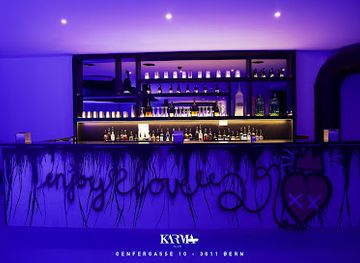
Karma Club & Shisha Lounge
Discover the vibrant nightlife at Karma Club & Shisha Lounge in Bern, where live music, dance, and exquisite hookah create an unforgettable experience.
6 min walk · 0.4 km from neighbourhood centre
-
Nightclub
Circle Club Bern
Discover the electrifying nightlife at Circle Club Bern, where great music and vibrant energy come together for an unforgettable experience.
7 min walk · 0.5 km from neighbourhood centre



Best shops in Länggasse-Felsenau
Shopping in Länggasse-Felsenau is primarily local and practical, with the most useful concentration along Länggassstrasse, Mittelstrasse and nearby university streets. Visitors find bakeries, food shops, cafés, book-related businesses and independent retailers serving residents and students rather than a large-scale fashion or department-store market. The university contributes to demand for stationery, books, quick meals and everyday provisions, while the residential streets support small specialist businesses and services. Felsenau has a quieter commercial character, so it is better suited to a walk through its industrial and riverside setting than to dedicated retail browsing. For broader shopping, Bern’s central streets and station area are nearby, but the local quarter’s appeal lies in observing how ordinary shops, academic life and neighbourhood services occupy the same streets.
-
Gift shop
Yamatuti
Discover unique gifts and artisanal treasures at Yamatuti, Bern's charming gift shop and boutique, perfect for every occasion.
7 min walk · 0.6 km from neighbourhood centre
-
Gift shop
Flying Tiger Copenhagen
Explore the whimsical world of Flying Tiger Copenhagen in Bern for unique gifts, home goods, and fun finds that delight every visitor.
6 min walk · 0.5 km from neighbourhood centre
-
Grocery store
Hallerladen - der biomarkt
Discover the essence of organic living at Hallerladen, Bern's premier destination for fresh, natural goods and local delicacies.
6 min walk · 0.5 km from neighbourhood centre
-
Greeting card shop
Atelier SASU
Explore Atelier SASU, Bern's premier greeting card shop, where creativity meets craftsmanship in every unique card design.
5 min walk · 0.4 km from neighbourhood centre


Länggasse-Felsenau essentials
Getting There
Getting Around
Safety
Emergency Situations
Do's and Don'ts
Local Tips

From Eve
Local phrases worth knowing
You don't need to get them perfect. A few words go a long way, and locals appreciate the effort.
Basics
| English | Local | Say it |
|---|---|---|
| Hello | Grüezi | [ɡrʏətsi] |
| Goodbye | Adieu | [adiø] |
| Yes | Ja | [ja] |
| No | Nei | [nai] |
| Please/You're welcome | Bitte | [bɪtə] |
| Thank you | Merci | [mɛrˈsi] |
| Excuse me/Sorry | Entschuldigung | [ɛntˈʃʊldɪɡʊŋ] |
| How are you? | Wie goht's? | [vi ɡoːts] |
| Fine. And you? | Guat. Und dir? | [ɡwat ʊnt dɪr] |
| Do you speak English? | Redsch Englisch? | [rɛdʃ ˈɛŋlɪʃ] |
| I don't understand | I verstoh ned | [i fɛrʃto ned] |
Eating & Drinking
| English | Local | Say it |
|---|---|---|
| I'd like to see the menu, please | Chönnti bitte d'Menu gseh? | [ˈkœnti ˈbɪtə deˈmeːnʊ ɡzɛː] |
| I don't eat meat | I äss kei Fleisch | [i ɛs kaɪ flaɪʃ] |
| Cheers! | Prost! | [prost] |
| I would like to pay, please | Chönnti bitte zahle? | [ˈkœnti ˈbɪtə ˈtsaːlə] |
Emergencies
| English | Local | Say it |
|---|---|---|
| Help! | Hilf! | [hɪlf] |
| Go away! | Gang weg! | [ɡaŋ vɛk] |
| Call the Police! | Ruf d'Polizei! | [ruf deːpoliˈtsai] |
| Call a doctor! | Ruf en Arzt! | [ruf ən ˈaʁts̩t] |
| I'm lost | Ich ha mich verlaufen | [ɪç ha miç fɛɐ̯ˈlaʊ̯fən] |
| I'm ill | Ich bin krank | [ɪç bɪn kraŋk] |
Shopping
| English | Local | Say it |
|---|---|---|
| I'd like to buy... | Ich möcht ... koufe | [ɪç mœçt ... ˈkaʊfə] |
| I'm just looking | Ich luege nur | [ɪç ˈlyːɡə nur] |
| How much is it? | Was koscht das? | [vas ˈkɔʃt das] |
| That's too expensive | Das isch z' teuer | [das ɪʃ t͡s teʊər] |
| Can you lower the price? | Chasch du de Priis reduziere? | [xaʃ du də priːs rədut͡sɪrə] |
Time & Numbers
| English | Local | Say it |
|---|---|---|
| What time is it? | Wieviel Uhr isch es? | [ˈviːfi̯əl ˈuːr ɪʃ ɛs] |
| It's one o'clock | Es isch eis | [ɛs ɪʃ aɪ̯s] |
| Half past (10) | Halb (11) | [halb ˈeɪ̯nf] |
| Morning | Morgä | [ˈmɔrɡɛ] |
| Afternoon | Namitag | [ˈnaːmɪtaɡ] |
| Evening | Abig | [ˈaːbɪɡ] |
| Yesterday | Gestärn | [ɡəˈʃtɛːrn] |
| Today | Hüt | [hyt] |
| Tomorrow | Morn | [morn] |
| 1 | Eis | [aɪ̯s] |
| 2 | Zwei | [tsvaɪ̯] |
| 3 | Drei | [draɪ̯] |
| 4 | Vier | [fiːr] |
| 5 | Füf | [fʏf] |
| 6 | Sächs | [zɛks] |
| 7 | Siebe | [ˈziːbə] |
| 8 | Acht | [ɑxt] |
| 9 | Nün | [nyːn] |
| 10 | Zäh | [tsɛː] |
Transport & Directions
| English | Local | Say it |
|---|---|---|
| Where's a/the...? | Wo isch ...? | [vo ɪʃ] |
| What's the address? | Was isch d'Adress? | [vas ɪʃ deːaˈdrɛs] |
| Can you show me (on the map)? | Chasch mer (uf em Plan) zeige? | [xaʃ mɛr (uːf ɛm plan) ˈtsaɪ̯ɡə] |
| When's the next (bus)? | Wänn goht de nöchschte (Bus)? | [vɛn ɡoːt də nœkʃtə (bʊs)] |
| A ticket (to ....) | E Billett (nach ....) | [e bɪˈlɛt (nax)] |
History of Länggasse-Felsenau
From Rural Edge to Länggasse
Before urban expansion reached it, the area north-west of Bern’s Old Town was largely a rural fringe of fields, paths and scattered properties. The name Länggasse refers to the long road leading out from the city towards the north-west, and the route gradually became an important connection between Bern and the surrounding countryside. Felsenau, lower down towards the Aare, developed differently because of its river landscape, slopes and access to water. The two areas were eventually drawn into Bern’s expanding urban fabric, but their contrasting topography still helps explain the division between the denser university quarter and the greener riverside district.
Railways and Urban Expansion
Bern’s railway expansion in the nineteenth century accelerated development around the western and northern approaches to the Old Town. Länggasse became increasingly residential and institutional as the city grew beyond its historic core, while improved roads made the quarter more accessible to workers, students and businesses. Apartment houses replaced much of the earlier open land, producing the continuous streetscape that characterises the area today. The growth was urban rather than monumental: schools, shops, workshops and housing were layered onto the existing road network, creating a district with a practical, mixed-use identity.
The University Shapes the Quarter
The University of Bern, founded in 1834, became a defining presence in Länggasse as higher education expanded and university buildings accumulated around the quarter. Its institutions brought students, researchers and international connections into a district already close to the railway station and city centre. The university’s presence is visible not only in prominent academic buildings but in the cafés, bookshops, rented rooms and public transport patterns of the surrounding streets. Länggasse consequently developed a particularly strong relationship between residential life and education, one that remains central to its identity.
Industry beside the Aare
Felsenau’s lower riverside setting supported industrial activity that depended on access, space and the Aare landscape. The Felsenau brewery became the area’s best-known industrial association, linking local production with the drinking culture of Bern. In the higher Länggasse quarter, the Tobler chocolate company established a major factory whose buildings later acquired a new institutional role through the University of Bern’s Unitobler complex. This transition from manufacturing to education reflects a wider change in the district: industrial premises were not simply erased but, in some cases, adapted to the needs of a growing knowledge-based city.
A Contemporary University Neighbourhood
During the late twentieth and early twenty-first centuries, Länggasse-Felsenau consolidated its role as a mixed residential, academic and riverside district. Former industrial buildings and established university premises were joined by updated teaching and research facilities, while long-standing apartment streets continued to house residents alongside a mobile student population. The district’s present character depends on this layering: busy at the Länggasse end, quieter towards Felsenau, and connected throughout by paths leading towards the Aare and surrounding woodland. Redevelopment has brought investment and changing uses, but the neighbourhood remains recognisably tied to both Bern’s university life and its river landscape.
Länggasse-Felsenau in Photos
Browse through our photo collection highlighting the charm and character of the destination.
Neighbourhoods near Länggasse-Felsenau
The closest neighbourhoods to Länggasse-Felsenau, if you have time for more than one stop.
-

-

-


Swipe for more neighbourhoods
Explore more

Explore more of Bern
Bern, Switzerland, combines medieval arcades, federal history, river views and world-class museums with easy access to the Alps and local culture.
Explore Bern