

Vidy (Lausanne) Travel Guide - Free
Explore Vidy in Lausanne with Evendo's free guide. Find the best shops, historic streets, restaurants, and gems on web or mobile.


Vidy in Lausanne pairs Roman ruins, lakeside parks, beaches, theatre, sport and Lake Geneva views with easy walks beside the city’s green waterfront.
Roman Origins by Lake Geneva
Vidy occupies Lausanne’s broad southwestern waterfront, where the city gives way to lawns, archaeological remains and the open horizon of Lake Geneva. Its identity reaches back to Lousonna, the Roman settlement whose excavated streets, workshops and harbour area can be explored around the Musée romain de Lausanne-Vidy. Rather than a dense urban quarter, Vidy is a spacious landscape of parkland, sports grounds, promenades and cultural buildings, shaped by the meeting of the lake and the city.Read more about Vidy
Parks, Sport and Public Space
A Cultural Waterfront
Best attractions in Vidy
The principal attraction in Vidy is the Musée romain de Lausanne-Vidy, where archaeological finds and reconstructions explain the ancient settlement of Lousonna; outside, excavated foundations and traces of Roman streets extend the visit into the landscape. Parc de Vidy and the adjoining lakeside green spaces offer broad lawns, playgrounds, sports areas and paths beside Lake Geneva, while the shoreline provides a relaxed setting for walking, cycling and seasonal bathing. Théâtre Vidy-Lausanne adds a major contemporary cultural venue in a building connected with the 1964 Swiss National Exhibition. Visitors can also explore the marina and continue west towards Parc Bourget, where the scenery becomes more open and natural. Vidy’s appeal lies in the way these experiences fit together: Roman archaeology, public parks, sport, theatre and the lake form a coherent visit rather than a collection of unrelated sights.
-
Tourist attraction
Pyramides de Vidy
Discover the Pyramides de Vidy in Lausanne, where stunning architecture meets serene lakeside beauty, perfect for art lovers and nature enthusiasts.
7 min walk · 0.5 km from neighbourhood centre
-
Science museum
Space of Inventions
Discover the wonders of innovation at the Space of Inventions, a family-friendly science museum in Lausanne that inspires curiosity and creativity.
6 min walk · 0.5 km from neighbourhood centre
-
Archaeological museum
Roman Museum Lausanne-Vidy
Explore the rich heritage of ancient Rome at the Roman Museum Lausanne-Vidy, a hidden gem on the shores of Lake Geneva.
4 min walk · 0.3 km from neighbourhood centre
-
Park
Parc de la Légende
Explore the artistic beauty of Parc de la Légende in Lausanne, a serene park adorned with unique sculptures and lush greenery for a perfect escape.
6 min drive · 1.8 km from neighbourhood centre


Best landmarks in Vidy
Vidy’s most important landmark is the archaeological complex of Lousonna, the Roman settlement whose remains establish the area’s place in Lausanne’s ancient history. The Musée romain de Lausanne-Vidy serves as both an interpretive centre and a visible marker of the site, while the surviving foundations and layout of the excavated area give the surrounding parkland historical depth. Théâtre Vidy-Lausanne is the neighbourhood’s other defining structure: created for the 1964 Swiss National Exhibition, it became a lasting centre for contemporary performance and a notable example of the exhibition’s architectural legacy. The lakeshore parks, marina and open public spaces are less monumental but equally characteristic, expressing the twentieth-century transformation of Vidy from a largely rural edge into a civic recreational waterfront.
-
City park
Parc Louis Bourget
Explore the lush landscapes, serene lake views, and vibrant community atmosphere at Parc Louis Bourget in Lausanne, a perfect urban retreat.
13 min walk · 1.0 km from neighbourhood centre
-
Tourist attraction
Pyramides de Vidy
Explore the Pyramides de Vidy in Lausanne: an architectural wonder that harmonizes art, culture, and breathtaking lakeside views.
7 min walk · 0.5 km from neighbourhood centre
-
Beach
Plage de Vidy-Bourget
Experience relaxation and stunning views at Plage de Vidy-Bourget, a serene beach destination on the shores of Lake Geneva in Lausanne, Switzerland.
3 min walk · 0.3 km from neighbourhood centre
-
Archaeological museum
Roman Museum Lausanne-Vidy
Explore the captivating remnants of ancient Rome at the Roman Museum Lausanne-Vidy, where history comes alive against the stunning backdrop of Lake Geneva.
4 min walk · 0.3 km from neighbourhood centre


Explore Vidy on the map
A handpicked selection of must-see spots in Vidy, mapped for you.
Best hotels in Vidy
Best restaurants in Vidy
Vidy’s dining scene is relatively modest and shaped by its parks, sports facilities, theatre and lakeside setting rather than by a dense restaurant street. Visitors will find cafés and seasonal places to eat around the waterfront and institutional areas, useful for a pause between the Roman museum, the theatre and the parks. Casual meals, drinks, ice cream and picnic provisions suit the neighbourhood’s outdoor character, while larger restaurant choice is available by travelling back towards Ouchy, central Lausanne or nearby western districts. The market and independent food culture of Lausanne’s centre is therefore not replicated in Vidy, and opening patterns may be seasonal or linked to events. Theatre audiences should consider eating before arriving or check current venue and local café arrangements, since Vidy becomes quieter and has fewer late-evening options once the main daytime activity has ended.
-
Thai
Le Thaï au Lac
Experience the vibrant flavors of Thailand at Le Thaï au Lac in Lausanne – where authentic cuisine meets stunning lakeside views.
10 min walk · 0.8 km from neighbourhood centre
-
Restaurant
Le Carrousel de Vidy
Discover authentic Italian and European cuisine at Le Carrousel de Vidy in Lausanne – where unique architecture meets delightful flavors.
7 min walk · 0.6 km from neighbourhood centre
-
Italian
La Poesia
Discover the heart of Italy at La Poesia in Lausanne, where every dish tells a story of tradition and passion.
10 min walk · 0.8 km from neighbourhood centre
-
Italian
Il lido
Experience authentic Italian cuisine at Il Lido in Lausanne with stunning views of Lake Geneva and delightful flavors that transport you straight to Italy.
10 min walk · 0.8 km from neighbourhood centre


Best bars in Vidy
Vidy is not a nightlife district, and its evenings are generally defined by the programme at Théâtre Vidy-Lausanne, quiet walks and the atmosphere of the lake rather than by a concentration of bars or clubs. A theatre performance can bring the area to life after dark, with audiences gathering around the cultural complex, but the surrounding parks and sports grounds are not lined with late-night venues. Seasonal waterfront cafés may provide an informal drink when operating, while visitors seeking cocktails, clubs, live music or a broader choice of pubs will find more established options in central Lausanne or around Flon and Ouchy, outside Vidy. Plan the return journey in advance after a performance, as public transport and walking routes are less service-rich here than in the city centre.
-
Pub
King Size Pub
Discover the lively King Size Pub in Lausanne, where locals and tourists unite over great drinks and unforgettable moments.
6 min drive · 2.1 km from neighbourhood centre
-
Bar
Jetée de la Compagnie
Experience stunning views and delicious cuisine at Jetée de la Compagnie, a charming lakeside bar and restaurant in Lausanne, Switzerland.
19 min walk · 1.5 km from neighbourhood centre
-
Tapas Bar
La Guinguette de Vidy
Discover the vibrant flavors of the Mediterranean at La Guinguette de Vidy, a charming tapas bar with stunning views of Lake Geneva.
3 min walk · 0.2 km from neighbourhood centre
-
Bar
Bar à café la Diligence
Discover the cozy Bar à Café la Diligence in Lausanne, where quality drinks meet a charming atmosphere for an unforgettable experience.
6 min drive · 1.9 km from neighbourhood centre


Best nightclubs in Vidy
Vidy is not a nightlife district, and its evenings are generally defined by the programme at Théâtre Vidy-Lausanne, quiet walks and the atmosphere of the lake rather than by a concentration of bars or clubs. A theatre performance can bring the area to life after dark, with audiences gathering around the cultural complex, but the surrounding parks and sports grounds are not lined with late-night venues. Seasonal waterfront cafés may provide an informal drink when operating, while visitors seeking cocktails, clubs, live music or a broader choice of pubs will find more established options in central Lausanne or around Flon and Ouchy, outside Vidy. Plan the return journey in advance after a performance, as public transport and walking routes are less service-rich here than in the city centre.
-
Nightclub
D! Club
Experience Lausanne's vibrant nightlife at D! Club, where music, dance, and unforgettable moments come together in the heart of the city.
7 min drive · 2.4 km from neighbourhood centre
-
Lounge
Marina Lounge
Experience the soothing atmosphere and exceptional drinks at Marina Lounge in the heart of Lausanne, perfect for relaxation and socializing.
7 min walk · 0.6 km from neighbourhood centre
-
Nightclub
La Buanderie
Experience the electrifying pulse of Lausanne's nightlife at La Buanderie, a premier nightclub offering diverse music and vibrant energy.
14 min walk · 1.1 km from neighbourhood centre
-
Nightclub
VANTACLUB
Experience the vibrant nightlife of Lausanne at VANTACLUB, where music, dance, and unforgettable memories come together.
7 min drive · 2.4 km from neighbourhood centre


Best shops in Vidy
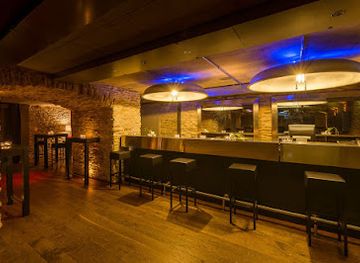
Shopping is limited in Vidy because the neighbourhood is organised around parks, archaeology, sport, theatre and the lake rather than a traditional commercial high street. Visitors may find practical food and drink options around the institutional and transport areas, but the district is not a destination for boutiques, antiques or specialist retail. The best local purchase is often connected to the visit itself: museum publications and archaeological material at the Roman museum, or theatre-related programmes and cultural items at the venue when available. For broader shopping, Lausanne’s central streets, markets and department stores are more suitable, while nearby Ouchy provides a smaller waterfront choice outside Vidy. A picnic for the parks is easiest to assemble before arriving or in a neighbouring commercial area, as retail provision thins out along the lakeside.
-
Department store
MANOR Lausanne
Experience the vibrant shopping atmosphere at MANOR Lausanne, your one-stop department store for fashion, home goods, and exclusive Swiss products.
7 min drive · 2.5 km from neighbourhood centre
-
Boutique
MANIAK Lausanne
Explore MANIAK Lausanne: A unique boutique offering vintage clothing, cosmetics, and fashion accessories in the heart of Switzerland.
7 min drive · 2.3 km from neighbourhood centre
-
Souvenir store
Bazar Ouchy. Souvenirs suisses, jouets
Explore Bazar Ouchy for exquisite Swiss souvenirs, unique gifts, and delightful toys in the heart of Lausanne's enchanting lakeside.
7 min drive · 2.3 km from neighbourhood centre
-
Shop
Søstrene Grene
Explore Søstrene Grene in Lausanne, where creativity meets quality with art supplies, decor, and unique finds for all ages.
7 min drive · 2.4 km from neighbourhood centre


Vidy essentials
Getting There
Getting Around
Safety
Emergency Situations
Do's and Don'ts
Local Tips

From Eve
Local phrases worth knowing
You don't need to get them perfect. A few words go a long way, and locals appreciate the effort.
Basics
| English | Local | Say it |
|---|---|---|
| Hello | Grüezi | [ɡrɪˈtsi] |
| Goodbye | Adieu | [aˈdjø] |
| Yes | Ja | [ja] |
| No | Nei | [naɪ] |
| Please/You're welcome | Bitte | [ˈbɪtə] |
| Thank you | Merci | [ˈmɛr.si] |
| Excuse me/Sorry | Entschuldigung | [ɛntˈʃʊldɪɡʊŋ] |
| How are you? | Wie geht es dir? | [viː ɡeːt ɛs diːr] |
| Fine. And you? | Gut. Und dir? | [ɡuːt ʊnt diːr] |
| Do you speak English? | Sprechen Sie Englisch? | [ˈʃpreːçən ziː ˈɛŋlɪʃ] |
| I don't understand | Ich verstehe nicht | [ɪç fɛɐ̯ˈʃteːə nɪçt] |
Eating & Drinking
| English | Local | Say it |
|---|---|---|
| I'd like to see the menu, please | Ich möchte bitte die Speisekarte sehen | [ɪç mœçtə ˈbɪtə diː ˈʃpaɪzəˌkartə ˈzeːən] |
| I don't eat meat | Ich esse kein Fleisch | [ɪç ˈɛsə kaɪn flaɪʃ] |
| Cheers! | Prost! | [prost] |
| I would like to pay, please | Ich möchte bitte zahlen | [ɪç mœçtə ˈbɪtə ˈtsaːlən] |
Emergencies
| English | Local | Say it |
|---|---|---|
| Help! | Hilfe! | [ˈhɪlfə] |
| Go away! | Gehen Sie weg! | [ˈɡeːən ziː vɛk] |
| Call the Police! | Rufen Sie die Polizei! | [ˈruːfən ziː diː pɔˈliːʦaɪ] |
| Call a doctor! | Rufen Sie einen Arzt! | [ˈruːfən ziː ˈaɪnən ˈaʁt͡s] |
| I'm lost | Ich habe mich verirrt | [ɪç ˈhaːbə mɪç fɛˈrɪrt] |
| I'm ill | Ich bin krank | [ɪç bɪn kraŋk] |
Shopping
| English | Local | Say it |
|---|---|---|
| I'd like to buy... | Ich möchte ... kaufen | [ɪç mœçtə ... ˈkaʊ̯fən] |
| I'm just looking | Ich schaue nur | [ɪç ˈʃaʊ̯ə nuːr] |
| How much is it? | Wie viel kostet es? | [viː fiːl ˈkɔstət ɛs] |
| That's too expensive | Das ist zu teuer | [das ɪst tsuː ˈtɔʏ̯ɐ] |
| Can you lower the price? | Können Sie den Preis senken? | [ˈkœnən ziː deːn praɪs ˈzɛnkən] |
Time & Numbers
| English | Local | Say it |
|---|---|---|
| What time is it? | Wie spät ist es? | [viː ʃpɛt ɪst ɛs] |
| It's one o'clock | Es ist ein Uhr | [ɛs ɪst aɪn ʔuːr] |
| Half past (10) | Halb (10) | [halb (10)] |
| Morning | Morgen | [ˈmɔrgən] |
| Afternoon | Nachmittag | [ˈnaχmɪˌtaːɡ] |
| Evening | Abend | [ˈaːbənt] |
| Yesterday | Gestern | [ˈɡɛstɐn] |
| Today | Heute | [ˈhɔʏ̯tə] |
| Tomorrow | Morgen | [ˈmɔrgən] |
| 1 | Eins | [aɪns] |
| 2 | Zwei | [tsvaɪ] |
| 3 | Drei | [draɪ] |
| 4 | Vier | [fiːr] |
| 5 | Fünf | [fʏnf] |
| 6 | Sechs | [zɛks] |
| 7 | Sieben | [ˈziːbən] |
| 8 | Acht | [axt] |
| 9 | Neun | [nɔʏ̯n] |
| 10 | Zehn | [tseːn] |
Transport & Directions
| English | Local | Say it |
|---|---|---|
| Where's a/the...? | Wo ist ein/der ...? | [vo ɪst aɪn/deːr] |
| What's the address? | Was ist die Adresse? | [vas ɪst diː ˈadʁɛsə] |
| Can you show me (on the map)? | Können Sie mir zeigen (auf der Karte)? | [ˈkœnən ziː mɪr ˈʦaɪ̯ɡən (aʊf deːɐ̯ ˈkaʁtə)] |
| When's the next (bus)? | Wann kommt der nächste (Bus)? | [van kɔmt deːɐ̯ ˈnɛçstə (bʊs)] |
| A ticket (to ....) | Eine Fahrkarte (nach ...) | [ˈaɪnə ˈfaːɐ̯kartə (nax ...)] |
History of Vidy
Lousonna on the Roman Route
The area now called Vidy preserves the remains of Lousonna, a Roman settlement established beside Lake Geneva in the first century BC and developed during the Roman period. Its position connected the lakeshore with routes across the Lausanne area, while a harbour supported movement and trade. Excavations have revealed parts of streets, houses, workshops and public buildings, showing that Lousonna was more than an isolated military outpost. The settlement’s archaeological footprint is the essential historical foundation of modern Vidy, and the Musée romain de Lausanne-Vidy interprets the discoveries through objects and reconstructed settings.
From Settlement to Rural Lakeshore
After the Roman period, the settlement at Vidy declined and the area became predominantly rural, while Lausanne’s main urban centre developed on higher ground to the east. For centuries, the lakeshore remained separate in character from the hilltop city, with open land and agricultural use shaping its landscape. The survival of archaeological remains beneath later ground helped preserve evidence of Lousonna, even as roads, property boundaries and changing shoreline conditions altered the setting. Vidy’s modern identity therefore grew from the coexistence of a quiet waterfront landscape and a buried ancient town.
Lausanne Reaches the Waterfront
During the nineteenth and twentieth centuries, Lausanne expanded beyond its historic hill and increasingly used the lakeshore for recreation, transport and public facilities. Vidy’s open land made it suitable for parks and sports grounds, while improvements to roads and public transport brought the waterfront into easier reach of residents. The district did not develop into a conventional dense suburb: its defining spaces remained lawns, archaeological fields, sporting installations and the shoreline. This planning history explains why Vidy today feels more like a broad recreational landscape than a tightly built neighbourhood.
The 1964 Exhibition and Théâtre Vidy
A major transformation came with the Swiss National Exhibition held in Lausanne in 1964, whose lakeside grounds included the Vidy area. The exhibition introduced temporary and purpose-built structures, several of which influenced the district’s later cultural identity. The building associated with Théâtre Vidy-Lausanne was created for the event and subsequently became a theatre venue, linking Vidy to Switzerland’s post-war architectural and artistic history. After the exhibition, the waterfront’s public and cultural uses continued, while parks and sports facilities remained central to its everyday life.
A Contemporary Recreational Quarter
From the late twentieth century onwards, Vidy consolidated its role as one of Lausanne’s principal areas for outdoor recreation, heritage interpretation and cultural activity. The Roman site and museum gained renewed importance as archaeological research clarified the scale of Lousonna, while the theatre established an international profile for contemporary performance. Sports grounds, swimming areas, paths and parkland made the shore a shared civic space rather than a purely residential district. Today, nearby university and institutional development belongs mainly to the broader Dorigny area, while Vidy retains its particular combination of ancient remains, open landscape and lakeside culture.
Vidy in Photos
Browse through our photo collection highlighting the charm and character of the destination.
Neighbourhoods near Vidy
The closest neighbourhoods to Vidy, if you have time for more than one stop.
-

-

-


Swipe for more neighbourhoods
Explore more

Explore more of Lausanne
Lausanne blends Lake Geneva views, Olympic heritage, Gothic architecture, museums and vineyard landscapes in Switzerland’s Vaud region for travellers.
Explore Lausanne