

Enge (Zurich) Travel Guide - Free
Explore Enge in Zurich with Evendo's free guide. Find the best shops, historic streets, restaurants, and gems on web or mobile.


Enge in Zurich pairs Lake Zurich promenades, Museum Rietberg, leafy parks, urban villas and easy city-centre connections for culture-focused visitors.
Lakefront Setting and Urban Character
Enge occupies a south-western pocket of central Zurich between the city centre, Lake Zurich and the wooded slopes rising towards the Uetliberg. Although closely integrated into the city, it retains a distinct identity: broad roads and elegant residential streets give way to lakeside promenades, mature parks, cultural institutions and the busy interchange around Zürich Enge station. The neighbourhood is easy to explore on foot, with the lake, Arboretum and Rieterpark providing open space within a largely urban setting.Read more about Enge
Villas, Parks and Cultural Institutions
Everyday Enge
Best attractions in Enge
Enge's attractions are concentrated around culture, landscape and the lake rather than a single historic street. Museum Rietberg occupies former villas in Rieterpark and displays art from Africa, Asia, the Americas and Oceania in an unusually verdant setting. The park itself is an important part of the visit, with paths, lawns and views towards the city. Near Zürich Enge station, the FIFA Museum explores the history and worldwide cultural reach of football through exhibitions and interactive displays. Along the shore, the Arboretum offers botanical planting, open paths and a change of pace from the surrounding traffic. A walk between the Arboretum and Rieterpark reveals Enge's varied scale, from lakefront openness to formal gardens and residential streets. The Swiss Reformed Church of Enge is another worthwhile stop for visitors interested in the district's architecture and civic history.
-
Tourist attraction
Museum Rietberg
Explore the captivating collections of non-European art and serene gardens at Museum Rietberg, Zurich's cultural treasure.
3 min walk · 0.2 km from neighbourhood centre
-
Tourist attraction
Rieterpark
Explore the serene beauty of Rieterpark in Zurich, a perfect blend of nature and culture ideal for relaxation and leisure activities.
4 min walk · 0.3 km from neighbourhood centre
-
Tourist attraction
Springbrunnen Aquaretum
Experience the splendor of water artistry at Springbrunnen Aquaretum in Zürich, a must-visit attraction for relaxation and family fun.
7 min walk · 0.5 km from neighbourhood centre
-
Tourist attraction
Züri Leu von Urs Eggenschwyler
Experience the artistic beauty of Züri Leu by Urs Eggenschwyler, a stunning sculpture on the serene shores of Lake Zurich, a must-visit for art enthusiasts.
6 min walk · 0.5 km from neighbourhood centre


Best landmarks in Enge
The most distinctive landmark in Enge is Zürich Enge station, whose curved early twentieth-century railway architecture and clock tower give the transport hub a memorable civic presence. On the rise above the lake, the Swiss Reformed Church of Enge is a prominent local church and an important part of the district's visual identity. Rieterpark preserves the former estate landscape associated with Villa Wesendonck and other villas now connected with Museum Rietberg, showing how private country retreats became public cultural spaces. At the water's edge, the Arboretum is significant not only as a garden but also as part of Zurich's planned lakefront landscape. Together these places express Enge's development from lakeside settlement to urban district without reducing its landmarks to isolated monuments.
-
Historical landmark
Lindenhof
Explore Zurich's Lindenhof, a historic landmark offering stunning city views, lush greenery, and a serene atmosphere for all travelers.
5 min drive · 1.5 km from neighbourhood centre
-
Park
Arboretum Zürich
Explore the lush Arboretum Zürich, a tranquil park boasting diverse plant species and stunning lake views, perfect for relaxation and exploration.
6 min walk · 0.5 km from neighbourhood centre
-
Park
Rieterpark
Discover the tranquility and cultural richness of Rieterpark, Zurich’s urban oasis featuring stunning landscapes and the renowned Rietberg Museum.
4 min walk · 0.3 km from neighbourhood centre
-
Historical landmark
Geiserbrunnen
Discover the beauty and history of Geiserbrunnen, a captivating historical landmark in Zürich that enchants visitors with its elegance and charm.
13 min walk · 1.1 km from neighbourhood centre


Explore Enge on the map
A handpicked selection of must-see spots in Enge, mapped for you.
Best hotels in Enge
Best restaurants in Enge
Enge's food scene reflects its role as a central residential and business district, with the greatest concentration of cafés, bakeries and everyday restaurants around Zürich Enge station and the main roads leading towards the lake. Visitors can find Swiss and broader European cooking alongside international cuisines, contemporary cafés and places suited to business lunches or informal meals. The commercial streets offer practical daytime choices, while the quieter lanes near Rieterpark and the waterfront have a more relaxed setting where restaurants and cafés are present. Enge is not primarily a street-food quarter, and its culinary identity is better understood through the contrast between station-area convenience, established neighbourhood dining and lakeside pauses. The nearby city centre expands the range considerably, but it should not be mistaken for Enge's own dining area.
-
Italian
Don Leone
Experience authentic Italian cuisine at Don Leone in Zürich - renowned for delicious pizzas and a cozy atmosphere perfect for any occasion.
4 min walk · 0.3 km from neighbourhood centre
-
Fine Dining
Weisses Rössli
Discover the exquisite blend of French and Mediterranean cuisine at Weisses Rössli in Zürich – where fine dining meets exceptional service.
5 min walk · 0.4 km from neighbourhood centre
-
Japanese
Fujiya of Japan
Experience the essence of Japanese gastronomy at Fujiya of Japan - where tradition meets contemporary culinary excellence.
5 min walk · 0.4 km from neighbourhood centre
-
Italian
Ristorante33
Experience authentic Italian cuisine at Ristorante33 in Zürich – where delicious food meets an inviting atmosphere.
9 min walk · 0.7 km from neighbourhood centre


Best bars in Enge
Enge has a measured evening scene rather than a concentrated strip of nightclubs. Bars and restaurants around Zürich Enge station provide after-work drinks and informal evening dining, while the district's hotels, offices and residential streets create a quieter atmosphere than Zurich's established nightlife quarters. The lakefront and Arboretum are used for evening walks, but they are public spaces rather than organised entertainment zones, and visitors should be considerate around nearby homes. Cultural evenings at Museum Rietberg or the FIFA Museum may add to a night in the neighbourhood when programmes are running, although schedules vary. For larger club nights, late music venues and a broader bar choice, visitors generally continue towards the city centre or other districts rather than staying within Enge.
-
Bar
La Stanza
Experience the vibrant ambiance and diverse menu at La Stanza, a trendy bar and café in the heart of Zürich, perfect for tourists and locals alike.
12 min walk · 1.0 km from neighbourhood centre
-
Bar
Widder Bar
Discover the elegance of Widder Bar in Zürich - a luxurious cocktail experience in the heart of the city, perfect for discerning travelers.
18 min walk · 1.4 km from neighbourhood centre
-
Cocktail bar
Barfly’z
Experience the essence of Zürich's nightlife at Barfly’z, a cocktail bar renowned for its innovative drinks and inviting atmosphere.
9 min walk · 0.7 km from neighbourhood centre
-
Bar
Le Raymond Bar
Experience the vibrant atmosphere of Le Raymond Bar, a chic cocktail bar and café in Zürich, offering exquisite drinks and a beautiful garden retreat.
13 min walk · 1.0 km from neighbourhood centre


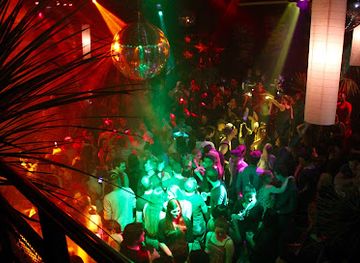
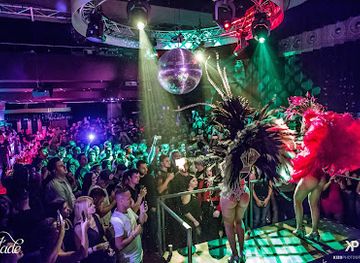
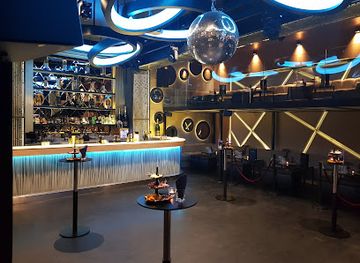
Best nightclubs in Enge
Enge has a measured evening scene rather than a concentrated strip of nightclubs. Bars and restaurants around Zürich Enge station provide after-work drinks and informal evening dining, while the district's hotels, offices and residential streets create a quieter atmosphere than Zurich's established nightlife quarters. The lakefront and Arboretum are used for evening walks, but they are public spaces rather than organised entertainment zones, and visitors should be considerate around nearby homes. Cultural evenings at Museum Rietberg or the FIFA Museum may add to a night in the neighbourhood when programmes are running, although schedules vary. For larger club nights, late music venues and a broader bar choice, visitors generally continue towards the city centre or other districts rather than staying within Enge.
-
Nightclub
Plaza Club
Plaza Club: Your Gateway to an Unforgettable Nightlife Experience in Zürich with Live Music and Dancing.
5 min drive · 1.5 km from neighbourhood centre
-
Nightclub
Kanzlei Club
Experience the vibrant nightlife at Kanzlei Club in Zürich, where music, drinks, and dancing come together for an unforgettable evening.
5 min drive · 1.7 km from neighbourhood centre
-
Nightclub
Jade Club
Discover Zürich's vibrant nightlife at Jade Club – where music, dancing, and a stylish atmosphere come together for an unforgettable experience.
16 min walk · 1.3 km from neighbourhood centre
-
Nightclub
Gallery Club
Discover the heartbeat of Zürich's nightlife at Gallery Club, where music, dance, and dining create an electrifying experience.
13 min walk · 1.0 km from neighbourhood centre

Best shops in Enge
Shopping in Enge is practical and neighbourhood-oriented, with the broadest everyday selection around Zürich Enge station and the commercial streets leading towards the city centre. Visitors will find supermarkets, pharmacies, cafés, fashion and service businesses alongside smaller independent retailers, while the station area is useful for provisions before a park or museum visit. Enge does not have a traditional market quarter or a single specialist shopping street comparable with Zurich's most famous retail areas. Its appeal lies instead in the balance between convenient local commerce and easy access to the centre's larger selection. The streets near the lake and Rieterpark are more residential, with occasional cafés and businesses rather than a dense cluster of boutiques. Visitors seeking books, design goods or Swiss souvenirs may need to extend their walk beyond Enge.
-
Souvenir store
Teddy's Souvenir Shop AG
Explore authentic Swiss souvenirs at Teddy's Souvenir Shop in Zürich, where culture and charm meet along the scenic Limmatquai.
18 min walk · 1.4 km from neighbourhood centre
-
Used clothing store
Barbar Vintage
Explore the eclectic charm of Barbar Vintage, Zürich's premier destination for unique and sustainable fashion treasures.
9 min walk · 0.7 km from neighbourhood centre
-
Gift shop
BUTLERS@home24 Zürich Sihlcity
Explore a treasure trove of unique gifts and stylish home goods at BUTLERS@home24 in vibrant Zürich Sihlcity.
8 min walk · 0.6 km from neighbourhood centre
-
Gift shop
Schweizer Heimatwerk
Explore Schweizer Heimatwerk in Zürich for authentic Swiss handicrafts, art, and unique souvenirs that capture the essence of Switzerland.
13 min walk · 1.0 km from neighbourhood centre


Enge essentials
Getting There
Getting Around
Safety
Emergency Situations
Do's and Don'ts
Local Tips

From Eve
Local phrases worth knowing
You don't need to get them perfect. A few words go a long way, and locals appreciate the effort.
Basics
| English | Local | Say it |
|---|---|---|
| Hello | Grüezi | [groo-ay-tsee] |
| Goodbye | Uf widerluege | [oof vee-der-loo-ay-ge] |
| Yes | Ja | [yah] |
| No | Nei | [nye] |
| Please/You're welcome | Bitte | [beet-uh] |
| Thank you | Merci vilmal | [mehr-see feel-mahl] |
| Excuse me/Sorry | Entschuldigung | [ent-shool-dee-goong] |
| How are you? | Wie gohts? | [vee gote-s] |
| Fine. And you? | Guet, und dir? | [gweet, oont deer] |
| Do you speak English? | Redsch du Inglish? | [redsh doo ing-lish] |
| I don't understand | Ich verstah nöd | [eekh fer-shta nud] |
Eating & Drinking
| English | Local | Say it |
|---|---|---|
| I'd like to see the menu, please | Ich möcht bitte d'Menu aluege | [eekh merkht beet-uh duh-men-oo a-loo-ay-ge] |
| I don't eat meat | Ich esse kei Fleisch | [eekh ess-uh kigh flysh] |
| Cheers! | Proscht! | [prosht] |
| I would like to pay, please | Ich möcht bitte zahle | [eekh merkht beet-uh zah-luh] |
Emergencies
| English | Local | Say it |
|---|---|---|
| Help! | Hilf! | [helf] |
| Go away! | Gang wäg! | [gahng vehg] |
| Call the Police! | Ruef d'Polizei! | [roof duh-poh-lee-tsigh] |
| Call a doctor! | Ruef en Arzt! | [roof en ahrts] |
| I'm lost | Ich ha mi verirrt | [eekh hah mee vuh-reert] |
| I'm ill | Ich bin krank | [eekh been krunk] |
Shopping
| English | Local | Say it |
|---|---|---|
| I'd like to buy... | Ich möcht ... koufe | [eekh merkht ... kow-fuh] |
| I'm just looking | Ich lueg nur | [eekh loo-ayg noor] |
| How much is it? | Was chostet das? | [vahs kohs-tet dahs] |
| That's too expensive | Das isch z' teuer | [dahs ish tsoo toy-er] |
| Can you lower the price? | Chasch du de Priis reduziere? | [khash doo duh prees reh-doo-tsee-uh-ruh] |
Time & Numbers
| English | Local | Say it |
|---|---|---|
| What time is it? | Wieviel Uhr isch es? | [vee-feel oor ish es] |
| It's one o'clock | Es isch eisni | [es ish eis-nee] |
| Half past (10) | Halbi (zähni) | [halb-ee (zay-nee)] |
| Morning | Morge | [mohr-geh] |
| Afternoon | Namitag | [nah-mee-tahg] |
| Evening | Abig | [ah-beeg] |
| Yesterday | Gestern | [geh-shtern] |
| Today | Hüt | [hoot] |
| Tomorrow | Morn | [mohrn] |
| 1 | Eis | [eyes] |
| 2 | Zwei | [tsvigh] |
| 3 | Drei | [dry] |
| 4 | Vieri | [feer-ee] |
| 5 | Füfi | [foo-fee] |
| 6 | Sächsi | [sahk-see] |
| 7 | Sibi | [see-bee] |
| 8 | Achti | [ahkh-tee] |
| 9 | Nüni | [noo-nee] |
| 10 | Zähni | [tsay-nee] |
Transport & Directions
| English | Local | Say it |
|---|---|---|
| Where's a/the...? | Wo isch es...? | [voh ish es] |
| What's the address? | Was isch d'Adresse? | [vahs ish dahd-rehs] |
| Can you show me (on the map)? | Chasch mir das zeige (uf em Plan)? | [kahsh meer dahs tsigh-uh (oof em plahn)] |
| When's the next (bus)? | Wänn git's de nächschti (Bus)? | [ven geets duh nehkshtee (boos)] |
| A ticket (to ....) | E Billett (nach ....) | [eh bee-let (nahkh)] |
History of Enge
From Lakeside Village to Zurich District
Enge began as a separate settlement on the southern shore of Lake Zurich, its name traditionally associated with the narrow piece of land between the lake and the rising ground inland. For centuries the area combined rural land, vineyards and country estates with access to the water. Its proximity to Zurich gradually encouraged suburban development, and Enge was incorporated into the city in 1893 along with several surrounding municipalities. This political change brought the village more firmly into Zurich's expanding urban framework while preserving a local pattern of villas, gardens and streets running towards the lake.
Railways and Urban Expansion
Transport infrastructure accelerated Enge's transformation in the late nineteenth and early twentieth centuries. The railway connection along the western side of Lake Zurich linked the district with the wider regional network, while tram and road improvements made it increasingly practical for residents to work and shop in central Zurich. The present Zürich Enge station, opened in 1927, reflects the district's mature urban development and is notable for its distinctive curved façade and clock tower. Around it, commercial buildings and apartment blocks replaced much of the earlier village fabric, creating the mixed residential and business character visible today.
Estates Become Public Landscapes
Several of Enge's most important green and cultural spaces developed from private estates established when wealthy Zurich families built retreats near the lake. The former Wesendonck estate became Rieterpark, and the villas within it later formed the setting for Museum Rietberg, which opened in 1952. The park's conversion into a public cultural landscape preserved a substantial area of greenery as the surrounding district urbanised. Along the lakeshore, the Arboretum was created as part of Zurich's late nineteenth-century lakefront improvements, combining recreation, botanical collections and public access to the water.
A Contemporary Cultural Neighbourhood
During the twentieth century Enge consolidated its reputation as a well-connected residential and business district rather than a conventional historic quarter. New offices, banks and commercial premises appeared alongside older villas and apartment buildings, while the lakefront remained a major public amenity. The opening of the FIFA World Football Museum in 2016 added an international cultural institution near the station. Today, Enge's identity rests on the coexistence of transport infrastructure, corporate activity, established residential streets, public parks and museums, with its historical estates still shaping the neighbourhood's landscape.
Enge in Photos
Browse through our photo collection highlighting the charm and character of the destination.
Neighbourhoods near Enge
The closest neighbourhoods to Enge, if you have time for more than one stop.
-

-

-

-

-


Swipe for more neighbourhoods
Explore more

Explore more of Zurich
Zurich combines medieval lanes, lake views and world-class museums with Swiss food, design, finance and nearby Alpine landscapes for culture-rich city breaks.
Explore Zurich