

Free Pamir Mountains Travel Guide & Mobile App
Explore Pamir Mountains with free travel guides. Discover regional history, expert tips, proposed trips, and audio guides on web or mobile app.


Explore Tajikistan’s Pamir Mountains through high passes, remote valleys, Karakul Lake, Wakhan villages and the demanding Pamir Highway.
Read more about Pamir Mountains
When is the best time to visit Pamir Mountains?
Best: June–August · 15–18°C| Month | High (°C) | Rainfall (mm) |
|---|---|---|
| January | -5 | 10 |
| February | -3 | 10 |
| March | 1 | 15 |
| April | 8 | 20 |
| May | 13 | 25 |
| June (best) | 15 | 30 |
| July (best) | 18 | 25 |
| August (best) | 17 | 20 |
| September | 13 | 15 |
| October | 7 | 15 |
| November | 2 | 10 |
| December | -3 | 10 |
Getting to and around Pamir Mountains
How to get there
Transportation
Best landmarks in Pamir Mountains
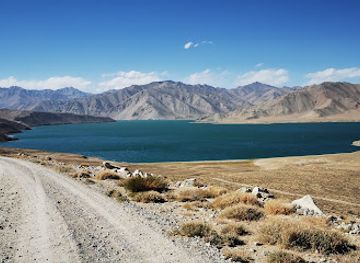
The Pamir Highway is the region’s defining modern landmark, a demanding overland route whose high passes and exposed plateaux express the strategic importance of Soviet-era connections across the mountains. Karakul Lake is the most recognisable natural landmark in the eastern Pamirs: an expansive, high-altitude lake surrounded by arid ranges and open plains. In the Wakhan Valley, Yamchun Fortress stands above the valley on a dramatic ridge, while the nearby Bibi Fatima Zahra hot springs remain an important local destination. The Buddhist stupa at Vrang preserves evidence of the Wakhan’s earlier religious and trading connections. Karon, an archaeological site near the western Pamirs, reflects the existence of substantial ancient settlement and political organisation in a landscape often assumed to have been permanently isolated. Around Khorugh, steep valley walls, terraced gardens and the confluence of the Gunt and Panj create a distinctive urban setting. These landmarks are separated by long, difficult journeys, and their significance lies as much in their relationship with the mountains and historic routes as in their individual appearance.
-
National park
Tajik National Park
Explore the breathtaking landscapes and diverse wildlife of Tajik National Park, a UNESCO World Heritage site in the heart of Tajikistan.
Explore Pamir Mountains on the map
Plan your trip on one map. See where the top cities, national parks and sights are, and book hotels and experiences in a few clicks.
Best hotels in Pamir Mountains
Best bars in Pamir Mountains
Nightlife in the Pamir Mountains is quiet and community-oriented. Khorugh has the region’s broadest evening choice, with cafés, restaurants and occasional live cultural programming, while smaller settlements generally close early. In villages and homestays, evenings are more likely to involve tea, conversation, music or a shared meal than bars or nightclubs. Alcohol is not central to public life in many Pamiri communities, and visitors should respect the customs of the household or area they are visiting. Murghab offers very limited commercial nightlife, although guesthouses may provide a social setting for travellers and guides. Because journeys are long and mornings often begin early, practical evening culture tends to revolve around rest, route planning and local hospitality. Do not expect a continuous entertainment district, late public transport or reliable opening hours outside Khorugh.
-
Live music bar
Best Bar City
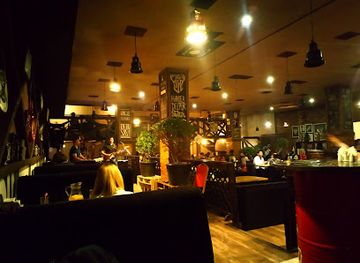
Discover Dushanbe's nightlife at Best Bar City, where live music and a vibrant atmosphere create unforgettable memories.
-
Pub
Sim Sim Pub
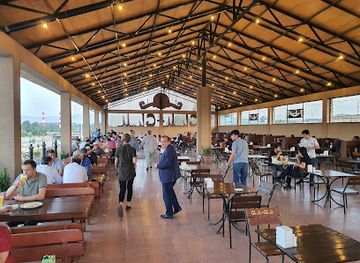
Experience the vibrant atmosphere and delicious chicken dishes at Sim Sim Pub in Dushanbe, a favorite among locals and tourists.
-
Gastropub
28 Monkeys Gastropub
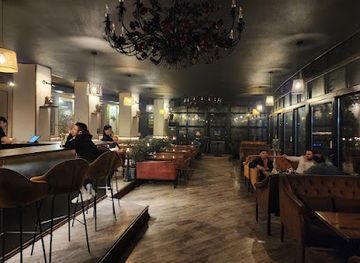
Discover the vibrant fusion of fine dining and casual charm at 28 Monkeys Gastropub in Dushanbe, Tajikistan.
-
Bar
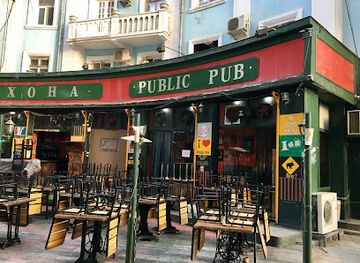
Public Pub
Experience the vibrant atmosphere of Public Pub in Dushanbe, where delicious food, refreshing drinks, and Tajik hospitality come together.
Best nightclubs in Pamir Mountains
Nightlife in the Pamir Mountains is quiet and community-oriented. Khorugh has the region’s broadest evening choice, with cafés, restaurants and occasional live cultural programming, while smaller settlements generally close early. In villages and homestays, evenings are more likely to involve tea, conversation, music or a shared meal than bars or nightclubs. Alcohol is not central to public life in many Pamiri communities, and visitors should respect the customs of the household or area they are visiting. Murghab offers very limited commercial nightlife, although guesthouses may provide a social setting for travellers and guides. Because journeys are long and mornings often begin early, practical evening culture tends to revolve around rest, route planning and local hospitality. Do not expect a continuous entertainment district, late public transport or reliable opening hours outside Khorugh.
-
Night club
Khvakanta
Experience the vibrant nightlife of Khujand at Khvakanta, where electrifying music and a lively atmosphere await every visitor.
-
Night club
Royal Club
Discover the ultimate nightlife experience at Royal Club in Dushanbe, where vibrant music and a lively atmosphere come together for unforgettable nights.
-
Night club
Vastan Nightclub
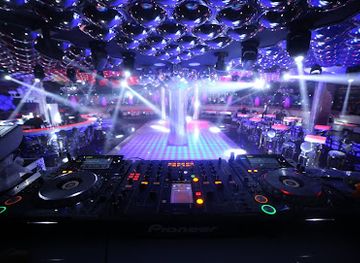
Dive into the electrifying nightlife of Dushanbe at Vastan Nightclub, where music, dance, and culture come alive in a vibrant atmosphere.

Best shops in Pamir Mountains
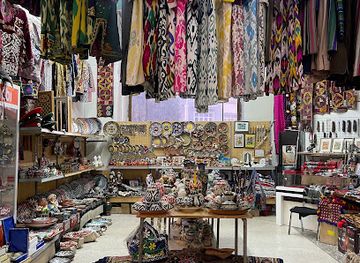
Shopping in the Pamirs is practical and small-scale, with the greatest choice in Khorugh and very limited retail in remote settlements. Local bazaars and shops sell food, fuel, household goods and travel necessities rather than a large range of dedicated souvenirs. Visitors may find woven textiles, embroidered items, woollen goods, carved objects and locally produced foods, although quality and availability vary by season. Pamiri handicrafts and traditional clothing can sometimes be viewed through cultural organisations, guesthouses or local contacts, while Murghab is a useful place to look for Kyrgyz-influenced felt and wool products when available. Dried fruit, nuts, herbal products and regional foodstuffs are more portable purchases than fragile ornaments, but customs rules should be checked before exporting foods, antiques or archaeological-looking objects. Buying directly from makers or village cooperatives, agreeing prices politely and avoiding anything that appears to be an antiquity helps support local livelihoods without encouraging the removal of cultural property.
-
Department store
Central Department Store
Explore Dushanbe's Central Department Store for a unique blend of local culture, shopping, and delightful dining experiences.
-
Shopping mall
Siyoma Mall
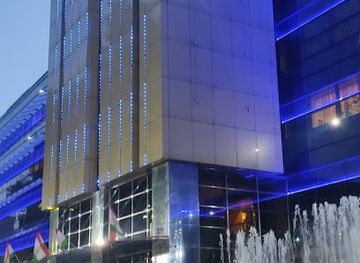
Experience the essence of shopping and entertainment at Siyoma Mall in Dushanbe, Tajikistan, where local culture meets global trends.
-
National park
Tajik National Park
Explore Tajik National Park, a breathtaking expanse of nature in Tajikistan, offering stunning landscapes, diverse wildlife, and thrilling adventures.
-
Art gallery
Noor Art Gallery
Explore Noor Art Gallery in Dushanbe—where local artistry meets a welcoming atmosphere, perfect for souvenirs and cultural immersion.

Get your free copy of our complete guide to Pamir Mountains, delivered straight to you.
Everything on this page, from attractions and restaurants to essentials and local phrases, in one PDF you can read offline, print or share.
Already have an account? Sign in
Your Pamir Mountains guide is ready.
We'll send it to · Not you? Sign out

Getting your guide ready…
We are putting together a fresh copy of the Pamir Mountains guide. This can take up to a minute.
This can take a few moments. If your browser asks, choose Allow so the download can start. You'll find the guide in your Downloads folder.
Nothing happened? Download it again
Sorry, the guide is taking longer than usual. Please try again in a minute, or get it by email instead.
Pamir Mountains essentials
Currency and Payment
Safety
Emergency Situations
Do's and Don'ts
Local Tips
From Eve
Local phrases worth knowing
You don't need to get them perfect. A few words go a long way, and locals appreciate the effort.
Basics
| English | Local | Say it |
|---|---|---|
| Hello | Салом | [Salom] |
| Goodbye | Хайр | [Khair] |
| Yes | Ҳа | [Ha] |
| No | Не | [Ne] |
| Please/You're welcome | Лутфан | [Lutfan] |
| Thank you | Ташаккур | [Tashakkur] |
| Excuse me/Sorry | Маъзрат | [M'azrat] |
| How are you? | Шумо чӣ хелед? | [Shumo chi kheled?] |
| Fine. And you? | Хуб. Шумо呢? | [Khob. Shumo ne?] |
| Do you speak English? | Шумо англисӣ гап мезанед? | [Shumo anglisi gap mezaned?] |
| I don't understand | Ман намефаҳмам | [Man namefahmam] |
Eating & Drinking
| English | Local | Say it |
|---|---|---|
| I'd like to see the menu, please | Ман мехоҳам менюро бинам, лутфан | [Man mekhoham menyuro binam, lutfan] |
| I don't eat meat | Ман гӯшт намехӯрам | [Man gusht namekhuram] |
| Cheers! | Саломат бошед! | [Salomat boshed!] |
| I would like to pay, please | Ман мехоҳам пардохт кунам, лутфан | [Man mekhoham pardokht kunam, lutfan] |
Emergencies
| English | Local | Say it |
|---|---|---|
| Help! | Кумак! | [Kumak!] |
| Go away! | Берав! | [Berav!] |
| Call the Police! | Пулисро хонед! | [Polisro khoned!] |
| Call a doctor! | Докторро хонед! | [Doktorro khoned!] |
| I'm lost | Ман гум шудаам | [Man gum shudam] |
| I'm ill | Ман бемор ҳастам | [Man bemor hastam] |
Shopping
| English | Local | Say it |
|---|---|---|
| I'd like to buy... | Ман мехоҳам харам... | [Man mekhoham kharam...] |
| I'm just looking | Ман танҳо нигоҳ мекунам | [Man tanho nigoh mekunam] |
| How much is it? | Ин чанда аст? | [In chanda ast?] |
| That's too expensive | Ин хеле гарон аст | [In kheli garon ast] |
| Can you lower the price? | Шумо метавонед нархро поин баред? | [Shumo metonid narkhro poin barid?] |
Time & Numbers
| English | Local | Say it |
|---|---|---|
| What time is it? | Солат чанд аст? | [Solat chandi ast?] |
| It's one o'clock | Солат як аст | [Solat yak ast] |
| Half past (10) | Ним (10) | [Nim (10)] |
| Morning | Субҳ | [Subh] |
| Afternoon | Пеш аз зӯҳр | [Pesh az zuh'r] |
| Evening | Шом | [Shom] |
| Yesterday | Дирӯз | [Diruz] |
| Today | Имрӯз | [Imruz] |
| Tomorrow | Фардо | [Fardo] |
| 1 | 1 | [1] |
| 2 | 2 | [2] |
| 3 | 3 | [3] |
| 4 | 4 | [4] |
| 5 | 5 | [5] |
| 6 | 6 | [6] |
| 7 | 7 | [7] |
| 8 | 8 | [8] |
| 9 | 9 | [9] |
| 10 | 10 | [10] |
Transport & Directions
| English | Local | Say it |
|---|---|---|
| Where's a/the...? | Куҷо ... аст? | [Kujô ... ast?] |
| What's the address? | Суроға чист? | [Suroga chist?] |
| Can you show me (on the map)? | Шумо метавонед маро нишон диҳед (дар харита)? | [Shumo metonid maro nishon dihed (dar kharita)?] |
| When's the next (bus)? | Кай автобуси баъдӣ аст? | [Kai avtobusi bad'i ast?] |
| A ticket (to ....) | Як билет (ба ....) | [Yak bileti (ba ....)] |
History of Pamir Mountains
Ancient trade routes and highland cultures
The Pamir valleys have connected Central Asia, Afghanistan, China and the Indian subcontinent for millennia. Travellers and traders followed river corridors and high passes rather than a single fixed road, carrying horses, textiles, metals and other goods across difficult terrain. Archaeological evidence and surviving fortifications show that the region was not isolated, even though its communities were separated by mountains. Its languages, religious traditions and settlement patterns reflect repeated contact between Iranian, Turkic, South Asian and Chinese cultural worlds.
Buddhist and Iranian religious legacies
Before the consolidation of Islam, religious life in the Pamirs included older Iranian traditions and forms of Buddhism associated with wider Central Asian exchange. Remains such as the Buddhist stupa at Vrang in the Wakhan Valley provide a tangible reminder of these earlier connections. The region later became predominantly Muslim, while distinctive local practices and architectural traces preserved layers of history in villages along the Panj and its tributaries.
Medieval fortresses and the Wakhan corridor
During the medieval period, the Wakhan and adjoining valleys formed part of a strategic corridor between major centres in Central Asia and the routes towards the Hindu Kush. Fortresses including Yamchun, known locally as Khaaka Fortress, guarded settlements and movement through the valley. These defensive sites were shaped by the region’s political fragmentation: local rulers, empires and trading communities competed for control of routes, water and cultivable land rather than governing the mountains as a single unified territory.
The Great Game and the Pamir frontier
In the nineteenth century, the Pamirs became a frontier zone in the rivalry between the Russian and British empires, often called the Great Game. Russian expansion into Central Asia brought the mountains into a new imperial framework, while British India watched the approaches from the south. Boundary-making in the late nineteenth century helped establish political frontiers that still shape travel today, including the separation of Tajikistan’s Pamirs from Afghanistan, China and Kyrgyzstan.
Soviet rule and the creation of GBAO
After the Russian Revolution, Soviet administration reorganised the eastern Tajik highlands and established the Gorno-Badakhshan Autonomous Region in 1925. New roads, schools, medical services and administrative institutions linked remote valleys more closely to Dushanbe and the wider Soviet system. The Pamir Highway, developed in the Soviet period, remains the region’s principal overland artery. Soviet policies also altered local economies and political structures, while the area’s difficult terrain continued to limit the reach of central administration.
Independence, civil war and modern Pamiri identity
Tajikistan became independent in 1991 and endured civil war during the 1990s, with serious consequences for GBAO and its transport links. Since the peace settlement, roads, tourism and communications have improved unevenly, but the Pamirs remain economically and geographically distinct from western Tajikistan. Contemporary Pamiri identity combines local languages, village traditions, Ismaili heritage and attachment to mountain communities within the constitutional framework of Tajikistan.
Pamir Mountains in Photos
Browse through our photo collection highlighting the charm and character of the destination.
Neighbouring regions of Pamir Mountains
The closest regions to Pamir Mountains, if you have time for more than one.
-

-

-

-

-


Swipe for more regions
Explore more

Explore more of Tajikistan
Discover Tajikistan: A land of majestic mountains, ancient history, and warm hospitality. Ideal for adventure seekers and culture enthusiasts alike.
Explore Tajikistan