

Free Fergana Valley Travel Guide & Mobile App
Explore Fergana Valley with free travel guides. Discover regional history, expert tips, proposed trips, and audio guides on web or mobile app.


Explore Tajikistan’s Fergana Valley for Khujand’s Silk-Road heritage, lively bazaars, orchards, craft traditions and the broad Tajik Sea.
Read more about Fergana Valley
When is the best time to visit Fergana Valley?
Best: May, August–September · 25–30°C| Month | High (°C) | Rainfall (mm) |
|---|---|---|
| January | 5 | 30 |
| February | 8 | 35 |
| March | 15 | 40 |
| April | 20 | 35 |
| May (best) | 25 | 30 |
| June | 30 | 25 |
| July | 32 | 20 |
| August (best) | 30 | 20 |
| September (best) | 25 | 25 |
| October | 20 | 30 |
| November | 15 | 35 |
| December | 8 | 30 |
Getting to and around Fergana Valley
How to get there
Transportation
Top city travel guides in Fergana Valley
The cities of Fergana Valley, and the easiest places to base yourself.
-

-


Swipe for more cities
Best attractions in Fergana Valley
The Tajik Fergana Valley offers a concentrated mix of urban heritage, working bazaars, agricultural landscapes and accessible day trips. Khujand forms the main cultural centre, with its fortress, museums, historic religious complex and Panjshanbe Bazaar illustrating the city’s long role as a political and trading hub. The nearby Arbob Palace provides a Soviet-era perspective on northern Tajikistan, while the Kayrakkum Reservoir, known locally as the Tajik Sea, opens out into a broad waterside landscape with beaches and recreation areas whose facilities vary by season. Istaravshan adds old streets, craft traditions and religious architecture on the valley’s western edge. Konibodom and Isfara are particularly interesting for orchards, gardens and everyday life beyond the main tourist circuit. Excursions through the cultivated plain reveal irrigation channels, fruit-growing districts and mountain horizons rather than a single monumental sight. Visitors should expect a region in which markets, historic neighbourhoods, museums and landscapes are experienced together, with many smaller sites requiring local directions and flexible timing.
-
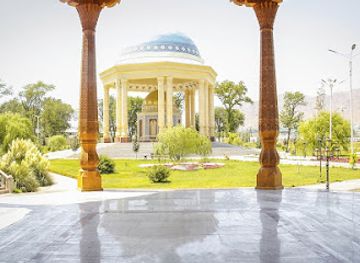
Park
Kamoli Khujandi Park
Explore the beauty and tranquility of Kamoli Khujandi Park in Khujand, Tajikistan, a perfect retreat for nature lovers and culture enthusiasts.
-
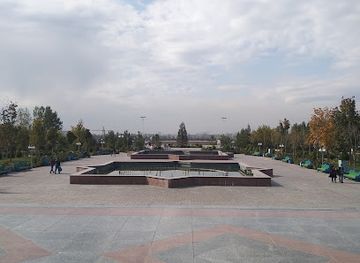
Park
Somoni Park
Explore the lush landscapes and cultural gems of Somoni Park in Khujand, a tranquil retreat that showcases the beauty of Tajikistan.
-
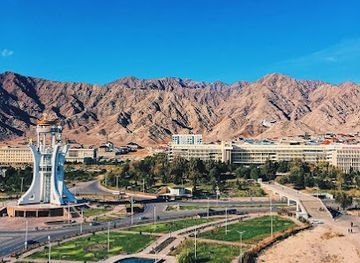
Tourist attraction
Stella Khujand
Experience the enchanting beauty and rich culture of Stella Khujand, a top tourist attraction in Khujand, Tajikistan, perfect for nature and history lovers.
-
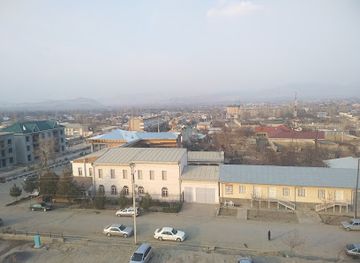
Museum
Isfara Museum
Explore the Isfara Museum, a gateway to Tajikistan's vibrant culture and history, where each exhibit tells a story of the region's heritage.
Best landmarks in Fergana Valley
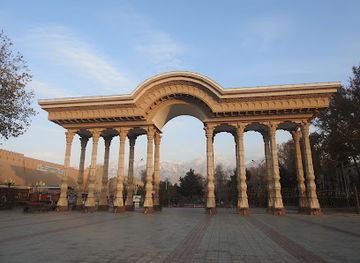
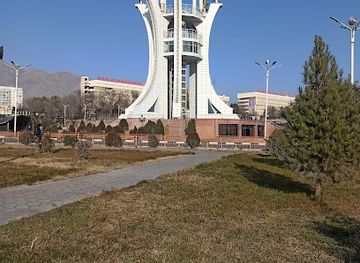
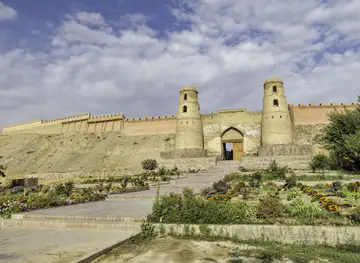
Khujand Fortress is one of the city’s defining historic landmarks, recalling the strategic importance of its position beside the Syr Darya; much of what visitors see today reflects later reconstruction and interpretation rather than an untouched ancient structure. Nearby, the Sheikh Muslihiddin Mausoleum complex forms a central religious and architectural reference point, with its association with a revered local figure and its place within the old city. Panjshanbe Bazaar is a landmark of a different kind: its imposing modernist market building and busy surrounding streets express the continuing commercial life of Khujand. The Arbob Palace near Khujand represents the ceremonial architecture of the Soviet period and the political history of northern Tajikistan. Beyond the city, the broad waters of the Kayrakkum Reservoir create the region’s principal natural landmark, while the dry foothills and distant mountain walls explain the valley’s geography. Istaravshan’s historic religious buildings and traditional urban fabric add further architectural interest on the western edge of the Tajik valley.
-
Park
Kamoli Khujandi Park
Discover the serene beauty of Kamoli Khujandi Park in Khujand, Tajikistan, a perfect spot for relaxation, nature walks, and cultural experiences.
-
Park
Somoni Park
Experience the beauty and tranquility of Somoni Park in Khujand, a cultural oasis amidst the vibrant city life of Tajikistan.
-
Tourist attraction
Stella Khujand
Explore Stella Khujand, a captivating tourist attraction in Tajikistan offering stunning views, rich culture, and unforgettable experiences.
-
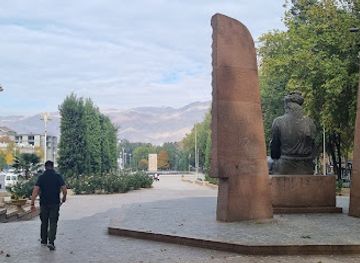
Historical landmark
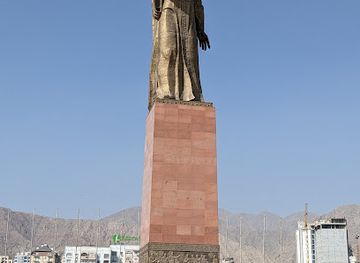
Kamal Khujandi Statue
Explore the Kamal Khujandi Statue in Khujand, a majestic tribute to Tajikistan's literary heritage and a serene spot for reflection.

Explore Fergana Valley on the map
Plan your trip on one map. See where the top cities, national parks and sights are, and book hotels and experiences in a few clicks.
Best hotels in Fergana Valley
Best restaurants in Fergana Valley
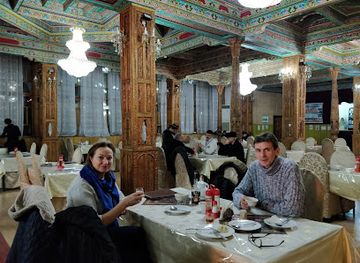
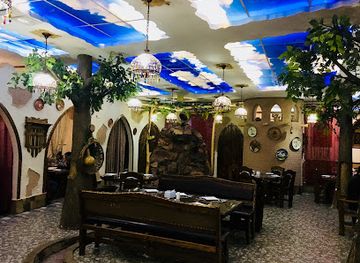
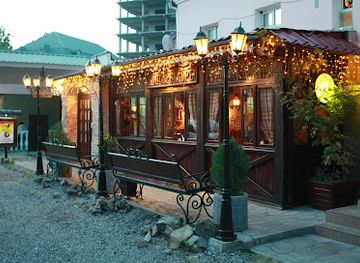
Dining in the Tajik Fergana Valley is rooted in the food of northern Tajikistan and the wider Central Asian household. Khujand has the broadest range of restaurants, cafés and chaikhanas, while smaller towns are more likely to offer simple local dining. Plov, soups, grilled meat, lagman noodles, samsa, manti and flat breads are common, with recipes and presentation varying between households and communities. Seasonal fruit is a major feature of the valley, especially grapes, melons, apricots, peaches and cherries, while dried fruit and nuts are widely sold in markets. Salads, rice dishes and tea accompany many meals, and Uzbek culinary influence is evident alongside Tajik traditions. Panjshanbe Bazaar is useful for tasting bread, nuts, spices and fresh produce rather than for an organised food tour. Alcohol is available in some urban establishments, but tea remains central to everyday hospitality. Vegetarian visitors can usually find bread, rice, salads, dairy products and vegetable dishes, though it is wise to explain dietary requirements clearly.
-
Restaurant
Rohat Teahouse
Experience authentic Tajik cuisine at Rohat Teahouse - A must-visit dining destination in Dushanbe for tourists seeking local flavors.
-
Restaurant
Toqi Teahouse
Discover the essence of Tajik culture at Toqi Teahouse, where tradition meets flavor in the heart of Dushanbe.
-
Turkish
Turkish cafe - Saray
Discover the rich flavors of authentic Turkish cuisine at Saray Cafe in Khujand - where every meal is a celebration!
-
Ukrainian
Traktir "Konservator"
Experience authentic Ukrainian cuisine at Traktir 'Konservator' in Dushanbe, where traditional flavors meet warm hospitality.

Best bars in Fergana Valley
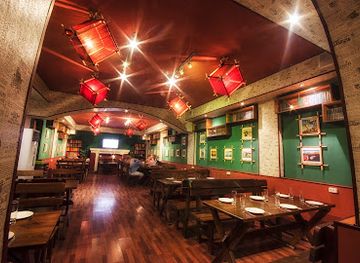
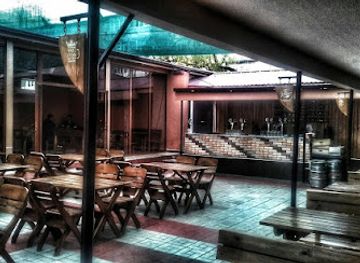
Evening life in the Tajik Fergana Valley is centred more on family restaurants, cafés, tea houses and public parks than on a large nightclub circuit. Khujand has the widest choice of restaurants and modern cafés, with evening activity concentrated around central streets and leisure areas. Traditional chaikhanas provide a relaxed setting for tea, conversation and meals, while some urban venues offer live music or televised sport. In smaller towns such as Konibodom and Isfara, nightlife is quieter and tends to revolve around local restaurants, private gatherings and evening walks. Alcohol is not necessary for socialising, and visitors should be attentive to the atmosphere of each venue, particularly outside the main city. Opening arrangements, entertainment programmes and licensed premises can change, so current local advice is more reliable than assuming a permanent club scene.
-
Restaurant
Tot Samiy Gastropub
Discover the vibrant culinary scene at Tot Samiy Gastropub in Fergana, where Asian flavors meet traditional cuisine in a charming atmosphere.
-
Bar
Beer house - Hurshid Pivo
Experience the best of Fergana's beer culture at Hurshid Pivo, where great drinks and local flavors come together in a vibrant atmosphere.
-
Bar
Pivnoy Bar U Dyadi Mishi
Discover the vibrant Pivnoy Bar U Dyadi Mishi in Fergana, where local flavors meet lively atmosphere for a memorable dining experience.
-
Bar
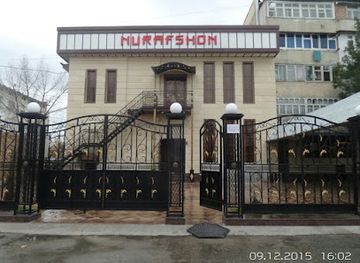
Nurafshan
Nurafshan: The Heart of Fergana’s Nightlife with Unforgettable Music and Dancing Experiences.

Best nightclubs in Fergana Valley
Evening life in the Tajik Fergana Valley is centred more on family restaurants, cafés, tea houses and public parks than on a large nightclub circuit. Khujand has the widest choice of restaurants and modern cafés, with evening activity concentrated around central streets and leisure areas. Traditional chaikhanas provide a relaxed setting for tea, conversation and meals, while some urban venues offer live music or televised sport. In smaller towns such as Konibodom and Isfara, nightlife is quieter and tends to revolve around local restaurants, private gatherings and evening walks. Alcohol is not necessary for socialising, and visitors should be attentive to the atmosphere of each venue, particularly outside the main city. Opening arrangements, entertainment programmes and licensed premises can change, so current local advice is more reliable than assuming a permanent club scene.
-
Night club
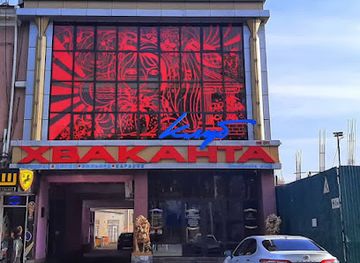
Khvakanta
Experience electrifying nights at Khvakanta, Khujand's premier night club, where music, dance, and culture come alive.
-
 Night club
PANTERA
Discover the vibrant nightlife at PANTERA Night Club in Besharyk, Fergana Region, where local music meets an electrifying atmosphere.
-
Night club
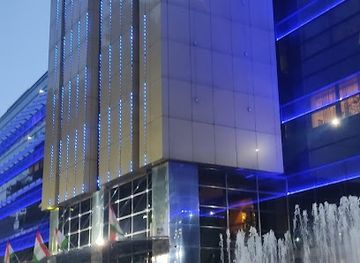
Vastan Nightclub
Experience the vibrant nightlife of Dushanbe at Vastan Nightclub, where music and energy blend for an unforgettable evening out.
Best shops in Fergana Valley
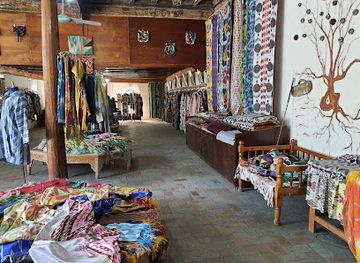
Shopping in the Tajik Fergana Valley is most rewarding in its markets and independent trading streets rather than in large modern retail complexes. Khujand’s Panjshanbe Bazaar is the principal stop for fresh and dried fruit, nuts, spices, bread, tea, household goods and textiles, while smaller markets in the surrounding towns serve local communities with a less curated atmosphere. Istaravshan is associated with traditional crafts, including knife-making and other metalwork, although quality and availability vary between workshops. Visitors may also find embroidered textiles, woven fabrics, ceramics and decorative household items, but should ask about materials, prices and whether an object is genuinely locally made. Dried apricots, raisins, nuts, honey and regional sweets travel well if packaged appropriately. Bargaining may be acceptable in informal craft and souvenir transactions, but it is less appropriate in ordinary food shops. Carry somoni for market purchases and keep fragile goods protected during shared-taxi journeys.
-
Park
Somoni Park
Discover the lush landscapes and cultural monuments at Somoni Park, a serene retreat in Khujand, Tajikistan, perfect for relaxation and exploration.
-
Company
Yodgorlik Silk Factory
Experience the art of silk weaving at Yodgorlik Silk Factory in Margilan, a true gem of Uzbekistan's cultural heritage.
-
Supermarket
Sherdor Supermarket
Explore the vibrant Sherdor Supermarket in Namangan Region, offering a diverse range of local and international products for all your shopping needs.
-
Gift shop
IDEAL chinni Farg'ona
Explore the rich artistry of Uzbekistan at IDEAL Chinni Farg'ona, your go-to destination for unique gifts and authentic souvenirs.

Get your free copy of our complete guide to Fergana Valley, delivered straight to you.
Everything on this page, from attractions and restaurants to essentials and local phrases, in one PDF you can read offline, print or share.
Already have an account? Sign in
Your Fergana Valley guide is ready.
We'll send it to · Not you? Sign out

Getting your guide ready…
We are putting together a fresh copy of the Fergana Valley guide. This can take up to a minute.
This can take a few moments. If your browser asks, choose Allow so the download can start. You'll find the guide in your Downloads folder.
Nothing happened? Download it again
Sorry, the guide is taking longer than usual. Please try again in a minute, or get it by email instead.
Fergana Valley essentials
Currency and Payment
Safety
Emergency Situations
Do's and Don'ts
Local Tips
From Eve
Local phrases worth knowing
You don't need to get them perfect. A few words go a long way, and locals appreciate the effort.
Basics
| English | Local | Say it |
|---|---|---|
| Hello | Салом | [Salom] |
| Goodbye | Худо ҳофиз | [Khudo hofiz] |
| Yes | Ҳа | [Ha] |
| No | Не | [Ne] |
| Please/You're welcome | Лутфан/Хуш омадед | [Lutfan/Khush omaded] |
| Thank you | Ташаккур | [Tashakkur] |
| Excuse me/Sorry | Маъзрат | [Mazrat] |
| How are you? | Чӣ хелед? | [Chi kheld?] |
| Fine. And you? | Хуб. Шумо? | [Khub. Shumo?] |
| Do you speak English? | Шумо англисӣ медонед? | [Shumo anglisi medoned?] |
| I don't understand | Ман намефаҳмам | [Man namefahmam] |
Eating & Drinking
| English | Local | Say it |
|---|---|---|
| I'd like to see the menu, please | Ман мехоҳам менюро бубинам, лутфан | [Man mekhoham menyuro bubinam, lutfan] |
| I don't eat meat | Ман гӯшти намехӯрам | [Man gushti namekhuram] |
| Cheers! | Саломат бошед! | [Salomat boshed!] |
| I would like to pay, please | Ман мехоҳам пардохт кунам, лутфан | [Man mekhoham pardokht kunam, lutfan] |
Emergencies
| English | Local | Say it |
|---|---|---|
| Help! | Кумак! | [Kumak!] |
| Go away! | Рав! | [Rav!] |
| Call the Police! | Пулисро занг занед! | [Pulizro zang zaned!] |
| Call a doctor! | Докторро занг занед! | [Doktorro zang zaned!] |
| I'm lost | Ман гул шудам | [Man gul shudam] |
| I'm ill | Ман бемор ҳастам | [Man bemor hastam] |
Shopping
| English | Local | Say it |
|---|---|---|
| I'd like to buy... | Ман мехоҳам бихарам... | [Man mekhoham bikharam...] |
| I'm just looking | Ман танҳо мефаҳмам | [Man tanho mefahmam] |
| How much is it? | Ин чанд пул аст? | [In chand pul ast?] |
| That's too expensive | Ин бисёр гарон аст | [In bisyor garon ast] |
| Can you lower the price? | Шумо метавонед нархро поён баред? | [Shumo metonid narxro poyon barid?] |
Time & Numbers
| English | Local | Say it |
|---|---|---|
| What time is it? | Сатҳи чанд аст? | [Sath-i chand ast?] |
| It's one o'clock | Як соат аст | [Yak soat ast] |
| Half past (10) | Нимаи (10) | [Nimai (10)] |
| Morning | Субҳ | [Subh] |
| Afternoon | Баъд аз зуҳр | [Ba'd az zuhr] |
| Evening | Шом | [Shom] |
| Yesterday | Дирӯз | [Diruz] |
| Today | Имрӯз | [Imruz] |
| Tomorrow | Фардо | [Fardo] |
| 1 | 1 | [1] |
| 2 | 2 | [2] |
| 3 | 3 | [3] |
| 4 | 4 | [4] |
| 5 | 5 | [5] |
| 6 | 6 | [6] |
| 7 | 7 | [7] |
| 8 | 8 | [8] |
| 9 | 9 | [9] |
| 10 | 10 | [10] |
Transport & Directions
| English | Local | Say it |
|---|---|---|
| Where's a/the...? | Куҷо ... аст? | [Kujо ... ast?] |
| What's the address? | Суроға чист? | [Suroga chist?] |
| Can you show me (on the map)? | Шумо метавонед маро нишон диҳед (дар харита)? | [Shumo metonid maro nishon dihed (dar xarita)?] |
| When's the next (bus)? | Ки навбатии (автобус) аст? | [Ki navbatii (avtobus) ast?] |
| A ticket (to ....) | Як билет (ба ...) | [Yak bilet (ba ...)] |
History of Fergana Valley
Sogdian Settlement and Ancient Khujand
The Fergana basin was settled and cultivated long before the Islamic period, supported by irrigation and its position between major Central Asian routes. Khujand, known in antiquity as Alexandria on the Jaxartes in Greek and later sources, occupied a strategic position on the Syr Darya. Sogdian merchants and communities connected the valley with Transoxiana, the Iranian world and routes leading towards China. Archaeological remains and the city’s enduring importance reflect the combination of fertile land, river access and commercial geography that made northern Tajikistan significant from ancient times.
Islamisation and Medieval Trade
Arab expansion brought Islam to the region from the eighth century onwards, while later Persianate and Turkic dynasties shaped its political and cultural life. Khujand and other valley settlements developed mosques, schools, markets and caravan links, becoming part of the wider commercial system often associated with the Silk Roads. Islamic scholarship and Persian literary culture remained important, while local communities retained varied linguistic and social traditions. The mausoleums, historic religious buildings and market centres found across northern Tajikistan are later survivals of this long medieval transformation.
Mongol Conquest and Timurid Influence
The Mongol invasions of the thirteenth century disrupted settled life across the Fergana basin, but the region’s agricultural and commercial importance ensured its later recovery. Under subsequent Chagatai, Timurid and post-Timurid rulers, towns were rebuilt and incorporated into shifting Central Asian political networks. Istaravshan and Khujand remained places of craft production, religious learning and trade. The period also reinforced the architectural vocabulary of domed shrines, courtyards, brickwork and decorated portals that continues to inform the historical character of the valley.
Russian Expansion and New Administration
The Russian Empire extended its authority into the Fergana region during the nineteenth century, incorporating the area into the administrative structure of Russian Turkestan. New roads, military installations and bureaucratic centres altered existing trade patterns, while cotton cultivation expanded under imperial economic policies. Russian influence brought new forms of education, engineering and urban planning, but also increased pressure on land and water. The valley’s present mixture of older market towns, planned streets and agricultural estates partly reflects this period of political and economic reorganisation.
Soviet Irrigation and Cotton Agriculture
After the Russian Revolution, the Tajik part of the Fergana Valley became part of the Soviet system and underwent extensive agricultural transformation. Irrigation networks expanded, cotton production became a central economic activity, and collective farms reorganised rural life. Industrial and educational institutions grew around Khujand and other towns, while new roads and housing estates connected urban districts with the cultivated plain. These developments increased agricultural output but also created dependence on intensive water management and monoculture, issues that remain relevant to the region’s environment and economy.
Tajik Independence and Regional Connections
Tajikistan became independent in 1991 after the dissolution of the Soviet Union. The Fergana Valley’s Tajik towns then operated within new national borders that divided communities, transport routes and family connections across Tajikistan, Uzbekistan and Kyrgyzstan. Khujand retained its role as the main economic and cultural centre of northern Tajikistan, while trade, migration and border arrangements became increasingly important to daily life. Contemporary visitors encounter a region that is nationally Tajik but historically and socially connected to the wider Fergana basin.
Fergana Valley in Photos
Browse through our photo collection highlighting the charm and character of the destination.
Neighbouring regions of Fergana Valley
The closest regions to Fergana Valley, if you have time for more than one.
-

-

-

-

-


Swipe for more regions
Explore more

Explore more of Tajikistan
Discover Tajikistan: A land of majestic mountains, ancient history, and warm hospitality. Ideal for adventure seekers and culture enthusiasts alike.
Explore Tajikistan