

Free Rasht Valley Travel Guide & Mobile App
Explore Rasht Valley with free travel guides. Discover regional history, expert tips, proposed trips, and audio guides on web or mobile app.


Explore Tajikistan's Rasht Valley for river journeys, mountain villages, mineral springs, rural markets and routes towards the Pamirs.
Read more about Rasht Valley
When is the best time to visit Rasht Valley?
Best: May–June, September · 25–29°C| Month | High (°C) | Rainfall (mm) |
|---|---|---|
| January | 5 | 60 |
| February | 7 | 50 |
| March | 13 | 40 |
| April | 19 | 30 |
| May (best) | 25 | 20 |
| June (best) | 29 | 10 |
| July | 34 | 10 |
| August | 32 | 10 |
| September (best) | 26 | 20 |
| October | 18 | 30 |
| November | 10 | 40 |
| December | 6 | 50 |
Getting to and around Rasht Valley
How to get there
Transportation
Best attractions in Rasht Valley
Rasht Valley's attractions are primarily landscapes and lived-in mountain environments rather than a catalogue of large museums or monumental ruins. The journey east from Dushanbe is itself a major experience, following river corridors through increasingly rugged terrain and changing agricultural scenery. Gharm offers markets, everyday town life and access to the surrounding villages, while Nurobod provides routes towards Obi Garm's mineral springs and wooded or mountainous countryside. Farther east, Tojikobod and Lakhsh open onto higher valleys, pasturelands and walking territory beneath the ranges leading towards the Pamirs. Visitors can arrange village walks, seasonal hikes, picnics beside rivers and excursions to summer grazing areas with local guidance. The Surkhob and associated river landscapes are important scenic features, but currents and road access require caution. Formal cultural attractions are limited and opening arrangements may be unpredictable, so the region rewards flexible itineraries, local introductions and attention to seasonal conditions. It is best suited to travellers interested in mountain geography, rural culture, photography, overland journeys and low-key outdoor exploration rather than intensive sightseeing.
-
Tourist attraction
Capital Park
Explore the beauty and tranquility of Capital Park, a green oasis in Dushanbe, perfect for relaxation, recreation, and cultural experiences.
-
Tourist attraction
Dushanbe Zoo
Explore the enchanting Dushanbe Zoo, where wildlife meets lush landscapes in the heart of Tajikistan's capital.
-
National park
Tajik National Park
Discover the breathtaking beauty of Tajik National Park, a UNESCO World Heritage site, where towering peaks and serene lakes await adventurous travelers.
-
Historical landmark
Buddhistic cloister of Ajina-Tepa
Discover the serene and historical Buddhistic Cloister of Ajina-Tepa, a hidden gem in Bokhtar, Tajikistan, reflecting rich cultural heritage and tranquility.


Explore Rasht Valley on the map
Plan your trip on one map. See where the top cities, national parks and sights are, and book hotels and experiences in a few clicks.
Best hotels in Rasht Valley
Best restaurants in Rasht Valley
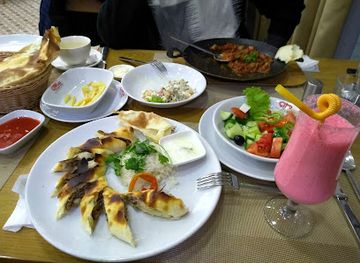
Eating in Rasht Valley is generally an informal, local affair, centred on homes, small cafés, teahouses, guesthouses and roadside establishments rather than destination restaurants. Meals commonly draw on Tajik and wider Central Asian traditions: fresh bread, rice dishes, soups, dumplings, grilled meat, dairy products, potatoes and seasonal vegetables. Orchards and household gardens contribute apples, apricots, grapes and other fruit, while nuts and dried fruit are useful provisions for journeys. Green tea, black tea and bread are important elements of hospitality, and hosts may serve more food than visitors expect. In Gharm and other district centres, travellers can usually find simple meals and market produce, but choice narrows in villages and high valleys. Guesthouses may be the most reliable source of a substantial evening meal, especially when travelling with a driver or guide. Carry snacks and water for long road sections, and ask about availability before assuming that a menu or a particular dish will be offered.
-
Turkish
Çıtır Usta
Experience authentic Turkish cuisine at Çıtır Usta in Dushanbe - where every meal tells a story.
-
Turkish
Merve Restaurant
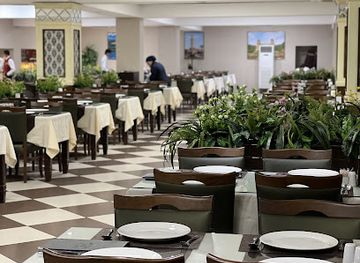
Experience the rich flavors of Turkey at Merve Restaurant in Dushanbe—where every meal is a celebration.
-
Turkish
Iskender
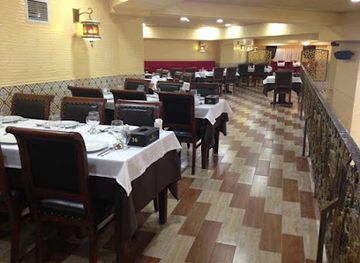
Discover authentic Turkish cuisine at Iskender in Dushanbe – where flavors meet hospitality in every dish.
-
Restaurant
Rohat Teahouse
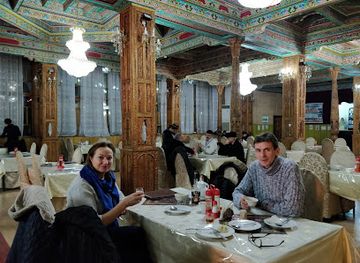
Discover authentic Tajik cuisine at Rohat Teahouse in Dushanbe – where tradition meets flavor in a serene setting.
Best bars in Rasht Valley
Rasht Valley does not have a significant nightclub scene, and evening life is concentrated around family homes, teahouses, small cafés and the main streets of towns such as Gharm. Socialising commonly follows the rhythm of tea, conversation and meals rather than late-night entertainment. Alcohol is not central to public life, and visitors should be discreet and respectful in a predominantly Muslim region. In rural districts, businesses may close early and there may be little to do after dark beyond sitting with a host, reading or observing the night landscape. Gharm offers the greatest likelihood of informal cafés and everyday evening activity, while Obi Garm, Tojikobod and Lakhsh are quieter and more dependent on guesthouses. Travellers seeking live music, cocktail bars or clubs will find a much broader choice in Dushanbe, outside the region, rather than in Rasht Valley itself.
-
Live music bar
Best Bar City
Discover Dushanbe's vibrant nightlife at Best Bar City, a premier live music venue offering unforgettable performances and a lively atmosphere.
-
Pub
Sim Sim Pub
Sim Sim Pub: A Lively Dushanbe Pub Offering Tasty Food, Refreshing Drinks, and a Social Atmosphere.
-
Bar
Segafredo
Discover Segafredo in Dushanbe, where exquisite coffee and cocktails meet a stylish ambiance for an unforgettable culinary experience.
-
Gastropub
28 Monkeys Gastropub
Experience the culinary artistry of 28 Monkeys Gastropub in Dushanbe, where local flavors meet international flair for an unforgettable dining experience.


Best nightclubs in Rasht Valley
Rasht Valley does not have a significant nightclub scene, and evening life is concentrated around family homes, teahouses, small cafés and the main streets of towns such as Gharm. Socialising commonly follows the rhythm of tea, conversation and meals rather than late-night entertainment. Alcohol is not central to public life, and visitors should be discreet and respectful in a predominantly Muslim region. In rural districts, businesses may close early and there may be little to do after dark beyond sitting with a host, reading or observing the night landscape. Gharm offers the greatest likelihood of informal cafés and everyday evening activity, while Obi Garm, Tojikobod and Lakhsh are quieter and more dependent on guesthouses. Travellers seeking live music, cocktail bars or clubs will find a much broader choice in Dushanbe, outside the region, rather than in Rasht Valley itself.
-
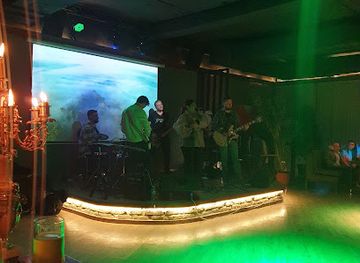
Live music bar
Best Bar City
Experience the best of Dushanbe's nightlife at the vibrant live music bar, where great drinks and unforgettable performances await.
-
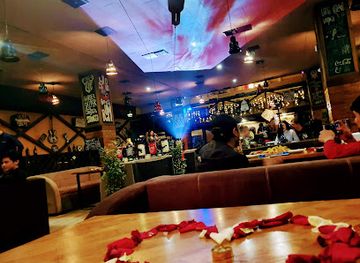
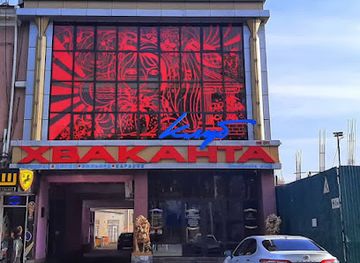
Night club
Khvakanta
Discover the vibrant nightlife at Khvakanta, Khujand's premier night club offering unforgettable music and a lively atmosphere.
-
Bar
ETNO PUB
Discover the vibrant nightlife of Dushanbe at ETNO PUB, where local flavors meet international drinks in a lively atmosphere.
-
Night club
Royal Club
Explore the vibrant nightlife of Dushanbe at Royal Club, where music, dance, and unforgettable memories await.

Best shops in Rasht Valley
Shopping in Rasht Valley is practical and locally focused. Gharm has the region's most useful bazaars and shops for bread, fruit, dried produce, household supplies, clothing and journey provisions, while smaller district centres offer more limited everyday retail. Market days and trading activity can vary, so travellers should not rely on finding a particular item in every settlement. Local produce may include dried fruit, nuts, honey, dairy products and seasonal orchard harvests, although packaging and transport suitability differ by vendor. Handicrafts are less systematically presented for tourists than in some established destinations, but textiles, embroidered items or small household crafts may occasionally be found through local contacts. Buying directly from a producer or market stall is usually more meaningful than seeking a formal souvenir shop, but ask permission before photographing goods or people. Visitors heading towards Lakhsh or remote valleys should purchase essentials in a larger town, since retail choice and cash facilities become increasingly limited.
-
Department store
Central Department Store
Explore the vibrant Central Department Store in Dushanbe, a shopping haven for tourists offering a mix of local crafts, fashion, and delicious cuisine.
-
Art gallery
Noor Art Gallery
Explore Noor Art Gallery in Dushanbe: A vibrant fusion of art and culture showcasing Tajikistan's creative spirit and unique souvenirs.
-
Shopping mall
Baylar Top
Explore Baylar Top in Karakendzha, Tajikistan – a vibrant shopping mall offering a unique mix of local and international brands in a welcoming atmosphere.
-
 Store
Magazini Afzalsho
Explore the charm of Magazini Afzalsho in Argankun, a unique store offering local crafts, delicacies, and cultural insights in Tajikistan.


Get your free copy of our complete guide to Rasht Valley, delivered straight to you.
Everything on this page, from attractions and restaurants to essentials and local phrases, in one PDF you can read offline, print or share.
Already have an account? Sign in
Your Rasht Valley guide is ready.
We'll send it to · Not you? Sign out

Getting your guide ready…
We are putting together a fresh copy of the Rasht Valley guide. This can take up to a minute.
This can take a few moments. If your browser asks, choose Allow so the download can start. You'll find the guide in your Downloads folder.
Nothing happened? Download it again
Sorry, the guide is taking longer than usual. Please try again in a minute, or get it by email instead.
Rasht Valley essentials
Currency and Payment
Safety
Emergency Situations
Do's and Don'ts
Local Tips
From Eve
Local phrases worth knowing
You don't need to get them perfect. A few words go a long way, and locals appreciate the effort.
Basics
| English | Local | Say it |
|---|---|---|
| Hello | Салом | [Salom] |
| Goodbye | Худо ҳофиз | [Khudo hofiz] |
| Yes | Бале | [Bale] |
| No | Не | [Ne] |
| Please/You're welcome | Лутфан/Хуш омадед | [Lutfan/Khush omaded] |
| Thank you | Ташаккур | [Tashakkur] |
| Excuse me/Sorry | Пеши ман/Маъзрат | [Pesh-i man/Mazrat] |
| How are you? | Шумо чӣ хелед? | [Shumo chi kheled?] |
| Fine. And you? | Хуб. Шумо? | [Khub. Shumo?] |
| Do you speak English? | Шумо забони англисиро медонед? | [Shumo zaboni anglisiro medoned?] |
| I don't understand | Ман намефаҳмам | [Man namefahmam] |
Eating & Drinking
| English | Local | Say it |
|---|---|---|
| I'd like to see the menu, please | Ман менюро мебинам, лутфан | [Man menyuro mebinam, lutfan] |
| I don't eat meat | Ман гушт намехӯрам | [Man gusht namekhuram] |
| Cheers! | Саломат бошед! | [Salomat boshed!] |
| I would like to pay, please | Ман мехоҳам пардохт кунам, лутфан | [Man mekhaham pardokht kunam, lutfan] |
Emergencies
| English | Local | Say it |
|---|---|---|
| Help! | Кумак! | [Kumak!] |
| Go away! | Рафтан! | [Raftan!] |
| Call the Police! | Полисро занг занед! | [Polisro zang zaned!] |
| Call a doctor! | Докторро занг занед! | [Doktorro zang zaned!] |
| I'm lost | Ман гум шудаам | [Man gum shudaam] |
| I'm ill | Ман беморам | [Man bemoram] |
Shopping
| English | Local | Say it |
|---|---|---|
| I'd like to buy... | Ман мехоҳам харид кунам... | [Man mekhaham harid kunam...] |
| I'm just looking | Ман фақат дидан мекунам | [Man faqat didan mekunam] |
| How much is it? | Ин чанд пул аст? | [In chand pul ast?] |
| That's too expensive | Ин хеле гарон аст | [In kheli garon ast] |
| Can you lower the price? | Шумо метавонед нархро поин баред? | [Shumo metonid narxro po'in bared?] |
Time & Numbers
| English | Local | Say it |
|---|---|---|
| What time is it? | Саът чанд аст? | [Sa'at chand ast?] |
| It's one o'clock | Саът як аст | [Sa'at yak ast] |
| Half past (10) | Ним (10) | [Nim (10)] |
| Morning | Субҳ | [Subh] |
| Afternoon | После обед | [Posle obed] |
| Evening | Шаб | [Shab] |
| Yesterday | Дирӯз | [Diruz] |
| Today | Имрӯз | [Imruz] |
| Tomorrow | Фардо | [Fardo] |
| 1 | 1 | [1] |
| 2 | 2 | [2] |
| 3 | 3 | [3] |
| 4 | 4 | [4] |
| 5 | 5 | [5] |
| 6 | 6 | [6] |
| 7 | 7 | [7] |
| 8 | 8 | [8] |
| 9 | 9 | [9] |
| 10 | 10 | [10] |
Transport & Directions
| English | Local | Say it |
|---|---|---|
| Where's a/the...? | Кудаи ...? | [Kudai ...?] |
| What's the address? | Суроғаи куҷо аст? | [Surogai kujo ast?] |
| Can you show me (on the map)? | Шумо метавонид маро нишон диҳед (дар харита)? | [Shumo metvonid maro nishon dihed (dar kharita)?] |
| When's the next (bus)? | Ки автобуси паси меояд? | [Ki avtobusi pasi meoyad?] |
| A ticket (to ....) | Як билет (ба ....) | [Yak tiket (ba ....)] |
History of Rasht Valley
Mountain corridors and pre-modern settlement
The Rasht Valley's rivers and passes connected settled communities in central Tajikistan with the Ferghana basin and routes leading towards the eastern highlands. Its geography encouraged a mixture of agriculture in the lower valley, seasonal pastoralism in upland areas and local trade between communities. The valley was not a single political unit for most of its history, and authority shifted between regional rulers and larger states. Islamic culture gradually became central to community life, while the rugged terrain allowed village societies to retain strong local identities and distinctive patterns of land and water management.
The valley under regional Islamic states
From the medieval period onwards, the wider region was influenced by states and dynasties based in Central Asian centres, including the Samanid and later political formations associated with Bukhara and the Ferghana area. Direct control in the mountain districts was often less uniform than in the lowlands, but taxation, religious institutions, trade and political alliances linked the valley to wider Tajik and Central Asian history. The survival of agricultural settlements along the river corridors, together with routes over mountain passes, reflects this long relationship between local communities and larger regional powers.
Russian expansion and the Emirate of Bukhara
During the nineteenth century, Russian influence spread across Central Asia while the Emirate of Bukhara remained an important political authority in much of the region. The mountain districts east of Dushanbe were subsequently drawn into new systems of administration and transport. The transition brought changes in taxation, military organisation and governance, although older local structures and religious authority continued to shape everyday life. The valley's strategic position between western Tajikistan and the eastern mountains made it significant not because it was heavily urbanised, but because roads and passes connected otherwise difficult terrain.
Soviet transformation, 1920s–1980s
Soviet rule altered Rasht Valley through new district administrations, collectivised agriculture, literacy programmes, schools and state-controlled economic planning. Farming was reorganised, roads and communications improved, and settlements became more closely integrated into the Tajik Soviet Socialist Republic. These changes also disrupted older landholding patterns and moved people into new institutional and economic relationships. Gharm and neighbouring districts became part of the Soviet developmental landscape while retaining a predominantly rural character. The present pattern of cultivated valley floors, irrigated plots and dispersed settlements owes much to this period.
The Tajik Civil War, 1992–1997
Rasht Valley was one of the principal areas affected by Tajikistan's civil war. The conflict followed independence and involved government forces, opposition groups and changing local alliances. Fighting, insecurity and displacement damaged communities and interrupted transport and economic life. The valley was particularly associated with opposition activity, and clashes continued in some districts after the formal peace agreement. The war remains a sensitive subject; visitors should avoid treating it as a tourist spectacle or pressing residents for personal accounts. Post-war stability and reconstruction have gradually restored transport and public services.
Post-war roads, migration and regional connection
Since the late 1990s, the valley has been shaped by reconstruction, road improvements, labour migration and closer integration with the rest of Tajikistan. Tunnels and upgraded sections on the Dushanbe–eastern Tajikistan routes have reduced some major obstacles, although the journey remains vulnerable to weather and geological conditions. Remittances from migrants have influenced household economies, while farming, local trade and public-sector employment remain important. Rasht Valley is now both a lived-in rural region and a corridor for travellers continuing towards Lakhsh and the Pamir areas, rather than a conventional resort destination.
Rasht Valley in Photos
Browse through our photo collection highlighting the charm and character of the destination.
Neighbouring regions of Rasht Valley
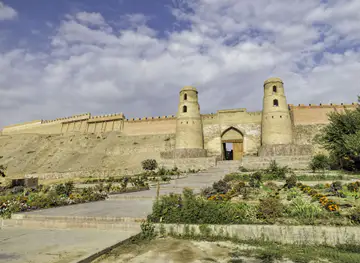
The closest regions to Rasht Valley, if you have time for more than one.
-

-

-

-

-


Swipe for more regions
Explore more

Explore more of Tajikistan
Discover Tajikistan: A land of majestic mountains, ancient history, and warm hospitality. Ideal for adventure seekers and culture enthusiasts alike.
Explore Tajikistan