

Free Khatlon Region Travel Guide & Mobile App
Explore Khatlon Region with free travel guides. Discover regional history, expert tips, proposed trips, and audio guides on web or mobile app.


Explore Khatlon Region for ancient Bactrian ruins, medieval fortresses, warm valleys, mountain scenery and Tajikistan's southern cultural landscapes.
Read more about Khatlon Region
When is the best time to visit Khatlon Region?
Best: April–May, October · 21–27°C| Month | High (°C) | Rainfall (mm) |
|---|---|---|
| January | 8 | 40 |
| February | 11 | 35 |
| March | 17 | 30 |
| April (best) | 22 | 25 |
| May (best) | 27 | 20 |
| June | 33 | 10 |
| July | 36 | 5 |
| August | 35 | 5 |
| September | 30 | 10 |
| October (best) | 21 | 20 |
| November | 14 | 30 |
| December | 9 | 35 |
Getting to and around Khatlon Region
How to get there
Transportation
Top city travel guides in Khatlon Region
The cities of Khatlon Region, and the easiest places to base yourself.
-

-

-


Swipe for more cities
Destinations in Khatlon Region
Resorts, valleys and scenic spots worth a trip of their own.
-

-

-


Swipe for more destinations
Best attractions in Khatlon Region
Khatlon's attractions are spread across a large, varied region rather than concentrated in one visitor circuit. Archaeology is central: Takhti Sangin presents the remains of a Hellenistic and later settlement beside the Vakhsh-Panj river system, while Hulbuk offers the excavated remains of a medieval Khuttal capital near Vose. The regional museums in Bokhtar and Kulob provide useful context for these sites and for the area's agricultural and political history. Around Nurek, roads and viewpoints reveal the immense reservoir and mountain terrain created by the hydroelectric project, although access to operational infrastructure is controlled. Rural excursions lead through orchards, irrigated fields and market towns, while the eastern and southern districts offer mountain scenery and access to less developed landscapes. Springs such as Chiluchor Chashma near Shahrituz are locally important recreational and cultural places. Outdoor activity is best arranged with local advice: walking, scenic drives and village visits are more realistic than a fully marked network of tourist trails, and borderland or protected areas may require permission.
-
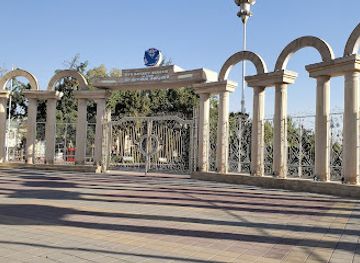
Park
Firdavsi Park
Explore Firdavsi Park in Dushanbe, a serene urban oasis filled with lush greenery, cultural monuments, and recreational activities for all ages.
-
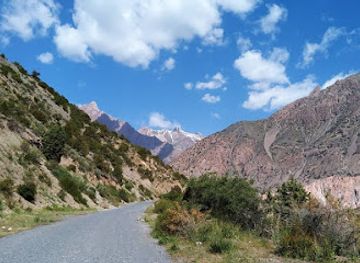
Lake
Iskanderkul
Discover the breathtaking beauty of Iskanderkul Lake, a serene natural paradise nestled in Tajikistan’s majestic mountains.
-
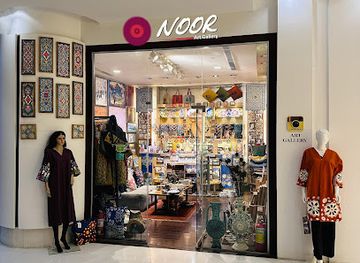
Art gallery
Noor Art Gallery
Explore Noor Art Gallery in Dushanbe, a vibrant hub of local art and unique souvenirs reflecting Tajikistan's rich cultural heritage.
-
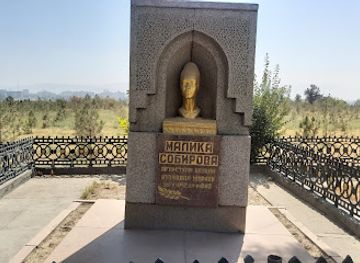
Memorial park
Luchob Memorial Park
Explore the tranquility of Luchob Memorial Park, a serene tribute in Dushanbe, Tajikistan, offering scenic beauty and historical insights.
Best landmarks in Khatlon Region
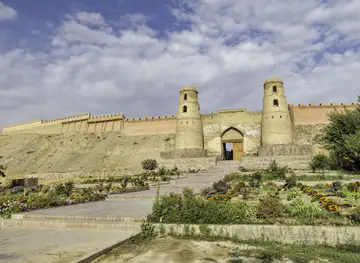
Hulbuk Fortress and its associated palace complex near Vose are Khatlon's defining medieval landmarks. The excavated walls, courtyards and carved architectural details belong to the historic centre of Khuttal and provide an unusually tangible view of Islamic urban life in the region. Far older is Takhti Sangin, an archaeological landmark near the Vakhsh-Panj confluence whose temple and settlement remains testify to the cultural connections of ancient Bactria. The Nurek Dam and reservoir form a powerful modern landmark in the region's mountain landscape, representing the Soviet-era transformation of water, energy and agriculture; visitors must respect restricted areas around the facility. In Kulob, the Mir Sayyid Ali Hamadani mausoleum is an important religious and architectural point of reference associated with the venerated fourteenth-century scholar and mystic. The broad Panj and Vakhsh river landscapes are landmarks in their own right, marking historic routes and forming dramatic geographical boundaries, though access near the frontier should always be checked locally.
-
Park
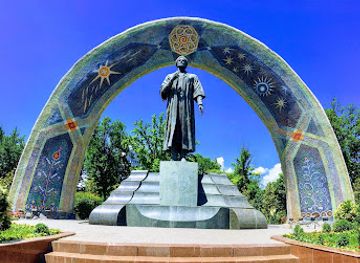
Rudaki Park
Discover the beauty of Rudaki Park, Dushanbe's lush urban oasis with stunning landscapes and cultural significance, perfect for relaxation and exploration.
-
Market
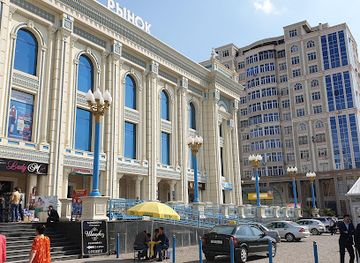
Mehrgon Market
Discover the heart of Dushanbe at Mehrgon Market, where vibrant stalls, local delicacies, and authentic Tajik culture come alive.
-
Cultural center
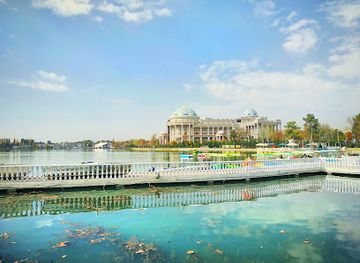
Navruz Palace
Experience the architectural beauty and rich cultural heritage of Tajikistan at Navruz Palace, a premier cultural center in Dushanbe.
-
Opera house
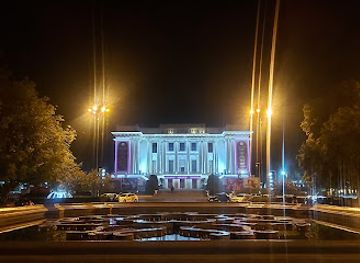
Ayni Opera House
Discover the Ayni Opera House in Dushanbe, a stunning architectural masterpiece and cultural hub showcasing the best of Tajikistan's performing arts.
Explore Khatlon Region on the map
Plan your trip on one map. See where the top cities, national parks and sights are, and book hotels and experiences in a few clicks.
Best hotels in Khatlon Region
Best restaurants in Khatlon Region
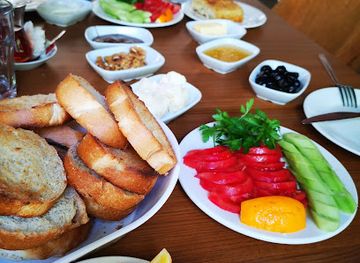
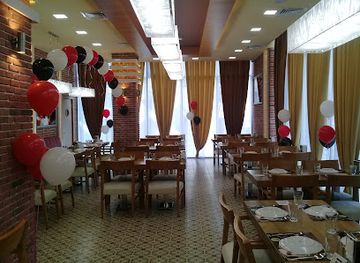
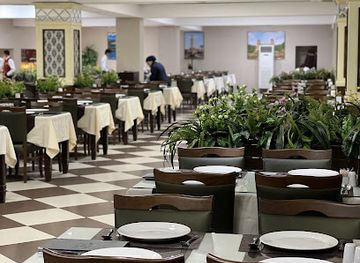
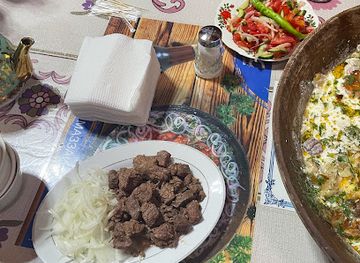
Khatlon's food reflects the agricultural abundance of southern Tajikistan and the wider culinary traditions of Central Asia. Bokhtar and Kulob offer the broadest choice of cafés, teahouses and family restaurants, where visitors may find plov, soups, grilled meat, mantu dumplings, laghman noodles, flatbreads and seasonal salads. In the countryside, meals are often based on rice, bread, dairy products, legumes, fruit and locally raised meat, with generous use of herbs and produce from irrigated gardens. Watermelons, melons, grapes and other fruit are important seasonal products in the warm valleys. Teahouses are practical places for a simple meal and conversation, while roadside stops may serve freshly baked bread and kebabs rather than extensive menus. Visitors staying with families or travelling with a local guide may encounter home-cooked osh, qurut-based dishes or regional variations that differ from one district to another. Alcohol is less central than tea, and restaurants may have limited opening hours outside the main towns.
-
Turkish
Merve Cafe
Experience authentic Turkish cuisine at Merve Cafe in Dushanbe – where tradition meets taste in every dish.
-
Turkish
Çıtır Usta
Discover authentic Turkish flavors at Çıtır Usta in Dushanbe—where every meal feels like a journey to Turkey.
-
Turkish
Merve Restaurant
Discover Merve Restaurant in Dushanbe for an unforgettable taste of authentic Turkish cuisine amidst vibrant local culture.
-
Restaurant
Olim Qurutob
Experience authentic Tajik cuisine at Olim Qurutob in Dushanbe—home to delicious qurutob and welcoming atmosphere.
Best bars in Khatlon Region
Khatlon is not primarily a nightlife destination. Evening life is centred on family restaurants, teahouses, cafés and public squares in Bokhtar and Kulob, with a quieter rhythm in smaller towns and villages. Some establishments serve beer or spirits, but alcohol is not necessary to participate in the region's social life, and visitors should follow local expectations around modest behaviour. In the larger towns, restaurants may remain active into the evening and occasional cultural performances or celebrations provide entertainment, although schedules are not always published for international visitors. Outside the urban centres, evenings are generally spent at home, in guesthouses or around family meals. Travellers heading into rural Khatlon should arrange dinner and accommodation before late afternoon, since choices become sparse after dark and transport between settlements is limited.
-
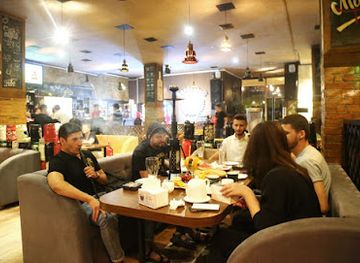
Live music bar
Best Bar City
Discover Dushanbe's nightlife at Best Bar City, a live music bar offering great entertainment, delicious drinks, and an unforgettable atmosphere.
-
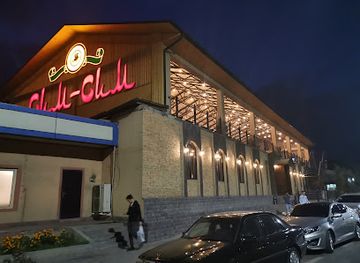
Pub
Sim Sim Pub
Experience Dushanbe's vibrant nightlife at Sim Sim Pub, a perfect blend of delicious food, live sports, and local culture.
-
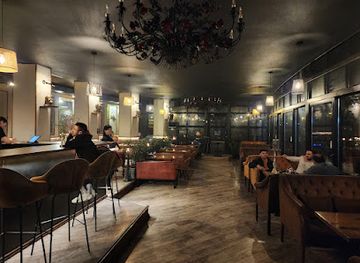
Gastropub
28 Monkeys Gastropub
Experience the fusion of local and international cuisine at 28 Monkeys Gastropub in Dushanbe, where every meal is a flavorful adventure.
-
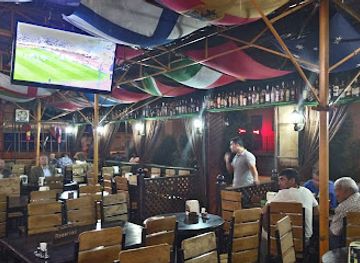
Bar
Public Pub
Discover the lively ambiance and local flavors at Public Pub, your go-to spot in Dushanbe for drinks, dining, and culture.
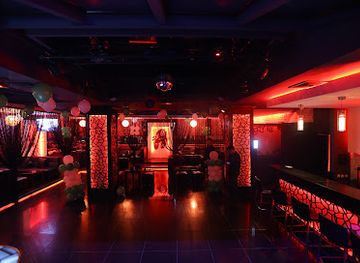
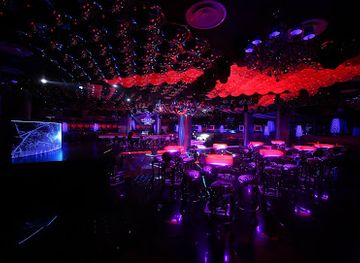
Best nightclubs in Khatlon Region
Khatlon is not primarily a nightlife destination. Evening life is centred on family restaurants, teahouses, cafés and public squares in Bokhtar and Kulob, with a quieter rhythm in smaller towns and villages. Some establishments serve beer or spirits, but alcohol is not necessary to participate in the region's social life, and visitors should follow local expectations around modest behaviour. In the larger towns, restaurants may remain active into the evening and occasional cultural performances or celebrations provide entertainment, although schedules are not always published for international visitors. Outside the urban centres, evenings are generally spent at home, in guesthouses or around family meals. Travellers heading into rural Khatlon should arrange dinner and accommodation before late afternoon, since choices become sparse after dark and transport between settlements is limited.
-
Live music bar
Best Bar City
Discover Dushanbe's nightlife at Best Bar City, where live music meets vibrant energy in the heart of Tajikistan's capital.
-
Karaoke bar
Tokyo
Discover the heart of Tokyo's nightlife with exciting karaoke experiences, vibrant atmospheres, and unforgettable memories.
-
Bar
ETNO PUB
Experience the vibrant nightlife of Dushanbe at ETNO PUB, a cultural hub with a diverse drink selection and lively atmosphere.
-
Night club
Royal Club
Discover the electrifying nightlife of Dushanbe at Royal Club, where music, dance, and culture collide for an unforgettable experience.


Best shops in Khatlon Region
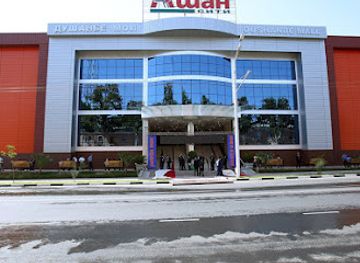
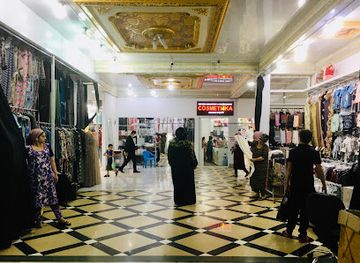
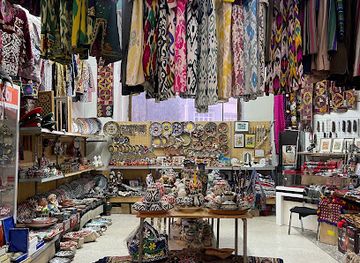
Shopping in Khatlon is practical and local rather than centred on large retail districts. Bokhtar and Kulob have the widest selection of markets, small shops and produce stalls, while market towns and villages are useful for seasonal fruit, vegetables, bread, dried foods and household goods. Visitors may find Tajik textiles, embroidered items, woollen products, ceramics and small handicrafts, but quality and availability vary, so purchases are best made from established market stalls or directly from recognised craftspeople. Regional food products make useful souvenirs: dried fruit, nuts, honey, spices and packaged tea travel more easily than fresh produce. Traditional bazaars are lively social and commercial spaces, but prices may require polite negotiation and cash is normally essential. Do not photograph sellers or their goods without permission, and check customs rules before taking archaeological-looking objects, antiques, protected materials or substantial quantities of food out of Tajikistan.
-
Shopping mall
Dushanbe Mall
Discover Dushanbe Mall: A vibrant shopping hub in Tajikistan's capital with diverse shops, dining, and entertainment options for every visitor.
-
Shopping mall
Sadbarg Trade Center
Experience the best of Dushanbe shopping at Sadbarg Trade Center, with diverse stores, eateries, and a vibrant atmosphere for all visitors.
-
Department store
Central Department Store
Explore the Central Department Store in Dushanbe for a blend of shopping, culture, and delightful local cuisine.
-
Shopping mall
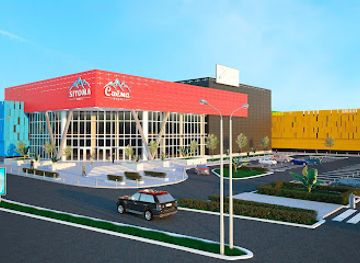
Siyoma Mall
Explore Siyoma Mall in Dushanbe, a vibrant shopping destination offering a blend of local culture and modern retail experiences.
Get your free copy of our complete guide to Khatlon Region, delivered straight to you.
Everything on this page, from attractions and restaurants to essentials and local phrases, in one PDF you can read offline, print or share.
Already have an account? Sign in
Your Khatlon Region guide is ready.
We'll send it to · Not you? Sign out

Getting your guide ready…
We are putting together a fresh copy of the Khatlon Region guide. This can take up to a minute.
This can take a few moments. If your browser asks, choose Allow so the download can start. You'll find the guide in your Downloads folder.
Nothing happened? Download it again
Sorry, the guide is taking longer than usual. Please try again in a minute, or get it by email instead.
Khatlon Region essentials
Currency and Payment
Safety
Emergency Situations
Do's and Don'ts
Local Tips
From Eve
Local phrases worth knowing
You don't need to get them perfect. A few words go a long way, and locals appreciate the effort.
Basics
| English | Local | Say it |
|---|---|---|
| Hello | Салом | [Salom] |
| Goodbye | Худо ҳоҷи | [Khudo hoji] |
| Yes | Ҳа | [Ha] |
| No | Не | [Ne] |
| Please/You're welcome | Лутфан/Хуш омадед | [Lutfan/Khush omaded] |
| Thank you | Ташаккур | [Tashakkur] |
| Excuse me/Sorry | Бубахшед/Маъзрат | [Bubakhshid/Mazrat] |
| How are you? | Шумо чӣ хелед? | [Shumo chi khele?] |
| Fine. And you? | Хуб. Шумо чӣ хелед? | [Khub. Shumo chi khele?] |
| Do you speak English? | Шумо дарсҳои англисӣ мекунед? | [Shumo darshoi anglisi mekunded?] |
| I don't understand | Ман намефаҳмам | [Man namefahmam] |
Eating & Drinking
| English | Local | Say it |
|---|---|---|
| I'd like to see the menu, please | Ман мехоҳам менюро бинам, лутфан | [Man mekhoham menyuro binam, lutfan] |
| I don't eat meat | Ман гушт намехӯрам | [Man gusht namekhuram] |
| Cheers! | Саломат бошед! | [Salomat boshed!] |
| I would like to pay, please | Ман мехоҳам пардохт кунам, лутфан | [Man mekhoham pardoht kunam, lutfan] |
Emergencies
| English | Local | Say it |
|---|---|---|
| Help! | Ёрӣ! | [Yori!] |
| Go away! | Берафтан! | [Berafitan!] |
| Call the Police! | Пулисро даъват кунед! | [Pulizro davat kunid!] |
| Call a doctor! | Доктор даъват кунед! | [Doktor davat kunid!] |
| I'm lost | Ман гум шудаам | [Man gum shudaam] |
| I'm ill | Ман бемор ҳастам | [Man bemor hastam] |
Shopping
| English | Local | Say it |
|---|---|---|
| I'd like to buy... | Ман мехоҳам ... бихарам | [Man mekhoham ... bikharam] |
| I'm just looking | Ман фақат нигоҳ мекунам | [Man faqat nigoh mekunam] |
| How much is it? | Ин чанд пул аст? | [In chand pul ast?] |
| That's too expensive | Ин хеле гарон аст | [In kheli garon ast] |
| Can you lower the price? | Шумо метавонед нархро поён кунед? | [Shumo metonid narxro poyon kunid?] |
Time & Numbers
| English | Local | Say it |
|---|---|---|
| What time is it? | Собиқ куҷост? | [Sobiq kujast?] |
| It's one o'clock | Як соат аст | [Yak soat ast] |
| Half past (10) | Ним соати (10) | [Nim soati (10)] |
| Morning | Субҳ | [Subh] |
| Afternoon | Баъд аз зуҳр | [Ba'd az zuhr] |
| Evening | Шом | [Shom] |
| Yesterday | Дирӯз | [Diruz] |
| Today | Имрӯз | [Imruz] |
| Tomorrow | Фардо | [Fardo] |
| 1 | 1 | [1] |
| 2 | 2 | [2] |
| 3 | 3 | [3] |
| 4 | 4 | [4] |
| 5 | 5 | [5] |
| 6 | 6 | [6] |
| 7 | 7 | [7] |
| 8 | 8 | [8] |
| 9 | 9 | [9] |
| 10 | 10 | [10] |
Transport & Directions
| English | Local | Say it |
|---|---|---|
| Where's a/the...? | Куҷо ... аст? | [Kujо ... ast?] |
| What's the address? | Суроға чӣ аст? | [Suroga chi ast?] |
| Can you show me (on the map)? | Шумо метавонид маро нишон диҳед (дар харита)? | [Shumo metvonid maro nishon dihed (dar xarita)?] |
| When's the next (bus)? | Ки автобуси навбатӣ аст? | [Ki avtobusi navbatii ast?] |
| A ticket (to ....) | Як чипта (ба ....) | [Yak chipta (ba ....)] |
History of Khatlon Region
Ancient Bactria and Takhti Sangin
The lands around the Vakhsh and Panj formed part of the wider cultural world of ancient Bactria, a region shaped by Iranian traditions and later Hellenistic influence after the campaigns of Alexander the Great. Takhti Sangin, near the river confluence in southern Khatlon, was a substantial archaeological settlement with a celebrated temple complex often associated with the Oxus Treasure. Its finds illustrate the movement of artistic styles, religious ideas and luxury goods across Central Asia. The site is one of the clearest reminders that Khatlon stood on an international cultural frontier long before the modern borders of Tajikistan.
Kushan and Successive Central Asian Kingdoms
From the first centuries BCE into the early centuries CE, Khatlon lay within the sphere of kingdoms that connected Bactria with northern India, eastern Iran and the wider Silk Road. The Kushan period brought urban development, coinage, religious exchange and the circulation of Buddhist, Iranian and Hellenistic artistic traditions. Later centuries saw the area influenced by Sogdian, Hephthalite and Islamic powers. Although much of the early settlement landscape survives as archaeological remains rather than standing monuments, the region's river valleys continued to support farming communities and long-distance movement.
Medieval Khuttal and Hulbuk
During the medieval period, much of present-day southern Tajikistan was known as Khuttal, a principality occupying a strategic position between the Oxus and the mountain routes. Hulbuk, near modern Vose, served as an important political and urban centre. Its excavated palace and fortified remains reveal sophisticated decoration, craft production and administrative organisation under Islamic rule. Khuttal was connected to the Samanid and later regional political worlds, while its agricultural valleys supplied towns and supported trade. Hulbuk remains the region's most important surviving medieval architectural complex.
Islamic Scholarship and Regional Trade
From the medieval Islamic period onwards, Khatlon's towns and valleys were linked to wider networks of religious learning, commerce and seasonal movement. Mosques, shrines, fortified settlements and market centres developed alongside irrigated agriculture. Kulob gained particular prominence as a historic centre in eastern Khatlon, while river crossings towards Afghanistan gave the southern districts strategic importance. The region's cultural life was shaped by Persianate literary traditions, Islamic practice and local farming communities, with influences arriving from both the northern Central Asian plains and the lands south of the Panj.
Russian and Soviet Transformation
Russian imperial expansion brought the region into a new political framework in the late nineteenth century, followed after the revolution by Soviet rule and the creation of Tajik administrative structures. Soviet planners invested heavily in irrigation, cotton cultivation, roads, collective farming and hydroelectric power. The Vakhsh valley was reshaped by canals and reservoirs, while construction of the Nurek Dam became a major engineering project. These changes expanded agricultural production and urban infrastructure but also tied local livelihoods closely to centrally planned systems and water management.
Independence and the Tajik Civil War
Khatlon was deeply affected by the conflict that followed Tajikistan's independence in 1991. Southern districts experienced fighting, displacement and disruption, and the region became central to the country's difficult political transition. The peace agreement of 1997 began a process of reconciliation and reconstruction, although the social and economic effects of the war remained significant. Contemporary Khatlon combines rapidly developing towns and major agricultural zones with remote communities whose access to services and transport is more limited.
Khatlon Region in Photos
Browse through our photo collection highlighting the charm and character of the destination.
Neighbouring regions of Khatlon Region
The closest regions to Khatlon Region, if you have time for more than one.
-
-

-

-

-


Swipe for more regions
Explore more

Explore more of Tajikistan
Discover Tajikistan: A land of majestic mountains, ancient history, and warm hospitality. Ideal for adventure seekers and culture enthusiasts alike.
Explore Tajikistan