

Shirkent National Park Travel Guide - Free Web & App
Your ultimate guide to Shirkent National Park. Discover top landmarks, proposed trips, and local tips. Free on the web or via the Evendo companion app.


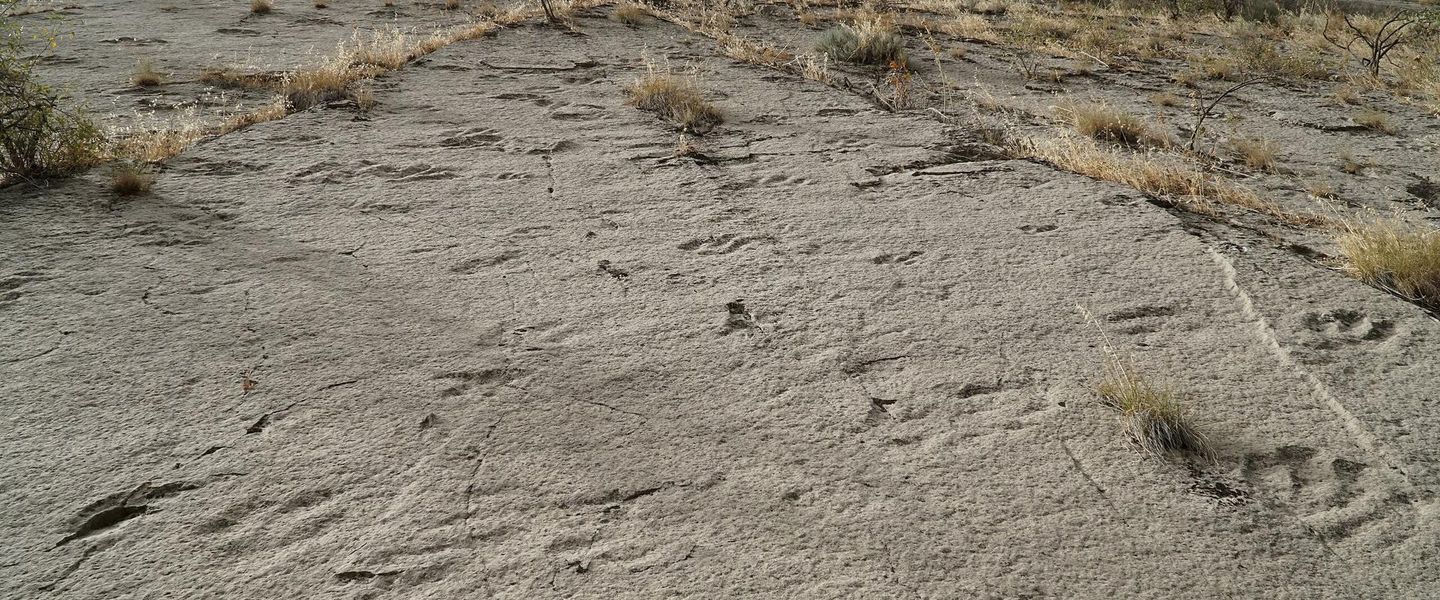


Shirkent National Park in Tajikistan combines Hissar mountain scenery, dinosaur footprints, fossil sites and quiet valley walks near Tursunzoda and Dushanbe.
A Mountain Park in Western Tajikistan
Shirkent National Park occupies the Shirkent valley in the western Hissar Range of Tajikistan, close to the town of Tursunzoda and within reach of Dushanbe by road. The park is best understood as a rugged historical and natural landscape rather than a developed resort. Its valleys rise towards dry mountain slopes and higher alpine terrain, while streams, open hillsides and pockets of vegetation create a varied setting in an area where the transition from settled lowlands to the mountains is clearly visible.Read more about Shirkent National Park
Fossils, Footprints and Ancient Landscapes
Exploring a Remote Protected Area
When is the best time to visit Shirkent National Park?
Best: May–June, September · 21–26°C| Month | High (°C) | Rainfall (mm) |
|---|---|---|
| January | 1 | 9 |
| February | 2 | 8 |
| March | 7 | 6 |
| April | 16 | 5 |
| May (best) | 21 | 3 |
| June (best) | 26 | 2 |
| July | 30 | 2 |
| August | 29 | 2 |
| September (best) | 23 | 4 |
| October | 16 | 5 |
| November | 8 | 8 |
| December | 2 | 9 |
Getting to and around Shirkent National Park
How to get there
Transportation
Explore Shirkent National Park on the map
Plan your trip on one map. See where the top attractions, landmarks, restaurants and hotels are, and book hotels and experiences in a few clicks.
Best hotels in Shirkent National Park
Best bars in Shirkent National Park
Shirkent National Park has no nightlife infrastructure, and evenings in the valley are defined by darkness, mountain quiet and the practical limits of rural travel rather than bars or clubs. The most likely evening options are a meal and tea in Tursunzoda or at accommodation arranged outside the park, while Dushanbe has Tajik restaurants, cafés and a broader selection of established evening venues. Visitors staying in rural surroundings should not expect late transport, continuous entertainment or a choice of licensed establishments. Alcohol may not be central to local hospitality, and respectful behaviour is important when visiting family homes or conservative communities. Any cultural performance or seasonal local event should be treated as an occasional possibility requiring local confirmation, not as a permanent feature of the park.
Best nightclubs in Shirkent National Park
Shirkent National Park has no nightlife infrastructure, and evenings in the valley are defined by darkness, mountain quiet and the practical limits of rural travel rather than bars or clubs. The most likely evening options are a meal and tea in Tursunzoda or at accommodation arranged outside the park, while Dushanbe has Tajik restaurants, cafés and a broader selection of established evening venues. Visitors staying in rural surroundings should not expect late transport, continuous entertainment or a choice of licensed establishments. Alcohol may not be central to local hospitality, and respectful behaviour is important when visiting family homes or conservative communities. Any cultural performance or seasonal local event should be treated as an occasional possibility requiring local confirmation, not as a permanent feature of the park.
-
Nature preserve
Shirkent National Park
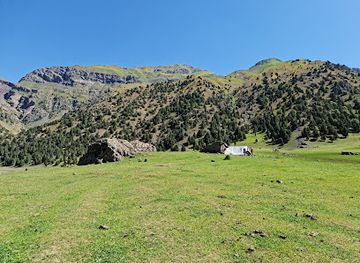
Discover the breathtaking beauty and rich biodiversity of Shirkent National Park, Tajikistan's premier nature preserve, ideal for outdoor adventures.
-
 Pool hall
Tolori Sakobozy
Discover the vibrant atmosphere of Tolori Sakobozy, a premier pool hall in Abdu, Tajikistan, perfect for relaxation and socializing.
Best shops in Shirkent National Park
Shopping within Shirkent National Park is effectively limited to what visitors bring with them, and there are no established craft quarters or retail facilities in the protected valley. Tursunzoda is the nearest practical place for food, water, basic travel supplies and locally produced goods, while Dushanbe offers a much wider selection of Tajik handicrafts, textiles, ceramics, dried fruit and regional food products. Visitors may encounter small shops or informal roadside selling in settlements near the approach, but stock and opening arrangements should not be assumed. Fossils, dinosaur fragments and unusual stones should never be purchased or removed from the park, since collecting damages scientific heritage and may breach conservation requirements. Any local produce or handmade item bought from a community should be purchased respectfully and carried out without adding pressure to protected sites.
-
Nature preserve
Shirkent National Park
Explore the breathtaking landscapes and rich biodiversity of Shirkent National Park, a natural paradise in Tajikistan for outdoor enthusiasts and nature lovers.
-
Shopping mall
Supermarket Rakhimdzhon
Discover local flavors and unique finds at Supermarket Rakhimdzhon, a vibrant shopping destination in Tajikistan's bustling heart.
-
Store
Shop Daler
Discover the essence of Tajikistan at Shop Daler: a treasure trove of handcrafted goods in Tuda, perfect for unique souvenirs.
-
Store
Magazin Numon
Explore the vibrant cultural heritage at Magazin Numon, Shahrinav's go-to spot for authentic Tajik crafts and souvenirs.

Get your free copy of our complete guide to Shirkent National Park, delivered straight to you.
Everything on this page, from attractions and restaurants to essentials and local phrases, in one PDF you can read offline, print or share.
Already have an account? Sign in
Your Shirkent National Park guide is ready.
We'll send it to · Not you? Sign out

Getting your guide ready…
We are putting together a fresh copy of the Shirkent National Park guide. This can take up to a minute.
This can take a few moments. If your browser asks, choose Allow so the download can start. You'll find the guide in your Downloads folder.
Nothing happened? Download it again
Sorry, the guide is taking longer than usual. Please try again in a minute, or get it by email instead.
Shirkent National Park essentials
Currency and Payment
Safety
Emergency Situations
Do's and Don'ts
Local Tips
From Eve
Local phrases worth knowing
You don't need to get them perfect. A few words go a long way, and locals appreciate the effort.
Basics
| English | Local | Say it |
|---|---|---|
| Hello | Салом | [Salam] |
| Goodbye | Хайр | [Khayr] |
| Yes | Ҳа | [Ha] |
| No | Не | [Ne] |
| Please/You're welcome | Лутфан | [Lutfan] |
| Thank you | Рахмат | [Rahmat] |
| Excuse me/Sorry | Маъзарат | [Ma'zarat] |
| How are you? | Шумо четор ҳастед? | [Shumo chetor hasted?] |
| Fine. And you? | Хубам. Шумо? | [Khobam. Shumo?] |
| Do you speak English? | Шумо англисиро гап мезанед? | [Shumo anglisiro gap mezaned?] |
| I don't understand | Ман фаҳм намекунам | [Man fahm namekunam] |
Eating & Drinking
| English | Local | Say it |
|---|---|---|
| I'd like to see the menu, please | Лутфан менюро баргардонед | [Lutfan menyu-ro bargardoned] |
| I don't eat meat | Ман гӯшт хӯрӯш намекунам | [Man gusht khurush namekunam] |
| Cheers! | Ҳуш | [Hush] |
| I would like to pay, please | Лутфан мехоҳам адо кунам | [Lutfan mehoham ado kunam] |
Emergencies
| English | Local | Say it |
|---|---|---|
| Help! | Кумак! | [Kumak!] |
| Go away! | Дур шавед! | [Dur shaved!] |
| Call the Police! | Пулисро хоҳед занг задан | [Pulisro hohed zang zadan] |
| Call a doctor! | Духтурро хоҳед занг задан | [Dukturro hohed zang zadan] |
| I'm lost | Ман ҷоста шудам | [Man josta shudam] |
| I'm ill | Ман бемор ҳастам | [Man bemor hastam] |
Shopping
| English | Local | Say it |
|---|---|---|
| I'd like to buy... | Мехоҳам харид кунам... | [Mehoham kharid kunam...] |
| I'm just looking | Ман танҳо дидан мекунам | [Man tanho didan mekunam] |
| How much is it? | Қадар имконияти он ҳаст? | [Qadar imkoniati on hast?] |
| That's too expensive | Ан дарҷа ҳамиша қимат дорад | [An darja hamisha qimat dorad] |
| Can you lower the price? | Метавонед қиматро паст кунед? | [Metavoned qimatro past kuned?] |
Time & Numbers
| English | Local | Say it |
|---|---|---|
| What time is it? | Қандай соат аст? | [Qanday soat ast?] |
| It's one o'clock | Як соат | [Yak soat] |
| Half past (10) | Нима соат (даҳ) | [Nima soat (dah)] |
| Morning | Субҳ | [Subh] |
| Afternoon | Баъд аз зуҳр | [Ba'd az zuhr] |
| Evening | Шаб | [Shab] |
| Yesterday | Дирӯз | [Diruz] |
| Today | Имруз | [Imruz] |
| Tomorrow | Пагоҳ | [Pagoh] |
| 1 | Як | [Yak] |
| 2 | Ду | [Du] |
| 3 | Се | [Se] |
| 4 | Чор | [Chor] |
| 5 | Панҷ | [Panj] |
| 6 | Шаш | [Shash] |
| 7 | Ҳафт | [Haft] |
| 8 | ҳашт | [hasht] |
| 9 | нӯҳ | [nouh] |
| 10 | даҳ | [dah] |
Transport & Directions
| English | Local | Say it |
|---|---|---|
| Where's a/the...? | Ҳарқанд... кӣ, дар куҷост? | [Harqand... ki, dar ku'jost?] |
| What's the address? | Сурати манзил чист? | [Surati manzil chist?] |
| Can you show me (on the map)? | Метавонед манро (дар накша) нишон диҳед? | [Metavoned manro (dar naksha) nishon dihed?] |
| When's the next (bus)? | Кай гузарондагӣ (оҳани)? | [Kai guzarondag'i (ohani)?] |
| A ticket (to ....) | Билет (ба ....) | [Bilet (ba ....)] |
History of Shirkent National Park
Sedimentary Landscapes of Deep Time
The foundations of Shirkent's heritage are geological rather than human. Sedimentary rocks in the valley preserve traces of ancient environments, including dinosaur footprints that were formed millions of years before the emergence of human societies. Their survival reflects the later exposure of these rock layers through natural erosion and mountain uplift. The footprints are valuable not only as visitor attractions but also as evidence for scientific study of prehistoric animals and the landscapes they crossed. In Shirkent, geological history remains visible in the open terrain rather than being confined to a conventional collection.
Human Use of the Shirkent Valley
The wider Shirkent valley has long been connected with the settled and agricultural landscapes of western Tajikistan, while its upper reaches lead into a more sparsely inhabited mountain environment. Local communities have used valleys, slopes and watercourses according to the opportunities offered by the terrain, with movement between lowland settlements and mountain pastures forming part of the broader cultural geography of the Hissar region. The park's historical importance therefore includes the relationship between people and a difficult mountain environment, even though surviving evidence is less concentrated than at the palaeontological sites.
A Protected Historical and Natural Park
Shirkent was designated a national park in 1991, giving formal protection to its geological features, mountain landscapes and natural heritage during the first years of independent Tajikistan. The designation reflects the valley's unusual combination of scientific and scenic value: dinosaur tracks and other fossils sit within a living landscape of streams, slopes and upland habitats. Protection also places limits on careless collecting and unmanaged development, although the area remains lightly equipped for tourism. Conservation in Shirkent depends in part on local stewardship, responsible access and the continued recognition of fossil sites as irreplaceable heritage.
Modern Scientific and Visitor Interest
In the modern period, Shirkent has attracted attention from palaeontologists, geologists and travellers interested in the connection between Central Asian mountain scenery and prehistoric evidence. Visits tend to be exploratory rather than highly organised, with Tursunzoda serving as the principal nearby urban base and Dushanbe providing wider transport and travel services. The park's future visitor identity is closely linked to protecting its fossil localities while improving understanding of them without turning the valley into a heavily built-up attraction.
Shirkent National Park in Photos
Browse through our photo collection highlighting the charm and character of the destination.
Neighbouring destination travel guides
The closest destinations to Shirkent National Park, if you have time for more than one.
-

-

-

-

-


Swipe for more destinations
Explore more
Explore more of Hisor Valley
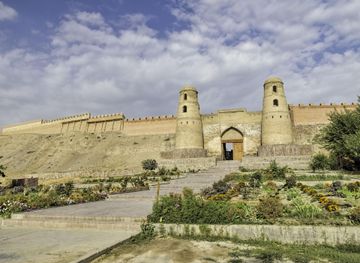
Explore Hisor Valley in Tajikistan for fortress history, orchard landscapes, rural culture and mountain views close to Dushanbe.
Explore Hisor Valley
Explore more of Tajikistan
Discover Tajikistan: A land of majestic mountains, ancient history, and warm hospitality. Ideal for adventure seekers and culture enthusiasts alike.
Explore Tajikistan