

Free Hisor Valley Travel Guide & Mobile App
Explore Hisor Valley with free travel guides. Discover regional history, expert tips, proposed trips, and audio guides on web or mobile app.


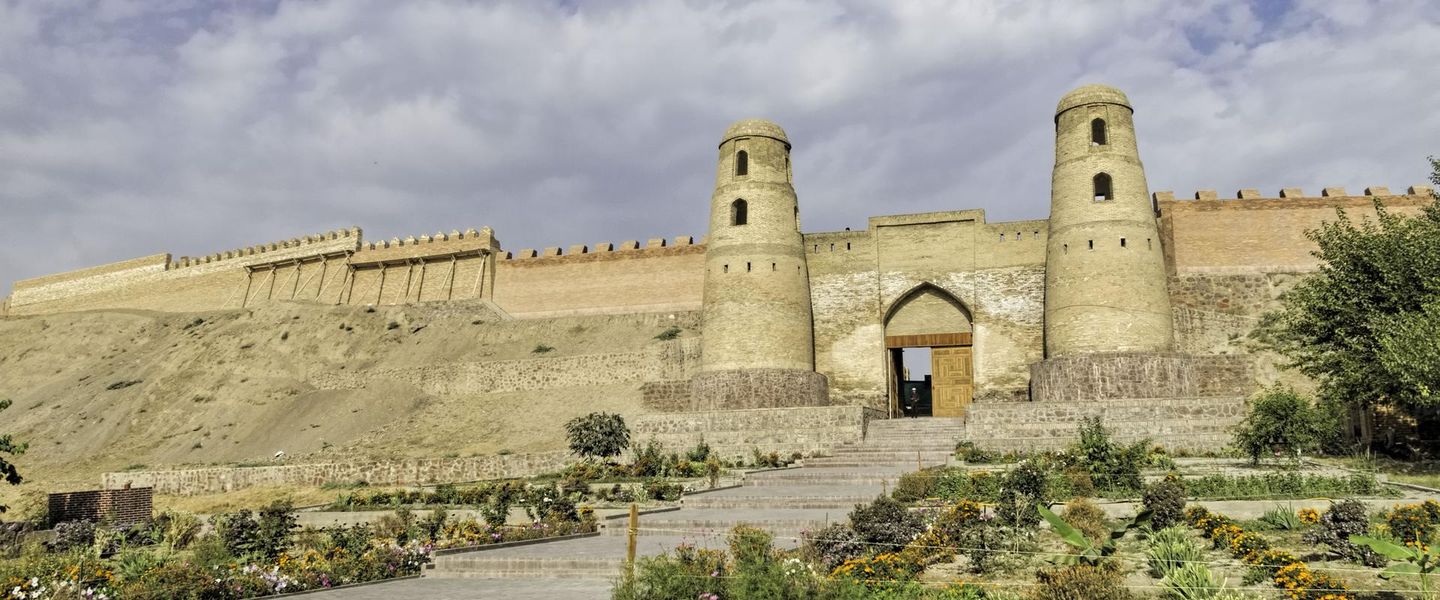


Explore Hisor Valley in Tajikistan for fortress history, orchard landscapes, rural culture and mountain views close to Dushanbe.
Read more about Hisor Valley
When is the best time to visit Hisor Valley?
Best: May–June, September · 25–30°C| Month | High (°C) | Rainfall (mm) |
|---|---|---|
| January | 6 | 35 |
| February | 10 | 30 |
| March | 15 | 25 |
| April | 20 | 20 |
| May (best) | 25 | 15 |
| June (best) | 30 | 10 |
| July | 32 | 3 |
| August | 31 | 3 |
| September (best) | 27 | 10 |
| October | 20 | 15 |
| November | 15 | 25 |
| December | 8 | 30 |
Getting to and around Hisor Valley
How to get there
Transportation
Top city travel guides in Hisor Valley
The cities of Hisor Valley, and the easiest places to base yourself.
-

-

-

-

-


Swipe for more cities
Destinations in Hisor Valley
Resorts, valleys and scenic spots worth a trip of their own.
-

-

-


Swipe for more destinations
Best attractions in Hisor Valley
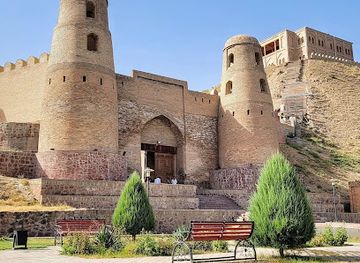
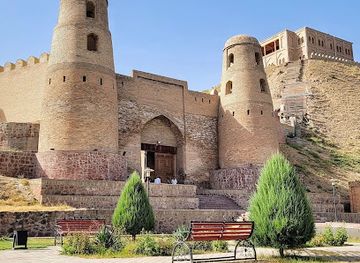
Hisor Fortress is the valley's principal historical attraction, with its imposing gateway, earthen defensive remains and nearby madrasa buildings providing an accessible introduction to the region's political and religious past. The surrounding Hisor Historical and Cultural Reserve includes a broader settled landscape of gardens, water channels and old buildings rather than a single isolated monument. In the western districts, the journey itself is part of the experience: cultivated fields, orchards, roadside markets and foothill villages reveal how irrigation and seasonal farming support local communities. Tursunzoda offers a contrasting view of the valley as an industrial and agricultural centre, while the Shahrinav area provides routes towards greener foothills and mountain scenery. Visitors interested in the outdoors can arrange walks or short excursions towards the Hissar and Karatag mountain areas, but should use local advice because tracks, river crossings and access conditions are variable. The region is better suited to heritage visits, landscape observation and locally arranged rural excursions than to a dense programme of ticketed attractions.
-
Park
Rudaki Park
Explore Rudaki Park, a lush urban oasis in Dushanbe, Tajikistan, known for its vibrant gardens, serene water features, and rich cultural ambiance.
-
Cultural center
Navruz Palace
Explore the stunning Navruz Palace, a cultural center in Dushanbe, Tajikistan, showcasing the country's rich heritage and artistic traditions.
-
Tourist attraction
Ayni Park
Explore Ayni Park in Dushanbe, a beautiful urban park filled with lush greenery and whimsical dinosaur sculptures, perfect for relaxation and family fun.
-
Tourist attraction
Hisor Fortress
Discover the ancient beauty of Hisor Fortress, a historical gem in Tajikistan, showcasing stunning architecture and breathtaking views.
Best landmarks in Hisor Valley
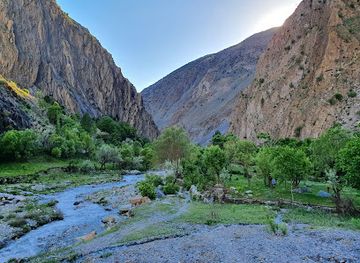
Hisor Fortress is the defining landmark of the valley. Its monumental arched gateway and high earthen remains stand above the surrounding plain, expressing the strategic importance of a settlement that controlled movement through a fertile corridor west of Dushanbe. The nearby Old Madrasa and New Madrasa are associated with the historic religious and educational complex around the fortress, although the surviving structures should be read alongside the site's wider archaeological and cultural landscape. The Hissar Range forms a natural northern and eastern boundary, giving the valley its distinctive mountain backdrop and marking the transition from irrigated lowland to drier foothill terrain. In the west, the open agricultural plain around Shahrinav and Tursunzoda is less monumental but significant as a landscape landmark: fields, orchards, canals and settlements show how water management and farming have shaped the region for centuries. Smaller mosques, village compounds and roadside shrines may be locally important, but access and photographic etiquette should be confirmed before treating them as visitor sites.
-
Park
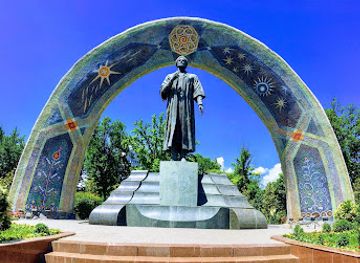
Rudaki Park
Discover tranquility at Rudaki Park in Dushanbe, where lush greenery and cultural sculptures create a serene escape in Tajikistan's capital.
-
Mountain range
Hindu Kush
Explore the majestic Hindu Kush mountain range, a breathtaking destination rich in history, adventure, and stunning landscapes in Afghanistan and Pakistan.
-
Cultural center
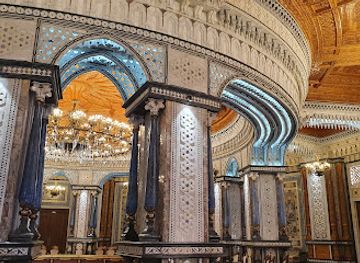
Navruz Palace
Explore the architectural beauty and cultural richness of Navruz Palace, a key landmark in Dushanbe, Tajikistan, symbolizing the nation's heritage.
-
Tourist attraction
Hisor Fortress
Discover the rich history and breathtaking views at Hisor Fortress, a must-see destination for tourists in Tajikistan.
Explore Hisor Valley on the map
Plan your trip on one map. See where the top cities, national parks and sights are, and book hotels and experiences in a few clicks.
Best hotels in Hisor Valley
Best restaurants in Hisor Valley
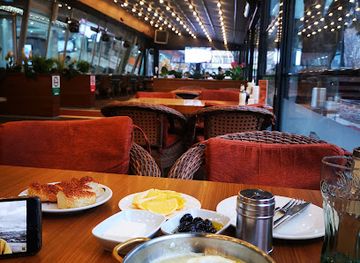
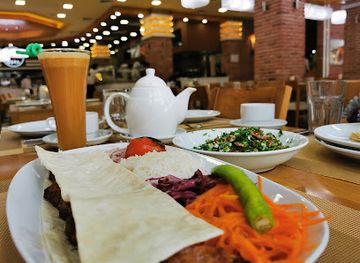
Dining in Hisor Valley is grounded in Tajik home cooking, Central Asian staples and produce from irrigated farms and orchards. In local cafés and family-run eateries, visitors may encounter plov, soups, grilled meats, laghman noodles, manti dumplings, fresh bread and seasonal salads, while qurutob combines torn bread, dairy and vegetables in a dish strongly associated with Tajik cuisine. Menus vary by establishment, and the most dependable meals are often found in busy cafés along the main road or in district centres rather than in remote villages. Fruit, grapes, melons, nuts and dried produce are important valley products, particularly in the warmer months and autumn harvest season. Tea is central to social hospitality, and visitors may also find ayran or other dairy drinks. Dining is generally informal and inexpensive by international standards, but menus may be in Tajik or Russian and vegetarian choices can require clear explanation.
-
Turkish
Merve Cafe
Experience authentic Turkish flavors at Merve Cafe in Dushanbe – where every dish tells a story.
-
Turkish
Çıtır Usta
Discover authentic Turkish cuisine at Çıtır Usta in Dushanbe - where every meal tells a story.
-
Turkish
Merve Restaurant
Discover authentic Turkish cuisine at Merve Restaurant in Dushanbe, where flavor meets tradition in every bite.
-
Restaurant
Rohat Teahouse
Discover authentic Tajik flavors at Rohat Teahouse in Dushanbe - where tradition meets taste amidst serene surroundings.
Best bars in Hisor Valley
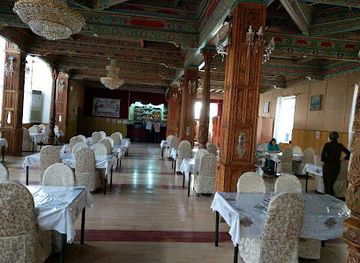
Hisor Valley does not have a major nightlife scene, and evening life is centred on family gatherings, tea houses, cafés and restaurants rather than late-night clubs. Hisor and the larger district centres have modest places to eat and socialise, while roadside cafés may remain active into the evening on busy routes. Alcohol is available in some licensed restaurants and shops, but it is not necessary for participating in local social life, and visitors should follow the atmosphere of the venue. Dushanbe, outside the valley's rural core, offers Tajikistan's broadest selection of contemporary restaurants, lounges and live entertainment for those wanting a more substantial evening programme. In villages, expect quiet nights, limited lighting and little organised entertainment; arrange return transport before travelling away from a town after dark.
-
Live music bar
Best Bar City
Discover the vibrant atmosphere of Best Bar City, Dushanbe's premier live music bar, where local culture and nightlife come alive.
-
Pub
Sim Sim Pub
Discover Sim Sim Pub in Dushanbe: A vibrant pub offering delicious local cuisine, refreshing drinks, and an electrifying atmosphere for tourists.
-
Gastropub
28 Monkeys Gastropub
Experience a culinary adventure at 28 Monkeys Gastropub in Dushanbe, where local flavors meet modern dining in a vibrant atmosphere.
-
Bar
Public Pub
Experience the vibrant atmosphere of Public Pub in Dushanbe, where local flavors meet international delight in a lively setting.

Best nightclubs in Hisor Valley
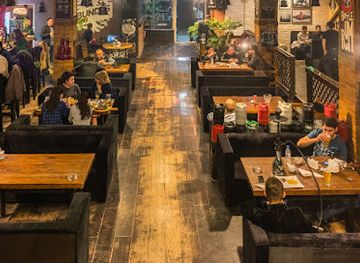
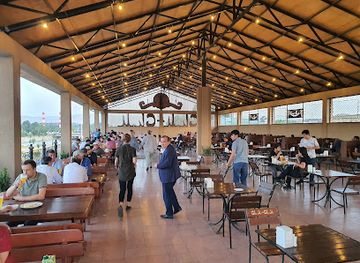
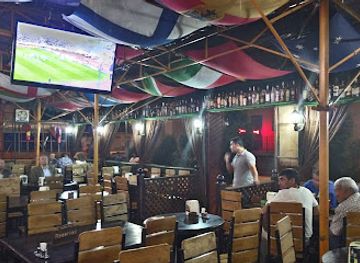
Hisor Valley does not have a major nightlife scene, and evening life is centred on family gatherings, tea houses, cafés and restaurants rather than late-night clubs. Hisor and the larger district centres have modest places to eat and socialise, while roadside cafés may remain active into the evening on busy routes. Alcohol is available in some licensed restaurants and shops, but it is not necessary for participating in local social life, and visitors should follow the atmosphere of the venue. Dushanbe, outside the valley's rural core, offers Tajikistan's broadest selection of contemporary restaurants, lounges and live entertainment for those wanting a more substantial evening programme. In villages, expect quiet nights, limited lighting and little organised entertainment; arrange return transport before travelling away from a town after dark.
-
Hotel
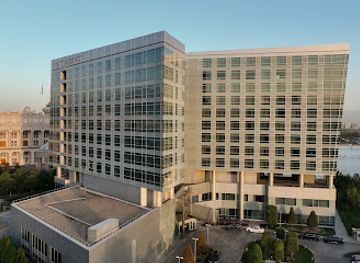
Hyatt Regency Dushanbe
Discover the elegance and cultural charm of Hyatt Regency Dushanbe, your luxury retreat in the heart of Tajikistan's capital.
-
Live music bar
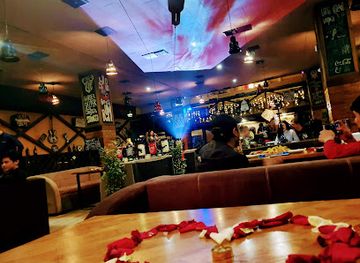
Best Bar City
Experience the lively atmosphere and vibrant local music scene at Dushanbe's top live music bar, the Best Bar City.
-
Hotel
Hilton Dushanbe
Discover unparalleled luxury and comfort at Hilton Dushanbe – your gateway to the vibrant culture of Tajikistan.
-
Bar
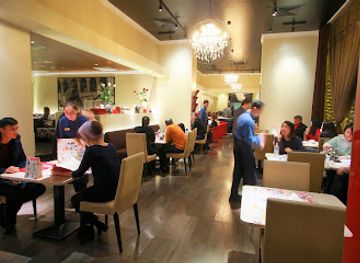
Segafredo
Experience the essence of Italian dining at Segafredo in Dushanbe, where exceptional cuisine meets a vibrant atmosphere.
Best shops in Hisor Valley
Shopping in Hisor Valley is primarily local and practical, with markets and small high-street shops serving residents rather than destination retail. District centres and the main road corridor are useful for fresh bread, fruit, nuts, dried produce, dairy goods and seasonal grapes or melons, while roadside stalls offer a direct glimpse of the valley's agricultural economy. Visitors may find woven textiles, embroidered items, carved household objects and small handicrafts, but quality and availability vary, so purchases should be made from established sellers or directly from makers when possible. Hisor is more suitable for regional food products and modest souvenirs than for extensive fashion or luxury shopping. Dushanbe, outside the valley and serving as the principal gateway, provides a wider selection of crafts, books, textiles and packaged Tajik products. Bargain politely where negotiation is customary, and carry cash in small somoni denominations for markets and independent shops.
-
Market
Panjshanbe Bozor
Experience the heart of Tajik culture at Panjshanbe Bozor, a vibrant market filled with local flavors, handicrafts, and warm hospitality.
-
Park
Rudaki Park
Experience the tranquil beauty of Rudaki Park in Dushanbe, Tajikistan, a perfect blend of nature, culture, and relaxation.
-
Shopping mall
Dushanbe Mall
Discover a vibrant shopping experience at Dushanbe Mall, Tajikistan's top destination for shopping, dining, and cultural exploration.
-
Shopping mall
Sadbarg Trade Center
Explore the Sadbarg Trade Center in Dushanbe for a unique shopping experience that blends local culture and modern retail.
Get your free copy of our complete guide to Hisor Valley, delivered straight to you.
Everything on this page, from attractions and restaurants to essentials and local phrases, in one PDF you can read offline, print or share.
Already have an account? Sign in
Your Hisor Valley guide is ready.
We'll send it to · Not you? Sign out

Getting your guide ready…
We are putting together a fresh copy of the Hisor Valley guide. This can take up to a minute.
This can take a few moments. If your browser asks, choose Allow so the download can start. You'll find the guide in your Downloads folder.
Nothing happened? Download it again
Sorry, the guide is taking longer than usual. Please try again in a minute, or get it by email instead.
Hisor Valley essentials
Currency and Payment
Safety
Emergency Situations
Do's and Don'ts
Local Tips
From Eve
Local phrases worth knowing
You don't need to get them perfect. A few words go a long way, and locals appreciate the effort.
Basics
| English | Local | Say it |
|---|---|---|
| Hello | Салом | [Salom] |
| Goodbye | Худо ҳофиз | [Khudo hofiz] |
| Yes | Бале | [Bale] |
| No | Не | [Ne] |
| Please/You’re welcome | Лутфан/Хуш омадед | [Lutfan/Khush omaded] |
| Thank you | Ташаккур | [Tashakkur] |
| Excuse me/Sorry | Маъзрат кунед | [M'azrat kuned] |
| How are you? | Чӣ хел? | [Chi khel?] |
| Fine. And you? | Хуб. Шумо? | [Khub. Shumo?] |
| Do you speak English? | Шумо англисӣ мегӯед? | [Shumo anglisi meguyed?] |
| I don't understand | Ман намефаҳмам | [Man namefahmam] |
Eating & Drinking
| English | Local | Say it |
|---|---|---|
| I’d like to see the menu, please | Ман мехоҳам менюро бинам, лутфан | [Man mekhaham menyuro binam, lutfan] |
| I don't eat meat | Ман гов не мехӯрам | [Man gov ne mekhoram] |
| Cheers! | Саломат бошед! | [Salomat boshed!] |
| I would like to pay, please | Ман мехоҳам пардохт кунам, лутфан | [Man mekhaham pardokht kunam, lutfan] |
Emergencies
| English | Local | Say it |
|---|---|---|
| Help! | Кумак! | [Kumak!] |
| Go away! | Берав! | [Berav!] |
| Call the Police! | Пулисро даъват кунед! | [Polisro da'vat kuned!] |
| Call a doctor! | Докторро даъват кунед! | [Doktorro da'vat kuned!] |
| I’m lost | Ман гум шудаам | [Man gum shudaam] |
| I’m ill | Ман бемор ҳастам | [Man bemor hastam] |
Shopping
| English | Local | Say it |
|---|---|---|
| I’d like to buy... | Ман мехоҳам бихарам... | [Man mekhaham bikhara...] |
| I’m just looking | Ман фақат нигоҳ мекунам | [Man faqat nigoh mekunam] |
| How much is it? | Ин чанд пул аст? | [In chand pul ast?] |
| That’s too expensive | Ин хеле гарон аст | [In khele garon ast] |
| Can you lower the price? | Шумо метавонед нархро поин баред? | [Shumo metonid narkhro poyin barid?] |
Time & Numbers
| English | Local | Say it |
|---|---|---|
| What time is it? | Саъат чанд аст? | [Saat chand ast?] |
| It’s one o'clock | Саъат як аст | [Saat yak ast] |
| Half past (10) | Ним (10) | [Nim (10)] |
| Morning | Субҳ | [Subh] |
| Afternoon | Баъд аз нисф | [Ba'd az nisf] |
| Evening | Шаб | [Shab] |
| Yesterday | Дирӯз | [Diruz] |
| Today | Имрӯз | [Imruz] |
| Tomorrow | Фардо | [Fardo] |
| 1 | 1 | [1] |
| 2 | 2 | [2] |
| 3 | 3 | [3] |
| 4 | 4 | [4] |
| 5 | 5 | [5] |
| 6 | 6 | [6] |
| 7 | 7 | [7] |
| 8 | 8 | [8] |
| 9 | 9 | [9] |
| 10 | 10 | [10] |
Transport & Directions
| English | Local | Say it |
|---|---|---|
| Where's a/the...? | Кӯли ... куҷост? | [Kuli ... kujost?] |
| What’s the address? | Суроға чист? | [Suruga chist?] |
| Can you show me (on the map)? | Шумо метавонед ба ман нишон диҳед (дар харита)? | [Shumo metonid ba man nishon dihed (dar kharita)?] |
| When's the next (bus)? | Ки автобуси оянда мерасад? | [Ki avtobusi oyanda merasad?] |
| A ticket (to ....) | Як чипта (ба ....) | [Yak chipta (ba ....)] |
History of Hisor Valley
Ancient settlement and the Hissar cultural tradition
The Hissar Valley has been occupied since prehistoric times, and archaeological work in the wider region has identified early farming and herding communities associated with the Hissar archaeological tradition. These communities lived in a landscape where river water, foothill pastures and cultivable valley soils could be used together. Later settlement developed along routes crossing western Tajikistan, creating the foundations for the agricultural villages and fortified centres that shaped the valley in subsequent periods.
The valley in the ancient Iranian and Central Asian world
In antiquity, the valley formed part of the wider cultural zone of Central Asia, where Iranian-speaking communities, long-distance trade and successive regional powers interacted. The nearby Oxus basin and routes across Sogdiana connected the settled lands of present-day Tajikistan with Bactria, the Ferghana region and northern Afghanistan. Although the visible remains in Hisor are mostly later, the valley's strategic importance reflects this much older pattern of movement between plains, river corridors and mountain passes.
Islamisation and the medieval settlement landscape
From the eighth century onwards, Arab conquest and the spread of Islam transformed the political and cultural life of the region. Islamic institutions, new forms of administration and connections with the major centres of Transoxiana developed over the following centuries. Hisor and neighbouring settlements occupied a productive corridor west of present-day Dushanbe, where farming communities supported religious schools, market activity and local rulers. The valley's later mosques and madrasas are part of this longer process rather than isolated monuments.
Hisor under the Bukharan Emirate
During the early modern period and into the nineteenth century, Hisor was an important local political centre within the orbit of the Uzbek-led Bukharan state and, later, the Emirate of Bukhara. Hisor Fortress served as a seat of authority and a defensive stronghold overlooking the settled valley. The district was governed through local elites and connected to Bukhara by routes across the region. The fortress complex and associated religious buildings are the clearest surviving reminders of this period of regional administration.
Russian expansion and Soviet transformation
Russian imperial influence expanded into Central Asia during the nineteenth century, followed by the incorporation of the region into the Soviet system after the upheavals of the early twentieth century. Soviet rule reorganised administration, expanded schools and transport, and reshaped agriculture through irrigation, collectivisation and state-managed production. The valley's modern roads, canals, industrial sites and planned settlements owe much to this period, even though the social consequences of collectivisation and rapid political change were substantial.
Tajikistan's independence and a changing valley
Tajikistan became independent in 1991, and the country subsequently faced severe economic disruption and civil conflict during the 1990s. Hisor Valley, close to Dushanbe and linked to major western transport routes, remained an important agricultural and administrative area. Since the early twenty-first century, improved roads, heritage conservation and domestic tourism have increased attention to Hisor Fortress and the surrounding districts. At the same time, farming, water management and migration continue to shape everyday life across the valley.
Hisor Valley in Photos
Browse through our photo collection highlighting the charm and character of the destination.
Neighbouring regions of Hisor Valley
The closest regions to Hisor Valley, if you have time for more than one.
-

-

-

-

-


Swipe for more regions
Explore more

Explore more of Tajikistan
Discover Tajikistan: A land of majestic mountains, ancient history, and warm hospitality. Ideal for adventure seekers and culture enthusiasts alike.
Explore Tajikistan