

Aydarkul Lake Travel Guide - Free Web & App
Your ultimate guide to Aydarkul Lake. Discover top landmarks, proposed trips, and local tips. Free on the web or via the Evendo companion app.


Aydarkul Lake, Uzbekistan, pairs desert landscapes, bird-rich wetlands, yurt camps and quiet waters with excursions from Nurata and the Nuratau range.
A Desert Lake in Central Uzbekistan
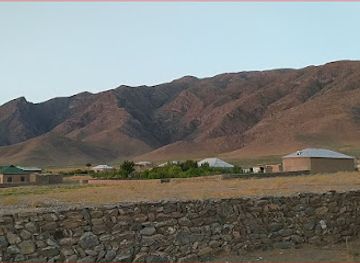
Aydarkul Lake lies in central Uzbekistan, where the dry expanses of the Kyzylkum meet the foothills of the Nuratau range. It forms part of the wider Aydar-Arnasay lake system, a chain of shallow inland waters spread across the Jizzakh and Navoi regions. The lake's broad shoreline, reed beds and open blue water create a striking contrast with the surrounding sand, gravel plains and sparse saxaul vegetation. There is no single urban centre on its shores; visitors usually arrive from gateway settlements such as Nurata, Farish or nearby rural communities, often staying at small yurt camps or simple guesthouses.Read more about Aydarkul Lake
Water, Wildlife and Silence
Desert Culture and Rural Exploration
When is the best time to visit Aydarkul Lake?
Best: May–June, September · 25–30°C| Month | High (°C) | Rainfall (mm) |
|---|---|---|
| January | 2 | 8 |
| February | 4 | 8 |
| March | 12 | 6 |
| April | 18 | 5 |
| May (best) | 25 | 3 |
| June (best) | 30 | 2 |
| July | 34 | 1 |
| August | 32 | 1 |
| September (best) | 26 | 2 |
| October | 18 | 5 |
| November | 12 | 7 |
| December | 6 | 9 |
Getting to and around Aydarkul Lake
How to get there
Transportation
Best attractions in Aydarkul Lake
Aydarkul's principal attraction is the lake itself, whose long horizons, reed-fringed margins and blue water appear unexpectedly amid the Kyzylkum landscape. Different shoreline areas offer contrasting experiences: some are quiet spaces for birdwatching and photography, while others are associated with fishing or small yurt camps. The wider Aydar-Arnasay system includes neighbouring wetlands such as Tuzkan Lake, although access and facilities vary and the lakes should not be treated as one compact visitor site. Beyond the water, desert tracks lead towards saxaul-covered plains, sandy areas and pastoral landscapes where organised camel rides or guided walks may be available through local camps. Nurata, outside the lake area, provides a useful cultural excursion with its old town, Chashma spring and Nurata fortress, while the Nuratau foothills and villages such as Sentob offer mountain scenery and rural heritage. These nearby places are regional complements to Aydarkul rather than attractions on the lake shore.
-
Tourist attraction
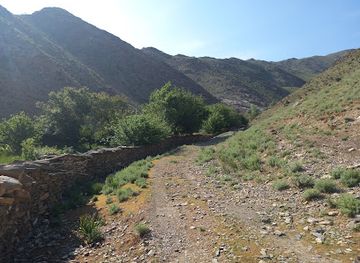
Qal’a (fortress)
Explore the historical Qal’a Fortress in Uzbekistan's Navoiy Region, a stunning destination rich in history and breathtaking views.
Best landmarks in Aydarkul Lake
Aydarkul Lake is the defining natural landmark, a large inland water body occupying the low-lying Arnasay depression within an otherwise arid region. Its reed beds and shallow margins form an important wetland landscape, while the meeting of open water and desert gives the shoreline its distinctive visual character. The wider Aydar-Arnasay lake system, including Tuzkan Lake and associated wetlands, is significant as a water-managed environment rather than a single monumental site. Nearby Nurata contains important regional landmarks outside the lake itself, notably the Chashma spring complex and the remains of Nurata fortress, while the Nuratau mountains create a contrasting rocky backdrop to the desert plain. Yurt camps, fishing areas and rural tracks are cultural features of the visitor landscape, reflecting the lake's modern history and the communities that have adapted to its waters.
-
Lake
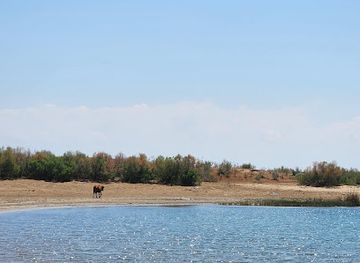
Aydar Lake
Experience the serene beauty and diverse wildlife of Aydar Lake, a stunning natural paradise in Uzbekistan ideal for relaxation and adventure.
-
Hiking area
Aydarkul
Explore the breathtaking landscapes of Aydarkul, a stunning hiking area in Uzbekistan's Jizzakh Region, perfect for nature lovers and adventure seekers.
-
 Recreation center
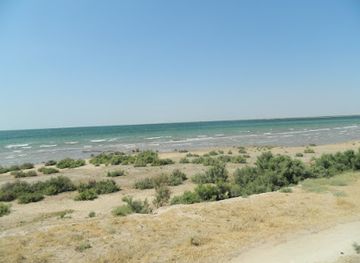
Aydarko`l. Plyaj
Experience the beauty and tranquility of Aydarko‘l Plyaj, a stunning recreational center by Lake Issykul in Uzbekistan's Jizzakh Region.
Explore Aydarkul Lake on the map
Plan your trip on one map. See where the top attractions, landmarks, restaurants and hotels are, and book hotels and experiences in a few clicks.
Best hotels in Aydarkul Lake
Best restaurants in Aydarkul Lake
Dining around Aydarkul is concentrated in yurt camps, guesthouses and rural homestays rather than conventional restaurant districts. Meals commonly draw on Uzbek home cooking, with dishes such as plov, soups, bread, salads and grilled meat served according to the host's menu and available ingredients. Tea is central to hospitality, and meals may include produce brought from irrigated settlements or nearby agricultural areas. Some camps offer fish from the lake region, but visitors should regard this as a local possibility rather than a guaranteed speciality. Nurata is the nearest substantial place for a wider choice of cafés and basic eateries, while Samarkand and Navoi provide more varied dining before or after the lake journey. In remote areas, arrange meals with accommodation in advance and carry simple provisions for the road, as independent food stops may be infrequent.
-
Lake
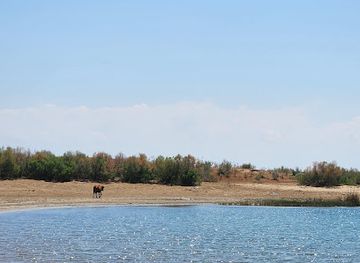
Aydar Lake
Experience tranquility at Aydar Lake: a serene oasis in Uzbekistan perfect for nature lovers and adventure seekers alike.
Best bars in Aydarkul Lake
Aydarkul has little conventional nightlife, and visitors generally spend evenings at their camp or guesthouse rather than seeking bars or clubs. Yurt camps may offer shared meals, tea, conversation, local music or informal performances, with the emphasis on hospitality and the desert setting rather than late-night entertainment. The open landscape also makes stargazing a natural evening activity, provided visitors follow camp guidance and do not wander into unfamiliar terrain after dark. Nurata has modest local evening life, but it is not a nightlife centre, while larger cities such as Samarkand and Navoi offer a broader selection of cafés and licensed venues outside the lake area. Alcohol availability varies by accommodation and community, so expectations should remain understated and respectful of local customs.
-
Bar
Choyxona
Experience the charm of Choyxona, a cozy bar in Navoiy Region, where local culture and traditional drinks come together in a warm atmosphere.
Best shops in Aydarkul Lake
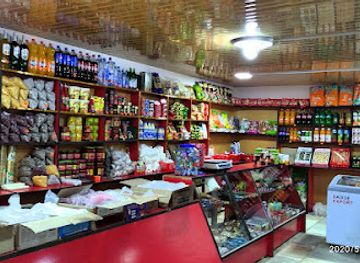
Shopping beside Aydarkul is limited and usually consists of small supplies, locally made items and products offered through camps or rural hosts rather than permanent retail streets. Visitors may find embroidered textiles, woven goods, carved objects or small souvenirs associated with Uzbek craft traditions, although selection and availability differ between communities. Food products such as dried fruit, nuts, bread and other provisions are more reliably found in larger settlements than at isolated camps. Nurata is the most practical nearby stop for everyday purchases and locally produced goods, while Samarkand and Navoi provide substantially wider choices, including established craft and souvenir shops. Because the lake region is dispersed, obtain medicines, toiletries, snacks and cash before leaving a major town, and treat rural shopping as a community-based exchange rather than an extensive commercial experience.
-
General store
AKPAR AKA XUSUSIY SAVDO DO‘KONI
Explore the heart of Ingichka at AKPAR AKA XUSUSIY SAVDO DO‘KONI, a charming general store offering local treasures and a warm community vibe.
-
Supermarket
MINI MARKET
Immerse yourself in local culture and flavors at MINI MARKET, Uzunkuduk's charming supermarket offering fresh produce and regional delicacies.
-
Store
Magazin
Explore the vibrant local culture at Magazin in Forish, Jizzakh Region, Uzbekistan – a unique store filled with authentic Uzbek treasures.
-
Building materials store
Fayziobod Kuchasi
Discover Fayziobod Kuchasi in Uzbekistan: A unique marketplace for building materials showcasing local craftsmanship and architectural heritage.
Get your free copy of our complete guide to Aydarkul Lake, delivered straight to you.
Everything on this page, from attractions and restaurants to essentials and local phrases, in one PDF you can read offline, print or share.
Already have an account? Sign in
Your Aydarkul Lake guide is ready.
We'll send it to · Not you? Sign out

Getting your guide ready…
We are putting together a fresh copy of the Aydarkul Lake guide. This can take up to a minute.
This can take a few moments. If your browser asks, choose Allow so the download can start. You'll find the guide in your Downloads folder.
Nothing happened? Download it again
Sorry, the guide is taking longer than usual. Please try again in a minute, or get it by email instead.
Aydarkul Lake essentials
Currency and Payment
Safety
Emergency Situations
Do's and Don'ts
Local Tips
From Eve
Local phrases worth knowing
You don't need to get them perfect. A few words go a long way, and locals appreciate the effort.
Basics
| English | Local | Say it |
|---|---|---|
| Hello | Салом | [Salom] |
| Goodbye | Хайр | [Hair] |
| Yes | Ҳа | [Ha] |
| No | Йўқ | [Yo'q] |
| Please/You're welcome | Илтижо | [Iltijo] |
| Thank you | Раҳмат | [Rahmat] |
| Excuse me/Sorry | Кечиринг | [Kechiring] |
| How are you? | Қалсизми? | [Qalsizmi?] |
| Fine. And you? | Жуда яхши. Сизни? | [Juda yaxshi. Sizni?] |
| Do you speak English? | Инглиз тилини ўйлайсизми? | [Ingliz tilini o'ylaysizmi?] |
| I don't understand | Мени тушунмадим | [Meni tushunmadim] |
Eating & Drinking
| English | Local | Say it |
|---|---|---|
| I'd like to see the menu, please | Менюни кўраётган бўлсам бўлади | [Menyuni ko'rayotgan bo'lsam bo'ladi] |
| I don't eat meat | Мен гўши ёмайман | [Men g'oshi yomayman] |
| Cheers! | Соғлиқ! | [So'g'liq!] |
| I would like to pay, please | Тўловни амалга ошираман | [Tolovni amalga oshiraman] |
Emergencies
| English | Local | Say it |
|---|---|---|
| Help! | Ёрдам! | [Yordam!] |
| Go away! | Узинг! | [Uzing!] |
| Call the Police! | Полицияни чақиринг! | [Poliyani chaqiring!] |
| Call a doctor! | Докторни чақиринг! | [Doktorni chaqiring!] |
| I'm lost | Мен йўлни йўқолдим | [Men yo'l ni yo'qoldim] |
| I'm ill | Мен касалман | [Men kasalman] |
Shopping
| English | Local | Say it |
|---|---|---|
| I'd like to buy... | Мен ... сотишни истайман | [Men ... sotishni istayman] |
| I'm just looking | Мен фақат кўриб турмоқдаман | [Men faqat ko'rib turmoqdaman] |
| How much is it? | Бу қанча? | [Bu qancha?] |
| That's too expensive | Бу жиддий қиймат | [Bu jiddiy qiyomat] |
| Can you lower the price? | Қийматни тўлдирасизми? | [Qiyamatni to'ldirasizmi?] |
Time & Numbers
| English | Local | Say it |
|---|---|---|
| What time is it? | Соат қачон? | [Soat qachon?] |
| It's one o'clock | Бир соат бўлди | [Bir soat boldi] |
| Half past (10) | Уч чорак | [Uch chorak] |
| Morning | Тун | [Tun] |
| Afternoon | Кеча | [Kecha] |
| Evening | Кеч | [Kech] |
| Yesterday | Кеча | [Kecha] |
| Today | Бугун | [Bugun] |
| Tomorrow | Эртага | [Ertaga] |
| 1 | 1 | [1] |
| 2 | 2 | [2] |
| 3 | 3 | [3] |
| 4 | 4 | [4] |
| 5 | 5 | [5] |
| 6 | 6 | [6] |
| 7 | 7 | [7] |
| 8 | 8 | [8] |
| 9 | 9 | [9] |
| 10 | 10 | [10] |
Transport & Directions
| English | Local | Say it |
|---|---|---|
| Where's a/the...? | ... қаёқ қаёқ? | [... qayoq qayoq?] |
| What's the address? | Манзил қандай? | [Manzil qanday?] |
| Can you show me (on the map)? | Менга кўрсатишингиз мумкинми? | [Menga ko'rsatishingiz mumkinmi?] |
| When's the next (bus)? | Кейингисини қачон? | [Keyingisini qachon?] |
| A ticket (to ....) | Чипталанган (га ...) | [Chiptalangan (ga ...)] |
History of Aydarkul Lake
An Irrigated Desert Landscape
The modern history of Aydarkul is closely connected with the transformation of Central Asia's river systems during the Soviet period. Large irrigation schemes redirected water from the Syr Darya and other rivers towards cotton-growing areas, while reservoirs and canals altered the natural balance of the region. The Kyzylkum had long been a dry interior crossed by pastoral routes, but twentieth-century water engineering created new relationships between desert communities, agriculture, fisheries and inland wetlands. Aydarkul's present form cannot be separated from this wider history of managing water in an arid environment.
The Formation of Aydarkul
Aydarkul expanded dramatically in 1969 after exceptional water releases from the Syr Darya system, including discharge associated with the Shardara reservoir. Water spread into the low-lying Arnasay depression, producing the extensive lake environment now known as part of the Aydar-Arnasay system. The event changed a predominantly dry landscape into a major inland wetland and established the physical setting that visitors see today. Aydarkul, Tuzkan and the Arnasay lakes are hydrologically connected parts of a broader system rather than entirely isolated natural basins.
Fisheries and New Rural Livelihoods
As the lake developed, fishing became an important economic activity alongside livestock keeping and the seasonal use of surrounding desert land. Wetland habitats supported fish populations and attracted waterbirds, while settlements and rural communities around the lake adapted to opportunities created by the new water body. The contrast between reed-fringed shores, working fishing areas and arid pasture illustrates how rapidly water management can reshape local livelihoods. Conditions have changed over time with fluctuations in inflow, water levels and the wider pressures affecting Central Asian rivers.
Tourism and Environmental Awareness
Aydarkul's tourism identity emerged from its combination of accessible desert scenery, open water and proximity to historic Nurata and the Nuratau mountains. Small yurt camps and community-based guesthouses began to offer visitors a way to combine rural hospitality with birdwatching, camel riding, boating and desert excursions. The lake is also part of a wider environmental story involving wetland conservation, fluctuating water supplies and the ecological importance of inland waters in Uzbekistan. Visitors encounter a landscape shaped both by natural processes and by decades of human intervention in the region's rivers.
Aydarkul Lake in Photos
Browse through our photo collection highlighting the charm and character of the destination.
Neighbouring destination travel guides
The closest destinations to Aydarkul Lake, if you have time for more than one.
-

-

-

-

-


Swipe for more destinations
Explore more

Explore more of Jizzakh Region
Jizzakh Region pairs Uzbek Silk Road history with Zaamin's mountain forests, steppe horizons, rural food traditions and broad outdoor landscapes.
Explore Jizzakh Region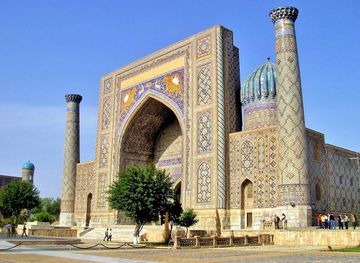
Explore more of Uzbekistan
Discover Uzbekistan: A land of ancient cities, vibrant culture, and breathtaking landscapes, where history comes alive along the legendary Silk Road.
Explore Uzbekistan