Free Sugar Land Travel Guide & Mobile App
Plan your Sugar Land trip with Evendo. Get free guides to top attractions, restaurants, hotels, and bars. Web access or download the mobile app.


Explore Sugar Land, Texas: A delightful blend of history, nature, and modern attractions awaits you in this charming city famous for its sweet heritage and vibrant community.
Read more about Sugar Land
When is the best time to visit Sugar Land?
Best: March–April, November · 22–28°C| Month | High (°C) | Rainfall (mm) |
|---|---|---|
| January | 17 | 90 |
| February | 20 | 77 |
| March (best) | 24 | 81 |
| April (best) | 28 | 83 |
| May | 31 | 110 |
| June | 34 | 126 |
| July | 35 | 108 |
| August | 35 | 107 |
| September | 33 | 122 |
| October | 28 | 103 |
| November (best) | 22 | 91 |
| December | 17 | 94 |
Getting to and around Sugar Land
How to get there
Transportation
Best attractions in Sugar Land
Sugar Land, Texas offers a unique blend of history, nature, and modern amenities for visitors to explore. From the historic Imperial Sugar Factory to the beautiful Cullinan Park, there is something for everyone to enjoy. Take a stroll down the charming streets of Sugar Land Town Square, where you can shop, dine, and attend live events. Don't miss out on the opportunity to experience the diverse culinary scene, with restaurants offering a wide range of cuisines. Whether you are looking for outdoor adventures, cultural experiences, or simply a relaxing getaway, Sugar Land has it all.
-
Tourist attraction
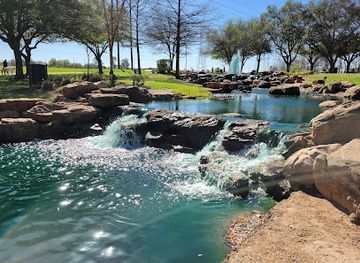
Oyster Creek Park
Explore the natural beauty and artistic charm of Oyster Creek Park in Sugar Land, Texas—an urban oasis for relaxation and recreation.
16 min drive · 5.4 km from city centre
-
Tourist attraction
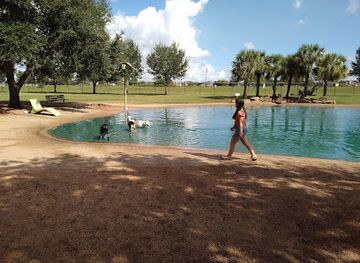
Sugar Land Memorial Park
Explore Sugar Land Memorial Park: A serene retreat with picturesque trails, picnic spots, and a playground in the heart of Texas.
20 min drive · 6.6 km from city centre
-
Tourist attraction
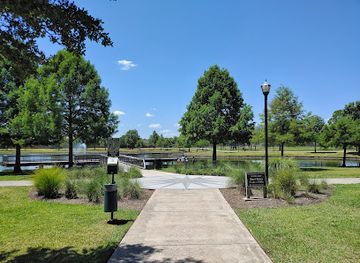
Eldridge Park
Discover the tranquility of Eldridge Park in Sugar Land, a picturesque city park perfect for relaxation, picnics, and enjoying nature's beauty.
12 min drive · 4.0 km from city centre
-
Tourist attraction
Cullinan Park
Discover the serene beauty of Cullinan Park, a lush urban oasis in Sugar Land, Texas, perfect for outdoor activities and wildlife exploration.
9 min drive · 3.0 km from city centre
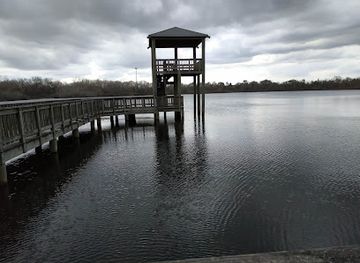
Best landmarks in Sugar Land
Sugar Land offers visitors a diverse array of landmarks to explore, from the historic Sugar Land Town Square with its charming shops and restaurants, to the beautiful Cullinan Park perfect for outdoor enthusiasts. Don't miss the fascinating Fort Bend Children's Discovery Center for a fun and educational experience, or the iconic Sugar Land Memorial Park with its serene lake and scenic walking trails. History buffs will appreciate a visit to the Sugar Land Heritage Foundation Museum for a glimpse into the city's past, while thrill-seekers can enjoy the adrenaline rush of the Sugar Land Ice and Sports Center. With something for everyone, Sugar Land's landmarks promise a memorable and enriching visit for all.
-
Shopping mall
Sugar Land Town Square
Experience the perfect blend of shopping, dining, and entertainment at Sugar Land Town Square—your ultimate destination in Texas.
9 min drive · 2.9 km from city centre
-
Event venue
Smart Financial Centre at Sugar Land
Discover the Smart Financial Centre in Sugar Land: A premier venue for concerts, events, and unforgettable live performances in Texas.
14 min drive · 4.8 km from city centre
-
Stadium
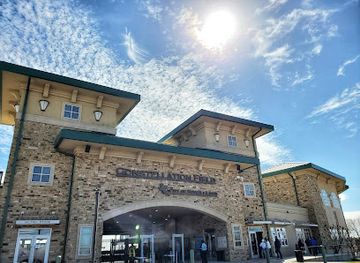
Constellation Field
Discover the excitement of Constellation Field in Sugar Land, TX - a premier stadium for baseball games and vibrant community events.
15 min walk · 1.2 km from city centre
-
 City park
Oyster Creek Park
Discover the tranquility of Oyster Creek Park in Sugar Land, Texas, where nature, art, and community come together in a scenic urban oasis.
16 min drive · 5.4 km from city centre
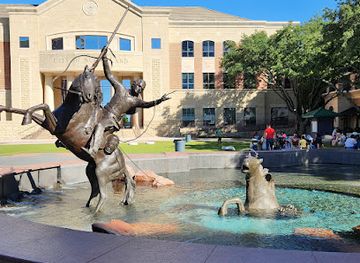
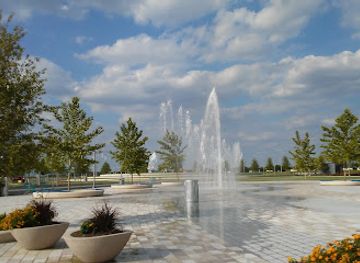
Explore Sugar Land on the map
Plan your Sugar Land trip on one map. See where the top attractions, landmarks, restaurants, bars and hotels are, find what's near where you're staying, and book hotels and experiences in a few clicks.
Best hotels in Sugar Land
Best restaurants in Sugar Land
Sugar Land offers a diverse dining scene that caters to a variety of tastes and preferences. From upscale restaurants serving gourmet cuisine to casual eateries offering comfort food, visitors can expect a culinary experience that showcases the city's cultural diversity. Whether you're craving authentic Tex-Mex, succulent barbecue, or international flavors, Sugar Land has it all. With a mix of trendy hotspots and hidden gems, the dining scene in Sugar Land is sure to delight foodies and casual diners alike.
-
Restaurant
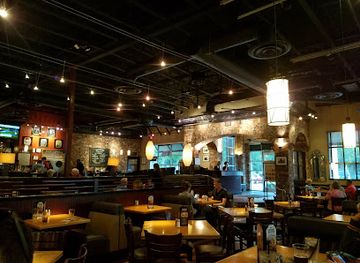
BJ's Restaurant & Brewhouse
Discover BJ's Restaurant & Brewhouse: where delicious meals meet handcrafted brews in Sugar Land's vibrant dining scene.
8 min drive · 2.8 km from city centre
-
Mediterranean
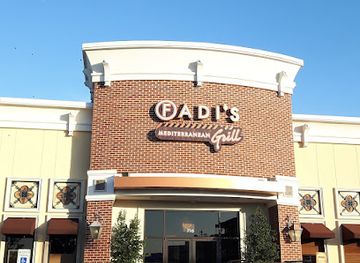
Fadi’s Mediterranean Grill
Explore authentic Mediterranean flavors at Fadi’s Mediterranean Grill in Sugar Land - a must-visit culinary gem!
5 min drive · 1.6 km from city centre
-
Restaurant
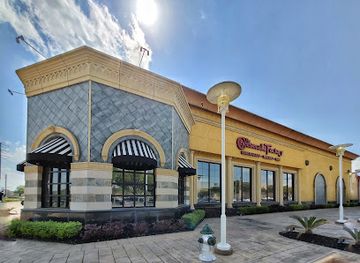
The Cheesecake Factory
Experience the diverse flavors of America at The Cheesecake Factory in Sugar Land—where every meal ends on a sweet note.
9 min drive · 3.1 km from city centre
-
American
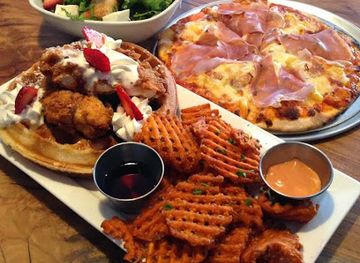
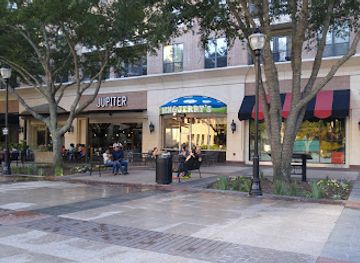
Jupiter
Discover Jupiter in Sugar Land - where delicious American cuisine meets a vibrant atmosphere for unforgettable dining experiences.
9 min drive · 3.0 km from city centre
Best bars in Sugar Land
When the sun sets in Sugar Land, the city comes alive with a vibrant nightlife scene that caters to every taste. From trendy cocktail bars to lively nightclubs, visitors can expect to find a variety of venues to suit their preferences. Enjoy live music performances at local bars, sip on craft cocktails at chic lounges, or dance the night away at energetic clubs. With a mix of casual and upscale establishments, Sugar Land offers a diverse nightlife experience that is sure to keep visitors entertained well into the early hours of the morning.
-
Bar
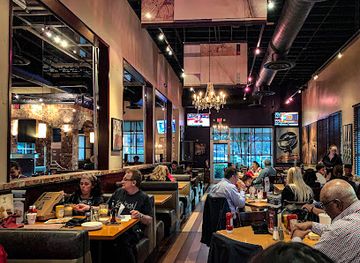
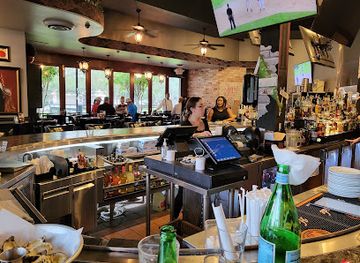
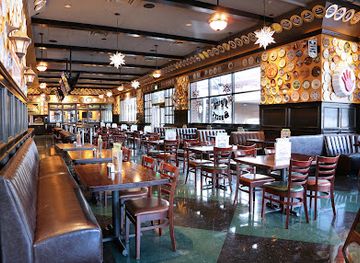
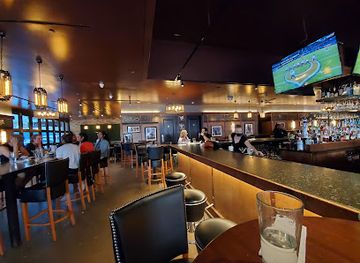
BJ's Restaurant & Brewhouse
Experience the lively atmosphere and mouth-watering dishes at BJ's Restaurant & Brewhouse in Sugar Land, Texas. A perfect blend of restaurant, bar, and brewery.
8 min drive · 2.8 km from city centre
-
Seafood
The Rouxpour - Sugar Land
Experience the vibrant seafood flavors of Louisiana at The Rouxpour in Sugar Land, a family-friendly restaurant perfect for any occasion.
9 min drive · 3.0 km from city centre
-
Bar
Flying Saucer Draught Emporium
Discover a beer lover's paradise at Flying Saucer Draught Emporium in Sugar Land, TX, featuring an extensive selection of craft beers and American cuisine.
9 min drive · 2.9 km from city centre
-
Grill
Bar Louie - Sugarland
Experience the lively American grill culture at Bar Louie in Sugar Land, featuring delicious food, craft cocktails, and a vibrant atmosphere perfect for gathering.
9 min drive · 2.9 km from city centre
Best nightclubs in Sugar Land
When the sun sets in Sugar Land, the city comes alive with a vibrant nightlife scene that caters to every taste. From trendy cocktail bars to lively nightclubs, visitors can expect to find a variety of venues to suit their preferences. Enjoy live music performances at local bars, sip on craft cocktails at chic lounges, or dance the night away at energetic clubs. With a mix of casual and upscale establishments, Sugar Land offers a diverse nightlife experience that is sure to keep visitors entertained well into the early hours of the morning.
-
Grill
Bar Louie - Sugarland
Experience American cuisine with a vibrant twist at Bar Louie in Sugar Land, featuring craft cocktails and a lively nightlife atmosphere.
9 min drive · 2.9 km from city centre
-
Restaurant
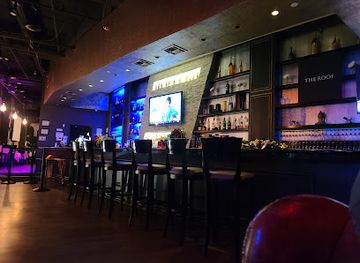
The Roof
Discover the perfect blend of fine dining and vibrant nightlife at The Roof in Sugar Land, Texas, with stunning views and delectable cuisine.
6 min drive · 2.1 km from city centre
-
Restaurant
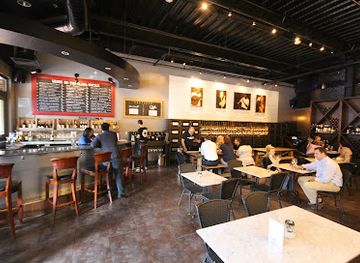
Vino & Vinyl - Supper Club
Discover the perfect blend of gourmet food and live vinyl music at Vino & Vinyl, Sugar Land's unique supper club and wine bar.
9 min drive · 2.9 km from city centre
-
Grill
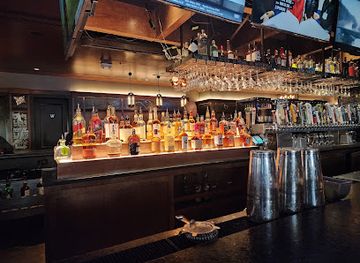
Gridiron Bar & Grill
Discover Gridiron Bar & Grill in Sugar Land: a lively grill and lounge with live music and sports, perfect for casual dining and entertainment.
19 min drive · 6.4 km from city centre

Best shops in Sugar Land
The shopping scene in Sugar Land offers a diverse range of options for visitors, from upscale boutiques in the town center to quaint shops in historic neighborhoods. Visitors can explore popular shopping destinations such as Sugar Land Town Square, which features a mix of well-known brands and local shops, or browse through unique stores in the charming Sugar Land Heritage Foundation area. With a variety of shopping centers, malls, and specialty stores to choose from, tourists can expect to find everything from trendy fashion and designer goods to one-of-a-kind souvenirs and artisanal crafts, making Sugar Land a must-visit destination for shopping enthusiasts.
-
Shopping mall
First Colony Mall
Discover First Colony Mall in Sugar Land, Texas – A premier shopping destination with diverse stores, dining options, and entertainment for everyone.
10 min drive · 3.3 km from city centre
-
Shopping mall
Sugar Land Town Square
Discover shopping, dining, and entertainment at Sugar Land Town Square, a vibrant destination for tourists in Texas offering unique experiences.
9 min drive · 2.9 km from city centre
-
Shopping mall
First Colony Commons
Discover shopping, dining, and entertainment at First Colony Commons in Sugar Land, Texas – a premier destination for visitors and locals alike.
8 min drive · 2.7 km from city centre
-
Shopping mall
Colony Square
Discover the ultimate shopping experience at Colony Square in Sugar Land, where style meets convenience and culinary delights await.
9 min drive · 3.0 km from city centre
Get your free copy of our complete guide to Sugar Land, delivered straight to you.
Everything on this page, from attractions and restaurants to essentials and local phrases, in one PDF you can read offline, print or share.
Already have an account? Sign in
Your Sugar Land guide is ready.
We'll send it to · Not you? Sign out

Getting your guide ready…
We are putting together a fresh copy of the Sugar Land guide. This can take up to a minute.
This can take a few moments. If your browser asks, choose Allow so the download can start. You'll find the guide in your Downloads folder.
Nothing happened? Download it again
Sorry, the guide is taking longer than usual. Please try again in a minute, or get it by email instead.
Sugar Land essentials
Currency and Payment
Safety
Emergency Situations
Do's and Don'ts
Local Tips
From Eve
Local phrases worth knowing
You don't need to get them perfect. A few words go a long way, and locals appreciate the effort.
Basics
| English | Local | Say it |
|---|---|---|
| Hello | Howdy | [haw-dee] |
| Goodbye | See ya later | [see ya lay-ter] |
| Yes | Yep | [yep] |
| No | Nope | [nope] |
| Please/You're welcome | Please/No problem | [pleez/no prob-lem] |
| Thank you | Thanks | [thanks] |
| Excuse me/Sorry | Pardon me/My bad | [par-dun me/my bad] |
| How are you? | Howdy | [haw-dee] |
| Fine. And you? | Doing well. You? | [doin' well. y'all?] |
| Do you speak English? | Ya speak English? | [ya speak in-glish?] |
| I don't understand | I'm lost | [ahm lost] |
Eating & Drinking
| English | Local | Say it |
|---|---|---|
| I'd like to see the menu, please | Can I see the menu, please | [can ah see the men-yoo, please] |
| I don't eat meat | I don't eat meat | [ah don't eat meet] |
| Cheers! | Cheers! | [cheers!] |
| I would like to pay, please | I'll pay now, please | [ah'll pay now, please] |
Emergencies
| English | Local | Say it |
|---|---|---|
| Help! | Help! | [help!] |
| Go away! | Get lost! | [get lost!] |
| Call the Police! | Call the cops! | [call the cops!] |
| Call a doctor! | Call a doc! | [call a doc!] |
| I'm lost | I'm lost | [ahm lost] |
| I'm ill | I'm sick | [ahm sick] |
Shopping
| English | Local | Say it |
|---|---|---|
| I'd like to buy... | I want to buy... | [ah want to buy...] |
| I'm just looking | Just browsing | [just browsin'] |
| How much is it? | How much does it cost? | [how much does it cost?] |
| That's too expensive | That's pricey | [that's pry-see] |
| Can you lower the price? | Can you give me a deal? | [can ya give me a deal?] |
Time & Numbers
| English | Local | Say it |
|---|---|---|
| What time is it? | What's the time? | [what's the time?] |
| It's one o'clock | It's one | [it's one] |
| Half past (10) | Ten thirty | [ten thur-tee] |
| Morning | Morning | [mornin'] |
| Afternoon | Afternoon | [after-noon] |
| Evening | Evening | [ee-venin'] |
| Yesterday | Yesterday | [yester-day] |
| Today | Today | [to-day] |
| Tomorrow | Tomorrow | [tomor-row] |
| 1 | One | [wun] |
| 2 | Two | [too] |
| 3 | Three | [three] |
| 4 | Four | [four] |
| 5 | Five | [five] |
| 6 | Six | [six] |
| 7 | Seven | [seven] |
| 8 | Eight | [ate] |
| 9 | Nine | [nine] |
| 10 | Ten | [ten] |
Transport & Directions
| English | Local | Say it |
|---|---|---|
| Where's a/the...? | Where's the...? | [where's the...?] |
| What's the address? | What's the address? | [what's the address?] |
| Can you show me (on the map)? | Can ya show me (on the map)? | [can ya show me (on the map)?] |
| When's the next (bus)? | When's the next (bus)? | [when's the next (bus)?] |
| A ticket (to ....) | A ticket (to ....) | [a ticket (to ....)] |
History of Sugar Land
Founding and Early Settlement
Sugar Land, Texas, was originally part of the Mexican land grant known as the Stephen F. Austin Colony. In 1823, the area began to be settled by Anglo-Americans. The fertile land was well-suited for agriculture, and the early settlers primarily engaged in farming and ranching.
The Birth of Sugar
Sugar Land owes its name and much of its early prosperity to the sugar industry. In the mid-19th century, the area's rich soil was ideal for growing sugarcane. The first sugar mill was established in 1843 by Samuel May Williams. Later, in 1908, the Imperial Sugar Company was founded, solidifying Sugar Land's role as a major player in the sugar industry.
Company Town Era
During the early 20th century, Sugar Land was essentially a company town. The Imperial Sugar Company built housing, schools, and other amenities for its workers, creating a close-knit community. This era saw the construction of the iconic char house and the Sugar Land Auditorium, which still stand today as historical landmarks.
Transition to Modern City
In the 1950s and 1960s, Sugar Land began transitioning from a company town to a more diversified economy. The city was incorporated in 1959, which allowed for greater self-governance and spurred development. Suburban growth accelerated, attracting new businesses and residents.
Cultural Diversity and Expansion
From the late 20th century to the present, Sugar Land has grown into a culturally diverse and economically vibrant city. The development of master-planned communities, such as First Colony, has attracted a diverse population. The city has invested in cultural amenities, parks, and public services, making it a desirable place to live.
Historic Landmarks and Preservation
Sugar Land is home to several historic landmarks that reflect its rich history. The Imperial Sugar Refinery and the Sugar Land Heritage Foundation Museum provide insights into the city's industrial past. Efforts to preserve these sites ensure that the history of Sugar Land remains accessible to future generations.
Sugar Land in Photos
Browse through our photo collection highlighting the charm and character of the destination.
Cities near Sugar Land
The closest cities to Sugar Land, if you have time for more than one stop.
-
-

-

-

-


Swipe for more cities