

Free College Station Travel Guide & Mobile App
Plan your College Station trip with Evendo. Get free guides to top attractions, restaurants, hotels, and bars. Web access or download the mobile app.


College Station, Texas blends Texas A&M traditions, presidential history, live sports, museums and easy access to Brazos Valley culture and dining.
University Town in the Brazos Valley
College Station occupies a distinctive corner of east-central Texas, shaped by the presence of Texas A&M University and the broad agricultural landscape of the Brazos Valley. The university's campus anchors the city physically and culturally, while nearby Bryan contributes an older commercial centre, historic buildings and a complementary arts scene. Together, the neighbouring cities form the urban area commonly known as Bryan–College Station, or simply Aggieland.Read more about College Station
Campus Traditions and Public History
Small-City Energy
When is the best time to visit College Station?
Best: March–April, October · 21–27°C| Month | High (°C) | Rainfall (mm) |
|---|---|---|
| January | 15 | 74 |
| February | 16 | 69 |
| March (best) | 21 | 81 |
| April (best) | 25 | 86 |
| May | 29 | 107 |
| June | 34 | 95 |
| July | 36 | 65 |
| August | 36 | 74 |
| September | 33 | 97 |
| October (best) | 27 | 104 |
| November | 21 | 85 |
| December | 14 | 77 |
Getting to and around College Station
How to get there
Transportation
Best attractions in College Station
Texas A&M University's campus is College Station's defining sightseeing area, with broad academic quads, mature trees, memorials and traditions that have shaped the city for generations. The George H.W. Bush Presidential Library and Museum offers exhibitions on the 41st president's life, presidency and public service, while the adjacent grounds provide a quieter setting beside the campus. The Bonfire Memorial presents a reflective account of the 1999 Aggie Bonfire collapse and the students who died, and Kyle Field conveys the scale of college football culture even when no match is taking place. The Benjamin Knox Gallery and Wine Depot adds visual art to the local cultural mix, while nearby Bryan expands the choice with historic streets, galleries and community events. Visitors interested in science, engineering and agriculture will also find the university's research identity evident across the campus and surrounding public institutions.
-
Amusement center
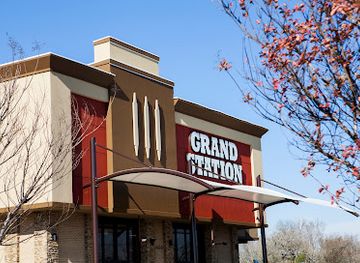
Grand Station Entertainment
Experience endless fun at Grand Station Entertainment in College Station, Texas, with bowling, laser tag, mini-golf, and arcade games all under one roof.
11 min drive · 3.5 km from city centre
-
Tourist attraction
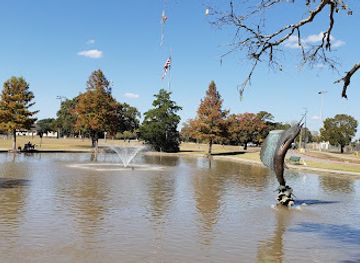
Stephen C. Beachy Central Park
Experience the beauty and tranquility of Stephen C. Beachy Central Park, a perfect urban escape in College Station, Texas, ideal for relaxation and recreation.
13 min drive · 4.2 km from city centre
-
Tourist attraction
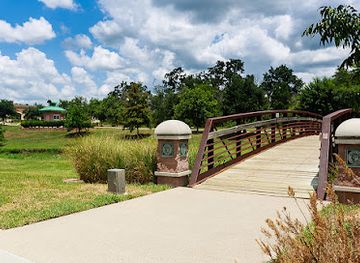
Wolf Pen Creek Park
Experience the serene beauty and diverse recreational offerings at Wolf Pen Creek Park, a hidden gem in College Station, Texas.
9 min drive · 3.1 km from city centre
-
Amusement park
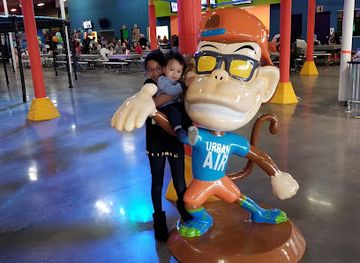
Urban Air Trampoline and Adventure Park
Experience the ultimate fun at Urban Air Trampoline and Adventure Park, where adventure awaits for families and thrill-seekers alike in Bryan, Texas.
8 min drive · 2.8 km from city centre
Best landmarks in College Station
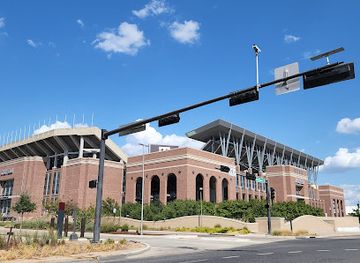
Kyle Field is College Station's most recognisable civic and sporting landmark, representing the scale and ritual of Texas A&M football and the university's central place in local identity. The Academic Building, with its distinctive campus presence, belongs to the visual vocabulary of the university, while the Bonfire Memorial provides a solemn place of remembrance for the students lost in the 1999 collapse. The George H.W. Bush Presidential Library and Museum is both a working archive and a significant public institution, linking College Station with national political history. The nearby George H.W. Bush Presidential Library grounds and the university's memorials create a landscape where education, military heritage, public service and collective memory are expressed through buildings and open spaces rather than through a traditional old-town core.
-
Stadium
Kyle Field
Explore Kyle Field in College Station, Texas, a historic stadium celebrating Aggie spirit and college football tradition.
6 min drive · 2.1 km from city centre
-
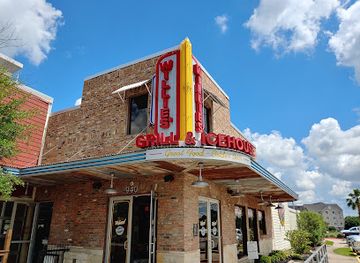
American
Willie's Grill & Icehouse
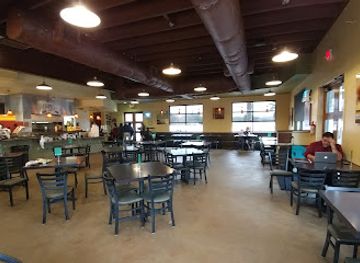
Discover the heart of American dining at Willie's Grill & Icehouse, where flavor meets fun in College Station, Texas.
16 min walk · 1.3 km from city centre
-
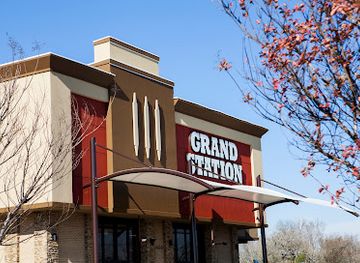
Amusement center
Grand Station Entertainment
Experience endless excitement at Grand Station Entertainment in College Station, Texas, with bowling, laser tag, miniature golf, and more for all ages.
11 min drive · 3.5 km from city centre
-
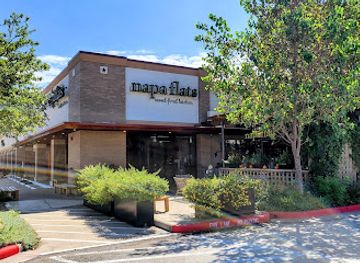
American
Napa Flats Wood-Fired Kitchen
Experience the vibrant flavors of American and Italian cuisine at Napa Flats Wood-Fired Kitchen in College Station, Texas, with wood-fired pizzas and fine wines.
6 min drive · 2.0 km from city centre
Explore College Station on the map
Plan your College Station trip on one map. See where the top attractions, landmarks, restaurants, bars and hotels are, find what's near where you're staying, and book hotels and experiences in a few clicks.
Best hotels in College Station
Best restaurants in College Station
College Station's dining scene reflects its university population, Texas setting and connection with the wider Brazos Valley. Around Northgate, restaurants range from casual student-oriented venues to independent eateries serving burgers, Tex-Mex, pizza, sandwiches and late-night food, while University Drive and newer districts offer broader choices. Texas barbecue and smoked meats are part of the regional food culture, alongside breakfast cafés, bakeries and familiar Gulf Coast and Mexican-Texan influences. Century Square has concentrated contemporary restaurants in a walkable setting, and farmers' markets or local food events provide opportunities to encounter produce and prepared foods from the surrounding agricultural area. Across the twin cities, dining ranges from quick counter service to relaxed table-service meals, with the strongest variation appearing around the academic calendar and major sporting weekends.
-
Mexican
Fuego Tortilla Grill
Discover the vibrant flavors of Mexico at Fuego Tortilla Grill in College Station – where fast food meets authentic culinary delight.
1 min walk · 0.1 km from city centre
-
Steak
Texas Roadhouse
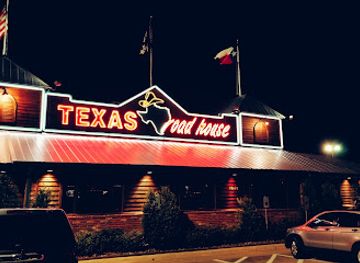
Discover the heart of Texas at Texas Roadhouse in College Station - where hand-cut steaks meet southern hospitality in an unforgettable dining experience.
7 min drive · 2.2 km from city centre
-
American
Willie's Grill & Icehouse
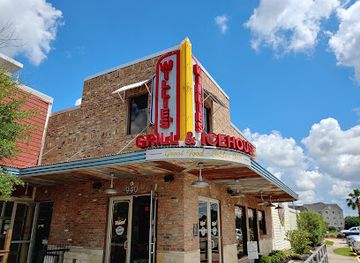
Discover authentic American cuisine at Willie's Grill & Icehouse in College Station—where flavor meets fun in a vibrant setting.
16 min walk · 1.3 km from city centre
-
Traditional American
Cheddar's Scratch Kitchen
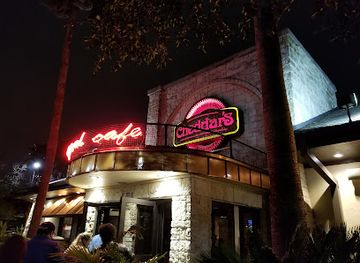
Savor traditional American comfort food at Cheddar's Scratch Kitchen in College Station – where every meal is made from scratch with love.
7 min drive · 2.4 km from city centre
Best bars in College Station
Nightlife in College Station is closely tied to Texas A&M and is concentrated most strongly in Northgate, the district immediately north of campus. Its bars and late-evening venues range from informal student gathering places to establishments with dancing, live music and televised sport, while legal drinking ages and venue identification rules are strictly observed. College Station also has breweries, cocktail-focused spaces and more relaxed lounges in newer commercial areas, including the vicinity of Century Square. For a quieter evening, cinemas, performances and university arts programming provide alternatives to bar culture, while Downtown Bryan offers live music, galleries and community events in a more historic setting. Activity rises sharply during football weekends and university celebrations, so the atmosphere can change from calm to crowded within hours.
-
Bar
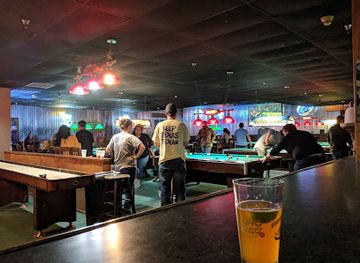
P.O.E.T.S. Billiards & Bar
Discover P.O.E.T.S. Billiards & Bar, a lively College Station venue for live music, pool, and delicious food, perfect for a night out with friends.
5 min drive · 1.7 km from city centre
-
Irish pub
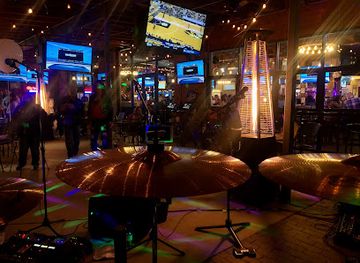
Mo's Irish Pub College Station
Discover the spirit of Ireland at Mo's Irish Pub in College Station, where authentic dishes and a vibrant atmosphere await every visitor.
9 min walk · 0.7 km from city centre
-
Bar
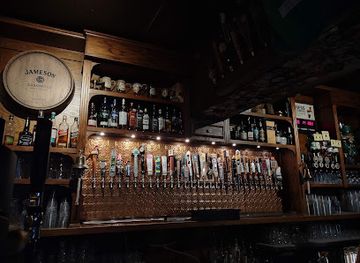
O'Bannon's Taphouse
Experience the vibrant atmosphere and extensive drink selection at O'Bannon's Taphouse, a must-visit bar in College Station, TX.
5 min drive · 1.7 km from city centre
-
Bar
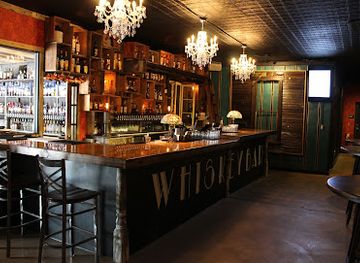
Rough Draught Whiskey Bar
Discover the spirit of College Station at Rough Draught Whiskey Bar, where over 300 whiskeys and a vibrant atmosphere await you.
5 min drive · 1.6 km from city centre
Best nightclubs in College Station
Nightlife in College Station is closely tied to Texas A&M and is concentrated most strongly in Northgate, the district immediately north of campus. Its bars and late-evening venues range from informal student gathering places to establishments with dancing, live music and televised sport, while legal drinking ages and venue identification rules are strictly observed. College Station also has breweries, cocktail-focused spaces and more relaxed lounges in newer commercial areas, including the vicinity of Century Square. For a quieter evening, cinemas, performances and university arts programming provide alternatives to bar culture, while Downtown Bryan offers live music, galleries and community events in a more historic setting. Activity rises sharply during football weekends and university celebrations, so the atmosphere can change from calm to crowded within hours.
-
Night club
Hurricane Harry's
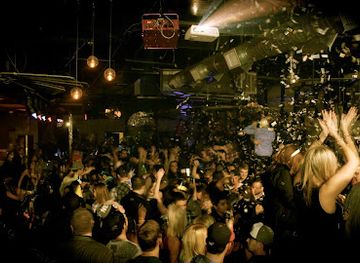
Dive into the vibrant nightlife of College Station at Hurricane Harry's, where live music and dancing create unforgettable memories.
13 min walk · 1.0 km from city centre
-
Night club
Shiner Park
Explore the lively nightlife at Shiner Park, College Station's top destination for music, dancing, and unforgettable evenings filled with fun.
5 min drive · 1.7 km from city centre
-
Night club
Social Lounge
Discover the energetic nightlife of Social Lounge, where music, drinks, and fun come together in College Station, Texas.
19 min walk · 1.5 km from city centre
-
Night club
Cowboy Club
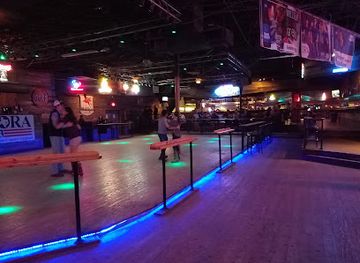
Discover the lively Cowboy Club in Bryan, Texas, where nightlife comes alive with dancing, karaoke, and games in a vibrant atmosphere.
11 min drive · 3.7 km from city centre
Best shops in College Station
Shopping in College Station is organised around university-oriented retail, modern mixed-use districts and larger suburban centres rather than a historic market quarter. Northgate has independent shops and services close to Texas A&M, with a youthful atmosphere shaped by students and campus life. Century Square combines contemporary shops, restaurants and open public areas, while Post Oak Mall provides a conventional enclosed shopping-centre experience serving the wider Bryan–College Station area. Visitors seeking locally made goods, art and gifts can also explore galleries and independent retailers in Downtown Bryan, where shopping is connected with historic streets and community events. Texas-themed clothing, Aggie merchandise, regional food products and work by local artists are among the most characteristic purchases, though stock and individual businesses change over time.
-
Shopping mall
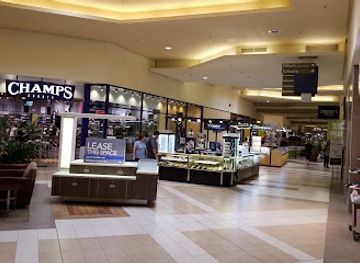
Post Oak Mall
Discover the charm of Post Oak Mall in College Station, Texas, where shopping, dining, and entertainment come together for an unforgettable experience.
9 min drive · 3.0 km from city centre
-
Book store
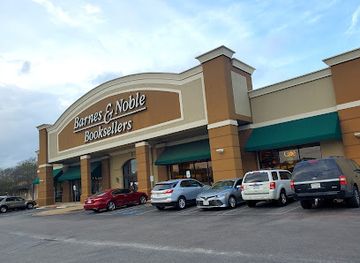
Barnes & Noble
Explore the literary treasures and cozy café at Barnes & Noble in College Station - your perfect retreat for books, coffee, and family fun.
5 min walk · 0.4 km from city centre
-
Shopping mall
Central Station
Explore Central Station, the ultimate shopping mall in College Station, Texas, offering diverse shops, delicious dining, and vibrant entertainment.
6 min drive · 1.9 km from city centre
-
Clothing store
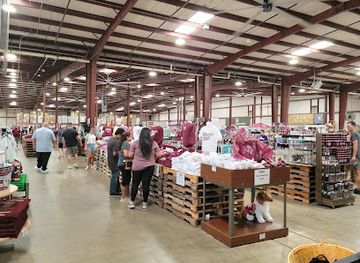
The Warehouse at C.C. Creations
Explore stylish trends and unique finds at The Warehouse at C.C. Creations, College Station's go-to clothing store for fashion lovers.
11 min drive · 3.6 km from city centre
Get your free copy of our complete guide to College Station, delivered straight to you.
Everything on this page, from attractions and restaurants to essentials and local phrases, in one PDF you can read offline, print or share.
Already have an account? Sign in
Your College Station guide is ready.
We'll send it to · Not you? Sign out

Getting your guide ready…
We are putting together a fresh copy of the College Station guide. This can take up to a minute.
This can take a few moments. If your browser asks, choose Allow so the download can start. You'll find the guide in your Downloads folder.
Nothing happened? Download it again
Sorry, the guide is taking longer than usual. Please try again in a minute, or get it by email instead.
College Station essentials
Currency and Payment
Safety
Emergency Situations
Do's and Don'ts
Local Tips
From Eve
Local phrases worth knowing
You don't need to get them perfect. A few words go a long way, and locals appreciate the effort.
Basics
| English | Local | Say it |
|---|---|---|
| Hello | Howdy | [haw-dee] |
| Goodbye | See ya later | [see ya lay-ter] |
| Yes | Yep | [yep] |
| No | Nope | [nope] |
| Please/You're welcome | Please/No problem | [pleez/no prob-lem] |
| Thank you | Thank ya | [thank yuh] |
| Excuse me/Sorry | Excuse me/My bad | [ex-kyooz me/my bad] |
| How are you? | Howdy, how ya doin'? | [haw-dee, how yuh doo-in'] |
| Fine. And you? | Great. And you? | [grayt. And yuh?] |
| Do you speak English? | Ya speak English? | [yah speak ing-glish?] |
| I don't understand | I ain't gettin' ya | [I aint get-tin' yuh] |
Eating & Drinking
| English | Local | Say it |
|---|---|---|
| I'd like to see the menu, please | Can I see the menu, please | [kan eye see the men-yoo, please] |
| I don't eat meat | I don't eat meat | [I don't eat meet] |
| Cheers! | Cheers! | [cheers] |
| I would like to pay, please | Can I pay, please | [kan eye pay, please] |
Emergencies
| English | Local | Say it |
|---|---|---|
| Help! | Help! | [help!] |
| Go away! | Git outta here! | [git out-ta here!] |
| Call the Police! | Call the cops! | [call the cops!] |
| Call a doctor! | Call a doc! | [call a doc!] |
| I'm lost | I'm lost | [I'm lost] |
| I'm ill | I'm sick | [I'm sick] |
Shopping
| English | Local | Say it |
|---|---|---|
| I'd like to buy... | I wanna buy... | [I wanna buy...] |
| I'm just looking | Just browsin' | [just brow-sin'] |
| How much is it? | How much does it cost? | [how much duz it cost?] |
| That's too expensive | That's way too much | [that's way too much] |
| Can you lower the price? | Can ya lower the price? | [can yuh lower the price?] |
Time & Numbers
| English | Local | Say it |
|---|---|---|
| What time is it? | What time is it? | [what time is it?] |
| It's one o'clock | It's one o'clock | [It's one o'clock] |
| Half past (10) | Half past (10) | [Half past (10)] |
| Morning | Morning | [Morning] |
| Afternoon | Afternoon | [Afternoon] |
| Evening | Evening | [Evening] |
| Yesterday | Yesterday | [Yesterday] |
| Today | Today | [Today] |
| Tomorrow | Tomorrow | [Tomorrow] |
| 1 | One | [One] |
| 2 | Two | [Two] |
| 3 | Three | [Three] |
| 4 | Four | [Four] |
| 5 | Five | [Five] |
| 6 | Six | [Six] |
| 7 | Seven | [Seven] |
| 8 | Eight | [Eight] |
| 9 | Nine | [Nine] |
| 10 | Ten | [Ten] |
Transport & Directions
| English | Local | Say it |
|---|---|---|
| Where's a/the...? | Where's a/the...? | [Where's a/the...?] |
| What's the address? | What's the address? | [What's the address?] |
| Can you show me (on the map)? | Can you show me (on the map)? | [Can you show me (on the map)?] |
| When's the next (bus)? | When's the next (bus)? | [When's the next (bus)?] |
| A ticket (to ....) | A ticket (to ....) | [A ticket (to ....)] |
History of College Station
Railway Origins and Agricultural Land
The community that became College Station emerged in the 1860s around a stop on the Houston and Texas Central Railway. The rail line crossed a sparsely settled agricultural district in Brazos County and provided the practical connection needed for a new educational institution. Early settlement was closely linked to farms, ranches, railway work and the development of nearby Bryan, which had been established as a county seat in the nineteenth century. The station's name reflected its relationship with the college rather than a conventional town centre, a clue to the way education would shape the community's identity.
The Agricultural and Mechanical College
The Agricultural and Mechanical College of Texas opened in 1876 as the state's first public institution of higher education. Its founding reflected the national land-grant college movement, which promoted practical instruction in agriculture, engineering and the mechanical arts. For decades, the campus stood apart from a conventional urban settlement, but its academic programmes, research work and growing enrolment steadily drew employees, families and businesses to the area. The institution later became Texas A&M University, and its expansion transformed the railway community into a university town with influence extending throughout Texas's agricultural and technical sectors.
A Permanent College Community
College Station was incorporated in 1938, formalising the municipality that had developed around the campus and railway station. Its growth accelerated after the Second World War as Texas A&M expanded its teaching, research and service roles. The university's military traditions, agricultural expertise and engineering strengths attracted students and specialists from across the state and beyond. Residential districts, roads and commercial areas spread outward from the original campus, while Bryan and College Station increasingly functioned as a connected urban area. The city's civic character consequently developed less from an old mercantile square than from the daily rhythms of university life.
From Military College to Public University
Texas A&M's identity changed significantly during the twentieth century. Once strongly associated with an all-male military education, the institution admitted women as students in stages and became a broader public university serving a wide range of academic disciplines. Its Corps of Cadets and military heritage remain visible, but research, professional education, medicine and international study now form important parts of its public role. These changes influenced College Station's population, housing and cultural life, bringing a more diverse community while preserving traditions that are especially prominent during sporting events, ceremonies and alumni gatherings.
Modern Aggieland
Late twentieth- and early twenty-first-century expansion brought new residential districts, retail centres, research activity and transport infrastructure to College Station. The George H.W. Bush Presidential Library and Museum opened on the Texas A&M campus in 1997, adding a major national historical institution to the city's cultural landscape. Kyle Field's redevelopment and the continuing growth of Texas A&M consolidated the university's role in regional life, while technology, healthcare and research joined agriculture and education as significant economic influences. Today, College Station's historical identity remains legible in its campus traditions, railway origins and close relationship with Bryan.
College Station in Photos
Browse through our photo collection highlighting the charm and character of the destination.
Cities near College Station
The closest cities to College Station, if you have time for more than one stop.
-

-

-

-
-


Swipe for more cities
Explore more
Explore more of Texas
Discover the diverse landscapes, rich history, vibrant cities, and culinary delights of Texas, the Lone Star State, where adventure and culture await at every turn.
Explore Texas