

Free Beaumont Travel Guide & Mobile App
Plan your Beaumont trip with Evendo. Get free guides to top attractions, restaurants, hotels, and bars. Web access or download the mobile app.


Beaumont, Texas pairs Spindletop oil history with museums, Gulf Coast cuisine, bird-rich wetlands, historic homes and easy access to Southeast Texas culture.
Oil, Water and Open Horizons
Beaumont stands in Southeast Texas, close to the Louisiana border and within reach of the Gulf Coast, where slow-moving waterways, pine forests and broad marshes shape the landscape. The city is best known as the birthplace of the modern Texas oil industry: the 1901 Spindletop gusher transformed Beaumont from a regional town into an international centre of petroleum production almost overnight. That legacy remains visible in museums, historic houses and civic institutions, but Beaumont is more than an oil-history destination. Its location between East Texas and the Gulf gives the city a layered cultural character influenced by Texas, Louisiana and the wider Gulf South.Read more about Beaumont
Museums and Historic Neighbourhoods
Wetlands, Gardens and Gulf-Flavoured Culture
When is the best time to visit Beaumont?
Best: March–April, October · 21–26°C| Month | High (°C) | Rainfall (mm) |
|---|---|---|
| January | 16 | 113 |
| February | 18 | 91 |
| March (best) | 21 | 102 |
| April (best) | 25 | 105 |
| May | 29 | 122 |
| June | 32 | 152 |
| July | 33 | 132 |
| August | 33 | 137 |
| September | 32 | 152 |
| October (best) | 26 | 132 |
| November | 21 | 122 |
| December | 16 | 113 |
Getting to and around Beaumont
How to get there
Transportation
Best attractions in Beaumont
Beaumont’s principal attractions are concentrated around several interconnected themes. Downtown museums include the Texas Energy Museum, which explains the science and industrial consequences of petroleum, the Art Museum of Southeast Texas, and the Fire Museum of Texas, housed in a former fire station and known for its historic firefighting displays. At Spindletop-Gladys-City Boomtown Museum, reconstructed buildings evoke the oil camp that followed the 1901 gusher. The McFaddin-Ward House offers a more intimate view of Beaumont’s early twentieth-century prosperity, while the Edison Museum explores Thomas Edison’s regional connections and technological legacy. Outdoor attractions add a very different atmosphere: the Beaumont Botanical Gardens and Tyrrell Park provide landscaped and wooded space, and the Cattail Marsh Scenic Wetlands bring walking routes and birdwatching close to the city. The restored Jefferson Theatre and downtown heritage buildings add architectural and cultural interest between museum visits.
-
Tourist attraction
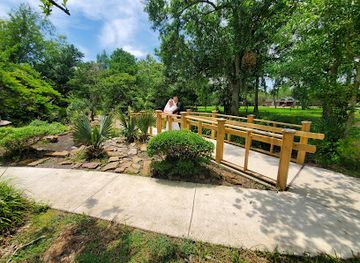
Tyrrell Park
Explore Tyrrell Park in Beaumont, TX for a peaceful and scenic experience, featuring lush gardens, walking trails, and a charming lily pad dock.
20 min drive · 6.5 km from city centre
-
Tourist attraction
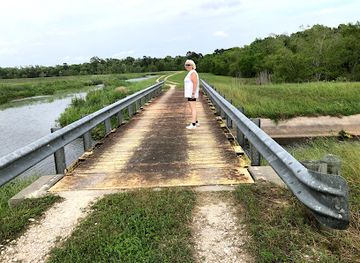
Cattail Marsh Scenic Wetlands & Boardwalk
Experience the rich biodiversity and scenic beauty of Cattail Marsh Scenic Wetlands & Boardwalk in Beaumont, Texas, a perfect escape for nature lovers.
25 min drive · 8.3 km from city centre
-
Performing arts theater
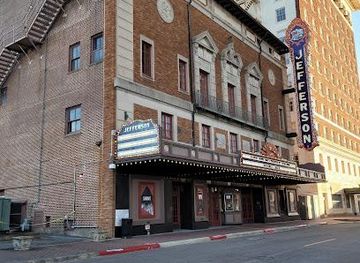
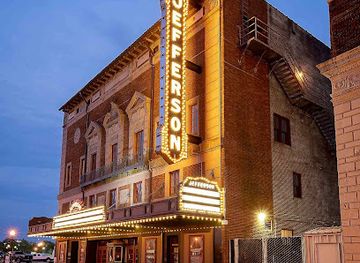
Jefferson Theatre
Discover the historic Jefferson Theatre in Beaumont, Texas - a captivating venue for performing arts, rich in history and cultural significance.
8 min drive · 2.8 km from city centre
-
Tourist attraction
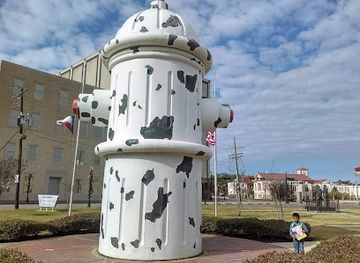
Beaumont Children's Museum
Explore creativity and learning at Beaumont Children's Museum, a must-visit family attraction in Beaumont, Texas, filled with interactive exhibits for young minds.
9 min drive · 3.0 km from city centre
Best landmarks in Beaumont
Beaumont’s landmarks trace the city’s transformation from a river and timber settlement into an oil and industrial centre. The Spindletop-Gladys-City Boomtown Museum commemorates the site and social world associated with the 1901 Lucas gusher, while the McFaddin-Ward House represents the wealth that petroleum and regional commerce brought to an early twentieth-century family. Downtown, the Jefferson Theatre is a notable historic entertainment building whose restored façade and interior reflect the city’s cultural ambitions. The First United Methodist Church and other central religious and civic buildings contribute to Beaumont’s historic streetscape, while the Art Museum of Southeast Texas provides a modern cultural landmark near the older commercial core. The Fire Museum of Texas is significant both for its collection and for its distinctive former fire-station setting. Together these places show how architecture, technology, religion and public culture developed alongside the oil economy.
-
American
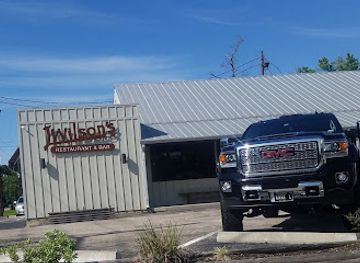
JWilson's
Discover the best of American cuisine at JWilson's, a vibrant restaurant and bar in Beaumont, Texas, perfect for food lovers and social gatherings.
7 min drive · 2.5 km from city centre
-
Shopping mall
Gateway Shopping Center
Explore Beaumont's Gateway Shopping Center for a delightful mix of shopping, dining, and entertainment in the heart of Texas.
14 min walk · 1.1 km from city centre
-
Performing arts theater
Jefferson Theatre
Discover the historic charm and vibrant performances at Jefferson Theatre in Beaumont, Texas, a premier destination for the performing arts.
8 min drive · 2.8 km from city centre
-
Bar
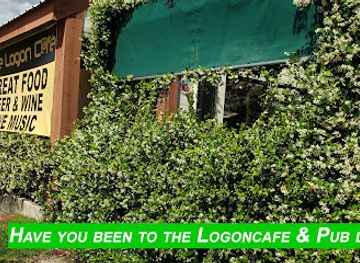
The Logon Cafe & Pub
Discover the vibrant atmosphere of The Logon Cafe & Pub in Beaumont, Texas, where live music, delicious food, and entertainment come together for an unforgettable experience.
5 min drive · 1.6 km from city centre
Explore Beaumont on the map
Plan your Beaumont trip on one map. See where the top attractions, landmarks, restaurants, bars and hotels are, find what's near where you're staying, and book hotels and experiences in a few clicks.
Best hotels in Beaumont
Best restaurants in Beaumont
Beaumont’s dining culture reflects its position between East Texas, the Gulf Coast and Louisiana. Seafood is central, with shrimp, oysters, crabs and fried fish appearing alongside familiar Southern and Texan preparations, while Cajun and Creole influences bring dishes such as gumbo, étouffée and boudin into the regional conversation. Barbecue, burgers, Tex-Mex and comfort food are also part of the everyday scene, and independent cafés and bakeries provide lighter options around central and commercial districts. Downtown and the Calder Avenue area offer a mix of established restaurants and casual venues, while food markets and seasonal community events provide opportunities to encounter local producers and prepared specialities. Beaumont’s culinary identity is less about a single signature dish than about the meeting of rice-growing country, coastal seafood, immigrant traditions and the cooking cultures of nearby southwest Louisiana.
-
Seafood
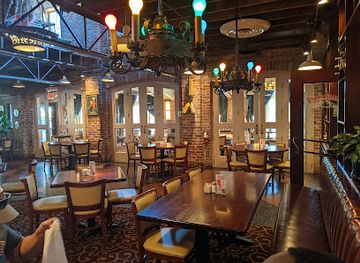
Pappadeaux Seafood Kitchen
Experience authentic Southern seafood at Pappadeaux Seafood Kitchen in Beaumont—where freshness meets flavor in every bite.
17 min drive · 5.6 km from city centre
-
Buffet
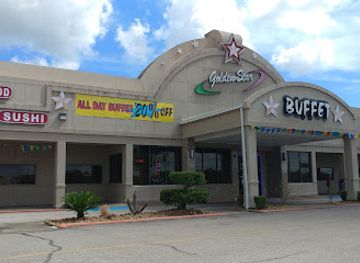
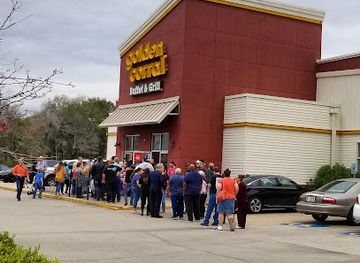
Golden Corral Buffet & Grill
Experience the ultimate buffet dining at Golden Corral Buffet & Grill in Beaumont – where diverse flavors meet family-friendly service.
9 min drive · 2.9 km from city centre
-
Steak
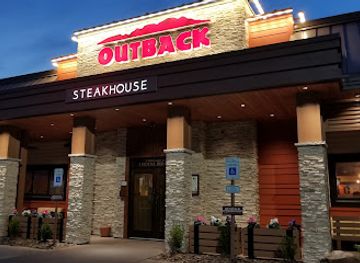
Outback Steakhouse
Discover authentic Australian flavors blended with American favorites at Beaumont's renowned Outback Steakhouse.
9 min drive · 2.8 km from city centre
-
Seafood
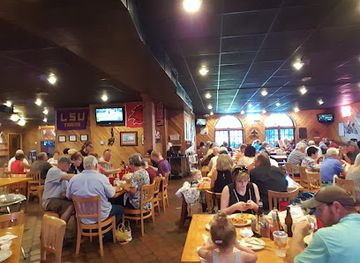
Floyds Seafood - Beaumont
Experience the best seafood and steak in Beaumont at Floyd's Seafood - where fresh ingredients meet unforgettable flavors.
10 min drive · 3.2 km from city centre
Best bars in Beaumont
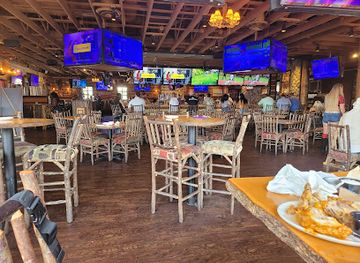
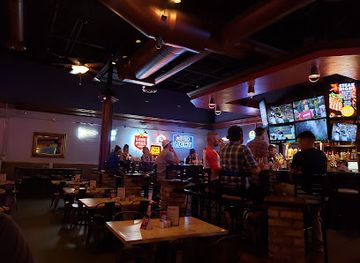
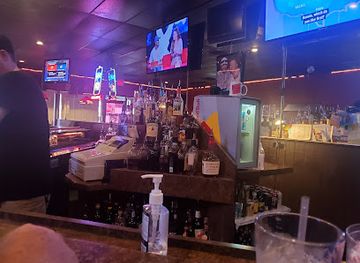
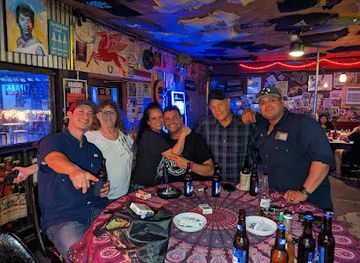
Beaumont’s evening life is relatively relaxed and dispersed rather than focused on a large club scene. The Crockett Street Entertainment District is the city’s best-known nightlife quarter, with historic commercial buildings, bars, live music and social venues creating a more concentrated after-dark atmosphere. Elsewhere, neighbourhood bars, casual pubs and restaurants provide spaces for drinks, televised sport and conversation, while occasional concerts and performances at venues such as the Jefferson Theatre broaden the cultural programme. The city’s proximity to Louisiana is reflected in a fondness for live regional music and informal Southern hospitality, although the scale remains that of a mid-sized Southeast Texas city. Evening visitors should check current event listings and transport arrangements, particularly when moving between downtown and venues outside the central district.
-
Sports bar
Twin Peaks
Twin Peaks in Beaumont combines a lively sports bar atmosphere with delicious American food and a vast selection of beers, ideal for any sports fan.
15 min drive · 4.9 km from city centre
-
Grill
Madison's
Discover Madison's Grill in Beaumont, Texas – a delightful dining destination known for its grilled specialties and inviting atmosphere.
17 min drive · 5.7 km from city centre
-
Pool hall
Eddie's Tavern Beaumont
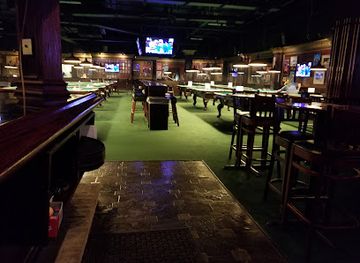
Discover Eddie's Tavern Beaumont, where billiards, great food, and a lively atmosphere come together for an unforgettable experience in Texas.
12 min drive · 4.1 km from city centre
-
Bar
The Logon Cafe & Pub
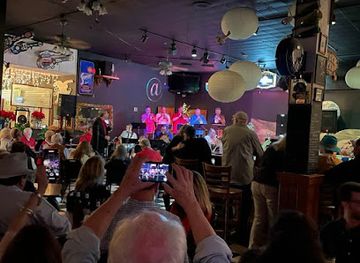
Experience the vibrant nightlife and delicious cuisine at The Logon Cafe & Pub, Beaumont's go-to spot for live music and entertainment.
5 min drive · 1.6 km from city centre
Best nightclubs in Beaumont
Beaumont’s evening life is relatively relaxed and dispersed rather than focused on a large club scene. The Crockett Street Entertainment District is the city’s best-known nightlife quarter, with historic commercial buildings, bars, live music and social venues creating a more concentrated after-dark atmosphere. Elsewhere, neighbourhood bars, casual pubs and restaurants provide spaces for drinks, televised sport and conversation, while occasional concerts and performances at venues such as the Jefferson Theatre broaden the cultural programme. The city’s proximity to Louisiana is reflected in a fondness for live regional music and informal Southern hospitality, although the scale remains that of a mid-sized Southeast Texas city. Evening visitors should check current event listings and transport arrangements, particularly when moving between downtown and venues outside the central district.
-
Night club
Thirsty's
Experience the vibrant nightlife at Thirsty's, Beaumont's top destination for cocktails, dancing, and live music in an inviting atmosphere.
13 min drive · 4.5 km from city centre
-
Bar
Texas Rose Saloon
Discover the vibrant nightlife of Beaumont at Texas Rose Saloon, a lively dive bar known for its great drinks, delicious food, and live music.
10 min drive · 3.2 km from city centre
-
Night club
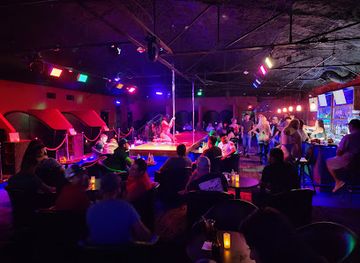
Temptations Cabaret
Discover Beaumont's vibrant nightlife at Temptations Cabaret, a hub for adult entertainment, live performances, and unforgettable experiences.
10 min drive · 3.4 km from city centre
-
Bar
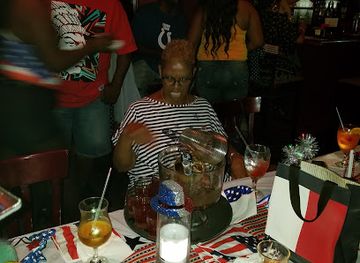
Entire Night Lyfe By Nell’s Place
Discover the lively nightlife at Entire Night Lyfe By Nell’s Place in Beaumont, TX, where great drinks and an electric atmosphere await.
9 min drive · 3.1 km from city centre
Best shops in Beaumont
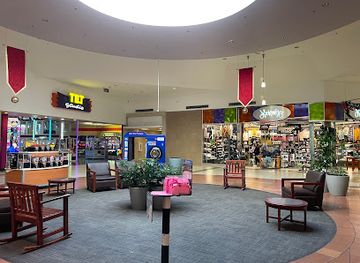
Shopping in Beaumont combines practical retail with independent businesses, antiques and locally flavoured gifts. The downtown and Calder Avenue areas contain small retailers, galleries, specialist shops and antique businesses in older commercial surroundings, while Parkdale Mall and nearby commercial corridors provide a broader concentration of national retailers and everyday services. Visitors looking for regional products may find Southeast Texas foodstuffs, sauces, preserves, crafts and oil-themed souvenirs, although availability varies between shops and seasonal markets. Antique shopping is particularly suited to the city’s historic character, with furniture, decorative objects and memorabilia reflecting the area’s domestic and industrial past. Farmers’ and makers’ markets, when operating, offer a more direct connection to local producers than conventional shopping centres. The most distinctive purchases are usually modest and practical: regional flavours, handmade goods, historic photographs or items connected with Beaumont’s petroleum heritage.
-
Shopping mall
Parkdale Mall
Discover Beaumont's premier retail destination at Parkdale Mall, where shopping, dining, and entertainment come together for a perfect day out.
18 min drive · 5.9 km from city centre
-
Shopping mall
Dowlen Towne Center
Experience the ultimate shopping and dining destination at Dowlen Towne Center, Beaumont, Texas, where retail therapy meets culinary delights.
18 min drive · 5.9 km from city centre
-
Shopping mall
Gateway Shopping Center
Explore Beaumont's Gateway Shopping Center for an unforgettable shopping experience filled with diverse stores and delightful dining options.
14 min walk · 1.1 km from city centre
-
Shopping mall
Parkdale Place
Explore Parkdale Place in Beaumont, Texas – your ultimate shopping destination with diverse stores, dining, and family-friendly entertainment.
17 min drive · 5.6 km from city centre
Get your free copy of our complete guide to Beaumont, delivered straight to you.
Everything on this page, from attractions and restaurants to essentials and local phrases, in one PDF you can read offline, print or share.
Already have an account? Sign in
Your Beaumont guide is ready.
We'll send it to · Not you? Sign out

Getting your guide ready…
We are putting together a fresh copy of the Beaumont guide. This can take up to a minute.
This can take a few moments. If your browser asks, choose Allow so the download can start. You'll find the guide in your Downloads folder.
Nothing happened? Download it again
Sorry, the guide is taking longer than usual. Please try again in a minute, or get it by email instead.
Beaumont essentials
Currency and Payment
Safety
Emergency Situations
Do's and Don'ts
Local Tips
From Eve
Local phrases worth knowing
You don't need to get them perfect. A few words go a long way, and locals appreciate the effort.
Basics
| English | Local | Say it |
|---|---|---|
| Hello | Howdy | [hahw-dee] |
| Goodbye | See ya later | [see yuh lay-tur] |
| Yes | Yep | [yep] |
| No | Nope | [nohp] |
| Please/You're welcome | Please and thank you | [pleez and thankyuh] |
| Thank you | Thanks a bunch | [thanks uh bunch] |
| Excuse me/Sorry | Pardon me | [pahr-dun me] |
| How are you? | How y'all doin'? | [haw yawl doin] |
| Fine. And you? | Just fine. How 'bout you? | [just fahyn. how bout yuh] |
| Do you speak English? | Ya speak English? | [yah speak ing-lish] |
| I don't understand | I ain't catchin' on | [ah aint kach-in on] |
Eating & Drinking
| English | Local | Say it |
|---|---|---|
| I'd like to see the menu, please | Can I check out the menu? | [kan eye chek out thuh menu] |
| I don't eat meat | I don't do meat | [ah doant doh meet] |
| Cheers! | Cheers! | [cheers] |
| I would like to pay, please | I'll settle up, please | [ahll set-uhl up pleez] |
Emergencies
| English | Local | Say it |
|---|---|---|
| Help! | SOS! | [ess-oh-ess] |
| Go away! | Git! | [jit] |
| Call the Police! | Ring up the Po-Po! | [ring up thuh po-po] |
| Call a doctor! | Get a sawbones! | [get uh saw-bohns] |
| I'm lost | I'm turned around | [ahm turnd uh-round] |
| I'm ill | I'm under the weather | [ahm under thuh weh-thur] |
Shopping
| English | Local | Say it |
|---|---|---|
| I'd like to buy... | I reckon I'll buy... | [ah reckon ahl buy] |
| I'm just looking | Just browsin' | [just brow-zin] |
| How much is it? | What's the damage? | [wuts thuh dam-ij] |
| That's too expensive | That's high-priced | [thats hai-prahst] |
| Can you lower the price? | Can ya cut me a deal? | [kan yuh kut me uh deel] |
Time & Numbers
| English | Local | Say it |
|---|---|---|
| What time is it? | What's the clock say? | [wuts thuh klok say] |
| It's one o'clock | It's one | [its wun] |
| Half past (10) | Ten-thirty | [ten-thur-tee] |
| Morning | Mornin' | [mawrnin] |
| Afternoon | Afternoon | [aft-ur-noon] |
| Evening | Evenin' | [ee-vuh-nin] |
| Yesterday | Yest'day | [yest-duh] |
| Today | Today | [tuh-day] |
| Tomorrow | Tomorrer | [tuh-mor-ur] |
| 1 | One | [wun] |
| 2 | Two | [too] |
| 3 | Three | [three] |
| 4 | Four | [fawr] |
| 5 | Five | [fahyv] |
| 6 | Six | [siks] |
| 7 | Seven | [sev-uhn] |
| 8 | Eight | [ayt] |
| 9 | Nine | [nahn] |
| 10 | Ten | [ten] |
Transport & Directions
| English | Local | Say it |
|---|---|---|
| Where's a/the...? | Where's the... at? | [wheres thuh at] |
| What's the address? | What's the addy? | [whuts thuh add-ee] |
| Can you show me (on the map)? | Can ya point it out (on the map)? | [kan yuh point it out on thuh map] |
| When's the next (bus)? | When's the next (bus) comin'? | [whens thuh next bus cum-in] |
| A ticket (to ....) | A ticket (to ....) | [uh tick-et to] |
History of Beaumont
Indigenous Landscapes and Early Settlement
The Beaumont area lies within the historic homeland of the Atakapa-Ishak people, whose communities used the rivers, marshes and coastal prairies of the upper Gulf region. European exploration and later settlement altered these landscapes through land claims, agriculture and trade. The town that became Beaumont was established in the 1830s by entrepreneurs associated with the Beaumont family, and it was named for Mary Dewburleigh Barlace Warren Beaumont, the wife of an early settler. Its position near the Neches River gave the growing community access to timber, farming areas and waterborne commerce, helping it develop as a small regional centre before the great industrial changes of the twentieth century.
Railways, Timber and River Commerce
During the nineteenth century Beaumont expanded through connections with the Neches River and the arrival of railways, which linked Southeast Texas with wider American markets. The surrounding forests supported a major timber industry, while rice cultivation and related agricultural trade became important in the coastal plain. Sawmills, warehouses and transport businesses reshaped the town’s economy and population. Beaumont’s location also encouraged exchange with neighbouring Louisiana and other Gulf communities, creating cultural and commercial links that remain evident in local foodways and regional identity. By the end of the century, the city had the infrastructure and investment networks that would allow a dramatic economic transformation when petroleum was discovered nearby.
The Spindletop Gusher of 1901
On 10 January 1901, the Lucas gusher erupted at Spindletop Hill south of Beaumont, producing oil at a scale that captured international attention. The strike helped demonstrate the commercial potential of petroleum drilling and encouraged rapid investment, migration and industrial development across Texas and beyond. Beaumont’s population surged as workers, speculators and businesses arrived, while the rough settlement around the well became associated with the fast-moving excitement of the oil boom. Production at Spindletop later declined, but the discovery established the foundations of the Texas petroleum industry and changed the city’s economic trajectory. The Spindletop-Gladys-City Boomtown Museum interprets this formative period through reconstructed buildings and historical displays.
Industry, Port Development and War
The decades after Spindletop saw Beaumont become part of a broader petroleum and manufacturing network. Refineries, pipelines, railways and port facilities strengthened the city’s industrial importance, while the Port of Beaumont developed along the Neches River as a major inland waterway connection. Shipbuilding and defence-related production expanded during the Second World War, drawing workers and reinforcing Beaumont’s role in the national industrial economy. These changes also brought population growth and social transformation, although industrial prosperity was accompanied by environmental pressures and unequal opportunities. The city’s museums and working waterfront connections reflect how oil, transportation and manufacturing shaped modern Beaumont.
A Modern Southeast Texas City
After the wartime period, Beaumont continued to balance heavy industry with commerce, education, healthcare and cultural development. Historic homes, downtown theatres and twentieth-century civic buildings preserve traces of the city’s earlier prosperity, while museums document the technological and social history of the oil era. Beaumont has also remained connected to the environmental character of Southeast Texas through parks, river corridors and wetland habitats such as Cattail Marsh. Its contemporary identity reflects several overlapping histories: Indigenous presence, Gulf Coast migration, timber and rice, petroleum, port activity and the cultural influence of neighbouring Louisiana. Together they account for a city whose heritage is both industrial and ecological.
Beaumont in Photos
Browse through our photo collection highlighting the charm and character of the destination.
Cities near Beaumont
The closest cities to Beaumont, if you have time for more than one stop.
-

-

-
-

-


Swipe for more cities
Explore more
Explore more of Texas
Discover the diverse landscapes, rich history, vibrant cities, and culinary delights of Texas, the Lone Star State, where adventure and culture await at every turn.
Explore Texas