

Free Houston Travel Guide & Mobile App
Plan your Houston trip with Evendo. Get free guides to top attractions, restaurants, hotels, and bars. Web access or download the mobile app.


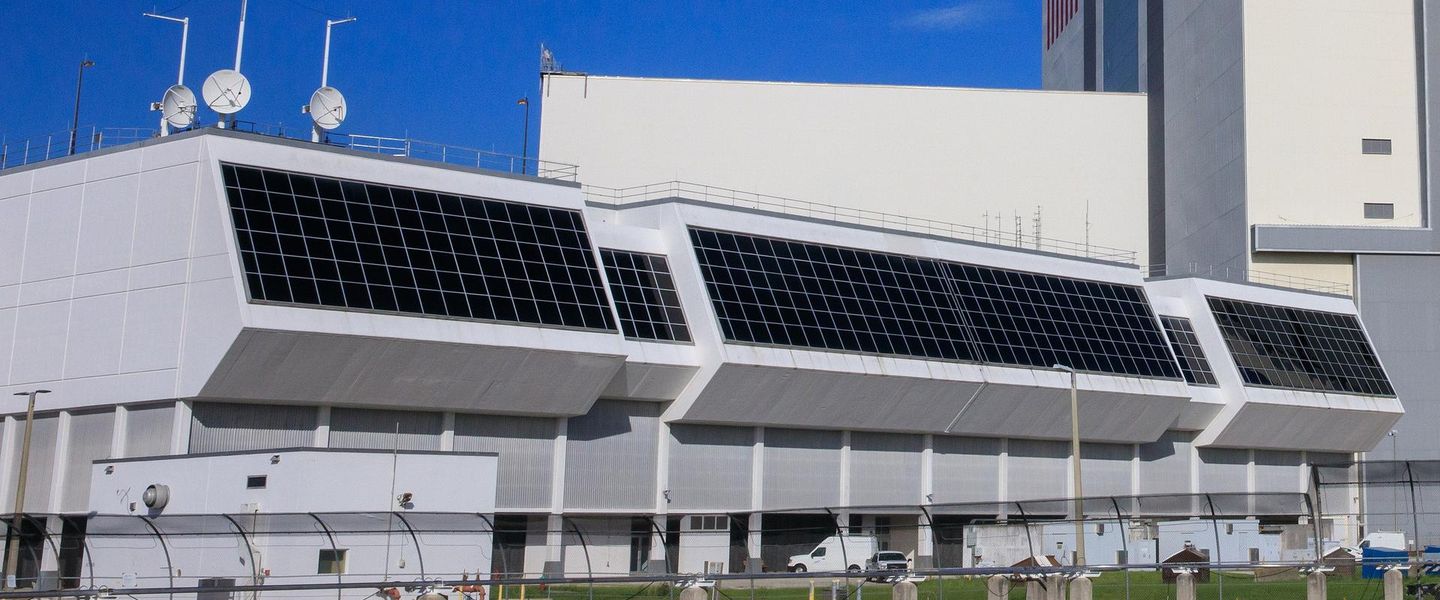


Houston, Texas blends Space Center history, world-class museums, global dining, lively neighbourhoods and Gulf Coast culture across a sprawling city.
A City Shaped by Water and Enterprise
Houston spreads across the flat coastal plain of southeast Texas, where the Buffalo Bayou system connects the inland city with the Houston Ship Channel and the Gulf of Mexico. Founded in 1836, it grew from a speculative settlement into a major port, energy centre, medical capital and one of the most internationally diverse cities in the United States. Its broad roads and distant horizons give it a distinctly Texan scale, while historic districts, shaded parks and walkable cultural precincts offer more intimate ways to explore.Read more about Houston
Landmarks of Science and Culture
Neighbourhoods and Everyday Life
When is the best time to visit Houston?
Best: March–April, October · 22–26°C| Month | High (°C) | Rainfall (mm) |
|---|---|---|
| January | 17 | 88 |
| February | 19 | 77 |
| March (best) | 22 | 87 |
| April (best) | 26 | 84 |
| May | 29 | 114 |
| June | 32 | 122 |
| July | 33 | 97 |
| August | 33 | 106 |
| September | 31 | 107 |
| October (best) | 26 | 100 |
| November | 21 | 95 |
| December | 17 | 97 |
Getting to and around Houston
How to get there
Transportation
Best attractions in Houston
Houston's attractions range from major cultural institutions to large spaces for outdoor recreation. Space Center Houston in the Clear Lake area presents the history of NASA's crewed space programme through spacecraft, mission hardware and astronaut training exhibits. Closer to the centre, the Museum District brings together the Houston Museum of Natural Science, the Museum of Fine Arts, Houston, the Contemporary Arts Museum Houston and the Menil Collection, whose galleries span ancient objects, European art and modern works. Hermann Park combines gardens, open lawns, the Houston Zoo and the McGovern Centennial Gardens, while Discovery Green provides a lively public space beside Downtown's convention and sports venues. Buffalo Bayou Park offers walking and cycling paths, skyline views, public art and access to the Buffalo Bayou Park Cistern. The Houston Livestock Show and Rodeo adds a strongly Texan dimension when its seasonal programme is taking place.
-
Tourist attraction
Space Center Houston
Discover the universe's secrets at Space Center Houston, the official NASA visitor center with thrilling exhibits and captivating space explorations.
55 min drive · 35 km from city centre
-
Tourist attraction
Space Center Houston
Explore the wonders of space exploration at Space Center Houston, the gateway to NASA's missions and a captivating science museum experience.
55 min drive · 35 km from city centre
-
Zoo
Houston Zoo
Explore the Houston Zoo, home to over 6,000 animals and a leader in wildlife conservation. A family-friendly adventure awaits in Texas!
16 min drive · 5.3 km from city centre
-
Tourist attraction
Kemah Boardwalk
Experience the excitement of Kemah Boardwalk, a dynamic amusement park and waterfront destination offering thrilling rides, diverse dining, and vibrant entertainment in Texas.
1 h 1 min drive · 41 km from city centre


Best landmarks in Houston
Houston's landmarks reflect commerce, government, science and the city's relationship with water. The San Jacinto Monument, east of the central city in the wider Houston area, commemorates the decisive 1836 battle of the Texas Revolution and stands beside the San Jacinto Battleground and nearby battleship museum. Within Houston, the restored Julia Ideson Building and the adjacent Houston Public Library Central Library represent the civic architecture of the former Downtown core, while the Esperson Buildings preserve an early twentieth-century commercial presence on Main Street. The Gerald D. Hines Waterwall Park in Uptown is a modern landmark, formed by a large semicircular fountain wall, and the Williams Tower is one of the area's most recognisable towers. The Rothko Chapel in Montrose offers a landmark of modern art and contemplative architecture, while the Astrodome remains an important symbol of Houston's sporting and engineering history.
-
Park
Hermann Park
Experience the beauty and tranquility of Hermann Park, a stunning urban retreat in Houston, Texas, perfect for relaxation and family fun.
17 min drive · 5.6 km from city centre
-
Tourist attraction
Downtown Aquarium
Experience the wonders of the ocean at Houston's Downtown Aquarium, where adventure meets education in an enchanting aquatic setting.
6 min walk · 0.5 km from city centre
-
Park
Gerald D. Hines Waterwall Park
Experience the tranquil beauty of Gerald D. Hines Waterwall Park, a stunning urban oasis with a spectacular waterfall and lush greenery in Houston.
28 min drive · 9.2 km from city centre
-
Historical place
San Jacinto Battleground State Historic Site
Explore the San Jacinto Battleground State Historic Site, where Texas history comes alive through its iconic monument and rich heritage.
48 min drive · 28 km from city centre


Explore Houston on the map
Plan your Houston trip on one map. See where the top attractions, landmarks, restaurants, bars and hotels are, find what's near where you're staying, and book hotels and experiences in a few clicks.
Neighbourhoods in Houston
-

-
-

-

-


Swipe for more neighbourhoods
Best hotels in Houston
Best restaurants in Houston
Houston's dining scene reflects its position as a port city, energy capital and destination for international migration. Tex-Mex, Gulf Coast seafood, smoked brisket and other forms of Texas barbecue remain central, while Vietnamese-Cajun cooking expresses the long relationship between Vietnamese communities and the Gulf fishing industry. Chinatown and Asiatown contain Chinese, Vietnamese, Korean, Taiwanese and other Asian cuisines; Hillcroft Avenue is associated with South Asian and Middle Eastern dining; and restaurants across the East End, Montrose and the Heights add Mexican, Central American, African and contemporary American cooking. Breakfast tacos, kolaches, bakeries, taquerias and food halls provide casual options, while farmers' markets and specialist grocers reveal the city's broad ingredient base. Houston's culinary identity is less about a single signature dish than about the way Gulf, Texas and global traditions meet in neighbourhood kitchens.
-
Steak
Taste of Texas
Discover the rich flavors of premium steaks at Taste of Texas – where gourmet dining meets traditional butcher craftsmanship in Houston.
38 min drive · 18 km from city centre
-
American
The Rustic
Experience the best of American cuisine at The Rustic in Downtown Houston, where local flavors meet vibrant atmosphere.
5 min drive · 1.5 km from city centre
-
Seafood
Aquarium Restaurant
Experience fine seafood dining surrounded by mesmerizing aquatic wonders at Houston's premier family-friendly restaurant.
7 min walk · 0.5 km from city centre
-
Creole
Phil & Derek's
Discover the essence of Creole cuisine at Phil & Derek's in Houston - where vibrant flavors meet warm hospitality.
5 min drive · 1.8 km from city centre


Best bars in Houston
Houston's evening life is spread across several districts rather than concentrated in one old town. Downtown offers sports bars, theatres, concert venues and the nightlife around Main Street, where METRORail makes movement between venues relatively straightforward. Montrose is known for relaxed bars, cocktail rooms, music venues and a long-established LGBTQ+ scene, while Washington Avenue has a more club-oriented, late-evening character. The Heights and EaDo provide breweries, patios and live music, and Midtown attracts bars serving the large professional and student populations nearby. Houston's cultural evenings also include performances at the Theater District, concerts at established venues and events at the Miller Outdoor Theatre in Hermann Park when scheduled. Distances between districts make rideshares or taxis useful after dark, and the city's heat often shifts social life towards air-conditioned interiors and shaded patios.
-
Beer Garden
Axelrad Beer Garden
Experience the vibrant atmosphere of Axelrad Beer Garden, Houston's premier destination for craft beers, cocktails, and live music in a lush outdoor setting.
9 min drive · 2.9 km from city centre
-
Grill
Cedar Creek
Experience a vibrant blend of American grill favorites and lively bar ambiance at Cedar Creek in Houston's Greater Heights.
20 min drive · 6.7 km from city centre
-
Bar
Boheme
Experience the vibrant nightlife of Houston at Boheme, a bar and grill in Montrose offering delicious food, craft cocktails, and a lively atmosphere.
6 min drive · 2.1 km from city centre
-
Cocktail bar
Anvil
Discover Anvil, Houston's premier cocktail bar offering an exquisite selection of artisanal drinks and a vibrant atmosphere in the heart of Montrose.
10 min drive · 3.3 km from city centre


Best nightclubs in Houston
Houston's evening life is spread across several districts rather than concentrated in one old town. Downtown offers sports bars, theatres, concert venues and the nightlife around Main Street, where METRORail makes movement between venues relatively straightforward. Montrose is known for relaxed bars, cocktail rooms, music venues and a long-established LGBTQ+ scene, while Washington Avenue has a more club-oriented, late-evening character. The Heights and EaDo provide breweries, patios and live music, and Midtown attracts bars serving the large professional and student populations nearby. Houston's cultural evenings also include performances at the Theater District, concerts at established venues and events at the Miller Outdoor Theatre in Hermann Park when scheduled. Distances between districts make rideshares or taxis useful after dark, and the city's heat often shifts social life towards air-conditioned interiors and shaded patios.
-
Lounge
The Spot
Experience Houston's nightlife at The Spot, a vibrant lounge with great cocktails, music, and an unforgettable atmosphere.
12 min drive · 4.0 km from city centre
-
Bar
Dbar
Experience the vibrant nightlife at Dbar in Houston, where cocktails, music, and great company create unforgettable memories.
11 min drive · 3.8 km from city centre
-
Bar
Dan Electro's
Discover the heart of Houston's live music scene at Dan Electro's, where great cocktails meet unforgettable performances in a vibrant atmosphere.
17 min drive · 5.6 km from city centre
-
Night club
Barbarella
Dive into Houston's electrifying nightlife at Barbarella, where every night is a celebration of music, dance, and unforgettable experiences.
5 min drive · 1.7 km from city centre


Best shops in Houston
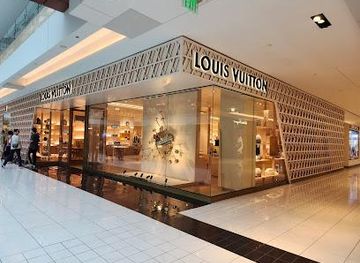
Houston's retail landscape is spread across neighbourhood streets, specialist districts and major commercial centres. The Galleria in Uptown is the city's best-known large shopping complex, combining department stores, fashion retailers and restaurants, while Highland Village and River Oaks District provide further concentrated retail. For a more local atmosphere, the Heights offers independent boutiques, vintage shops, homewares and small businesses along and around 19th Street and the Heights Boulevard area. Montrose is associated with galleries, design shops, records, vintage clothing and locally made goods, while the Houston Farmers Market and specialist food shops reflect the city's international population. Visitors can look for Texas-made leather goods, boots, Western wear, hot sauces, coffee, regional foods and contemporary artwork rather than treating souvenirs as a single traditional craft. Retail areas are often separated by major roads, so browsing usually requires planning across districts.
-
Shopping mall
The Galleria
Explore The Galleria, Houston's premier shopping destination featuring luxury brands, diverse dining, and entertainment.
28 min drive · 9.3 km from city centre
-
Shopping mall
River Oaks District
Experience luxury shopping and fine dining at River Oaks District, Houston's premier destination for elegance and entertainment.
25 min drive · 8.3 km from city centre
-
Shopping mall
Bayou Place
Discover the excitement of Bayou Place, Houston's premier shopping and entertainment destination in the heart of the Theater District.
4 min walk · 0.3 km from city centre
-
Gift shop
Ellicor Gift Shop
Explore Ellicor Gift Shop in Houston for a delightful selection of unique gifts and local treasures that capture the essence of Texas.
39 min drive · 19 km from city centre

Get your free copy of our complete guide to Houston, delivered straight to you.
Everything on this page, from attractions and restaurants to essentials and local phrases, in one PDF you can read offline, print or share.
Already have an account? Sign in
Your Houston guide is ready.
We'll send it to · Not you? Sign out

Getting your guide ready…
We are putting together a fresh copy of the Houston guide. This can take up to a minute.
This can take a few moments. If your browser asks, choose Allow so the download can start. You'll find the guide in your Downloads folder.
Nothing happened? Download it again
Sorry, the guide is taking longer than usual. Please try again in a minute, or get it by email instead.
Houston essentials
Currency and Payment
Safety
Emergency Situations
Do's and Don'ts
Local Tips
From Eve
Local phrases worth knowing
You don't need to get them perfect. A few words go a long way, and locals appreciate the effort.
Basics
| English | Local | Say it |
|---|---|---|
| Hello | Howdy | [haʊ-di] |
| Goodbye | See ya later | [siː jə ˈleɪ.tər] |
| Yes | Yep | [jɛp] |
| No | Nah | [nɑ] |
| Please/You're welcome | Please/No problem | [pliːz / noʊ ˈprɑ.bləm] |
| Thank you | Thanks | [θæŋks] |
| Excuse me/Sorry | Excuse me/My bad | [ɪkˈskjuz miː / maɪ bæd] |
| How are you? | Howdy, how y'all doin'? | [haʊ-di, haʊ y'ɔːl ˈduɪn] |
| Fine. And you? | Great. And you? | [ɡreɪt. ænd ju] |
| Do you speak English? | Ya speak English? | [jə spiːk ˈɪŋ.ɡlɪʃ] |
| I don't understand | I don't get it | [aɪ doʊnt ˈʌn.də.stænd] |
Eating & Drinking
| English | Local | Say it |
|---|---|---|
| I'd like to see the menu, please | Can I see the menu, please? | [kæn aɪ siː ðə ˈmɛnjuː pliːz] |
| I don't eat meat | I don't eat meat | [aɪ doʊnt it mit] |
| Cheers! | Cheers! | [ʧɪrz] |
| I would like to pay, please | I'll take the check, please | [aɪl teɪk ðə ʧɛk pliːz] |
Emergencies
| English | Local | Say it |
|---|---|---|
| Help! | Help! | [hɛlp] |
| Go away! | Get lost! | [ɡɛt lɔst] |
| Call the Police! | Call the cops! | [kɔl ðə kɑps] |
| Call a doctor! | Call a doc! | [kɔl ə dɑk] |
| I'm lost | I'm lost | [aɪm lɔst] |
| I'm ill | I'm sick | [aɪm sɪk] |
Shopping
| English | Local | Say it |
|---|---|---|
| I'd like to buy... | I wanna buy... | [aɪ ˈwɑnə baɪ] |
| I'm just looking | Just browsing | [ʤʌst ˈbraʊzɪŋ] |
| How much is it? | How much does it cost? | [haʊ mʌʧ dəz ɪt kɔst] |
| That's too expensive | That's way too much | [ðæts weɪ tu mʌʧ] |
| Can you lower the price? | Can you give me a discount? | [kæn ju ɡɪv miː ə ˈdɪskaʊnt] |
Time & Numbers
| English | Local | Say it |
|---|---|---|
| What time is it? | What's the time? | [wɑts ðə taɪm] |
| It's one o'clock | It's one | [ɪts wʌn] |
| Half past (10) | Ten-thirty | [tɛn-ˈθɜr.di] |
| Morning | Morning | [ˈmɔrnɪŋ] |
| Afternoon | Afternoon | [ˌæftərˈnun] |
| Evening | Evening | [ˈiv.nɪŋ] |
| Yesterday | Yesterday | [ˈjɛs.tɪrˌdeɪ] |
| Today | Today | [təˈdeɪ] |
| Tomorrow | Tomorrow | [təˈmɔr.oʊ] |
| 1 | One | [wʌn] |
| 2 | Two | [tu] |
| 3 | Three | [θri] |
| 4 | Four | [fɔr] |
| 5 | Five | [faɪv] |
| 6 | Six | [sɪks] |
| 7 | Seven | [ˈsɛv.ən] |
| 8 | Eight | [eɪt] |
| 9 | Nine | [naɪn] |
| 10 | Ten | [tɛn] |
Transport & Directions
| English | Local | Say it |
|---|---|---|
| Where's a/the...? | Where's the...? | [wɛərz ðə] |
| What's the address? | What's the address? | [wɑts ðə əˈdrɛs] |
| Can you show me (on the map)? | Can you show me (on the map)? | [kæn ju ʃoʊ miː (ɒn ðə mæp)] |
| When's the next (bus)? | When's the next (bus)? | [wɛnz ðə nɛkst (bʌs)] |
| A ticket (to ....) | A ticket (to ....) | [ə ˈtɪkɪt (tu ....)] |
History of Houston
Indigenous Coast and Early Settlement
The Houston area lies within the historic cultural landscape of Indigenous peoples including the Akokisa and Karankawa, whose communities used the waterways, coastal prairies and forests of southeast Texas long before European-American settlement. In the early nineteenth century, Spanish and Mexican authority shaped the wider region, while Anglo-American colonisation accelerated after Stephen F. Austin's colony and the Texas Revolution. John Kirby Allen and Augustus Chapman Allen purchased land along Buffalo Bayou and founded Houston in 1836, naming it after Sam Houston, commander of the Texian army and later president of the Republic of Texas. The new settlement's position on navigable waterways gave it commercial potential, even though flooding and difficult overland access initially hindered its development.
Republic Capital and Growing Port
Houston served as the capital of the Republic of Texas from 1837 to 1839, when the government moved to the new settlement of Austin. Although it lost political prominence, the town expanded as a trading point for cotton, timber, cattle and agricultural produce. Buffalo Bayou connected merchants with the coast, and the arrival of railways in the mid-nineteenth century strengthened Houston's links with inland Texas. After Texas joined the United States in 1845, the city continued to develop as a commercial centre. Civil War disruption affected trade, but reconstruction and railway investment restored growth. Warehouses, wharves and commercial streets helped establish the mercantile foundations of the Downtown district.
The Ship Channel Transforms Houston
Houston's modern economic trajectory was shaped by the deepening and enlargement of its water connection to the Gulf of Mexico. Severe flooding and the need for a more reliable navigation route encouraged long-term engineering along Buffalo Bayou and the lower channel. The Houston Ship Channel was formally opened to deep-draft traffic in 1914 after major federal works, creating a powerful link between the inland city and the sea. Port activity encouraged shipbuilding, manufacturing, storage and petrochemical production, while nearby communities such as Galveston remained important to the region's maritime story. The channel's industrial landscape also established Houston as a major centre of international trade.
Oil, Industry and Urban Expansion
The discovery of oil at Spindletop near Beaumont in 1901 helped accelerate the petroleum economy of southeast Texas, and Houston became a leading base for refining, finance, engineering and energy companies. The city's population and physical footprint expanded rapidly during the twentieth century, with new suburbs, roads and commercial districts spreading across the prairie. The arrival of the San Jacinto Monument and later institutions such as the Museum of Fine Arts, Houston reflected a growing civic ambition, while the Texas Medical Center began developing in the 1940s into one of the world's largest medical complexes. Houston's economy increasingly combined port commerce, energy, medicine, construction and professional services.
NASA and the Space Age
Houston's international identity changed in 1961 when NASA selected the city as the site of the Manned Spacecraft Center, now NASA's Johnson Space Center, for crewed spacecraft operations. The centre opened in 1963 and became closely associated with astronaut training, mission control and the Gemini and Apollo programmes. The phrase Houston, we have a problem entered popular culture through Apollo 13, although the actual radio transmission was Houston, we have a problem. Space exploration brought advanced research, engineering and a new civic mythology to the region. Space Center Houston, the official visitor centre, now interprets this history through spacecraft, exhibits and mission-related collections.
Civil Rights and a Global City
Houston's twentieth-century growth was accompanied by major changes in race relations, immigration and civic life. The city became home to large African American, Mexican American, Asian American and international communities, each leaving a mark on its institutions, businesses, churches and cuisine. The desegregation of public facilities and schools unfolded through legal challenges, activism and gradual policy change, while the Fifth Ward, Third Ward, East End and other historic communities retained important cultural identities. Since the late twentieth century, Houston has continued to diversify as energy, medicine, aerospace, technology and international trade attract residents from around the world. Its contemporary character is therefore both Texan and decidedly global.
Houston in Photos
Browse through our photo collection highlighting the charm and character of the destination.
Cities near Houston
The closest cities to Houston, if you have time for more than one stop.
-

-

-

-

-


Swipe for more cities
Explore more
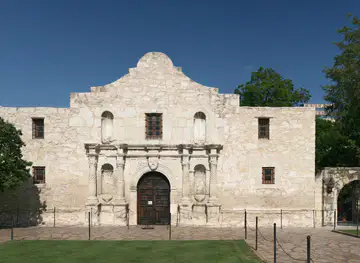
Explore more of Texas
Discover the diverse landscapes, rich history, vibrant cities, and culinary delights of Texas, the Lone Star State, where adventure and culture await at every turn.
Explore Texas