

Free Loei Travel Guide & Mobile App
Plan your Loei trip with Evendo. Get free guides to top attractions, restaurants, hotels, and bars. Web access or download the mobile app.


Loei, Thailand blends misty mountain scenery, Isan traditions, Phi Ta Khon culture, quiet temples and rewarding outdoor adventures in a welcoming provincial town.
A Northern Isan Provincial Capital
Loei lies in Thailand’s north-eastern Isan region, close to the Lao border and surrounded by forested hills, river valleys and highland farming country. The provincial capital is quieter and less visited than Thailand’s larger northern centres, with a relaxed townscape of low-rise buildings, markets, cafés and Buddhist temples. Its position makes it a useful base for exploring the province’s cooler uplands, while the town itself offers an accessible introduction to local life beyond the main tourist routes.Read more about Loei
Culture, Festivals and Local Character
Mountains, Mist and Open Country
When is the best time to visit Loei?
Best: December–February · 29°C| Month | High (°C) | Rainfall (mm) |
|---|---|---|
| January (best) | 29 | 16 |
| February (best) | 29 | 33 |
| March | 32 | 75 |
| April | 34 | 130 |
| May | 33 | 214 |
| June | 33 | 366 |
| July | 32 | 451 |
| August | 32 | 440 |
| September | 32 | 320 |
| October | 31 | 171 |
| November | 30 | 53 |
| December (best) | 29 | 18 |
Getting to and around Loei
How to get there
Transportation
Best attractions in Loei
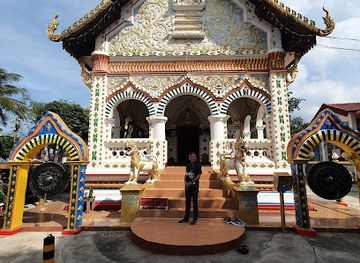
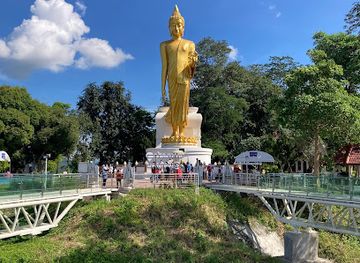
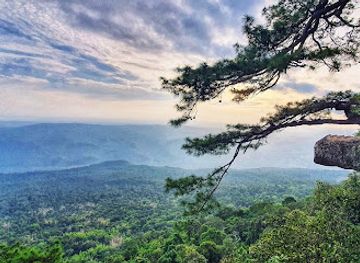
Loei’s attractions combine a compact provincial town with access to some of north-eastern Thailand’s most atmospheric landscapes. In the city, the Loei Cultural Centre offers an introduction to local history and traditions, while the city pillar shrine and Wat Si Sutthawat provide cultural and religious points of reference. Markets and small neighbourhood streets reveal everyday life rather than a concentrated sightseeing quarter. Beyond the urban area, Phu Ruea is known for elevated scenery, cool weather and gardens, while Phu Kradueng National Park offers forest trails and mountain viewpoints for visitors prepared for a more strenuous outing. Phu Pa Po, in Nong Hin district, is associated with broad highland views and misty mornings. Dan Sai, another district of Loei province, is the home of Phi Ta Khon, whose carved masks and processions are among the region’s best-known traditions; it is a separate destination from Loei town and is best planned as a dedicated excursion.
-
Tourist attraction
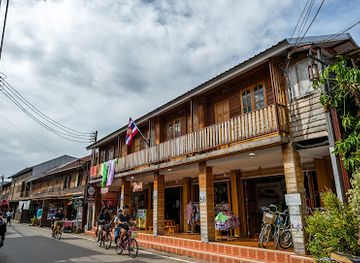
Chiang Khan Walking Street
Discover the vibrant culture and delightful street food at Chiang Khan Walking Street, a must-visit destination in northern Thailand.
1 h 6 min drive · 46 km from city centre
-
Tourist attraction
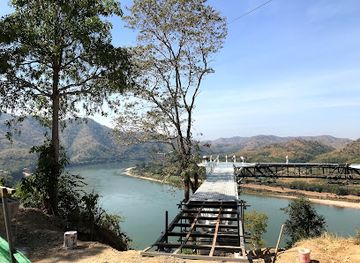
Skywalk Chiang Khan
Discover the stunning vistas of the Mekong River at Skywalk Chiang Khan, a breathtaking glass walkway in Loei, Thailand, perfect for unforgettable experiences.
1 h 2 min drive · 42 km from city centre
-
Tourist attraction
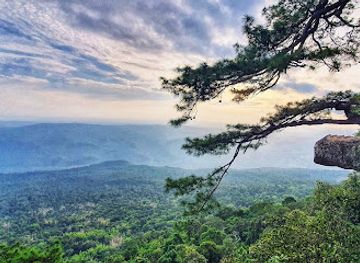
Phu Kradueng National Park
Explore the breathtaking landscapes and rich biodiversity of Phu Kradueng National Park, a must-visit destination for nature lovers in Thailand.
1 h 29 min drive · 69 km from city centre
-
Tourist attraction
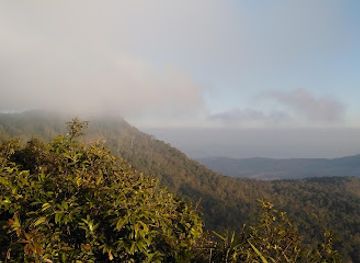
Phu Ruea National Park
Explore the stunning landscapes and rich biodiversity of Phu Ruea National Park in Loei, Thailand, a paradise for nature lovers and adventure seekers.
1 h 1 min drive · 41 km from city centre
Best landmarks in Loei
Loei’s landmarks are primarily civic and religious rather than monumental, reflecting its role as a provincial capital and historic community centre. Wat Si Sutthawat, also known as Wat Si Than, is an important urban temple where visitors can observe the continuing role of Buddhist architecture and ritual in local life. The Loei city pillar shrine represents the civic and spiritual foundations of the town, as city pillar sites do across Thailand. The Loei Cultural Centre adds a modern interpretive landmark, presenting local heritage and regional traditions rather than a single historic structure. In the wider province, Dan Sai’s temples and festival spaces are closely associated with Phi Ta Khon, while older settlements along the Mekong provide a broader architectural and cultural context. These places are best understood as part of Loei’s living community landscape, where religious buildings, public institutions and market streets remain interwoven.
-
Tourist attraction
Chiang Khan Walking Street
Discover Chiang Khan Walking Street: A vibrant evening market brimming with local flavors, crafts, and culture on the banks of the Mekong River.
1 h 6 min drive · 46 km from city centre
-
Tourist attraction
Skywalk Chiang Khan
Discover breathtaking views at Skywalk Chiang Khan, a stunning attraction offering panoramic vistas of the Mekong River and lush landscapes.
1 h 2 min drive · 42 km from city centre
-
National park
Phu Kradueng National Park
Explore the breathtaking landscapes and rich biodiversity of Phu Kradueng National Park, a must-visit destination for adventure enthusiasts in Thailand.
1 h 29 min drive · 69 km from city centre
-
National park
Phu Ruea National Park
Explore the breathtaking landscapes and rich biodiversity of Phu Ruea National Park in Loei, Thailand – a true paradise for nature lovers and adventurers.
1 h 1 min drive · 41 km from city centre
Explore Loei on the map
Plan your Loei trip on one map. See where the top attractions, landmarks, restaurants, bars and hotels are, find what's near where you're staying, and book hotels and experiences in a few clicks.
Best hotels in Loei
Best restaurants in Loei
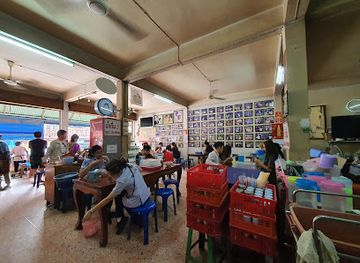
Loei’s food culture reflects the meeting of Isan, Lao-influenced and northern Thai traditions, with inexpensive local meals often found in markets, shophouses and modest family-run restaurants. Som tam, grilled chicken, larb, sticky rice and freshwater fish are familiar regional staples, while Loei’s kai kratha is a popular breakfast dish of eggs and savoury accompaniments served in a small pan. Noodle shops, rice stalls and coffee cafés give the town an easygoing daytime dining rhythm, and seasonal fruit and agricultural produce arrive from the surrounding uplands. In food markets, menus may be limited in English, so photographs, simple Thai phrases or pointing can help. Flavours can be hot, sour, salty or fermented, and dishes are often designed to be shared rather than ordered as separate courses.
-
Restaurant
Khao Piak Pak Mha
Experience authentic Thai flavors at Khao Piak Pak Mha, Loei's beloved soup kitchen offering delicious noodle soups and traditional dishes.
8 min walk · 0.6 km from city centre
-
Restaurant
Lan Chang Restaurant
Experience authentic Thai flavors at Lan Chang Restaurant in Loei - where every meal tells a story.
11 min drive · 3.6 km from city centre
-
Restaurant
Ban Tha Pae Restaurant
Experience authentic Thai flavors at Ban Tha Pae Restaurant in Mueang Loei – a culinary haven for food lovers.
8 min drive · 2.7 km from city centre
-
Restaurant
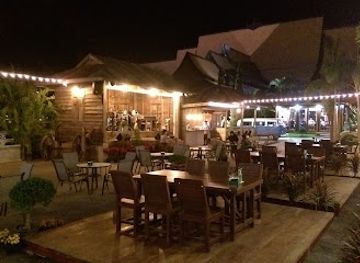
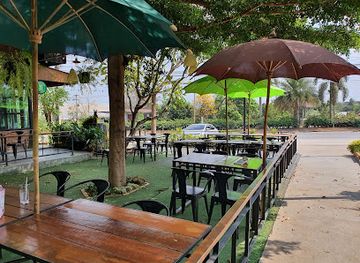
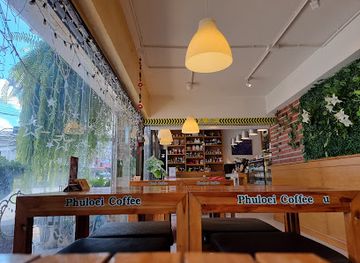
Phu Loei Restaurant
Experience authentic Thai flavors at Phu Loei Restaurant - a culinary haven featuring steakhouse specialties and delightful desserts in the heart of Loei.
7 min walk · 0.6 km from city centre
Best bars in Loei
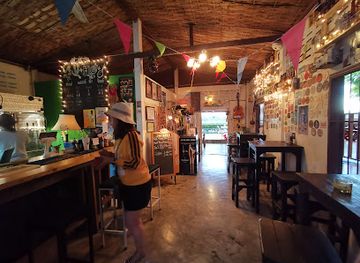
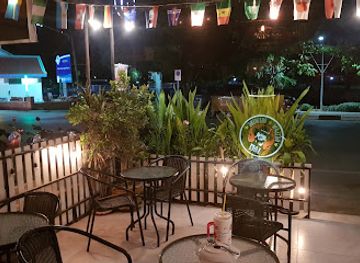
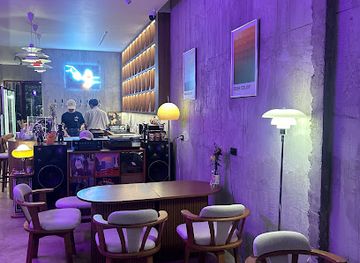
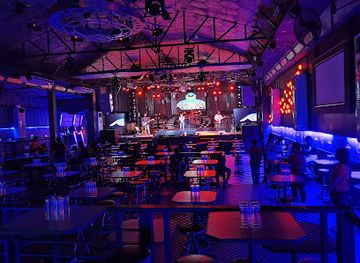
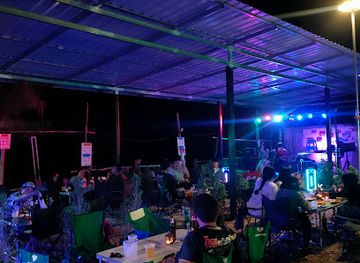
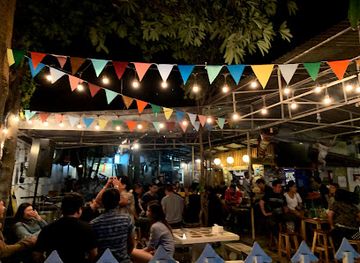
Loei has a modest evening scene rather than the concentrated nightlife associated with Thailand’s resort cities. After sunset, activity centres on casual restaurants, cafés, karaoke venues and small beer gardens, with local residents gathering for conversation and food. The town also has a selection of relaxed bars and music-oriented venues, although opening patterns and atmosphere can vary by season and day of the week. Nightlife is more social than club-focused, and entertainment may be quieter outside university periods or public holidays. Cultural evenings linked to temple events and provincial festivals can offer a more locally rooted experience than nightlife venues. Visitors should dress respectfully, drink responsibly and remember that rural roads, limited late transport and changing weather make returning to accommodation after dark a practical consideration.
-
Bar
Jo+ Beer – Craft Beer Bar
Discover Jo+ Beer, Chiang Khan's premier craft beer bar, offering an array of local and international brews in a cozy, inviting atmosphere.
1 h 6 min drive · 46 km from city centre
-
Bar
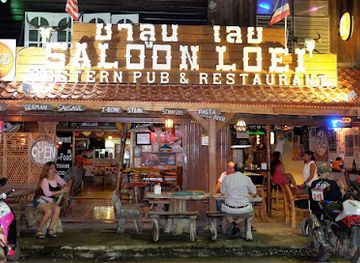
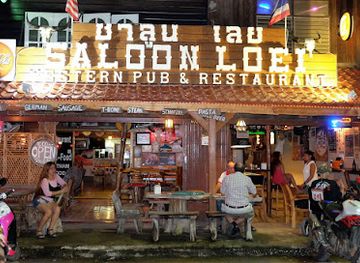
Saloon Loei
Experience the lively atmosphere of Saloon Loei, where delicious cuisine meets refreshing drinks and motorcycle adventures await.
7 min walk · 0.6 km from city centre
-
Brewpub
Outlaw Brewing
Experience the vibrant craft beer culture at Outlaw Brewing, a unique brewpub in Loei, Thailand, where quality meets local flavor.
2 min walk · 0.2 km from city centre
-
Bar
Down Tap House
Discover the lively Down Tap House in Mueang Loei District, offering a fantastic selection of drinks and a friendly atmosphere perfect for socializing.
8 min walk · 0.6 km from city centre
Best nightclubs in Loei
Loei has a modest evening scene rather than the concentrated nightlife associated with Thailand’s resort cities. After sunset, activity centres on casual restaurants, cafés, karaoke venues and small beer gardens, with local residents gathering for conversation and food. The town also has a selection of relaxed bars and music-oriented venues, although opening patterns and atmosphere can vary by season and day of the week. Nightlife is more social than club-focused, and entertainment may be quieter outside university periods or public holidays. Cultural evenings linked to temple events and provincial festivals can offer a more locally rooted experience than nightlife venues. Visitors should dress respectfully, drink responsibly and remember that rural roads, limited late transport and changing weather make returning to accommodation after dark a practical consideration.
-
Night club
Robot 2029
Discover the electrifying nightlife at Robot 2029, a premier night club in Thailand’s Mueang Loei District, where music and dance come alive.
8 min walk · 0.6 km from city centre
-
Bar
Saloon Loei
Discover the lively ambiance of Saloon Loei, a bar and restaurant offering authentic Thai cuisine and a vibrant nightlife experience in Mueang Loei.
7 min walk · 0.6 km from city centre
-
Night club
ร้านเดิ่นเมา นั่งชิว
Discover the essence of Loei's nightlife at ร้านเดิ่นเมา นั่งชิว, where vibrant music and a lively atmosphere await every evening.
53 min drive · 33 km from city centre
-
Night club
Barbasic
Experience the vibrant nightlife at Barbasic, the premier night club in Loei, offering music, drinks, and unforgettable memories.
8 min walk · 0.6 km from city centre
Best shops in Loei
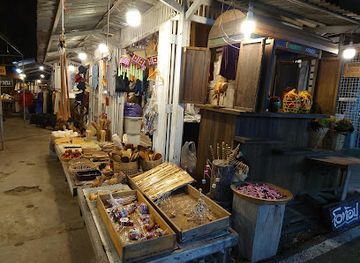
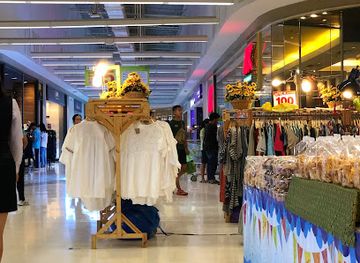
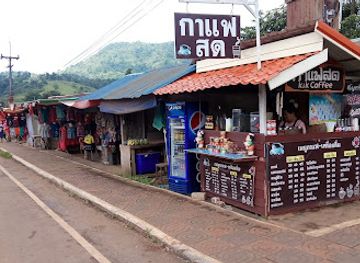
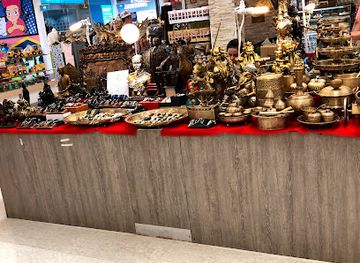
Shopping in Loei is centred on local markets, fresh produce stalls, practical retail streets and small independent shops rather than a large luxury-shopping district. Morning and evening markets are useful for fruit, prepared food, snacks and everyday goods, while provincial shops may carry textiles, woven products, pottery, regional foods and souvenirs connected with Isan culture. Phi Ta Khon masks and festival-inspired crafts are particularly associated with Dan Sai, not necessarily with shops in Loei town, so provenance is worth checking when buying handicrafts. Highland agricultural products, dried foods and locally grown fruit can make more distinctive purchases than generic souvenirs. Modern supermarkets and convenience stores provide familiar essentials, but the most revealing shopping experiences take place where residents buy breakfast, ingredients and household goods.
-
Tourist attraction
Skywalk Chiang Khan
Experience breathtaking views and serene nature at Skywalk Chiang Khan, a must-visit tourist attraction in Thailand's Loei province.
1 h 2 min drive · 42 km from city centre
-
Hypermarket
Big C Supercenter Loei
Experience the ultimate shopping destination at Big C Supercenter Loei, where variety meets convenience in the heart of Thailand.
6 min drive · 1.9 km from city centre
-
Park
Hin Pha Ngam Park
Discover the natural beauty of Hin Pha Ngam Park, a serene escape in Loei, Thailand, rich in botanical diversity and stunning landscapes.
1 h 8 min drive · 48 km from city centre
-
Hypermarket
Lotus's
Explore the vibrant shopping experience at Lotus's Hypermarket, where convenience meets local flavor in the heart of Loei, Thailand.
16 min drive · 5.4 km from city centre
Get your free copy of our complete guide to Loei, delivered straight to you.
Everything on this page, from attractions and restaurants to essentials and local phrases, in one PDF you can read offline, print or share.
Already have an account? Sign in
Your Loei guide is ready.
We'll send it to · Not you? Sign out

Getting your guide ready…
We are putting together a fresh copy of the Loei guide. This can take up to a minute.
This can take a few moments. If your browser asks, choose Allow so the download can start. You'll find the guide in your Downloads folder.
Nothing happened? Download it again
Sorry, the guide is taking longer than usual. Please try again in a minute, or get it by email instead.
Loei essentials
Currency and Payment
Safety
Emergency Situations
Do's and Don'ts
Local Tips
From Eve
Local phrases worth knowing
You don't need to get them perfect. A few words go a long way, and locals appreciate the effort.
Basics
| English | Local | Say it |
|---|---|---|
| Hello | สวัสดี | [sawasdee] |
| Goodbye | ลาก่อน | [laa kon] |
| Yes | ใช่ | [chai] |
| No | ไม่ใช่ | [mai chai] |
| Please/You're welcome | โปรด/ยินดีต้อนรับ | [proht/yin dee dton rub] |
| Thank you | ขอบคุณ | [kop khun] |
| Excuse me/Sorry | ขอโทษ | [kor toht] |
| How are you? | คุณสบายดีไหม | [kun sa bai dee mai] |
| Fine. And you? | สบายดีครับ/ค่ะ และคุณล่ะ | [sabai dee krap/ka lae kun la] |
| Do you speak English? | คุณพูดภาษาอังกฤษได้ไหม | [kun poot paa saa ang grit dai mai] |
| I don't understand | ฉันไม่เข้าใจ | [chan mai kao jai] |
Eating & Drinking
| English | Local | Say it |
|---|---|---|
| I'd like to see the menu, please | ฉันอยากดูเมนู โปรด | [chan yak doo menu proht] |
| I don't eat meat | ฉันไม่กินเนื้อ | [chan mai gin neuua] |
| Cheers! | ชนเคอร์ส! | [chon kerr] |
| I would like to pay, please | ฉันอยากจ่ายเงิน โปรด | [chan yak jai ngoen proht] |
Emergencies
| English | Local | Say it |
|---|---|---|
| Help! | ช่วยด้วย! | [chuai duay] |
| Go away! | ไปห่างๆ! | [bai yang yang] |
| Call the Police! | โทรตำรวจ! | [toh tamruat] |
| Call a doctor! | โทรหมอ! | [toh mor] |
| I'm lost | ฉันหลงทาง | [chan long tang] |
| I'm ill | ฉันเจ็บ | [chan jep] |
Shopping
| English | Local | Say it |
|---|---|---|
| I'd like to buy... | ฉันอยากซื้อ... | [chan yak seuu] |
| I'm just looking | ฉันแค่ดู | [chan kae doo] |
| How much is it? | ราคาเท่าไหร่ | [ra kaa tao rai] |
| That's too expensive | แพงเกินไป | [paeng geen pai] |
| Can you lower the price? | ลดราคาได้ไหม | [lot ra kaa dai mai] |
Time & Numbers
| English | Local | Say it |
|---|---|---|
| What time is it? | ตอนนี้กี่โมง | [dton nee kee mong] |
| It's one o'clock | เป็นโมงหนึ่ง | [pen mong neung] |
| Half past (10) | สามสิบครึ่ง | [sam sip kreuang] |
| Morning | เช้า | [chao] |
| Afternoon | บ่าย | [bai] |
| Evening | เย็น | [yen] |
| Yesterday | เมื่อวาน | [meua waan] |
| Today | วันนี้ | [wan nee] |
| Tomorrow | พรุ่งนี้ | [proong nee] |
| 1 | หนึ่ง | [neung] |
| 2 | สอง | [song] |
| 3 | สาม | [sam] |
| 4 | สี่ | [see] |
| 5 | ห้า | [ha] |
| 6 | หก | [hok] |
| 7 | เจ็ด | [jet] |
| 8 | แปด | [pet] |
| 9 | เก้า | [gao] |
| 10 | สิบ | [sip] |
Transport & Directions
| English | Local | Say it |
|---|---|---|
| Where's a/the...? | ...อยู่ที่ไหน | [yoo tee nai] |
| What's the address? | ที่อยู่อยู่ที่ไหน | [tee yoo yoo tee nai] |
| Can you show me (on the map)? | ช่วยบอกทาง (บนแผนที่) หน่อย | [chuai bok tang bon pla n tee noi] |
| When's the next (bus)? | รถเมล์ตอนไหน | [rote mel dton nai] |
| A ticket (to ....) | ตั๋ว (ไป...) | [dtua bai] |
History of Loei
A Borderland of Tai Communities
The Loei region developed within the cultural world of the upper Mekong and the Lao kingdoms, where Tai-speaking communities moved, traded and maintained connections across what is now the Thailand–Laos border. Local traditions, language and religious practice consequently share features with both central Isan and neighbouring Lao areas. Rather than being shaped by one monumental ancient capital, Loei’s early history is best understood through dispersed settlements, agricultural communities and temple networks occupying river valleys and upland routes. This borderland character remains visible in provincial festivals, craft traditions and the architectural details of some religious buildings.
Settlement Along the Loei River
The town grew around the Loei River and the valleys that made cultivation and communication possible in an otherwise mountainous province. Buddhism provided an important institutional centre, with temples serving religious, community and educational roles. Markets connected local farmers with surrounding settlements, while routes through the hills linked Loei with Chiang Khan, Dan Sai and the wider Isan plateau. The resulting urban pattern remained relatively modest: a provincial centre surrounded by villages and agricultural land rather than a densely built commercial city.
Incorporation into Modern Siam
During the nineteenth and early twentieth centuries, the consolidation of Siamese administration reshaped the upper Mekong frontier. The establishment of clearer provincial boundaries and government offices brought Loei more firmly into the modern Thai state, while roads and later improved transport strengthened links with other parts of Isan. Loei became the administrative centre of the province, and civic buildings, schools and public institutions gradually supplemented the older temple-based community structure. Its position near Laos continued to give the province strategic importance without turning the town into a major industrial centre.
Agriculture, Roads and Provincial Growth
Twentieth-century development brought better roads, expanded public services and closer commercial ties between Loei town and its surrounding districts. Farming remained central, with rice, maize, fruit and other crops shaped by the province’s varied elevations and seasonal climate. The road network also made mountain destinations more accessible, although many remain rural and environmentally sensitive. As the provincial capital expanded, traditional markets and temples continued alongside government offices, schools, shops and small businesses, creating the mixed townscape seen today.
Living Heritage in Contemporary Loei
Modern Loei retains a strong cultural identity through its festivals, temples and community traditions. Phi Ta Khon in Dan Sai has become the province’s most famous cultural expression, combining masked processions, music and Buddhist merit-making, while other local celebrations remain closely tied to village and temple calendars. The city’s museums and cultural institutions help interpret these traditions within the wider history of the province. Tourism has grown around mountain scenery and festivals, but Loei remains primarily a provincial capital whose character is rooted in everyday community life.
Travel experiences inspired by this city


Swipe for more travel diaries
Loei in Photos
Browse through our photo collection highlighting the charm and character of the destination.
Cities near Loei
The closest cities to Loei, if you have time for more than one stop.
-
-
-

-

-


Swipe for more cities
Explore more
Explore more of Thailand
Discover Thailand: A land of diverse landscapes, rich culture, and warm hospitality, where ancient traditions blend seamlessly with modern attractions.
Explore Thailand