

Free Northern Thailand Travel Guide & Mobile App
Explore Northern Thailand with free travel guides. Discover regional history, expert tips, proposed trips, and audio guides on web or mobile app.


Northern Thailand combines Lanna temples, mountain landscapes, inventive cuisine, craft traditions and historic towns from Chiang Mai to the Mekong.
Read more about Northern Thailand
When is the best time to visit Northern Thailand?
Best: December–February · 25–29°C| Month | High (°C) | Rainfall (mm) |
|---|---|---|
| January (best) | 26 | 8 |
| February (best) | 29 | 11 |
| March | 33 | 22 |
| April | 34 | 73 |
| May | 34 | 174 |
| June | 32 | 175 |
| July | 31 | 186 |
| August | 31 | 237 |
| September | 31 | 236 |
| October | 30 | 135 |
| November | 28 | 45 |
| December (best) | 25 | 13 |
Getting to and around Northern Thailand
How to get there
Transportation
Top city travel guides in Northern Thailand
The cities of Northern Thailand, and the easiest places to base yourself.
-
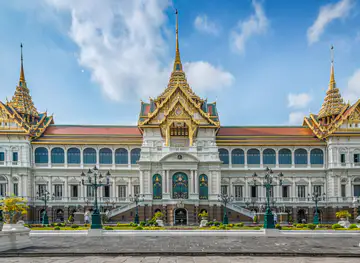
-

-

-

-

-


Swipe for more cities
Destinations in Northern Thailand
Resorts, valleys and scenic spots worth a trip of their own.
-

-

-

-

-

-


Swipe for more destinations
Best attractions in Northern Thailand
Northern Thailand's attractions range from dense concentrations of historic temples to wide mountain landscapes that require a full day or more to explore. Chiang Mai offers the old city's monasteries, Doi Suthep and craft districts, while Doi Inthanon National Park provides high-altitude forest, waterfalls and walking routes in the province's southern mountains. Chiang Rai combines the contemporary Wat Rong Khun and Wat Rong Suea Ten with hill-country tea estates, Doi Tung and the Mekong landscapes near the Golden Triangle. Lampang and Lamphun are well suited to visitors interested in Lanna and Burmese-influenced architecture, museums and traditional craft production. Nan and Phrae offer quieter historic streets, teak houses, murals and rural scenery, while Phayao centres on lake views and provincial life. Mae Hong Son is known for misty mountain roads, caves, waterfalls and culturally diverse communities. Trekking, cycling, birdwatching, rafting in suitable conditions and visits to ethical community-based projects are possible, but activities should be chosen with regard to weather, conservation rules and local guidance.
-
Heritage preservation
Sukhothai Historical Park
Discover the ancient splendor of Sukhothai Historical Park, a UNESCO World Heritage Site showcasing Thailand's rich cultural heritage and stunning architecture.
-
Tourist attraction
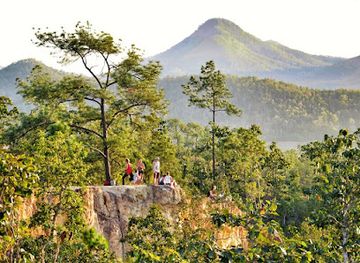
Pai Canyon
Experience the stunning landscapes and unique rock formations at Pai Canyon, a must-visit natural attraction in northern Thailand.
-
Night market
Kad Kongta Night Market
Experience the vibrant culture and flavors of Thailand at Kad Kongta Night Market, where local delicacies and crafts await you.
-
National park
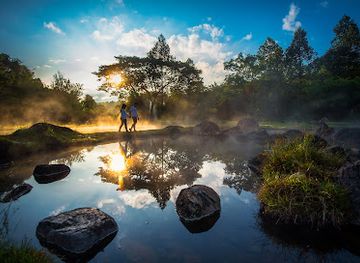
Chae Son National Park
Experience the breathtaking beauty of Chae Son National Park, a serene escape in Thailand with lush forests, hot springs, and diverse wildlife.

Best landmarks in Northern Thailand
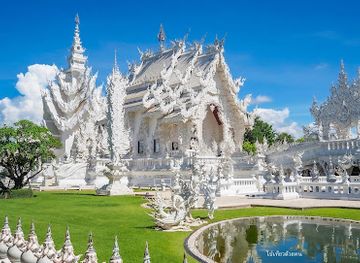
The old city walls and moat of Chiang Mai remain the defining urban landmark of Northern Thailand's principal city, with Wat Chedi Luang and Wat Phra Singh illustrating the architectural language of Lanna Buddhism. On the mountain above the city, Wat Phra That Doi Suthep is both a major pilgrimage site and a visual symbol of Chiang Mai. Lamphun's Wat Phra That Hariphunchai preserves the legacy of the ancient Hariphunchai centre, while Lampang's Wat Phra That Lampang Luang is one of the north's most important fortified temple complexes. Chiang Rai is marked by the white architecture of Wat Rong Khun and the blue interiors of Wat Rong Suea Ten, both modern interpretations rather than medieval monuments. Nan's Wat Phumin is noted for its murals and distinctive cruciform plan, and Phrae's teak houses recall the timber-trading era. In the highlands, Doi Inthanon and the Mekong viewpoint near the Golden Triangle are geographical landmarks shaped by altitude and international borders.
-
Tourist attraction
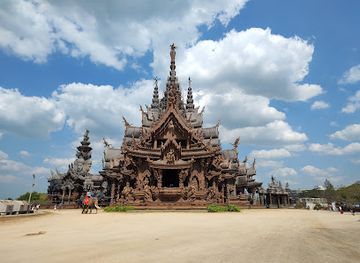
Sanctuary of Truth
Discover the Sanctuary of Truth in Pattaya, Thailand—a breathtaking wooden temple showcasing the beauty of traditional craftsmanship and Eastern spirituality.
-
Buddhist temple
Wat Rong Khun - White Temple
Discover the mesmerizing beauty of Wat Rong Khun, a modern architectural marvel blending Buddhist traditions with contemporary art in Chiang Rai, Thailand.
-
Historical landmark
Tha Phae Gate
Discover the historic Tha Phae Gate, a stunning landmark in Chiang Mai that bridges the city's rich cultural heritage with vibrant local life.
-
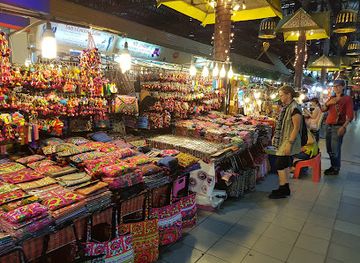
Night market
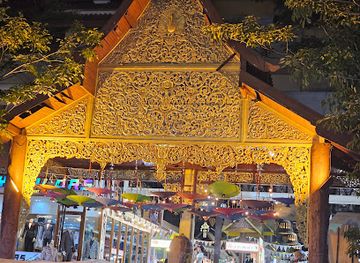
Chiang Mai Night Bazaar
Experience the vibrant atmosphere of Chiang Mai Night Bazaar, where culture, shopping, and local cuisine come together under a starlit sky.
Explore Northern Thailand on the map
Plan your trip on one map. See where the top cities, national parks and sights are, and book hotels and experiences in a few clicks.
Best hotels in Northern Thailand
Best restaurants in Northern Thailand
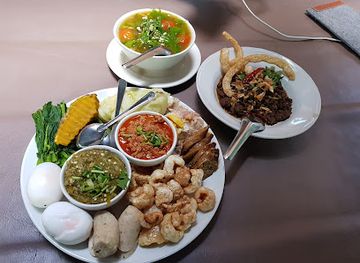
Northern cuisine has a character distinct from the coconut-rich dishes often associated with central and southern Thailand. Khao soi, a curry noodle dish served with crisp noodles, is widely found in Chiang Mai and across the north, while sai ua sausage, nam prik ong, nam prik noom, fried pork rinds and sticky rice are common features of local meals. Restaurants and market stalls in Chiang Mai provide the broadest range, from traditional khantoke-style dining to contemporary kitchens using regional produce. Lampang, Nan, Chiang Rai and smaller towns are good places to look for local noodle shops, cafés and family-run eateries rather than formal dining rooms. Northern tea, coffee, rice, fruit and preserved foods reflect the region's upland agriculture. Vegetarian food is widely available, although fish sauce, shrimp paste and meat may be used in apparently vegetable-based dishes, so explain dietary requirements clearly.
-
Thai
Tong Tem Toh
Experience authentic northern Thai cuisine at Tong Tem Toh in Chiang Mai – where every dish tells a story of flavor and tradition.
-
Thai
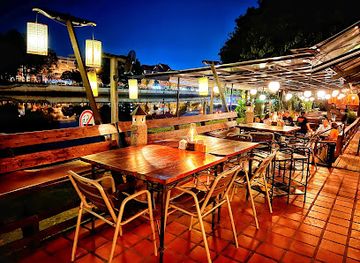
The Good View Bar & Restaurant
Discover the essence of Thailand at The Good View Bar & Restaurant—where authentic flavors meet breathtaking riverside views.
-
Thai
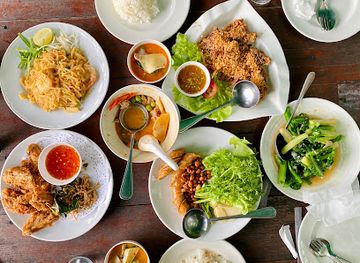
Galae Restaurant
Experience the essence of Thailand at Galae Restaurant in Chiang Mai with authentic flavors and warm hospitality.
-
Thai
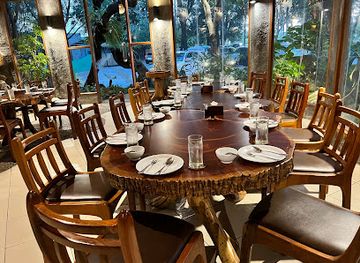
Khaomao-Khaofang Imaginary Jungle
Experience authentic Thai cuisine in a stunning jungle setting at Khaomao-Khaofang Imaginary Jungle in Chiang Mai.
Best bars in Northern Thailand
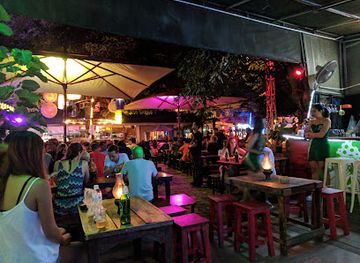
Evening life in Northern Thailand is concentrated in Chiang Mai and Chiang Rai, with a quieter pattern in provincial towns and mountain destinations. Chiang Mai offers a wide selection of relaxed pubs, cocktail bars, live-music rooms, cafés that stay open after dark and night markets, particularly around the old city and the Nimman area. Chiang Rai has smaller clusters of bars, restaurants and live music, while Lampang, Nan and Phayao rely more on local pubs, riverside or lakeside dining and social restaurants than on large clubs. In Mae Hong Son and rural districts, evenings are generally early and centred on guesthouse restaurants, small bars or community events. Breweries, coffee venues and alcohol-free cafés are increasingly part of the urban scene. Check current arrangements locally, as individual businesses and licensing practices can change.
-
Bar
Zoe in Yellow
Experience the pulse of Chiang Mai's nightlife at Zoe in Yellow, a lively bar and nightclub with exciting music and vibrant atmosphere.
-
Blues club
Boy Blues Bar
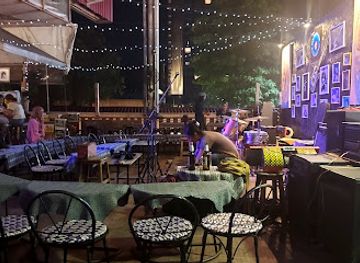
Discover the vibrant blues scene at Boy Blues Bar in Chiang Mai, where live music and a lively atmosphere create unforgettable nights.
-
Bar
Myst MAYA Chiang Mai
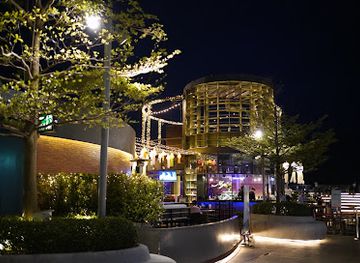
Experience a vibrant rooftop nightlife at Myst MAYA Chiang Mai, where stunning views and exquisite cocktails await you in the heart of the city.
-
Cocktail bar
Nophaburi Bar | Thai Cocktail
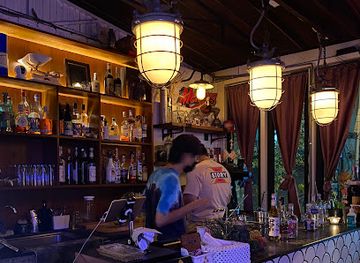
Discover the vibrant taste of Thailand at Nophaburi Bar, a cozy cocktail haven in Chiang Mai offering a unique selection of Thai-inspired drinks.
Best nightclubs in Northern Thailand
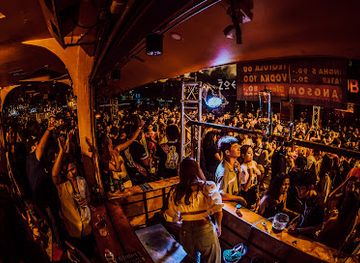
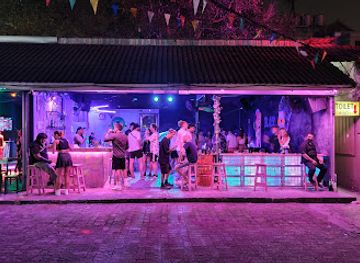
Evening life in Northern Thailand is concentrated in Chiang Mai and Chiang Rai, with a quieter pattern in provincial towns and mountain destinations. Chiang Mai offers a wide selection of relaxed pubs, cocktail bars, live-music rooms, cafés that stay open after dark and night markets, particularly around the old city and the Nimman area. Chiang Rai has smaller clusters of bars, restaurants and live music, while Lampang, Nan and Phayao rely more on local pubs, riverside or lakeside dining and social restaurants than on large clubs. In Mae Hong Son and rural districts, evenings are generally early and centred on guesthouse restaurants, small bars or community events. Breweries, coffee venues and alcohol-free cafés are increasingly part of the urban scene. Check current arrangements locally, as individual businesses and licensing practices can change.
-
Night club
Zoe in Yellow
Discover the lively nightlife of Chiang Mai at Zoe in Yellow, where music, dance, and fun come together for an unforgettable experience.
-
Night club
BlackLight CNX
Discover the heartbeat of Chiang Mai's nightlife at BlackLight CNX, where music, lights, and good vibes come together for an unforgettable experience.
-
Gay night club
Ram Bar Chiangmai
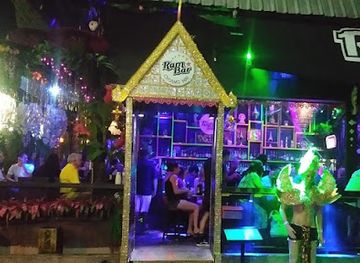
Discover Chiang Mai's vibrant nightlife at Ram Bar, renowned for its dazzling cabaret shows and welcoming atmosphere for all.
-
Night club
infinity club
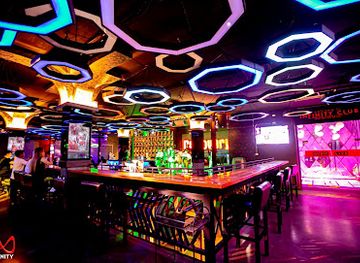
Dive into the vibrant nightlife of Chiang Mai at Infinity Club, where music, dancing, and delicious dining create an unforgettable experience.
Best shops in Northern Thailand
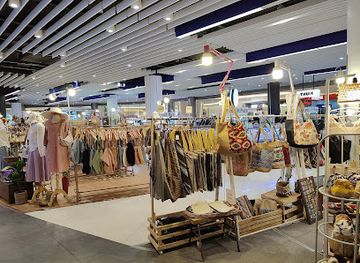
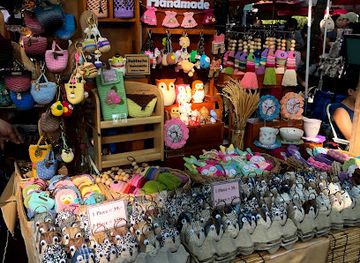
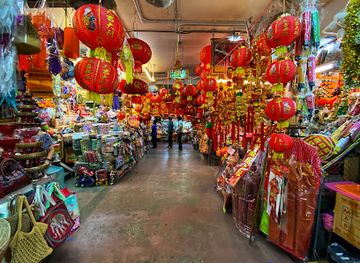
Shopping in Northern Thailand is strongest in its historic and provincial towns rather than in a single region-wide retail district. Chiang Mai has the greatest range, including markets, craft streets, independent design shops, galleries, ceramics, textiles, silverwork and locally produced food. Traditional textiles and clothing vary between communities and should be bought from reputable sellers who can explain their origin rather than being treated as anonymous souvenirs. Chiang Rai is known for arts, crafts, tea and coffee products, while Lampang has a long association with ceramics. Nan and Phrae offer opportunities to look for woven fabrics, indigo-dyed goods, carved wood and products made by local workshops. Fresh markets are useful for fruit, herbs, spices, snacks and northern chilli pastes, although food should be packed carefully for travel. Night markets and walking streets are often held on particular evenings, so confirm local days and locations rather than assuming daily operation.
-
Night market
Chiang Mai Night Bazaar
Experience the vibrant culture, delicious street food, and unique crafts at Chiang Mai Night Bazaar, a must-visit night market in Thailand.
-
Shopping mall
MAYA Lifestyle Shopping Center Chiangmai
Explore the best of shopping, dining, and entertainment at MAYA Lifestyle Shopping Center in Chiang Mai, where local charm meets modern luxury.
-
Market
Jing Jai Market
Discover local flavors and crafts at Jing Jai Market, the vibrant heart of Chiang Mai's cultural scene, offering a delightful experience for every traveler.
-
Market
Warorot Market (Kad Luang)
Discover the heart of Chiang Mai at Warorot Market, where diverse local flavors and vibrant culture come together in a bustling shopping experience.
Get your free copy of our complete guide to Northern Thailand, delivered straight to you.
Everything on this page, from attractions and restaurants to essentials and local phrases, in one PDF you can read offline, print or share.
Already have an account? Sign in
Your Northern Thailand guide is ready.
We'll send it to · Not you? Sign out

Getting your guide ready…
We are putting together a fresh copy of the Northern Thailand guide. This can take up to a minute.
This can take a few moments. If your browser asks, choose Allow so the download can start. You'll find the guide in your Downloads folder.
Nothing happened? Download it again
Sorry, the guide is taking longer than usual. Please try again in a minute, or get it by email instead.
Northern Thailand essentials
Currency and Payment
Safety
Emergency Situations
Do's and Don'ts
Local Tips
From Eve
Local phrases worth knowing
You don't need to get them perfect. A few words go a long way, and locals appreciate the effort.
Basics
| English | Local | Say it |
|---|---|---|
| Hello | สวัสดี | [sawasdee] |
| Goodbye | ลาก่อน | [la-gorn] |
| Yes | ใช่ | [chai] |
| No | ไม่ | [mai] |
| Please/You’re welcome | โปรด | [bproht] |
| Thank you | ขอบคุณ | [khob khun] |
| Excuse me/Sorry | ขอโทษ | [kho thot] |
| How are you? | สบายดีไหม | [sabai dee mai] |
| Fine. And you? | สบายดี ขอบคุณ | [sabai dee khob khun] |
| Do you speak English? | คุณพูดภาษาอังกฤษได้ไหม | [khun phut phasa angkrit dai mai] |
| I don't understand | ฉันไม่เข้าใจ | [chan mai khao jai] |
Eating & Drinking
| English | Local | Say it |
|---|---|---|
| I'd like to see the menu, please | ขอดูเมนูหน่อย | [kho du menu nhoi] |
| I don't eat meat | ฉันไม่กินเนื้อ | [chan mai gin neua] |
| Cheers! | ชนแก้ว! | [chon kaeow] |
| I would like to pay, please | ฉันอยากจ่ายเงิน | [chan yak jai ngeun] |
Emergencies
| English | Local | Say it |
|---|---|---|
| Help! | ช่วยด้วย! | [chuay duay] |
| Go away! | ไปให้ไกล! | [bpai hai klai] |
| Call the Police! | โทรเรียกตำรวจ! | [tho riak tamruat] |
| Call a doctor! | โทรเรียกหมอ! | [tho riak mor] |
| I'm lost | ฉันหลงทาง | [chan long thang] |
| I'm ill | ฉันป่วย | [chan puai] |
Shopping
| English | Local | Say it |
|---|---|---|
| I'd like to buy... | ฉันอยากซื้อ... | [chan yak seu] |
| I'm just looking | ฉันแค่ดู | [chan kae du] |
| How much is it? | ราคาเท่าไหร่ | [rakha thao rai] |
| That's too expensive | แพงเกินไป | [phaeng gern bpai] |
| Can you lower the price? | ลดราคาได้ไหม | [lot rakha dai mai] |
Time & Numbers
| English | Local | Say it |
|---|---|---|
| What time is it? | ตอนนี้กี่โมง? | [ton ni ki mong] |
| It's one o'clock | ตอนนี้หนึ่งโมง | [ton ni neung mong] |
| Half past (10) | สิบโมงครึ่ง | [sip mong khrueng] |
| Morning | เช้า | [chao] |
| Afternoon | บ่าย | [bai] |
| Evening | เย็น | [yen] |
| Yesterday | เมื่อวาน | [meua wan] |
| Today | วันนี้ | [wan ni] |
| Tomorrow | พรุ่งนี้ | [prung ni] |
| 1 | หนึ่ง | [neung] |
| 2 | สอง | [song] |
| 3 | สาม | [sam] |
| 4 | สี่ | [si] |
| 5 | ห้า | [ha] |
| 6 | หก | [hok] |
| 7 | เจ็ด | [jet] |
| 8 | แปด | [paet] |
| 9 | เก้า | [kao] |
| 10 | สิบ | [sip] |
Transport & Directions
| English | Local | Say it |
|---|---|---|
| Where's a/the...? | ที่ไหนมี...? | [thi nai mee] |
| What's the address? | ที่อยู่คืออะไร? | [thi yu khue arai] |
| Can you show me (on the map)? | คุณช่วยบอกฉันได้ไหม? | [khun chuay bok chan dai mai] |
| When's the next (bus)? | รถบัสคันถัดไปเมื่อไหร่? | [rot bas khan that bpai meua rai] |
| A ticket (to ....) | ตั๋วไป... | [tua bpai] |
History of Northern Thailand
Early Kingdoms and Hariphunchai
Northern Thailand was shaped by several early Tai, Mon and other communities before the rise of the Lanna kingdom. Hariphunchai, centred on present-day Lamphun, was an important Mon polity and Buddhist centre whose influence reached across parts of the Ping River valley. Wat Phra That Hariphunchai reflects the continuing religious importance of this tradition. Archaeological evidence and surviving temple foundations show that the region was connected to wider networks of trade, agriculture and religious exchange well before the emergence of Chiang Mai.
The Founding of Lanna and Chiang Mai
King Mangrai established the Lanna kingdom in the late thirteenth century and founded Chiang Mai in 1296 as its principal capital. The new city occupied a strategic position near the Ping River and became a centre of administration, Buddhism, craft production and regional commerce. Lanna, meaning the kingdom of a million rice fields, developed a distinctive cultural identity expressed through temple architecture, script, textiles, sculpture and ritual traditions. The old city walls and moat remain among the clearest physical reminders of this formative period.
Lanna, Burma and Siamese Influence
From the sixteenth century, Lanna was drawn into prolonged rivalry and political dependence involving Burma and the rising Siamese state. Chiang Mai and other northern towns changed hands or operated under varying degrees of outside influence. Burmese artistic and religious forms became especially visible in parts of Lampang and Chiang Mai, alongside established Lanna traditions. In the eighteenth century, local rulers allied with Siam to end a period of Burmese rule, after which northern cities were gradually incorporated more closely into the Siamese political system.
Nineteenth-Century Trade and Teak
During the nineteenth century, northern forests and river routes became increasingly important to regional commerce, especially through the teak trade. British commercial interests operating from Burma helped transform the timber economy, while local rulers in Chiang Mai, Lampang, Phrae and Nan negotiated changing relationships with Siam and foreign companies. Teak houses, warehouses and religious buildings in several northern towns reflect this period. The trade brought wealth and new connections but also encouraged intensive forest exploitation and strengthened the central state's interest in governing the north.
Administrative Integration under Siam
In the late nineteenth and early twentieth centuries, Siam introduced more direct administrative control over the northern principalities. Officials, taxation systems, roads, schools and communications linked the region more firmly to Bangkok, reducing the autonomy of hereditary local rulers. The construction of railway lines to Chiang Mai in the early twentieth century accelerated the movement of people and goods and helped integrate northern markets with the national economy. This period laid much of the administrative geography and transport structure that visitors encounter today.
War, Borders and the Modern North
Northern Thailand's proximity to Myanmar and Laos made it strategically important during the Second World War and throughout the Cold War. Roads and security infrastructure expanded in remote upland districts, while border areas were affected by conflict and movements of displaced people from neighbouring countries. The region's mountains are also associated with the former opium economy, later addressed through crop substitution, conservation and development initiatives, including projects connected with Doi Tung. These changes reshaped agriculture and the livelihoods of many highland communities.
Tourism, Conservation and Cultural Renewal
From the late twentieth century, Chiang Mai became a major centre for domestic and international tourism, followed by Chiang Rai and selected mountain destinations. Tourism has supported museums, craft industries, restaurants and conservation work, but it has also placed pressure on water, waste systems, historic buildings and air quality. Northern identity continues to be expressed through Lanna architecture, food, textiles, festivals and music, while contemporary artists and designers reinterpret those traditions for new audiences. The region is therefore both a historical landscape and an evolving cultural economy.
Northern Thailand in Photos
Browse through our photo collection highlighting the charm and character of the destination.
Neighbouring regions of Northern Thailand
The closest regions to Northern Thailand, if you have time for more than one.
-

-

-

-

-


Swipe for more regions
Explore more
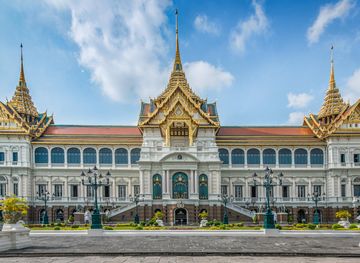
Explore more of Thailand
Discover Thailand: A land of diverse landscapes, rich culture, and warm hospitality, where ancient traditions blend seamlessly with modern attractions.
Explore Thailand