

Free Udon Thani Travel Guide & Mobile App
Plan your Udon Thani trip with Evendo. Get free guides to top attractions, restaurants, hotels, and bars. Web access or download the mobile app.


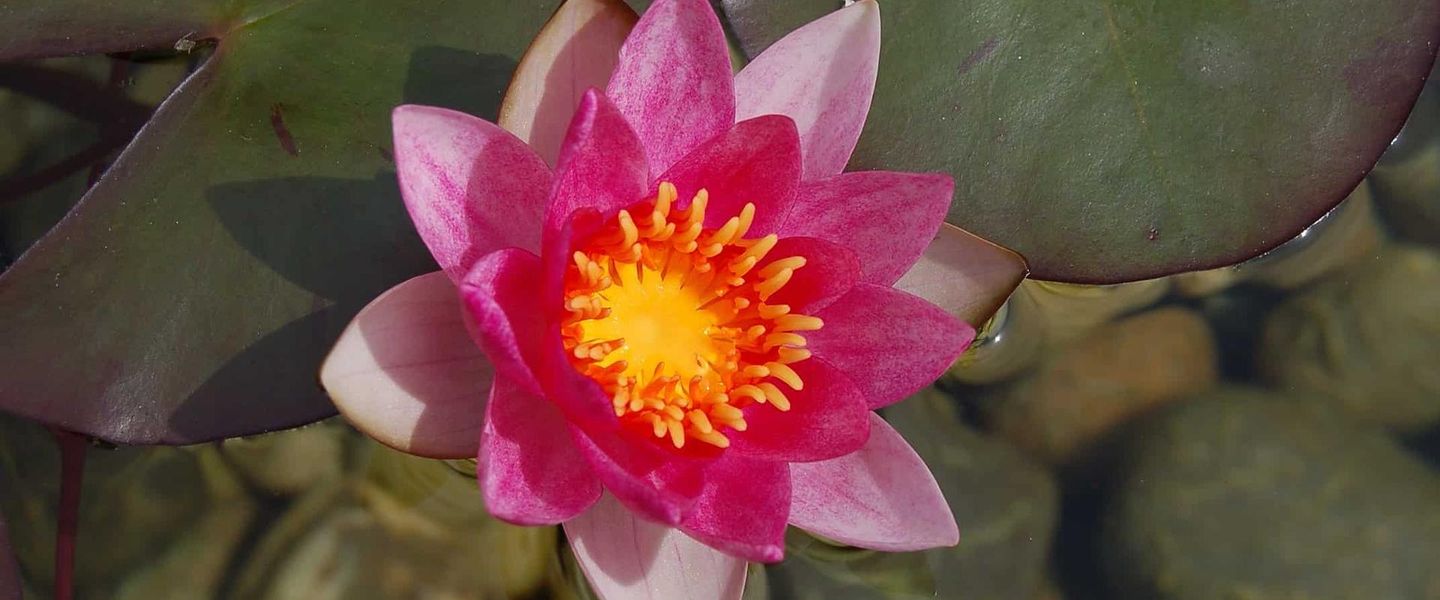


Udon Thani offers Isan history, lively markets, Nong Prajak Park, Ban Chiang heritage and authentic northeastern culture and food experiences.
A Northern Isan Crossroads
Udon Thani is a practical, energetic city in Thailand’s northeast, serving as a regional centre for commerce, education and travel across Isan. Its broad streets, lively markets and busy transport links give it a distinctly local character, while the surrounding province opens onto rice fields, forested hills and some of Thailand’s most important archaeological landscapes. The city is less formal than Bangkok and less resort-oriented than Thailand’s southern destinations, making it a useful place to encounter contemporary northeastern life.Read more about Udon Thani
Parks, Shrines and City Life
Archaeology Beyond the City
When is the best time to visit Udon Thani?
Best: December–February · 31–33°C| Month | High (°C) | Rainfall (mm) |
|---|---|---|
| January (best) | 32 | 15 |
| February (best) | 33 | 24 |
| March | 35 | 30 |
| April | 35 | 67 |
| May | 34 | 160 |
| June | 34 | 220 |
| July | 34 | 210 |
| August | 34 | 190 |
| September | 34 | 160 |
| October | 33 | 110 |
| November | 32 | 40 |
| December (best) | 31 | 16 |
Getting to and around Udon Thani
How to get there
Transportation
Best attractions in Udon Thani
Udon Thani’s principal urban attraction is Nong Prajak Park, a broad lakeside green space where residents walk, exercise and gather beneath the shade of mature trees. The Udon Thani Provincial Museum, housed in a former school building, provides useful context on local history, geography and culture. Around the Chao Pu-Ya Shrine, the Thai-Chinese Cultural Centre explores the community whose commerce helped shape the city, while the shrine itself remains an active place of worship. For a change of pace, the city’s markets and UD Town combine food, shopping and evening activity. The province’s defining archaeological attraction, Ban Chiang, lies outside Udon Thani and merits a separate excursion to see its museum and prehistoric site. Together, these places offer a rounded introduction to the region, from relaxed public space and urban commerce to the deep human history of northeastern Thailand.
-
Tourist attraction
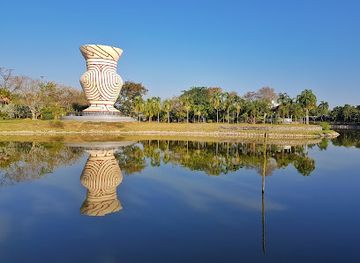
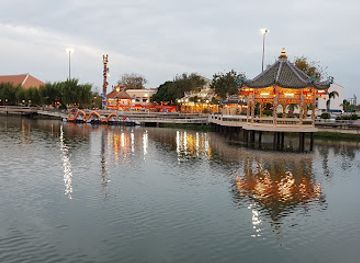
Nong Prajak Park
Discover the beauty and tranquility of Nong Prajak Park, a premier urban park in Udon Thani, perfect for relaxation, recreation, and cultural experiences.
10 min drive · 3.3 km from city centre
-
Tourist attraction
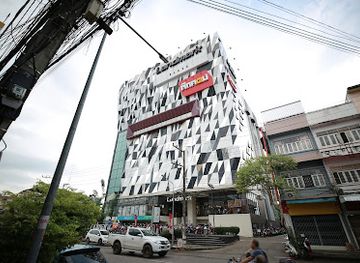
TUKCOM LANDMARK Udon Thani
Explore TUKCOM Landmark in Udon Thani for an exciting blend of shopping, dining, and entertainment in a family-friendly environment.
14 min drive · 4.6 km from city centre
-
Park
Thung Si Muang
Discover the tranquility and local culture of Thung Si Muang, a picturesque park in Udon Thani perfect for relaxation and exploration.
12 min drive · 3.9 km from city centre
-
Tourist attraction
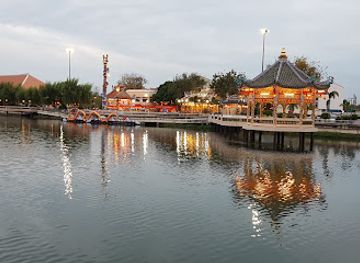
Thai-Chinese Cultural Center
Explore the vibrant cultural tapestry of Thailand and China at the Thai-Chinese Cultural Center in Udon Thani, a unique destination for history and culture enthusiasts.
19 min drive · 6.4 km from city centre
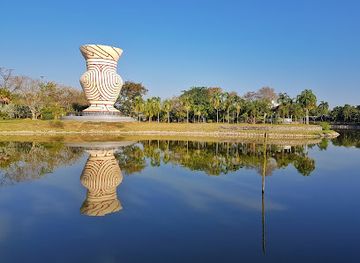
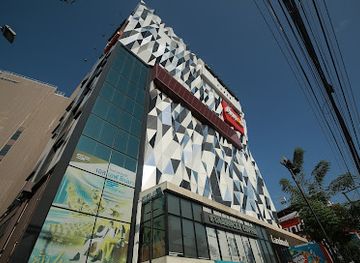
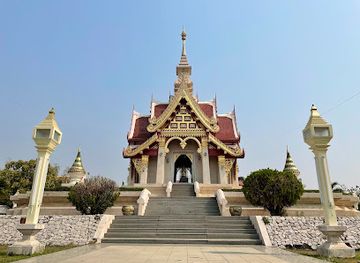
Best landmarks in Udon Thani
Nong Prajak Park is Udon Thani’s most recognisable civic landmark, defined by its lake, open lawns and the large public spaces used for recreation and local events. The Chao Pu-Ya Shrine and the adjacent Thai-Chinese Cultural Centre represent the city’s Chinese-Thai heritage, religious life and commercial history through ornate shrine architecture and community displays. Udon Thani Provincial Museum occupies a preserved early twentieth-century school building, making the structure itself part of the city’s educational and civic heritage as well as a museum setting. The railway station is another important urban reference point, reflecting the transport infrastructure that helped the city expand as a regional centre. These landmarks are more closely tied to community life and modern development than to royal palaces or monumental ancient architecture, giving Udon Thani a grounded, everyday sense of place.
-
Shopping mall
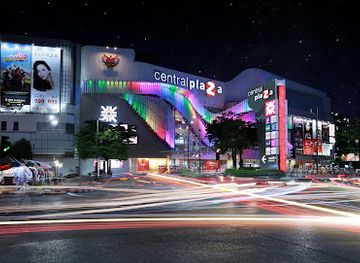
Central Udon
Discover Central Udon, a premier shopping destination in Udon Thani, offering diverse retail, dining, and entertainment experiences for every traveler.
16 min drive · 5.5 km from city centre
-
State park
Nong Prajak Park
Experience the serene beauty and cultural richness of Nong Prajak Park, a must-visit destination in Udon Thani, Thailand.
10 min drive · 3.3 km from city centre
-
Shopping mall
TUKCOM LANDMARK Udon Thani
Explore the vibrant TUKCOM LANDMARK in Udon Thani—your ultimate shopping and entertainment destination for technology, dining, and family fun.
14 min drive · 4.6 km from city centre
-
Cultural center
Thai-Chinese Cultural Center
Explore the intertwining cultures of Thailand and China at the Thai-Chinese Cultural Center, a hub of tradition, art, and history in Udon Thani.
19 min drive · 6.4 km from city centre
Explore Udon Thani on the map
Plan your Udon Thani trip on one map. See where the top attractions, landmarks, restaurants, bars and hotels are, find what's near where you're staying, and book hotels and experiences in a few clicks.
Best hotels in Udon Thani
Best restaurants in Udon Thani
Udon Thani’s food scene reflects the flavours of Isan alongside Chinese-Thai and Vietnamese influences brought by generations of migration and trade. Local specialities include som tam, grilled chicken, larb, sticky rice and spicy herb-heavy soups, with fermented fish adding the characteristic depth associated with northeastern cooking. Vietnamese-style dishes such as rice-paper rolls, noodle soups and light pancakes are also part of the city’s culinary identity, particularly around older commercial districts. Morning markets, roadside grills, noodle shops and casual rice restaurants provide the most direct introduction to local eating habits, while cafés and modern restaurants around the centre and UD Town offer air-conditioned alternatives. Food is often social and shared, with several small dishes ordered together; chilli levels vary considerably, so visitors can request a milder preparation when needed.
-
Breakfast
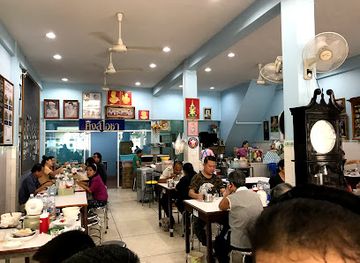
King Ocha
Discover authentic Thai breakfasts at King Ocha in Udon Thani - where every dish tells a story of flavor and tradition.
13 min drive · 4.4 km from city centre
-
Restaurant
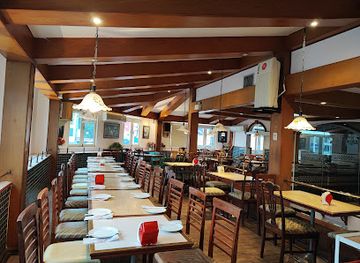
Maeya
Experience authentic Thai cuisine at Maeya in Udon Thani – where tradition meets taste in a family-friendly atmosphere.
13 min drive · 4.5 km from city centre
-
Restaurant
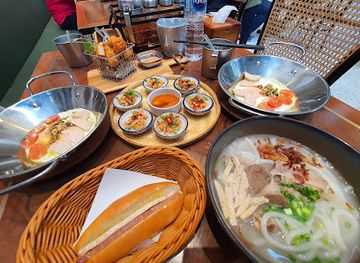
ร้านข้าวเปียกอุดร-สี่แยกโรงเรียนหมากแข้ง (KAO.PIAK.SEN)
Experience authentic Thai rice noodle dishes at KAO.PIAK.SEN in Udon Thani—delicious flavors await at this affordable local favorite.
14 min drive · 4.5 km from city centre
-
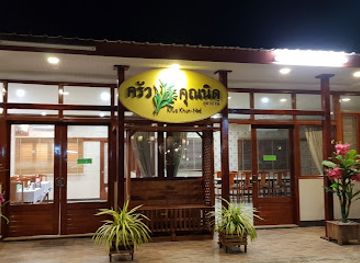
Restaurant
Krua Khun-Nid
Discover the authentic taste of Thailand at Krua Khun-Nid in Udon Thani - where tradition meets flavor in every dish.
12 min drive · 4.0 km from city centre
Best bars in Udon Thani
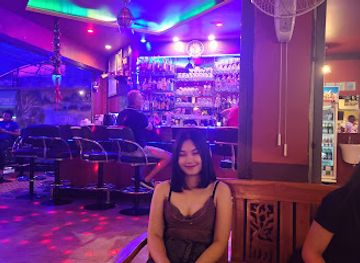
Udon Thani’s evening life is concentrated around restaurants, cafés, market areas and commercial zones rather than a single large nightlife quarter. UD Town and the streets near the railway station offer casual places to eat and meet, while bars serving beer, cocktails and live music attract local residents, Thai visitors and a modest international crowd. Karaoke venues and hotel-based bars provide more private or relaxed entertainment, and night markets add a social atmosphere without relying on club culture. The city also has a notable connection with Thai and foreign communities formed during the military-base era, though its nightlife remains primarily local in character. As elsewhere in Thailand, alcohol service is governed by national regulations and venue practices can change, so travellers should check details locally rather than assume late opening or club-style entertainment.
-
Bar
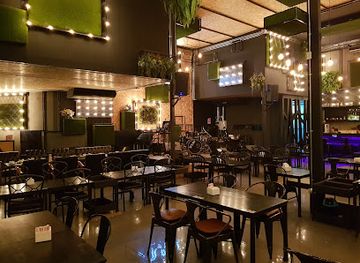
U-Tube Bar&Restaurant
Experience the vibrant nightlife and local culture at U-Tube Bar & Restaurant in Udon Thani, where delicious drinks and friendly vibes await.
12 min drive · 3.9 km from city centre
-
Bar
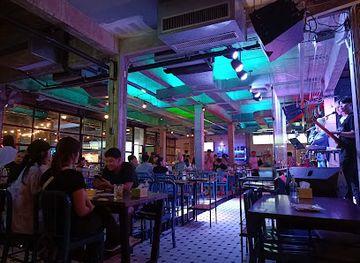
FLUID
Discover the lively nightlife at FLUID, a premier bar in Udon Thani offering a diverse drink menu and a vibrant atmosphere perfect for socializing.
10 min drive · 3.3 km from city centre
-
Bar
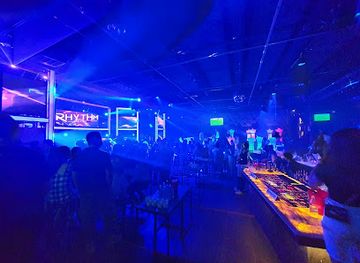
Rhythm Pub & Bar
Experience the vibrant nightlife of Udon Thani at Rhythm Pub & Bar, where great drinks, music, and ambiance come together for an unforgettable night.
8 min drive · 2.6 km from city centre
-
Grill
The Country Grill
Experience the best of grilled cuisine at The Country Grill in Udon Thani, where every bite is a celebration of flavor and quality.
16 min drive · 5.3 km from city centre
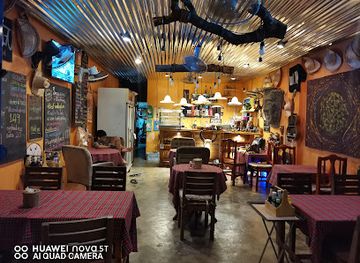
Best nightclubs in Udon Thani
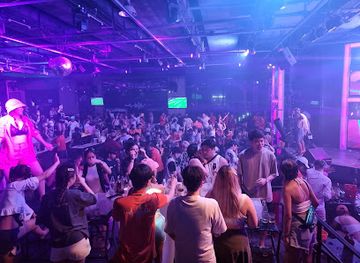
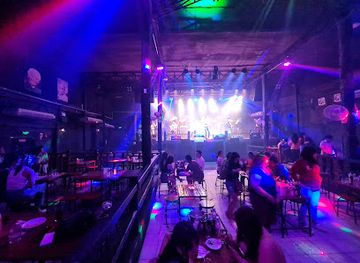
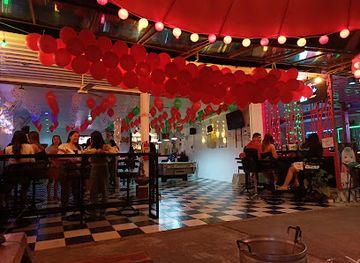
Udon Thani’s evening life is concentrated around restaurants, cafés, market areas and commercial zones rather than a single large nightlife quarter. UD Town and the streets near the railway station offer casual places to eat and meet, while bars serving beer, cocktails and live music attract local residents, Thai visitors and a modest international crowd. Karaoke venues and hotel-based bars provide more private or relaxed entertainment, and night markets add a social atmosphere without relying on club culture. The city also has a notable connection with Thai and foreign communities formed during the military-base era, though its nightlife remains primarily local in character. As elsewhere in Thailand, alcohol service is governed by national regulations and venue practices can change, so travellers should check details locally rather than assume late opening or club-style entertainment.
-
Bar
Rhythm Pub & Bar
Discover the lively nightlife of Udon Thani at Rhythm Pub & Bar, where music and cocktails create an unforgettable experience.
8 min drive · 2.6 km from city centre
-
Bar
Tawan Daeng Pub
Discover the energetic nightlife at Tawan Daeng Pub in Udon Thani – a must-visit bar for unforgettable nights filled with music and great drinks.
17 min drive · 5.6 km from city centre
-
Cocktail bar
Three Lady Bar
Experience Udon Thani's nightlife at Three Lady Bar, a lively cocktail bar and pub known for its affordable drinks and vibrant atmosphere.
17 min drive · 5.7 km from city centre
-
Girl bar
UDON Day & Night Bar Complex
UDON Day & Night Bar Complex: A lively girl bar in Udon Thani, offering great music, billiards, and a vibrant atmosphere for nightlife enthusiasts.
17 min drive · 5.7 km from city centre
Best shops in Udon Thani
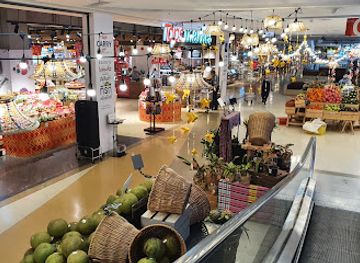
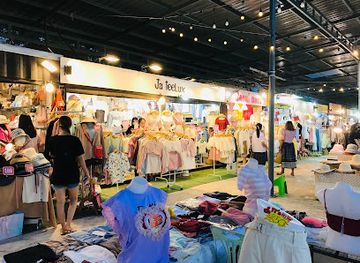
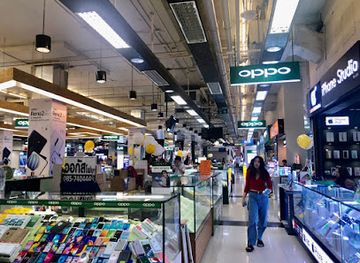
Shopping in Udon Thani ranges from traditional markets and specialist food stalls to modern retail complexes. The Central Udon area provides department-store shopping and familiar national brands, while UD Town combines shops, restaurants and open-air evening activity near the railway station. Local markets are useful for fresh produce, prepared food, clothing and inexpensive household goods, with the most interesting purchases often found in small independent stalls rather than formal retail spaces. Visitors can look for Isan food products, dried ingredients, woven textiles and locally made snacks, although provenance and quality vary between sellers. The streets around the Thai-Chinese commercial quarter offer a stronger sense of the city’s older trading culture, while contemporary cafés and boutiques reflect Udon Thani’s role as a growing regional centre.
-
Shopping mall
Central Udon
Discover the vibrant shopping, dining, and entertainment experiences at Central Udon, the ultimate shopping destination in Udon Thani.
16 min drive · 5.5 km from city centre
-
Shopping mall
UD Town Udon Thani
Experience the vibrant shopping and dining at UD Town, Udon Thani's premier shopping mall, where culture meets modern retail.
18 min drive · 6.1 km from city centre
-
Shopping mall
TUKCOM LANDMARK Udon Thani
Discover TUKCOM Landmark, a vibrant shopping mall in Udon Thani, blending technology, entertainment, and local cuisine for an unforgettable experience.
14 min drive · 4.6 km from city centre
-
Department store
Central Department Store - Udonthani
Explore Central Department Store in Udonthani – the ultimate shopping destination offering diverse products, dining options, and vibrant local culture.
16 min drive · 5.4 km from city centre
Get your free copy of our complete guide to Udon Thani, delivered straight to you.
Everything on this page, from attractions and restaurants to essentials and local phrases, in one PDF you can read offline, print or share.
Already have an account? Sign in
Your Udon Thani guide is ready.
We'll send it to · Not you? Sign out

Getting your guide ready…
We are putting together a fresh copy of the Udon Thani guide. This can take up to a minute.
This can take a few moments. If your browser asks, choose Allow so the download can start. You'll find the guide in your Downloads folder.
Nothing happened? Download it again
Sorry, the guide is taking longer than usual. Please try again in a minute, or get it by email instead.
Udon Thani essentials
Currency and Payment
Safety
Emergency Situations
Do's and Don'ts
Local Tips
From Eve
Local phrases worth knowing
You don't need to get them perfect. A few words go a long way, and locals appreciate the effort.
Basics
| English | Local | Say it |
|---|---|---|
| Hello | สวัสดี | [sawasdee] |
| Goodbye | ลาก่อน | [la kon] |
| Yes | ใช่ | [chai] |
| No | ไม่ | [mai] |
| Please/You're welcome | โปรด | [proht] |
| Thank you | ขอบคุณ | [kob khun] |
| Excuse me/Sorry | ขอโทษ | [khor toht] |
| How are you? | สบายดีไหม | [sabai dee mai] |
| Fine. And you? | สบายดีครับ คุณล่ะ | [sabai dee krub khun la] |
| Do you speak English? | คุณพูดภาษาอังกฤษได้ไหม | [khun poot pahsah angkrit dai mai] |
| I don't understand | ฉันไม่เข้าใจ | [chan mai khao jai] |
Eating & Drinking
| English | Local | Say it |
|---|---|---|
| I'd like to see the menu, please | ขอดูเมนูหน่อย | [khor doo menu noi] |
| I don't eat meat | ฉันไม่กินเนื้อ | [chan mai gin nuea] |
| Cheers! | ไชโย | [chai yo] |
| I would like to pay, please | ขอจ่ายเงินหน่อย | [khor jai ngoen noi] |
Emergencies
| English | Local | Say it |
|---|---|---|
| Help! | ช่วยด้วย | [chuai duay] |
| Go away! | ไปทางนั้น | [pai tang nan] |
| Call the Police! | โทรตำรวจ | [thor tamruat] |
| Call a doctor! | โทรหมอ | [thor mo] |
| I'm lost | ฉันหลงทาง | [chan long tang] |
| I'm ill | ฉันไม่สบาย | [chan mai sabai] |
Shopping
| English | Local | Say it |
|---|---|---|
| I'd like to buy... | ฉันอยากซื้อ... | [chan yak sue] |
| I'm just looking | ฉันแค่ดูอย่างเดียว | [chan kae du yang diao] |
| How much is it? | ราคาเท่าไหร่ | [ra kha thao rai] |
| That's too expensive | แพงเกินไป | [paeng gein pai] |
| Can you lower the price? | ลดราคาได้ไหม | [lot ra kha dai mai] |
Time & Numbers
| English | Local | Say it |
|---|---|---|
| What time is it? | กี่โมงแล้ว | [gee mong laeo] |
| It's one o'clock | ตีหนึ่ง | [tee neung] |
| Half past (10) | สามทุ่มครึ่ง | [sam tum krung] |
| Morning | เช้า | [chao] |
| Afternoon | บ่าย | [bai] |
| Evening | เย็น | [yen] |
| Yesterday | เมื่อวาน | [meua wan] |
| Today | วันนี้ | [wan nee] |
| Tomorrow | พรุ่งนี้ | [proong nee] |
| 1 | หนึ่ง | [neung] |
| 2 | สอง | [song] |
| 3 | สาม | [sam] |
| 4 | สี่ | [see] |
| 5 | ห้า | [ha] |
| 6 | หก | [hok] |
| 7 | เจ็ด | [jet] |
| 8 | แปด | [baet] |
| 9 | เก้า | [gao] |
| 10 | สิบ | [sip] |
Transport & Directions
| English | Local | Say it |
|---|---|---|
| Where's a/the...? | ...อยู่ที่ไหน | [yoo tee nai] |
| What's the address? | ที่อยู่อย่างไร | [tee yoo yang rai] |
| Can you show me (on the map)? | ช่วยแสดงให้ดูได้ไหม | [chuai sa-deng hai doo dai mai] |
| When's the next (bus)? | รถเมล์ตอนถัดไปเวลาเท่าไหร่ | [roh mel ton tadt pai welah thao rai] |
| A ticket (to ....) | ตั๋วไป... | [tua bai...] |
History of Udon Thani
Prehistoric Communities of the Region
The wider Udon Thani region has a much older history than the modern city. Ban Chiang, east of Udon Thani, preserves evidence of a prehistoric settlement and burial society whose pottery and metalworking traditions transformed understanding of early communities in mainland Southeast Asia. Excavations revealed distinctive painted ceramics, bronze objects and evidence of long-term occupation, although the interpretation and dating of some material have developed through continuing scholarship. The Ban Chiang Archaeological Site and its museum are outside the city but form an essential part of the province’s historical identity. They demonstrate that the landscape around Udon Thani supported settled communities, craft production and exchange many centuries before the emergence of the modern urban centre.
Siamese Administration in Isan
Udon Thani emerged as a modern administrative centre during the period when Siam strengthened its authority across the northeast in the late nineteenth and early twentieth centuries. The city’s development was connected with the reorganisation of provincial government, the consolidation of roads and communications, and the changing relationship between Bangkok and the Lao-speaking communities of the Mekong hinterland. Local society remained shaped by Isan customs, Theravada Buddhism, rice cultivation and regional trade. This layering of central administration over established local culture helps explain why Udon Thani today feels both firmly connected to Thailand’s national institutions and distinctly northeastern in language, cuisine and social life.
Railways and Urban Expansion
The arrival of the railway in the early twentieth century linked Udon Thani more closely with Nakhon Ratchasima, Bangkok and other parts of Isan. Rail transport strengthened the city’s role as a market and distribution centre, encouraging settlement, commerce and government services around the expanding urban area. Agricultural products, consumer goods and people moved more easily through the region, while the city became an important stopping point between the central plain and the Mekong borderlands. The railway’s influence remains visible in Udon Thani’s continuing role as a transport hub, even as roads, buses and air travel have become equally important to modern regional movement.
War, Airpower and International Contact
During the Vietnam War era, Udon Thani became an important base for the United States Air Force, whose facilities operated from the city during the 1960s and 1970s. The military presence brought foreign personnel, infrastructure, employment and new forms of international contact to a city that had previously been shaped mainly by regional trade and administration. Its effects were complex, contributing to economic growth while also altering the social landscape and leaving memories among local residents. The former strategic importance of the airfield is now less visible in ordinary sightseeing, but the period remains part of Udon Thani’s modern history and helps explain its unusually international connections for a provincial Isan capital.
A Modern Isan Regional Centre
After the end of the American military presence, Udon Thani continued to grow through commerce, education, transport and its proximity to the Lao border. The city developed as a service centre for northern Isan, with shopping complexes, hospitals, universities, hotels and expanding residential districts alongside long-established markets and Chinese-Thai businesses. Contemporary Udon Thani retains strong cultural links with village communities and Buddhist traditions, while its cafés, restaurants and retail spaces reflect wider Thai and international influences. The result is an urban identity built less around monumental architecture than around movement, trade, food, family networks and the daily life of a prosperous northeastern city.
Udon Thani in Photos
Browse through our photo collection highlighting the charm and character of the destination.
Cities near Udon Thani
The closest cities to Udon Thani, if you have time for more than one stop.
-

-

-

-

-


Swipe for more cities
Explore more
Explore more of Thailand
Discover Thailand: A land of diverse landscapes, rich culture, and warm hospitality, where ancient traditions blend seamlessly with modern attractions.
Explore Thailand