

Eua Island Travel Guide - Free Web & App
Your ultimate guide to Eua Island. Discover top landmarks, proposed trips, and local tips. Free on the web or via the Evendo companion app.


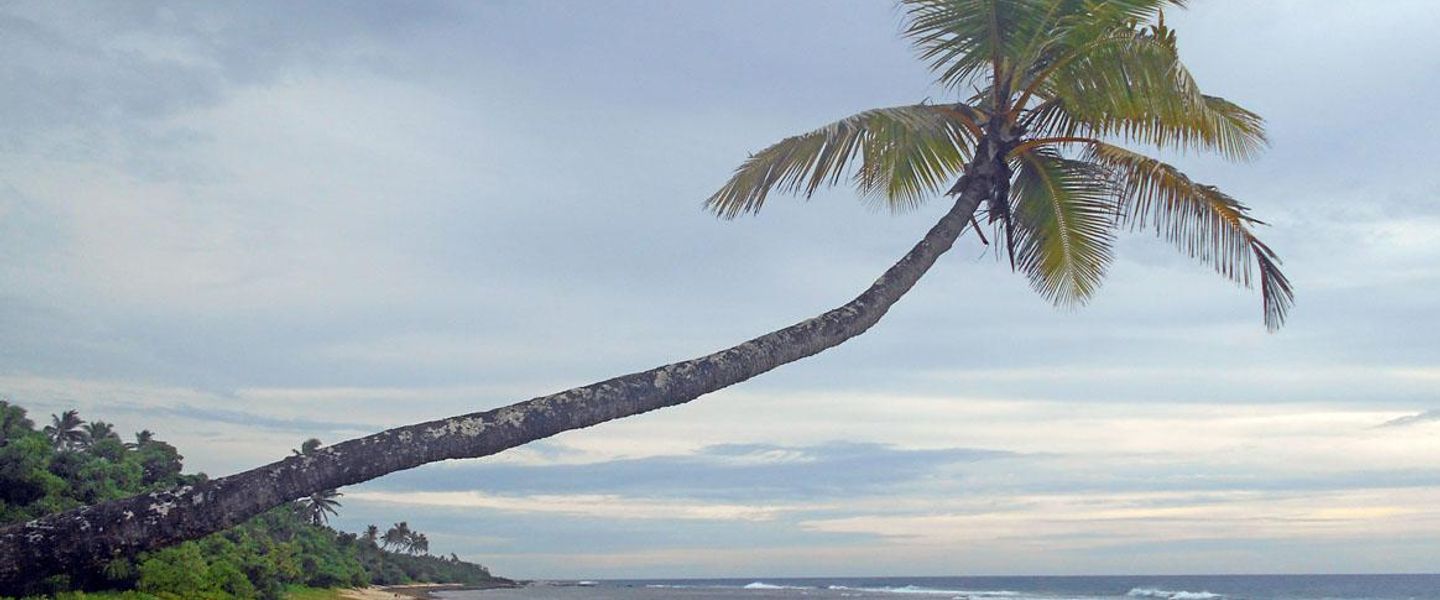


Eua Island, Tonga offers rainforest walks, limestone cliffs, caves, whale watching and village life in one of the South Pacific’s quieter island landscapes.
A Different Face of Tonga
Eua Island lies south-east of Tongatapu, separated from Tonga’s main island by open water and a journey that feels distinctly more remote. It is one of the oldest and most geologically distinctive islands in the Tongan archipelago: rather than being a low coral atoll, Eua is a raised limestone island with an undulating interior, steep eastern cliffs and forested hills reaching about 300 metres. The island’s compact scale makes it possible to combine village visits, coastal viewpoints and walks through dense vegetation, although roads and visitor facilities remain limited.Read more about Eua Island
Forest, Coast and Wildlife
Villages and Island Life
When is the best time to visit Eua Island?
Best: June–August · 27–28°C| Month | High (°C) | Rainfall (mm) |
|---|---|---|
| January | 31 | 155 |
| February | 31 | 150 |
| March | 31 | 145 |
| April | 31 | 140 |
| May | 30 | 135 |
| June (best) | 28 | 130 |
| July (best) | 27 | 125 |
| August (best) | 28 | 130 |
| September | 28 | 135 |
| October | 29 | 140 |
| November | 30 | 145 |
| December | 31 | 150 |
Getting to and around Eua Island
How to get there
Transportation
Best attractions in Eua Island
Eua National Park is the island’s principal natural attraction, protecting rainforest and elevated limestone terrain where visitors can walk among dense vegetation and look towards the eastern coast. The island’s raised interior gives it a more varied landscape than low-lying Tongatapu, with forest tracks, caves, plantations and viewpoints linked by a modest rural road network. The eastern escarpment is particularly valuable for broad Pacific vistas and the sense of open exposure above the sea, although cliff access requires care. Local guides can help visitors find less obvious caves, forest routes and coastal locations, while village roads reveal churches, gardens and everyday island life. Surrounding waters bring seasonal opportunities for humpback-whale observation, generally between July and October, and boating arrangements depend on weather and locally available operators. Eua’s attractions are therefore primarily environmental and community-based rather than museum-led or heavily developed, with the strongest experiences combining walking, scenery and an understanding of how residents use the island’s land and sea.
-
Nature preserve
Rock Garden Coral Formations
Immerse yourself in the stunning underwater landscapes of the Rock Garden Coral Formations, a must-visit nature preserve in Pangai, Tonga.
-
Nature preserve
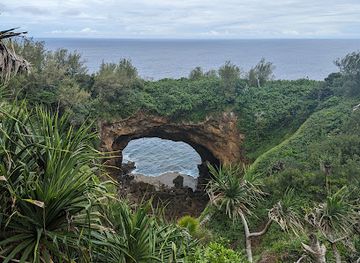
Li 'Anga Huo 'A Maui Natural Archway
Explore the breathtaking Li 'Anga Huo 'A Maui Natural Archway in Pangai, Tonga, a stunning natural wonder that highlights the beauty of the Pacific Islands.
-
Nature preserve
Laku Fa'anga Cliffs
Experience the breathtaking beauty of Laku Fa'anga Cliffs, a natural wonder in Pangai, Tonga, perfect for nature lovers and adventure seekers.


Best landmarks in Eua Island
Eua’s most important landmarks are predominantly natural. The raised limestone island itself is the defining feature, expressed in its forested uplands, caves and eastern coastal escarpment, where the land falls towards the open Pacific. Eua National Park is the central conservation landmark and protects a substantial area of the island’s remaining forest habitat. The wooded interior and elevated viewpoints provide a clear physical distinction from the flatter coral landscape of Tongatapu, while caves reveal the weathering of the island’s limestone foundation. Ohonua’s churches, village roads and cultivated surroundings represent the human landmarks of contemporary Eua, reflecting the importance of Christianity, family communities and subsistence agriculture. Coastal viewpoints and cliff-top areas are visually prominent but may lack formal infrastructure, so their significance lies in geology, landscape and setting rather than built monuments. There are no dense urban heritage quarters or large landmark complexes; Eua’s identity is anchored in the relationship between forest, raised island terrain, village life and sea.
-
Island
ʻEua
Experience the unspoiled beauty and rich culture of 'Eua Island, a hidden gem in Tonga perfect for nature lovers and adventurers alike.
-
Resort hotel
Blue Water Retreat
Experience the serene beauty of Blue Water Retreat in Tufuvai, Tonga, where luxury meets authentic Tongan hospitality amidst stunning ocean views.
-
Tour operator
Kiko's Swim With Whales Tours
Experience the thrill of swimming with whales in Tonga's pristine waters with Kiko's Swim With Whales Tours, an adventure of a lifetime.
-
Nature preserve
Li 'Anga Huo 'A Maui Natural Archway
Explore the stunning Li 'Anga Huo 'A Maui Natural Archway, a breathtaking symbol of nature's beauty and Tongan heritage, perfect for adventure and relaxation.


Explore Eua Island on the map
Plan your trip on one map. See where the top attractions, landmarks, restaurants and hotels are, and book hotels and experiences in a few clicks.
Best hotels in Eua Island
Best restaurants in Eua Island
Eua has a small, locally oriented food scene rather than a concentration of restaurants. Meals are commonly arranged through guesthouses, family-run accommodation or small establishments in and around Ohonua, and visitors should confirm availability in advance, particularly when staying outside the main settlement. Tongan home cooking may include root crops such as taro, cassava and sweet potato, rice, seasonal fruit, coconut, fish and other locally available seafood, with imported staples also forming part of everyday meals. Village shops provide basic provisions, but choice is narrower than on Tongatapu, so self-catering visitors should bring useful supplies from the main island when transport allows. Sharing food is closely connected with Tongan hospitality, while Sunday meals and church life follow local customs. Food options may be especially limited on travel days or in remote parts of the island.
-
Resort hotel
Blue Water Retreat
Experience paradise at Blue Water Retreat in Tufuvai - where traditional Tongan hospitality meets stunning natural beauty.

Best bars in Eua Island
Eua does not have a developed nightlife district or a notable club scene. Evenings are generally quiet, centred on guesthouses, family gatherings and small local meeting places rather than late-opening bars or entertainment venues. A drink may be available through accommodation or a village shop, but visitors should not expect a reliable choice of licensed venues, live music or late-night dining. Church and community life strongly shape the weekly rhythm, and Sunday is observed differently from a typical tourist evening. After dark, the island’s attractions are its rural stillness, night sounds and open skies, although visitors should remain close to their accommodation unless they have local guidance because roads, paths and coastal areas are not comprehensively lit.
-
 Restaurant
Fane Tonga
Explore the authentic tastes of Tonga at Fane Tonga, a culinary haven in Pangai offering traditional dishes in a warm and inviting atmosphere.
-
Restaurant
Mama's place
Experience the authentic flavors of Tonga at Mama's Place, a cozy restaurant in Pangai, offering traditional dishes made from fresh local ingredients.

Best nightclubs in Eua Island
Eua does not have a developed nightlife district or a notable club scene. Evenings are generally quiet, centred on guesthouses, family gatherings and small local meeting places rather than late-opening bars or entertainment venues. A drink may be available through accommodation or a village shop, but visitors should not expect a reliable choice of licensed venues, live music or late-night dining. Church and community life strongly shape the weekly rhythm, and Sunday is observed differently from a typical tourist evening. After dark, the island’s attractions are its rural stillness, night sounds and open skies, although visitors should remain close to their accommodation unless they have local guidance because roads, paths and coastal areas are not comprehensively lit.
-
Island
ʻEua
Experience the unparalleled natural beauty and tranquility of ʻEua Island, Tonga's hidden gem, perfect for adventure and relaxation.
-
Resort hotel
Blue Water Retreat
Experience luxury and tranquility at Blue Water Retreat in Tufuvai, Tonga - your ultimate escape into paradise.
-
Domestic airport
'Eua Kaufana Airport
Discover the beauty of 'Eua Island through 'Eua Kaufana Airport, your gateway to adventure, culture, and breathtaking landscapes.
-
National park
ʻEua National Park
Explore the lush landscapes, rugged cliffs, and diverse wildlife of ʻEua National Park, a hidden gem in Tonga full of natural wonders.

Best shops in Eua Island
Shopping on Eua is limited and practical, with small village shops and local food outlets providing everyday necessities rather than a broad retail experience. Ohonua is the most useful place to look for basic provisions, although visitors who need specialist food, equipment, medicines or a large choice of gifts should purchase them in Nukuʻalofa or Tongatapu before travelling. Locally grown produce, coconuts, root crops and seasonal fruit may be available through community connections or accommodation hosts, while handmade items and woven goods can appear informally rather than through a permanent craft market. Tonga’s wider traditions of weaving, tapa-making and carved handicrafts are culturally relevant, but availability on Eua varies and should not be presumed. Buying directly from residents, asking permission and paying fairly are more appropriate than expecting a dedicated shopping district or fixed artisan retail scene.
-
Liquor store
Liquor Store and Guesthouse
Experience the unique blend of local spirits and warm hospitality at Pangai's charming Liquor Store and Guesthouse.
-
Store
Tucker's icecream Guo
Discover the sweet flavors of ʻEua at Tucker's Ice Cream Guo, where every scoop is a taste of local delight.
-
Grocery store
A&J Store
Discover A&J Store in Pangai, a delightful grocery destination showcasing local flavors and essentials for every traveler.
-
Clothing store
Mj's Fashion
Discover the vibrant world of fashion at Mj's Fashion in Ohonua, where style meets the spirit of Tonga.


Get your free copy of our complete guide to Eua Island, delivered straight to you.
Everything on this page, from attractions and restaurants to essentials and local phrases, in one PDF you can read offline, print or share.
Already have an account? Sign in
Your Eua Island guide is ready.
We'll send it to · Not you? Sign out

Getting your guide ready…
We are putting together a fresh copy of the Eua Island guide. This can take up to a minute.
This can take a few moments. If your browser asks, choose Allow so the download can start. You'll find the guide in your Downloads folder.
Nothing happened? Download it again
Sorry, the guide is taking longer than usual. Please try again in a minute, or get it by email instead.
Eua Island essentials
Currency and Payment
Safety
Emergency Situations
Do's and Don'ts
Local Tips
From Eve
Local phrases worth knowing
You don't need to get them perfect. A few words go a long way, and locals appreciate the effort.
Basics
| English | Local | Say it |
|---|---|---|
| Hello | Malo e lelei | [mah-loh eh leh-leh] |
| Goodbye | Nofo a | [noh-foh ah] |
| Yes | Io | [ee-oh] |
| No | Tonga | [tong-gah] |
| Please/You're welcome | Fakamolemole | [fah-kah-moh-leh-moh-leh] |
| Thank you | Malo | [mah-loh] |
| Excuse me/Sorry | Fakamolemole | [fah-kah-moh-leh-moh-leh] |
| How are you? | Ko e ha ho hala? | [koh eh hah hoh hah-lah] |
| Fine. And you? | Lelei. Pehe koe? | [leh-leh. peh-heh koh-eh] |
| Do you speak English? | Ko e fakapali Angilisi? | [koh eh fah-kah-pah-lee ahn-gee-lee-see] |
| I don't understand | Teke fahe? | [teh-keh fah-heh] |
Eating & Drinking
| English | Local | Say it |
|---|---|---|
| I'd like to see the menu, please | Ko e fakakite ki he meniu, fakamolemole | [koh eh fah-kah-kee-teh kee heh meh-nee-oo fah-kah-moh-leh-moh-leh] |
| I don't eat meat | Teke ai me'a | [teh-keh ah-ee meh-ah] |
| Cheers! | Malo | [mah-loh] |
| I would like to pay, please | Ko e fakamamahi ki ho'o ha'u, fakamolemole | [koh eh fah-kah-mah-mah-hee kee hoh-oh hah-oo fah-kah-moh-leh-moh-leh] |
Emergencies
| English | Local | Say it |
|---|---|---|
| Help! | Fesoasoani! | [feh-soh-ah-soh-ah-nee] |
| Go away! | Foki atu! | [foh-kee ah-too] |
| Call the Police! | Fonua ki he Polisi! | [foh-noo-ah kee heh poh-lee-see] |
| Call a doctor! | Fonua ki he kaukau! | [foh-noo-ah kee heh kow-kow] |
| I'm lost | Teke keke | [teh-keh keh-keh] |
| I'm ill | Teke ma'u | [teh-keh mah-oo] |
Shopping
| English | Local | Say it |
|---|---|---|
| I'd like to buy... | Ko e fakatau ki... | [koh eh fah-kah-tow kee] |
| I'm just looking | Ko e loto ke 'i ai | [koh eh loh-toh keh ee ah-ee] |
| How much is it? | Ke 'i ha'u e fakafisi? | [keh ee hah-oo eh fah-kah-fee-see] |
| That's too expensive | Ko e 'ikai maheni | [koh eh ee-kahee mah-heh-nee] |
| Can you lower the price? | Ko e toe fakamamahi e fiha? | [koh eh toh-eh fah-kah-mah-mah-hee eh fee-hah] |
Time & Numbers
| English | Local | Say it |
|---|---|---|
| What time is it? | Ko e ha'u e taimi? | [koh eh hah-oo eh tah-ee-mee] |
| It's one o'clock | Ko e taha e teiti | [koh eh tah-hah eh teh-ee-tee] |
| Half past (10) | Ha'u ha 'umi | [hah-oo hah oo-mee] |
| Morning | Hengihengi | [heh-nghee-heh-nghee] |
| Afternoon | Apongipongi | [ah-poh-nghee-poh-nghee] |
| Evening | Tonga | [tong-gah] |
| Yesterday | Neinei | [neh-ee-neh-ee] |
| Today | Nifo | [nee-foh] |
| Tomorrow | Apopo | [ah-poh-poh] |
| 1 | Taha | [tah-hah] |
| 2 | Fua | [foo-ah] |
| 3 | Tolu | [toh-loo] |
| 4 | Fa | [fah] |
| 5 | Nima | [nee-mah] |
| 6 | Ono | [oh-noh] |
| 7 | Fitu | [fee-too] |
| 8 | Valu | [vah-loo] |
| 9 | Hiva | [hee-vah] |
| 10 | Umi | [oo-mee] |
Transport & Directions
| English | Local | Say it |
|---|---|---|
| Where's a/the...? | Ko fekauha'u a/the...? | [koh feh-kow-hah-oo ah/the] |
| What's the address? | Ko e ha'u e tuhi? | [koh eh hah-oo eh too-hee] |
| Can you show me (on the map)? | Ko e toe hiki au (ki he mapa)? | [koh eh toh-eh hee-kee ow (kee heh mah-pah)] |
| When's the next (bus)? | Ko e ha'u e taimi hoko 'i (bus)? | [koh eh hah-oo eh tah-ee-mee hoh-koh ee (bus)] |
| A ticket (to ....) | Ko e tikitii (ki ....) | [koh eh tee-kee-tee (kee)] |
History of Eua Island
A Raised Limestone Island
Eua’s physical character reflects its position on the Tonga Ridge, where uplift has raised ancient coral limestone above sea level. The island’s hills, caves and eastern escarpment contrast with the low-lying coral landscapes of much of Tonga. Rainfall and tropical weather have gradually weathered the raised surface, producing forested slopes, exposed limestone and deeply cut coastal terrain. This geological setting explains why Eua is both higher and more topographically varied than Tongatapu, and why walking here involves terrain unlike the flat roads and reef margins found on Tonga’s largest island.
Early Polynesian Settlement
Eua has been inhabited for centuries by Polynesian communities as part of the wider Tongan cultural world. Traditional settlement and subsistence depended on fertile soils, forest resources, cultivated gardens and the surrounding sea. Like other Tongan islands, Eua’s villages developed within a society shaped by chiefly authority, extended family relationships, Christianity and strong communal obligations. Oral traditions remain important to local identity, while churches, village cemeteries and cultivated land provide visible reminders that the island is a lived cultural landscape rather than an uninhabited wilderness.
European Voyages and Missionary Change
European navigators recorded the island during early voyages through the Pacific, and later British voyages used names such as Eoa in their accounts. These encounters formed part of the wider period of European exploration in Tonga, although Eua did not develop into a major colonial port. Christian missionary activity subsequently reshaped religious and social life, as it did across the Tongan islands. Churches became important community institutions, and Sunday observance remains a significant feature of contemporary life, influencing travel arrangements and the rhythm of village activity.
Forests, Farming and Conservation
Eua’s people have long combined cultivation, fishing and the use of forest resources, while roads and village expansion have altered parts of the island’s natural cover. The remaining forest is especially valuable because it supports native vegetation and birdlife in a country where lowland habitats have been extensively modified. Eua National Park represents the modern effort to protect a substantial area of this environment and to maintain its value for conservation and carefully managed tourism. Today, the island’s heritage is expressed through both community life and the continued relationship between residents, gardens, forest and sea.
Eua Island in Photos
Browse through our photo collection highlighting the charm and character of the destination.
Cities in Eua Island
The towns and cities of Eua Island, and the easiest places to base yourself.

Swipe for more cities
Neighbouring destination travel guides
The closest destinations to Eua Island, if you have time for more than one.
-

-

-

-

-


Swipe for more destinations
Explore more

Explore more of Tonga
Discover Tonga, the Friendly Islands of the South Pacific, where pristine beaches, vibrant coral reefs, and rich cultural heritage await your exploration.
Explore Tonga