

Tunis, Tunisia Travel Guide
Explore Tunis, Tunisia's vibrant capital, where ancient history meets modern charm. Discover bustling markets, stunning architecture, and a rich cultural tapestry.
Tunis, the capital of Tunisia, is a captivating blend of old and new. This city offers a rich tapestry of history, culture, and modernity, making it a must-visit destination. As you wander through the bustling streets, you'll encounter an array of stunning architecture, from ancient ruins to French colonial buildings. The medina, a UNESCO World Heritage site, is a labyrinth of narrow alleys filled with vibrant markets, traditional crafts, and historic mosques. Beyond the medina, Tunis boasts several fascinating museums, including the Bardo National Museum, which houses one of the world's largest collections of Roman mosaics. The city's modern districts, such as La Marsa and Carthage, offer chic cafes, upscale restaurants, and beautiful beaches. The fusion of Mediterranean and Arabic cultures is evident in the local cuisine, which features a delightful mix of flavors and ingredients. Tunis is also a gateway to explore the wider region of Tunisia. Just a short drive away, you can visit the ancient ruins of Carthage, the picturesque village of Sidi Bou Said, and the stunning landscapes of the Atlas Mountains. Whether you're a history buff, a foodie, or simply looking to relax by the sea, Tunis has something for everyone.

Know before you go
Hi, I'm Eve. Here are a few practical things to know before exploring Tunis.
- Visit early in the morning to avoid the crowds at popular sites like the Bardo National Museum and the medina.
- Wear comfortable shoes for walking through the medina's narrow and often uneven streets.
- Try the local street food, such as brik and harissa, for an authentic taste of Tunisian cuisine.
- Use public transportation or taxis to get around, as parking can be challenging in busy areas.
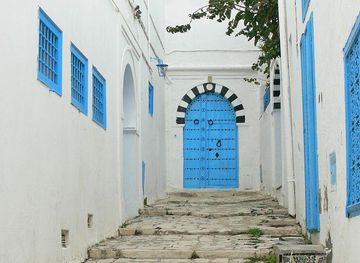
- Visit the nearby village of Sidi Bou Said for breathtaking views and charming white-and-blue architecture.



Explore Tunis: Things to Do, Places to Eat, Hotels & More
Handpicked recommendations for top attractions, local dining, accommodations, and more

Best attractions in Tunis
Top-rated picks
Best Attractions

Ez-Zitouna Mosque
Discover the stunning Ez-Zitouna Mosque in Tunis, a historical gem and a symbol of Islamic culture, rich in architecture and spiritual significance.

La Perle du Lac
Discover the tranquil beauty of La Perle du Lac, a serene garden oasis in Tunis, perfect for relaxation and leisurely exploration.

National Museum of Bardo
Uncover the rich cultural heritage of Tunisia at the National Museum of Bardo, home to exquisite mosaics and ancient artifacts from diverse civilizations.

City of Culture
Discover the rich heritage of Tunisia at the City of Culture, a vibrant hub for art, performances, and cultural exhibitions in the heart of Tunis.

Best landmarks in Tunis
Top-rated picks
Best Landmarks

Ez-Zitouna Mosque
Discover the rich heritage and stunning architecture of Ez-Zitouna Mosque, a must-visit landmark in the heart of Tunis's Medina.

National Museum of Bardo
Explore the National Museum of Bardo, home to exquisite Roman mosaics and a treasure trove of Tunisian history, art, and culture.

City of Culture
Discover the heart of Tunisian creativity at the City of Culture, a vibrant cultural center showcasing art, music, and heritage in the heart of Tunis.

Sidi Youssef Dey Mosque
Discover the architectural beauty and serene ambiance of Sidi Youssef Dey Mosque in the heart of La Medina, a cultural gem of Tunis that enchants every visitor.

Best restaurants in Tunis
Top-rated picks
Best Restaurants

La Gargote
Experience authentic Italian cuisine at La Gargote in Tunis - where tradition meets flavor in a cozy setting.

Restaurant Dar Slah
Experience the rich flavors of Tunisia at Restaurant Dar Slah in La Medina—where every dish tells a story.

Bab Tounès
Discover the essence of Tunisian cuisine at Bab Tounès - a delightful restaurant in La Medina offering authentic flavors in a charming setting.

Mokito
Experience unique flavors and modern dining at Mokito in Tunis' El Menzah district, where tradition meets innovation.

Best bars in Tunis
Top-rated picks
Best Bars

Le 4eme
Experience the vibrant nightlife of Tunis at Le 4eme, a chic bar serving delightful drinks and a welcoming atmosphere.

Bar L'oriental
Experience the vibrant culture of Tunis at Bar L'oriental, where delightful drinks and warm hospitality await.

Bar Les Sportifs بار علي ورق
Experience the vibrant nightlife and delicious drinks at Bar Les Sportifs, a must-visit bar in the heart of Tunis.

Chez l'ami bar
Discover the vibrant energy of Chez l'ami Bar in Tunis, where local flavors and a friendly atmosphere await every visitor.

Best nightclubs in Tunis
Top-rated picks
Best Nightclubs

RAS DAREB 31 INDONESIAN LOUNGE
Discover the authentic flavors of Indonesia at Ras Dareb 31 Lounge in Tunis, where vibrant cuisine meets a welcoming atmosphere.

Le Bistrot
Discover the cozy ambiance and authentic Tunisian flavors at Le Bistrot, a must-visit lounge for every tourist in Tunis.

Parkering Tirssag
Experience the electrifying nightlife at Parkering Tirssag in Tunis, where music, culture, and vibrant energy come together for an unforgettable night out.

the basement gaming club
Discover the ultimate nightlife experience at The Basement Gaming Club in Tunis, where gaming and vibrant entertainment collide.

Best shops in Tunis
Top-rated picks
Best Shops

Kpop Shop Tunisia
Explore Kpop Shop Tunisia for a vibrant collection of K-Pop merchandise, from albums to apparel, embracing the culture of your favorite idols.

IRMAJOHNS
Discover the heart of Tunisian craftsmanship at IRMAJOHNS, where unique gifts and local treasures await every traveler.

LYOUM
Explore LYOUM Boutique in Tunis for unique artisanal crafts and fashion that reflect the vibrant culture of Tunisia.

ROUMOUZ Lignes & Couleurs
Explore ROUMOUZ Lignes & Couleurs, a captivating gift shop in Tunis specializing in exquisite Tunisian ceramics, perfect for unique souvenirs.

Explore Tunis on the Map
A handpicked selection of must-see spots in Tunis, mapped for you.
Tunis Essentials
-
Tunis is served by the Tunis-Carthage International Airport (TUN), which is located approximately 8 kilometers northeast of the city center. Several international airlines operate flights to and from major European, African, and Middle Eastern cities. Once you arrive at the airport, you can take a taxi, which is the most convenient option, or use the airport shuttle service to reach the city. It is also possible to arrive in Tunis by ferry from various Mediterranean ports, including Marseille and Palermo.
-
Tunis offers a variety of transportation options. The city boasts a reliable and affordable public transportation system, including buses, trams, and the TGM suburban train connecting Tunis to the northern suburbs. Taxis are widely available and relatively inexpensive but make sure the meter is running or agree on a fare beforehand. For a more flexible option, consider renting a car, although traffic can be heavy, especially during peak hours. Biking is not very common in Tunis due to the lack of dedicated bike lanes.
-
The official currency in Tunisia is the Tunisian Dinar (TND). Credit cards are widely accepted in hotels, restaurants, and larger shops, but it is advisable to carry some cash for smaller establishments and markets. ATMs are plentiful in Tunis, and you can withdraw cash using international debit or credit cards. Currency exchange services are available at the airport, banks, and exchange offices throughout the city.
-
Tunis is generally a safe city for tourists, but like any large urban area, it is wise to take standard precautions. Avoid walking alone at night in unfamiliar areas and be cautious with your belongings in crowded places. Areas such as the Medina, while rich in history and culture, can be hotspots for pickpocketing. Neighborhoods like Ettadhamen and Douar Hicher have higher crime rates and are best avoided by tourists.
-
In case of emergency, dial 197 for the police, 198 for the ambulance service, and 190 for the fire department. Tunis has several hospitals and clinics that provide medical care, including the Charles Nicolle Hospital and the Rabta Hospital. It is advisable to have travel insurance that covers medical emergencies. Pharmacies are readily available for over-the-counter medications and minor health issues.
-
Fashion: Do dress modestly, especially in religious and traditional areas. Avoid overly revealing clothing. Religion: Do respect local customs and traditions. When visiting mosques, dress modestly and remove your shoes. Public Transport: Do be respectful and offer your seat to elderly passengers. Don't eat or drink on public transport. Greetings: Do greet people with a handshake. Men may place their hand over their heart as a sign of respect. Eating & Drinking: Do try local dishes and accept hospitality graciously. Don't refuse food or drink offerings, as it can be considered impolite.
-
To experience Tunis like a local, visit the bustling Medina and explore its narrow streets, souks, and historic sites. Enjoy a coffee or mint tea at a traditional café and engage with locals who are often friendly and willing to share their culture. Don't miss the Bardo National Museum, home to one of the world's most significant collections of Roman mosaics. For a unique experience, take a stroll along the Avenue Habib Bourguiba, the city's main thoroughfare, and enjoy the lively atmosphere.
When is the best time to visit Tunis?
Useful Local Phrases for Tunis
You don't need to speak the language perfectly. Even learning a few simple words can make conversations warmer—and locals usually appreciate the effort.
— Eve

Here are the phrases I use most often in Tunis. Try a few—you'll be surprised how far they go! 😊
❤️
-
- Helloمرحبا
[marhaba] - Goodbyeمع السلامة
[maa as-salama] - Yesنعم
[naam] - Noلا
[laa] - Please/You're welcomeمن فضلك/على الرحب والسعة
[min fadlik/ala ar-rahb was-sa'a] - Thank youشكرا
[shukran] - Excuse me/Sorryعذرا
[aathara] - How are you?كيف حالك؟
[kayfa halak?] - Fine. And you?بخير. وأنت؟
[bikhayr. wa anta?] - Do you speak English?هل تتكلم الإنجليزية؟
[hal tatakallam al-ingliziyya?] - I don't understandأنا لا أفهم
[ana la afham]
- Helloمرحبا
-
- I'd like to see the menu, pleaseأرغب في رؤية القائمة، من فضلك
[urghab fi ru'yyat al-qa'imah, min fadlik] - I don't eat meatأنا لا آكل اللحم
[ana la aakul al-lahm] - Cheers!في صحتك!
[fi sahtik!] - I would like to pay, pleaseأود أن أدفع، من فضلك
[awad an adfa', min fadlik]
- I'd like to see the menu, pleaseأرغب في رؤية القائمة، من فضلك
-
- Help!النجدة!
[an-najda!] - Go away!امش غير!
[imsh ghayr!] - Call the Police!اتصل بالشرطة!
[itassil bish-shurtah!] - Call a doctor!اتصل بطبيب!
[itassil bittabib!] - I'm lostلقد ضللت الطريق
[lakad dalalt at-tariq] - I'm illأنا مريض
[ana mareed]
- Help!النجدة!
-
- I'd like to buy...أرغب في شراء...
[urghab fi shira...] - I'm just lookingأنا أتفرج فقط
[ana atfarij faqat] - How much is it?كم هو ثمنه؟
[kam huwa thamanuh?] - That's too expensiveهذا غالي جدا
[hatha ghali jiddan] - Can you lower the price?هل يمكنك تخفيض السعر؟
[hal yumkinuk takhfid as-sa'r?]
- I'd like to buy...أرغب في شراء...
-
- What time is it?كم الساعة؟
[kam as-sa'ah?] - It's one o'clockالساعة الواحدة
[as-sa'ah al-wahidah] - Half past (10)الساعة العاشرة والنصف
[as-sa'ah al-'ashirah w-an-nisf] - Morningالصباح
[as-sabah] - Afternoonالظهر
[adh-dhuhur] - Eveningالمساء
[al-masa] - Yesterdayأمس
[ams] - Todayاليوم
[al-yawm] - Tomorrowغدا
[ghadan] - 1واحد
[wahid] - 2اثنين
[ithnayn] - 3ثلاثة
[thalathah] - 4أربعة
[arba'ah] - 5خمسة
[khamsah] - 6ستة
[sittah] - 7سبعة
[sab'ah] - 8ثمانية
[thamaniah] - 9تسعة
[tis'ah] - 10عشرة
[asharah]
- What time is it?كم الساعة؟
-
- Where's a/the...?أين هو/هي...؟
[ayn huwa/hi...?] - What's the address?ما هو العنوان؟
[ma huwa al-anaan?] - Can you show me (on the map)?هل يمكنك أن تريني (على الخريطة)؟
[hal yumkinuk an tureeni (ala al-kharitah)?] - When's the next (bus)?متى يكون الحافلة القادمة؟
[mata yakoon al-hafilah al-qadimah?] - A ticket (to ....)تذكرة (إلى...)
[tadhkirah (ila...)]
- Where's a/the...?أين هو/هي...؟
History of Tunis
-
Tunis, the capital city of Tunisia, has a rich and diverse history that begins with its foundation by the Berber people around the 9th century BC. It was originally a small settlement strategically located near the Mediterranean Sea, which later became a significant trade hub due to its proximity to Carthage.
-
During the Carthaginian era, Tunis served as a satellite to the mighty city of Carthage. It played a crucial role in the economic and military strategies of the Carthaginian Empire from the 6th to the 2nd century BC. The remnants of this era can still be seen in the ruins of Carthage, a UNESCO World Heritage site located just outside modern-day Tunis.
-
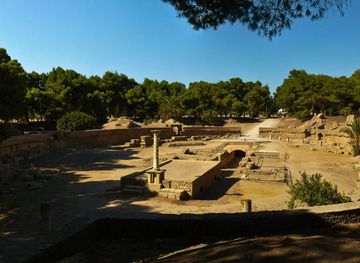
After the defeat of Carthage in the Third Punic War in 146 BC, Tunis came under Roman rule. The Romans transformed it into a prosperous city known as 'Tynes'. Roman architecture and urban planning left a lasting imprint, with ruins such as the Antonine Baths and the Roman Amphitheatre in nearby Carthage.
-
Following the decline of the Roman Empire, Tunis came under Byzantine control in the 5th century AD. The city experienced significant changes with the arrival of Arab-Muslim conquerors in the 7th century, who introduced Islam and laid the foundation for the city's Islamic culture and architecture, including the construction of the Al-Zaytuna Mosque.
-
The Hafsid Dynasty, ruling from the 13th to the 16th century, marked a golden age for Tunis. The city became the capital of a flourishing kingdom and a center of learning and culture. This period saw the construction of many significant buildings and the expansion of the medina, which remains a focal point of Tunis today.
-
In the late 16th century, Tunis fell under Ottoman rule. The Ottomans established the city as the capital of the Regency of Tunis. This period saw the blending of Ottoman architectural styles with existing local traditions, resulting in the unique and distinctive appearance of the city's historic buildings.
-
In 1881, Tunis became part of the French Protectorate of Tunisia. This era brought about significant changes, including modernization efforts, the introduction of European architectural styles, and the expansion of the city beyond its traditional medina. The French influence is still evident in the wide boulevards and colonial buildings of the Ville Nouvelle.
-
Tunisia gained independence from France in 1956, with Tunis as its capital city. Since then, Tunis has grown into a vibrant metropolis, blending its rich historical heritage with modern development. The city has witnessed significant political and social changes, particularly during the Tunisian Revolution in 2011, which sparked the wider Arab Spring movement.
-
Tunis is renowned for its cultural heritage, including its music, cuisine, and festivals. The medina of Tunis, a UNESCO World Heritage site, is a maze of narrow streets, bustling souks, and historic buildings that reflect the city's diverse influences. The city's cultural life is further enriched by its museums, such as the Bardo National Museum, which houses an extensive collection of Roman mosaics and artifacts.
Cities near Tunis
The closest cities to Tunis, if you have time for more than one stop.



Your all‑in‑one travel companion app
Explore expert travel guides, compare and book tours, experiences, hotels, and more—all from the palm of your hand. Download now for seamless trip planning wherever your wanderlust takes you.


Tunis in Photos
Browse through our photo collection highlighting the charm and character of the destination.

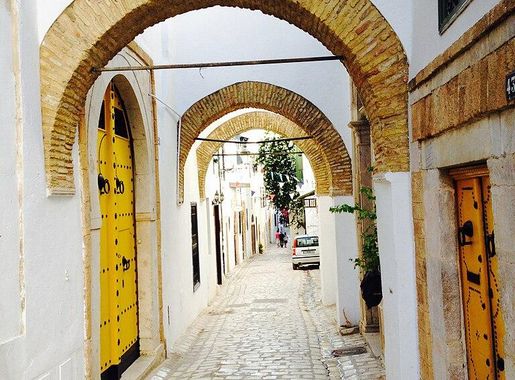

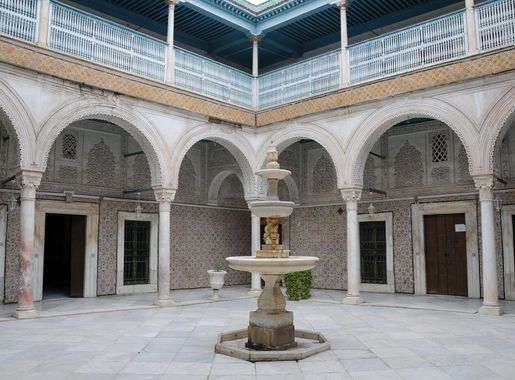
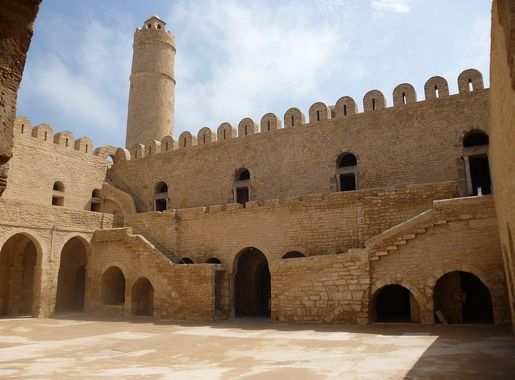


Tunis: The Jewel of North Africa
Tunis, the capital of Tunisia, is a captivating blend of old and new. This city offers a rich tapestry of history, culture, and modernity, making it a must-visit destination. As you wander through the bustling streets, you'll encounter an array of stunning architecture, from ancient ruins to French colonial buildings. The medina, a UNESCO World Heritage site, is a labyrinth of narrow alleys filled with vibrant markets, traditional crafts, and historic mosques. Beyond the medina, Tunis boasts several fascinating museums, including the Bardo National Museum, which houses one of the world's largest collections of Roman mosaics. The city's modern districts, such as La Marsa and Carthage, offer chic cafes, upscale restaurants, and beautiful beaches. The fusion of Mediterranean and Arabic cultures is evident in the local cuisine, which features a delightful mix of flavors and ingredients. Tunis is also a gateway to explore the wider region of Tunisia. Just a short drive away, you can visit the ancient ruins of Carthage, the picturesque village of Sidi Bou Said, and the stunning landscapes of the Atlas Mountains. Whether you're a history buff, a foodie, or simply looking to relax by the sea, Tunis has something for everyone.
Explore More of Tunisia

Looking beyond Tunis? Discover Tunisia for broader travel guides, local hot-spots, and regional highlights.
Explore Tunisia