

La Marsa (Tunis) Travel Guide - Free
Explore La Marsa in Tunis with Evendo's free guide. Find the best shops, historic streets, restaurants, and gems on web or mobile.


La Marsa, Tunis: explore a graceful Mediterranean suburb of beaches, beylical history, cafés, seafood, markets and easy coastal walks near Sidi Bou Said.
A Coastal Suburb with Royal Connections
La Marsa occupies the eastern edge of the Greater Tunis area, where the city gives way to the Gulf of Tunis. Historically associated with the summer residences of Tunisia’s beys, it retains a more leisurely character than central Tunis: white villas, shaded streets, small squares and a seafront promenade shape the visitor’s first impression. The neighbourhood is distinct from neighbouring Sidi Bou Said, although the two are close enough to combine in a single coastal outing.Read more about La Marsa
Sea, Sand and Everyday Street Life
Palaces, Public Spaces and the Northern Coast
Best attractions in La Marsa
La Marsa’s main attractions are concentrated around its shore, central streets and historic public spaces. The broad beach and corniche provide the defining visitor experience, with views across the Gulf of Tunis and plenty of opportunities for walking, swimming and watching local life. Around the centre, Avenue Habib Bourguiba leads towards cafés, shops and the palm-lined surroundings of Parc Saada, while Café Saf Saf is a memorable stop for its traditional setting and long-standing place in the neighbourhood’s social life. The Abdalliya Palace adds a substantial historical dimension, linking La Marsa to the Hafsid era and reminding visitors that the area is more than a modern seaside suburb. The nearby TGM station, old villas and quieter residential lanes also reward unhurried exploration. Carthage and Sidi Bou Said are close and highly relevant to a coastal itinerary, but they are separate destinations rather than attractions within La Marsa.
-
Tourist attraction
Marsa Corniche
Discover the beauty of Marsa Corniche, a stunning coastal promenade in La Marsa, Tunisia, ideal for relaxation, dining, and breathtaking Mediterranean views.
12 min walk · 1.0 km from neighbourhood centre
-
Ice skating rink
Ksar Essaada
Experience the joy of ice skating in the stunning Ksar Essaada park in La Marsa, Tunisia - a perfect blend of fun and nature for all ages.
6 min walk · 0.5 km from neighbourhood centre
-
Hiking area
Parc Essaada
Discover the serene beauty of Parc Essaada, a perfect hiking area in La Marsa, Tunisia, ideal for nature lovers and families seeking outdoor adventures.
5 min walk · 0.4 km from neighbourhood centre
-
Tourist attraction
City panorama platform
Discover stunning panoramic views of Carthage and the Mediterranean from the City Panorama Platform, a must-visit for every traveler.
7 min drive · 2.2 km from neighbourhood centre


Best landmarks in La Marsa
La Marsa’s landmarks express its coastal and courtly past rather than forming a single monumental ensemble. The Abdalliya Palace is the most significant historic building associated with the neighbourhood, an important Hafsid monument whose presence connects modern La Marsa with medieval Tunisian history. The beach and corniche are landmarks in a less formal sense: their open seafront, promenades and views across the Gulf have shaped the neighbourhood’s public identity for generations. The old palace quarter and surviving villas evoke the period when La Marsa served as a summer retreat for the beylical court, although individual buildings should not be assigned dates or architectural labels without reliable local information. Parc Saada functions as a central civic green space, while Café Saf Saf is a social and cultural landmark whose value lies in its setting and continuity of use rather than monumental architecture.
-
Beach
Marsa Beach
Experience the beauty of Marsa Beach in La Marsa, Tunisia, where golden sands meet crystal-clear waters, offering relaxation and adventure.
14 min walk · 1.1 km from neighbourhood centre
-
Tourist attraction
Marsa Corniche
Experience the enchanting beauty of Marsa Corniche, a stunning coastal promenade in La Marsa, Tunisia, perfect for relaxation and cultural exploration.
12 min walk · 1.0 km from neighbourhood centre
-
Ice skating rink
Ksar Essaada
Experience the joy of ice skating in La Marsa at Ksar Essaada, a captivating park attraction that delights visitors with its scenic beauty and fun activities.
6 min walk · 0.5 km from neighbourhood centre
-
Historical landmark
Abdelliya Palace
Explore the historical elegance of Abdelliya Palace in La Marsa, a stunning blend of culture, architecture, and beautiful gardens.
3 min walk · 0.2 km from neighbourhood centre


Explore La Marsa on the map
A handpicked selection of must-see spots in La Marsa, mapped for you.
Best hotels in La Marsa
Best restaurants in La Marsa
Eating in La Marsa is closely tied to its coastal setting and café culture. Seafood and fish feature prominently in the wider northern Tunisian seaside tradition, while local restaurants and informal eateries also serve Tunisian staples such as grilled meats, salads, couscous and brik. Around the centre and the roads leading towards the beach, visitors find cafés suited to coffee, mint tea, fresh juice and leisurely conversation, with outdoor seating particularly appealing in mild weather. Café Saf Saf is better known as a historic social venue than as a formal restaurant, but it illustrates the importance of cafés to La Marsa’s identity. The market area can be useful for observing everyday food shopping and finding simple snacks, while contemporary restaurants add a more polished layer to the neighbourhood’s dining scene. Exact menus, opening arrangements and payment options vary, so checking locally is sensible.
-
Restaurant
The Kitchen Restaurant la Marsa
Discover authentic Tunisian barbecue and chophouse delights at The Kitchen Restaurant in La Marsa – where flavor meets coastal charm.
7 min walk · 0.5 km from neighbourhood centre
-
Restaurant
El Mida
Discover exquisite Tunisian cuisine at El Mida in La Marsa, where tradition meets modern dining for an unforgettable experience.
10 min walk · 0.8 km from neighbourhood centre
-
Restaurant
The couscous Tree
Experience authentic Tunisian cuisine at The Couscous Tree in La Marsa - where every dish tells a story.
3 min walk · 0.3 km from neighbourhood centre
-
Seafood
Ô Moules
Experience the best of Tunisian seafood at Ô Moules in La Marsa, where fresh catches meet delightful Mediterranean flavors.
13 min walk · 1.1 km from neighbourhood centre


Best bars in La Marsa
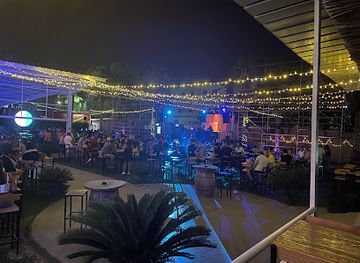
La Marsa’s evenings are shaped more by cafés, restaurants and the seafront than by a concentrated nightclub district. After sunset, residents and visitors gather around the central streets, Avenue Habib Bourguiba and the corniche, where coffee, tea, conversation and late meals are more characteristic than loud clubbing. Some venues may offer modern cocktails, music or informal evening events, but the neighbourhood’s nightlife remains mixed with ordinary residential life rather than separated from it. Café culture is especially important: the appeal lies in lingering outdoors, watching pedestrians and enjoying the cooler air from the Gulf. Those seeking larger clubs or a more dedicated late-night scene may need to travel elsewhere in Greater Tunis. Around the beach and quieter residential lanes, keep voices low and use a taxi or other arranged transport if returning late.
-
Bar
Le Carpe Diem - Tunis
Experience the magic of Le Carpe Diem in La Marsa - where delightful cocktails, delicious tapas, and live music create an unforgettable night out.
18 min walk · 1.4 km from neighbourhood centre
-
Sports bar
Le Central - Sports Bar
Experience the thrill of sports in Gammarth at Le Central, the ultimate sports bar for fans and food lovers alike.
18 min walk · 1.4 km from neighbourhood centre
-
Bar
Playbar
Discover the vibrant nightlife of La Marsa at Playbar, where friendly service meets a lively atmosphere, perfect for tourists and locals alike.
7 min drive · 2.2 km from neighbourhood centre
-
Bar
360 Terrace
Discover the captivating charm of 360 Terrace, a bar in La Marsa offering stunning views and a delightful selection of beverages.
12 min walk · 0.9 km from neighbourhood centre


Best nightclubs in La Marsa
La Marsa’s evenings are shaped more by cafés, restaurants and the seafront than by a concentrated nightclub district. After sunset, residents and visitors gather around the central streets, Avenue Habib Bourguiba and the corniche, where coffee, tea, conversation and late meals are more characteristic than loud clubbing. Some venues may offer modern cocktails, music or informal evening events, but the neighbourhood’s nightlife remains mixed with ordinary residential life rather than separated from it. Café culture is especially important: the appeal lies in lingering outdoors, watching pedestrians and enjoying the cooler air from the Gulf. Those seeking larger clubs or a more dedicated late-night scene may need to travel elsewhere in Greater Tunis. Around the beach and quieter residential lanes, keep voices low and use a taxi or other arranged transport if returning late.
-
Bar
Le Carpe Diem - Tunis
Discover the vibrant nightlife at Le Carpe Diem in Tunis, where delicious tapas, exquisite cocktails, and live music create an unforgettable experience.
18 min walk · 1.4 km from neighbourhood centre
-
Lounge
RED KISS
Discover the stylish and vibrant RED KISS Lounge in La Marsa, where nightlife meets relaxation in an unforgettable setting.
18 min walk · 1.4 km from neighbourhood centre
-
Night club
Feeling Club
Unleash your nightlife spirit at Feeling Club, where vibrant music meets unforgettable dance experiences in Carthage, Tunisia.
15 min walk · 1.2 km from neighbourhood centre
-
Disco club
Le QG
Dive into La Marsa's vibrant nightlife at Le QG, the ultimate disco club for unforgettable nights filled with music, dancing, and fun.
6 min walk · 0.5 km from neighbourhood centre


Best shops in La Marsa
Shopping in La Marsa is local in scale and closely connected to everyday suburban life. The market area and surrounding streets are useful for fresh produce, household goods, clothing and simple food purchases, while small independent shops provide a more practical experience than the large retail centres found elsewhere in Greater Tunis. Near the centre and the seafront, visitors can browse cafés, bakeries, gift shops and boutiques, with contemporary businesses often occupying streets that still retain older villas and low-rise buildings. The neighbourhood is not primarily a specialist shopping quarter, so its appeal lies in the mixture of market activity, local services and small-scale retail rather than in a single famous bazaar. For traditional crafts and a much wider range of historic commercial goods, the medina of Tunis is a separate destination rather than part of La Marsa’s own shopping scene.
-
Home goods store
XYZ concept store
Explore XYZ Concept Store in La Marsa for unique home goods, handmade jewelry, and local crafts that embody Tunisian culture.
11 min walk · 0.9 km from neighbourhood centre
-
Gift shop
Rose mandarine
Discover unique Tunisian handicrafts and gifts at Rose Mandarine, a vibrant shop in La Marsa celebrating local artisanship and culture.
9 min walk · 0.7 km from neighbourhood centre
-
Gift shop
Edokken
Explore Edokken Gift Shop in La Marsa for authentic Tunisian crafts and souvenirs that capture the spirit of your travels.
7 min walk · 0.5 km from neighbourhood centre
-
Gift shop
Artyshow
Explore Artyshow in La Marsa for unique Tunisian gifts and handcrafted treasures that capture the essence of local artistry and culture.
10 min walk · 0.8 km from neighbourhood centre


La Marsa essentials
Getting There
Getting Around
Safety
Emergency Situations
Do's and Don'ts
Local Tips

From Eve
Local phrases worth knowing
You don't need to get them perfect. A few words go a long way, and locals appreciate the effort.
Basics
| English | Local | Say it |
|---|---|---|
| Hello | مرحبا | [marhaba] |
| Goodbye | وداعا | [wada'an] |
| Yes | نعم | [naam] |
| No | لا | [la] |
| Please/You're welcome | من فضلك | [min fadlik] |
| Thank you | شكرا | [shukran] |
| Excuse me/Sorry | عذرا | [a3rifa] |
| How are you? | كيف حالك؟ | [kayfa halak?] |
| Fine. And you? | بخير. وأنت؟ | [bikhir. wa anta?] |
| Do you speak English? | هل تتكلم الإنجليزية؟ | [hal tatakallam al-inglizia?] |
| I don't understand | لا أفهم | [la afham] |
Eating & Drinking
| English | Local | Say it |
|---|---|---|
| I'd like to see the menu, please | أريد أن أرى القائمة، من فضلك | [urid an ara al-qaimah, min fadlik] |
| I don't eat meat | أنا لا آكل اللحم | [ana la akl al-lahm] |
| Cheers! | في صحتك! | [fi sahtak!] |
| I would like to pay, please | أود أن أدفع، من فضلك | [awad an adfa', min fadlik] |
Emergencies
| English | Local | Say it |
|---|---|---|
| Help! | النجدة! | [al-najdah!] |
| Go away! | انصرف! | [ansarif!] |
| Call the Police! | اتصل بالشرطة! | [itasil bialshurta!] |
| Call a doctor! | اتصل بالطبيب! | [itasil bialtabib!] |
| I'm lost | لقد ضللت الطريق | [laqad dalalt altariq] |
| I'm ill | أنا مريض | [ana mareed] |
Shopping
| English | Local | Say it |
|---|---|---|
| I'd like to buy... | أريد أن أشتري... | [urid an ashtari...] |
| I'm just looking | أنا فقط أتفرج | [ana faqat atfarrag] |
| How much is it? | كم هو ثمنه؟ | [kam huwa thamanuh?] |
| That's too expensive | هذا غالي جدا | [hatha ghali jiddan] |
| Can you lower the price? | هل يمكنك تخفيض السعر؟ | [hal yumkinuk takhfid al-si'r?] |
Time & Numbers
| English | Local | Say it |
|---|---|---|
| What time is it? | كم الساعة؟ | [kam al-sa'ah?] |
| It's one o'clock | الساعة الواحدة | [al-sa'ah al-wahidah] |
| Half past (10) | العاشر والنصف | [al-ashir wal-nisf] |
| Morning | صباح | [sabah] |
| Afternoon | مساء | [masa] |
| Evening | مساء | [masa] |
| Yesterday | البارحة | [al-barahah] |
| Today | اليوم | [alyawm] |
| Tomorrow | غدا | [ghadan] |
| 1 | واحد | [wahid] |
| 2 | اثنان | [ithnan] |
| 3 | ثلاثة | [thalatha] |
| 4 | أربعة | [arba'a] |
| 5 | خمسة | [khamsa] |
| 6 | ستة | [sitta] |
| 7 | سبعة | [sab'a] |
| 8 | ثمانية | [thamaniya] |
| 9 | تسعة | [tis'a] |
| 10 | عشرة | [ashara] |
Transport & Directions
| English | Local | Say it |
|---|---|---|
| Where's a/the...? | أين يوجد...؟ | [ayn yujad...?] |
| What's the address? | ما هو العنوان؟ | [ma huwa al-anaan?] |
| Can you show me (on the map)? | هل يمكنك أن تريني (على الخريطة)؟ | [hal yumkinuk an tarini (ala al-kharitah)?] |
| When's the next (bus)? | متى يأتي الحافلة التالية؟ | [mata yati al-hafila al-taliyah?] |
| A ticket (to ....) | تذكرة (إلى ...) | [tazkirah (ila ...)] |
History of La Marsa
From Megara to La Marsa
The area occupied by modern La Marsa lies within the historic coastal zone east of Tunis, close to ancient Carthage. In antiquity, the shoreline was associated with the wider Carthaginian and later Roman landscape, although the present neighbourhood should not be treated as a surviving ancient city. The name La Marsa is generally linked to the Arabic word for a harbour or anchorage, reflecting the settlement’s maritime position. Its coastal setting, proximity to Carthage and access to the Gulf of Tunis shaped its importance long before it became a fashionable residential suburb.
The Beys’ Summer Retreat
La Marsa became closely associated with the Husainid beys, the rulers of Tunisia from the eighteenth century until the abolition of the monarchy in 1957. The ruling household used the coastal area for seasonal residence, and palaces, gardens and service buildings helped give La Marsa a courtly identity distinct from the medina of Tunis. The neighbourhood’s later villas and public spaces developed around this established relationship with the sea. The Abdalliya Palace, an older monument in the area, also demonstrates that La Marsa’s built history extends beyond the nineteenth-century beylical period.
A Suburban Coastal Settlement
During the nineteenth and early twentieth centuries, La Marsa developed as a residential and leisure settlement connected to Tunis by road and, later, by the railway corridor serving the northern suburbs. Under the French Protectorate, European-style villas and new urban infrastructure were added to an environment already shaped by the beylical court. The coastline became a place for promenades and seasonal recreation, while cafés, shops and local services gave the settlement a more permanent everyday life. Its identity consequently combined royal associations, Mediterranean leisure and suburban residence.
Post-Independence Continuity and Change
After Tunisian independence in 1956 and the end of the beylical monarchy the following year, La Marsa continued as a desirable coastal suburb rather than losing its local importance. Historic residences, cafés and the beach remained central to its appeal, while expanding Tunis brought more permanent residents, traffic and commercial activity. In recent decades, cafés, restaurants and cultural events have added contemporary layers to the old seaside identity. The neighbourhood now functions both as a residential part of Greater Tunis and as a starting point for exploring the nearby Carthaginian and coastal heritage of the northern suburbs.
La Marsa in Photos
Browse through our photo collection highlighting the charm and character of the destination.
Neighbourhoods near La Marsa
The closest neighbourhoods to La Marsa, if you have time for more than one stop.
-

-
-
-


Swipe for more neighbourhoods
Explore more

Explore more of Tunis
Explore Tunis, Tunisia's vibrant capital, where ancient history meets modern charm. Discover bustling markets, stunning architecture, and a rich cultural tapestry.
Explore Tunis