Explore the Mystique of the Cisterns of La Malga
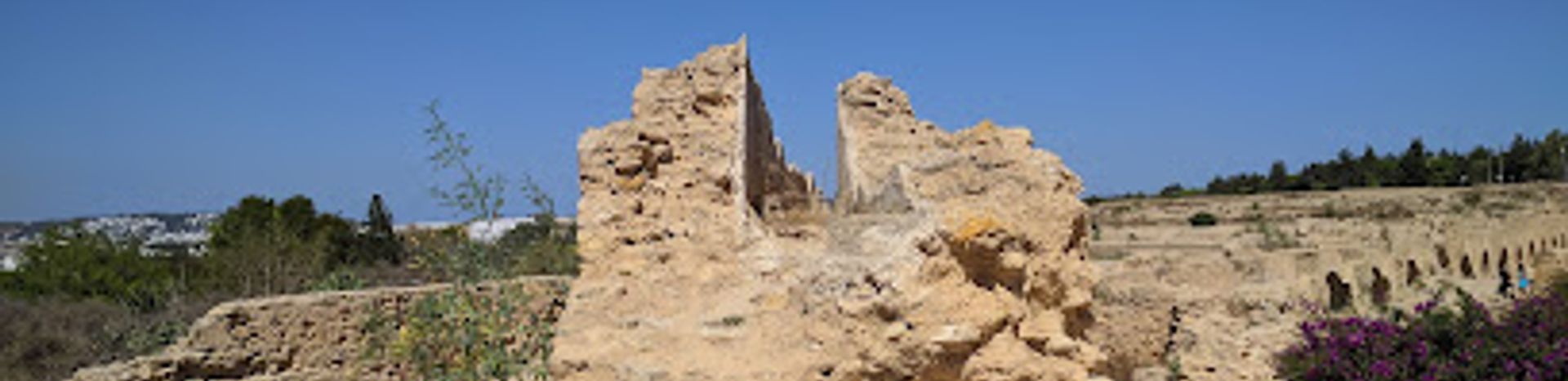
Uncover the ancient engineering marvels at the Cisterns of La Malga in Carthage, a UNESCO World Heritage site that brings history to life.
Dive into history at the Cisterns of La Malga in Carthage, Tunisia, a UNESCO World Heritage site that offers a fascinating glimpse into ancient Roman engineering and architecture. Marvel at the grandeur of these monumental structures, designed to store water for the ancient city.
A brief summary to Cisterns of La Malga
- V859+PFQ, Carthage, TN
Local tips
- Visit early in the morning or late afternoon to avoid the heat and enjoy a quieter experience.
- Bring a camera; the interplay of light and shadows in the cisterns creates stunning photographic opportunities.
- Consider hiring a local guide to gain deeper insights into the history and significance of the site.
- Wear comfortable shoes, as the terrain can be uneven and slippery in some areas.

Getting There
-
Car
If you are traveling by car, start your journey from the city of Douz, which is often referred to as the gateway to the Sahara. Head north on Route Nationale 1 (RN1) towards Ksar Ouled Soltane. After about 45 kilometers, take a right turn onto Route 12 towards Matmata. Continue on this road for approximately 35 kilometers. You will then come to a fork; keep right to stay on Route 12. After another 30 kilometers, you will reach the town of Medenine. From Medenine, head towards the coastal town of Zarzis for about 20 kilometers, then follow the signs towards Carthage. The Cisterns of La Malga are located at V859+PFQ in Carthage. Make sure to use a GPS device or mapping application for the most accurate directions.
-
Public Transportation
From Douz, take a shared taxi (known locally as 'louage') to Medenine. This ride typically costs around 15-20 TND and takes about 1 hour. Once in Medenine, you can catch another louage to Zarzis, costing approximately 5 TND and taking around 30 minutes. In Zarzis, you will need to find a louage heading towards Carthage. This leg of the trip will cost about 10 TND and may take up to 1.5 hours. Ensure you confirm the final stop with the driver, as you need to get off at the location V859+PFQ in Carthage, where the Cisterns of La Malga are situated. Be prepared for a bit of walking from the louage drop-off point to the Cisterns.
-
Guided Tour
Consider joining a guided tour that covers the Cisterns of La Malga. Many tours depart from major towns in the Tunisian Sahara, like Douz or Matmata. These tours typically include transportation, a guide, and sometimes meals. Prices vary, but expect to pay around 50-80 TND per person. This option is convenient for those unfamiliar with the area, as the guides will handle all transportation and provide valuable insights about the history and significance of the Cisterns.
Discover more about Cisterns of La Malga
Iconic landmarks you can’t miss

Cisterns of La Malga
0.0 km
Explore the Cisterns of La Malga, an ancient marvel of Roman engineering in Carthage, blending history and stunning architecture in an unforgettable experience.
Aqueducts of Carthage
0.1 km
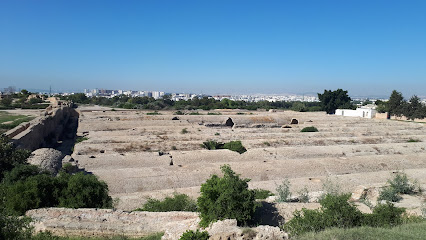
Explore the Aqueducts of Carthage, a breathtaking historical landmark showcasing ancient Roman engineering amidst Tunisia's stunning landscapes.
Saint Louis Cathedral in Carthage
0.8 km
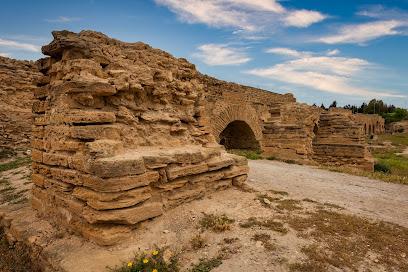
Discover the breathtaking beauty and rich history of Saint Louis Cathedral in Carthage, a must-visit landmark blending faith and artistry.
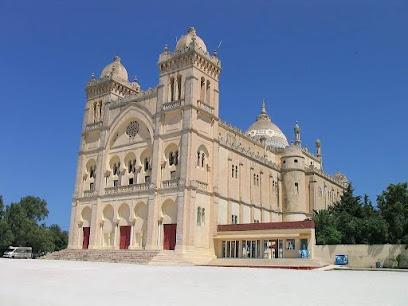
Quartier Punique de Byrsa
0.9 km
Explore the ancient ruins and breathtaking vistas of Quartier Punique de Byrsa, a historical gem in Carthage, Tunisia.
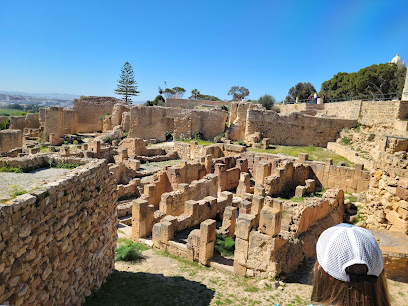
Land of the Roman House UNESCO WHS
0.9 km
Discover the Land of the Roman House in Carthage, a UNESCO World Heritage Site, where ancient history meets stunning architecture and breathtaking views.
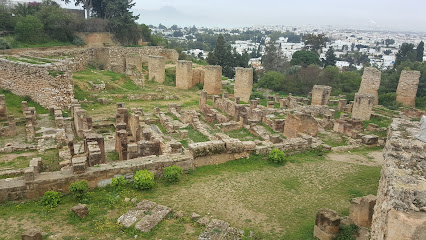
Roman Theatre of Carthage
1.0 km
Explore the Roman Theatre of Carthage, a magnificent historical landmark showcasing the rich cultural heritage of ancient Tunisia amidst stunning Mediterranean views.
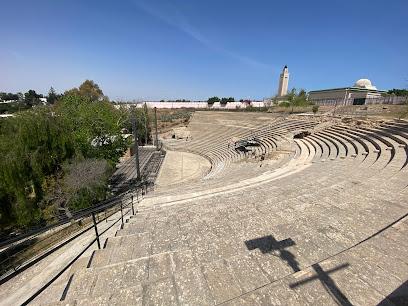
The Rotunda of Damous El Karita
1.0 km
Discover the Rotunda of Damous El Karita in Carthage, a historic landmark showcasing ancient architecture and breathtaking Mediterranean views.
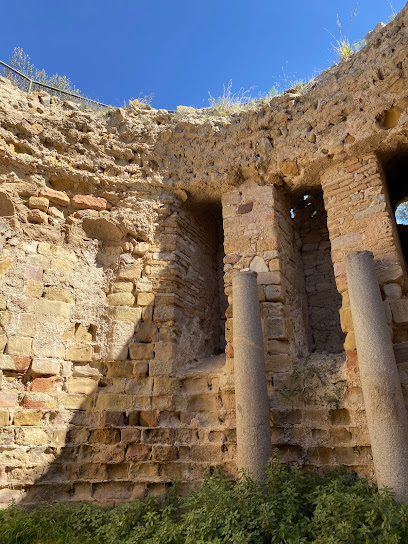
The Roman Villas District
1.2 km
Discover the grandeur of the Roman Villas District in Carthage, where ancient history meets breathtaking coastal views.
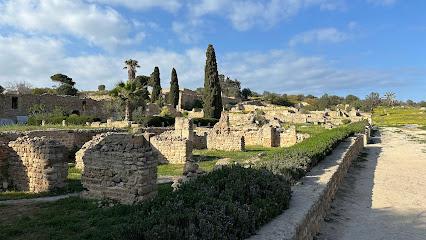
Site archéologique Carthage
1.2 km
Explore the ancient city of Carthage, a UNESCO World Heritage site filled with archaeological wonders and breathtaking Mediterranean views.
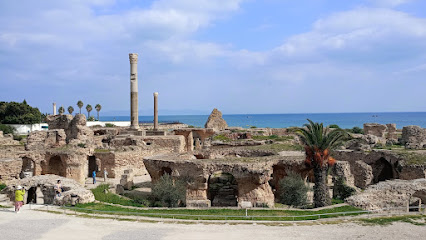
Ancient punic living quarters
1.2 km
Uncover the rich history of the Ancient Punic Living Quarters, a fascinating historical landmark in Amilcar, Tunisia, showcasing ancient architecture and culture.
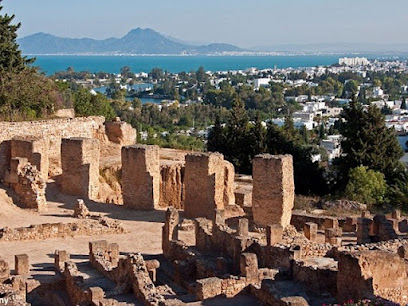
Carthage
1.3 km
Explore Carthage, a UNESCO World Heritage site, where ancient history meets stunning Mediterranean views in Tunisia's rich cultural landscape.
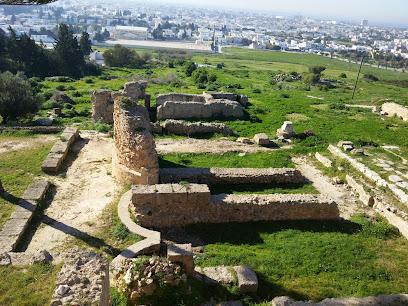
Salammbo Tophet
2.0 km
Discover the ancient marvels of Salammbo Tophet, a UNESCO Heritage site showcasing the rich history of Carthage in La Goulette, Tunisia.
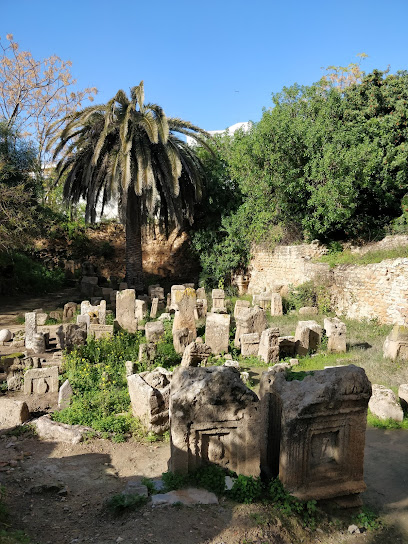
Roman Columns
2.3 km
Explore the ancient Roman Columns in Carthage, a historical landmark that showcases the grandeur of Roman architecture and the rich heritage of Tunisia.

Ben Ayed’s Castle
2.6 km
Explore the enchanting Ben Ayed’s Castle, a historical landmark in Carthage, and uncover Tunisia's rich heritage amidst stunning Mediterranean views.
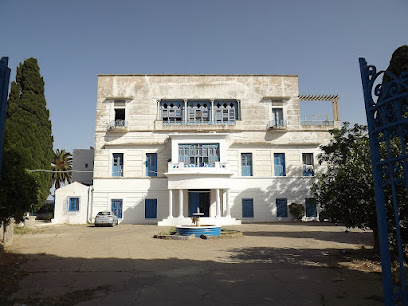
D'Art Des Métiers De Lella Salha
2.7 km
Discover the captivating blend of traditional and contemporary Tunisian art at D'Art Des Métiers De Lella Salha, a must-visit artisan gallery in Carthage.
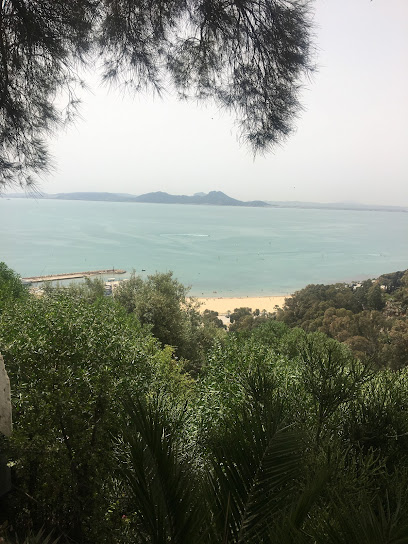
Unmissable attractions to see

Roman Amphitheater in Carthage
0.5 km
Explore the grandeur of the Roman Amphitheater in Carthage, an ancient marvel showcasing the brilliance of Roman architecture and history.
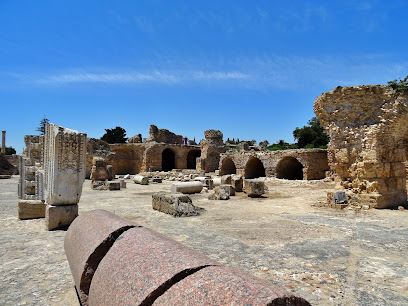
Baths of Gargilius
0.7 km
Explore the ancient grandeur of the Baths of Gargilius in Carthage, a historical landmark showcasing Roman architectural brilliance and cultural heritage.
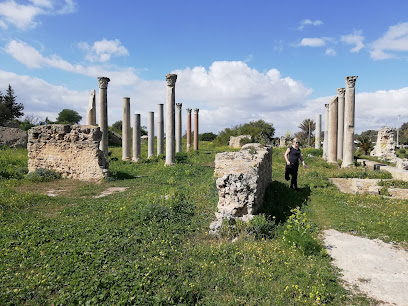
Archaeological site of Carthage
0.8 km
Explore the ruins of Carthage, a UNESCO World Heritage site, and immerse yourself in the rich history of this ancient Mediterranean civilization.
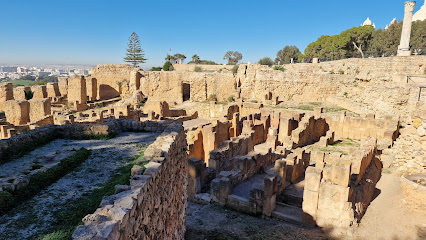
Carthage National Museum
0.8 km
Discover the timeless legacy of Carthage at the National Museum, where ancient history comes alive through remarkable artifacts and stunning views.
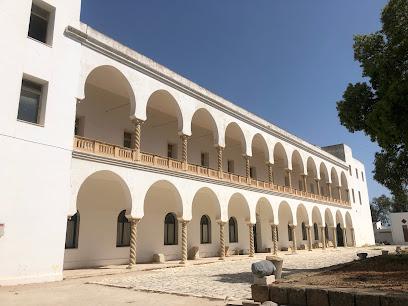
Kobba Bent el Rey
1.2 km
Discover the rich history of ancient Carthage at Kobba Bent el Rey, an archaeological site showcasing stunning ruins and breathtaking Mediterranean views.
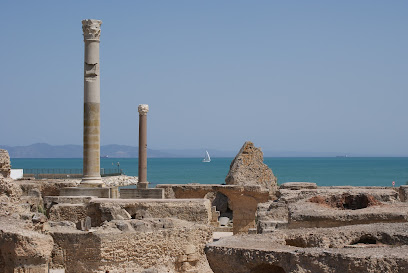
North Africa American Cemetery
1.2 km
Explore the profound history and serene beauty of the North Africa American Cemetery in Carthage, a memorial dedicated to the heroes of World War II.

Les Ruines de Carthage
1.3 km
Unveil the ancient wonders of Carthage, a historical landmark full of captivating stories and breathtaking views of the Mediterranean.
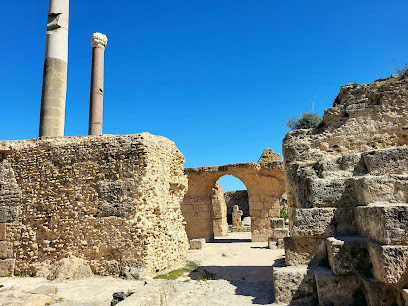
Quartier Magon
1.4 km
Explore Quartier Magon, an archaeological treasure in Carthage, Tunisia, revealing the splendor of ancient Phoenician civilization.
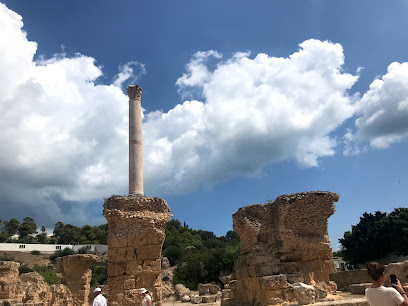
Stairs to the Beach and Sea
1.5 km
Discover the breathtaking Stairs to the Beach and Sea in Carthage, where history meets natural beauty for an unforgettable experience.
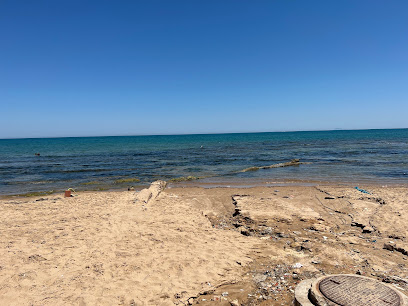
Baths of Antoninus
1.6 km
Experience the grandeur of ancient Rome at the Baths of Antoninus, an archaeological site where history meets breathtaking coastal views.
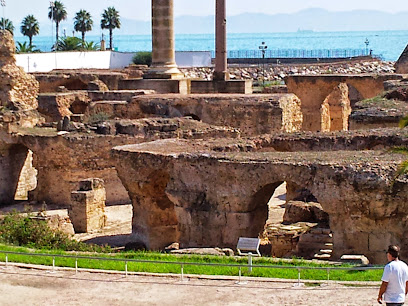
Punic Ports of Carthage
1.7 km
Explore the captivating history and stunning ruins of the Punic Ports of Carthage, a UNESCO World Heritage Site in Tunisia, where ancient maritime trade thrived.
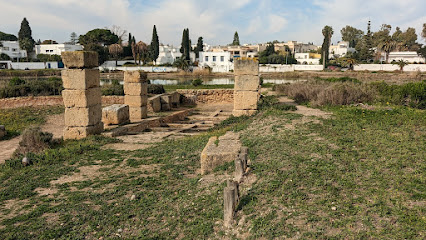
Basilica of Saint Cyperien
1.7 km
Explore the Basilica of Saint Cyprien in Carthage, a breathtaking historical landmark showcasing ancient Roman architecture and Christian heritage.
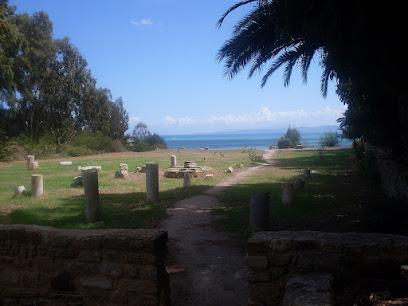
National Institute of Marine Sciences and Technologies Museum
1.9 km
Explore the depths of marine science at the National Institute of Marine Sciences and Technologies Museum in Salammbo, Tunisia.
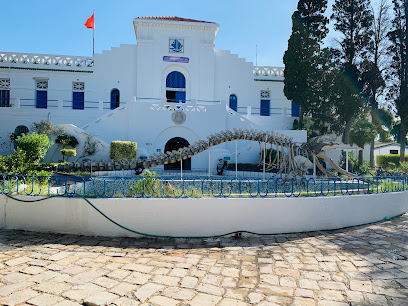
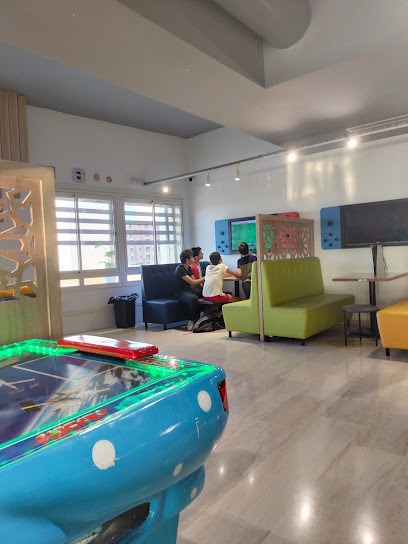
Candy Park
2.0 km
Discover Candy Park, a whimsical playground in Tunisia where families create unforgettable memories filled with laughter and joy.
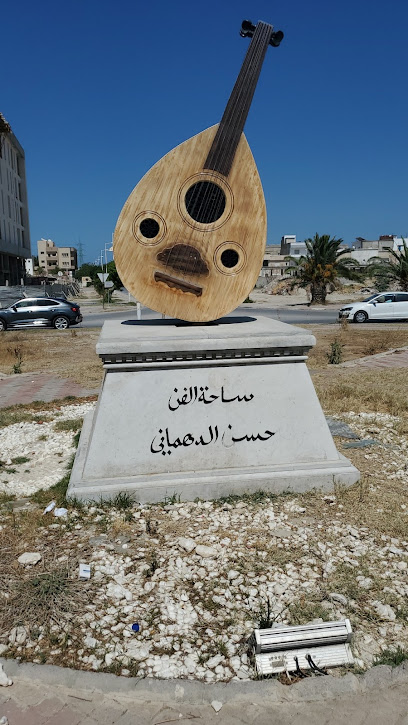
Art place Hsan Dahmani
2.3 km
Experience the vibrant artistic culture of Tunisia at Art place Hsan Dahmani, where creativity and inspiration come to life in every corner.
Essential places to dine

CULT bistro
0.7 km
Experience the perfect blend of Tunisian tradition and modern culinary artistry at CULT Bistro in La Marsa.
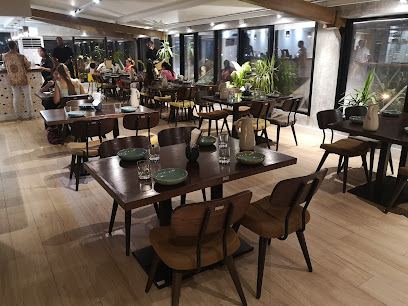
El fel
0.9 km
Experience fine dining at El Fel in La Marsa - where Tunisian flavors meet modern elegance for an unforgettable meal.
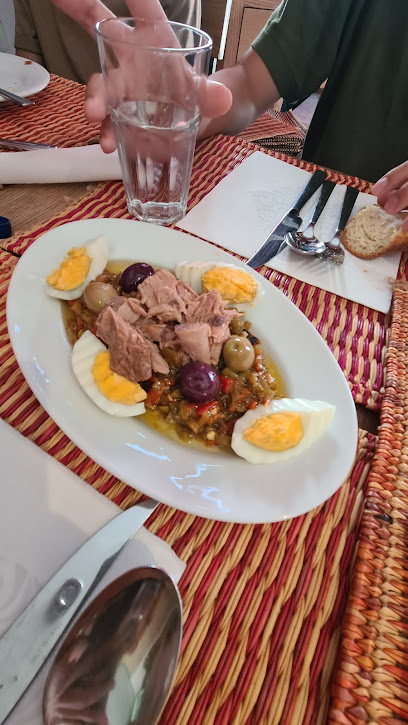
Les Indécis
1.4 km
Experience culinary excellence at Les Indécis in Tunis - where exquisite flavors meet warm hospitality.
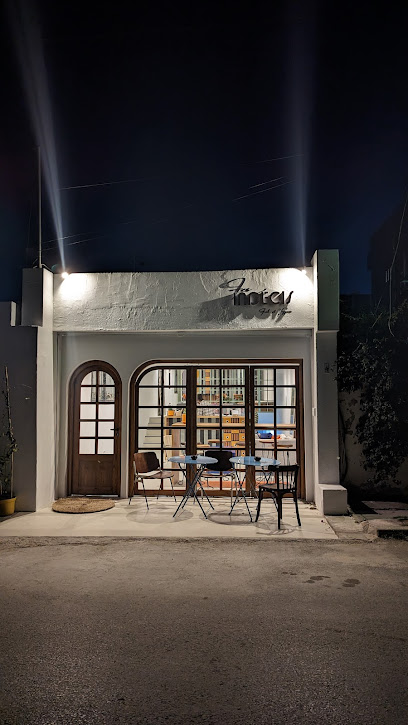
Restaurant Best Friend
1.4 km
Experience authentic Tunisian flavors at Restaurant Best Friend in Carthage - where culinary tradition meets modern dining in a historic setting.
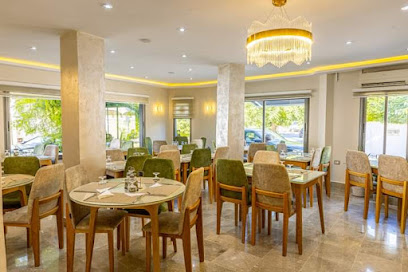
too much
1.5 km
Discover authentic Tunisian flavors at Too Much Restaurant in Tunis - where every meal tells a story of tradition and taste.
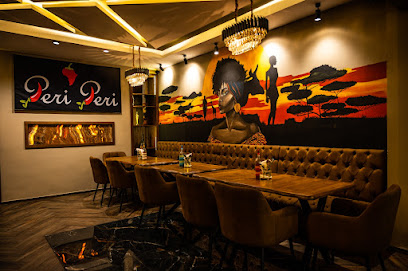
Peri Peri Restaurant in Tunisia
1.6 km
Discover authentic Tunisian cuisine at Peri Peri Restaurant – where every bite tells a story.
Amphitrite
2.0 km
Experience delightful Tunisian cuisine at Amphitrite in Carthage - where every meal tells a story.
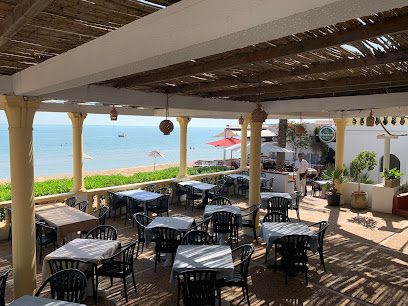
Restaurant El Bey
2.0 km
Discover the flavors of Tunisia at Restaurant El Bey in Carthage – where family-friendly dining meets rich cultural heritage.
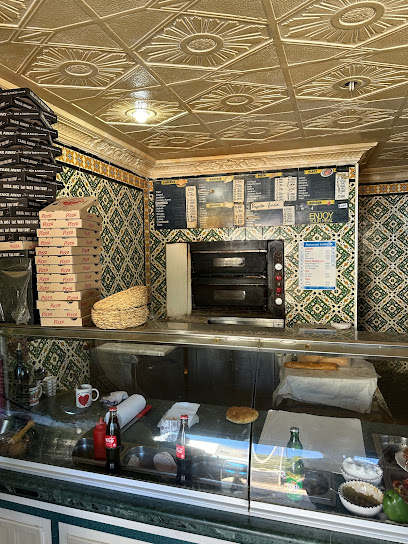
Lapero Tapas & Pintxos
2.3 km
Discover Lapero Tapas & Pintxos: A Culinary Delight in La Marsa Offering Authentic Spanish Tapas and Mediterranean Charm.
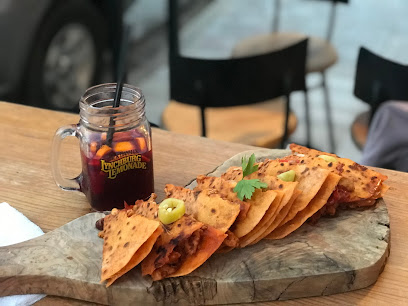
La Bruschetta
2.3 km
Savor authentic Italian cuisine at La Bruschetta in La Marsa, where every dish tells a story of culinary tradition.
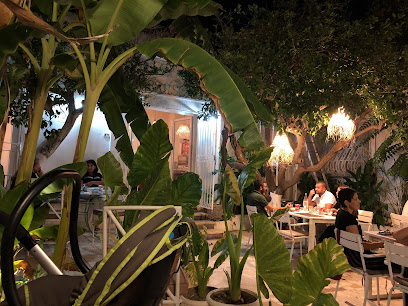
IJA COOL
2.4 km
Experience authentic Tunisian cuisine at IJA COOL in Carthage - where tradition meets flavor in every dish.
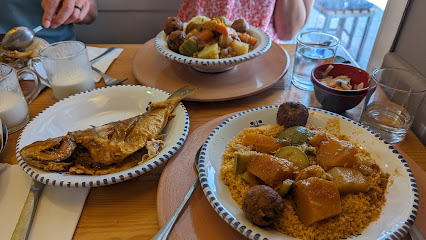
The couscous Tree
2.4 km
Experience authentic Tunisian cuisine at The Couscous Tree in La Marsa - A culinary journey awaits!
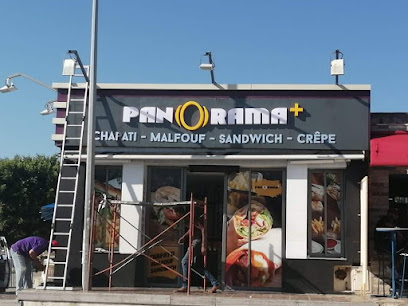
PANORAMA +
2.4 km
Experience exquisite Tunisian cuisine with stunning sea views at PANORAMA + in beautiful Carthage.
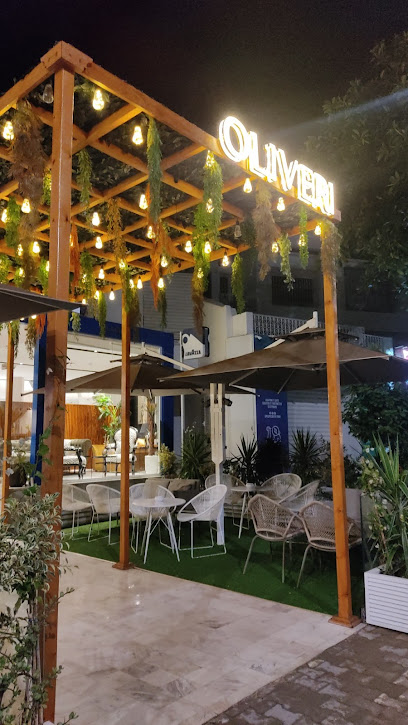
Oliveri sidi bou said
2.4 km
Experience exquisite Tunisian cuisine at Oliveri Sidi Bou Said, where every dish tells a story amidst stunning Mediterranean views.
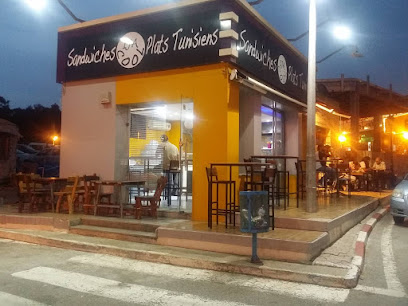
Chez Weld Moufida
2.5 km
Discover authentic Tunisian flavors at Chez Weld Moufida in Carthage – where culinary tradition meets breathtaking views.
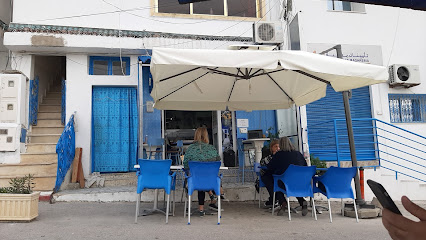
Markets, malls and hidden boutiques

El Hanout
1.0 km
Explore El Hanout in Carthage for unique Tunisian gifts and handcrafted treasures that reflect the rich culture and artistry of the region.

Anoushka pop up store
1.2 km
Explore Anoushka Pop-Up Store in Carthage for unique, handcrafted gifts and a taste of Tunisian culture.
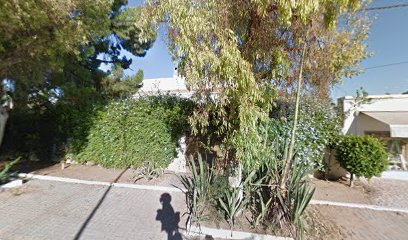
Alyssa handcraft
1.2 km
Discover the charm of Tunisian craftsmanship at Alyssa Handcraft, a boutique offering exquisite handmade treasures in the heart of Carthage.
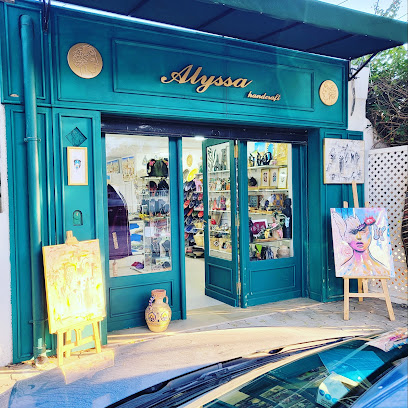
Marsa Mall
1.4 km
Explore the vibrant Marsa Mall in La Marsa for a delightful shopping experience with diverse stores, dining options, and entertainment that promises fun for all ages.

Edokken
1.7 km
Explore Edokken, La Marsa's unique gift shop, offering authentic Tunisian crafts and souvenirs that celebrate the vibrant local culture.
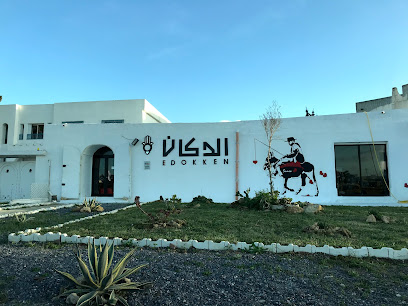
Nathalie
2.0 km
Discover unique local craftsmanship at Nathalie Boutique in Carthage, where history and artistry come together for an unforgettable shopping experience.
EKCCI
2.0 km
Explore EKCCI Gift Shop in La Marsa for unique Tunisian souvenirs and artisan crafts, capturing the essence of Tunisia's rich culture.
Le Hiboô Gift Store - Marsa
2.1 km
Explore Le Hiboô Gift Store in La Marsa for unique Tunisian souvenirs and artisan crafts reflecting the local culture and heritage.
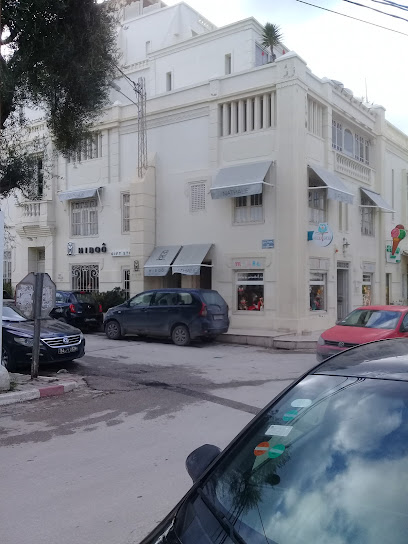
BoldNess Concept Store
2.2 km
Explore BoldNess Concept Store for unique gifts and local crafts, capturing the essence of Tunisia in every purchase.
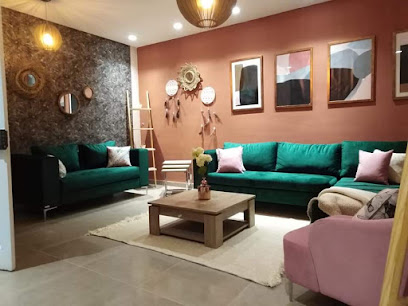
Vente des produits de CHICHA
2.4 km
Discover the essence of Tunisian culture at Vente des produits de CHICHA, a vibrant shopping mall in historic Carthage, perfect for unique souvenirs.
BLINGO
2.4 km
Discover unique Tunisian handicrafts and souvenirs at Blingo, a charming gift shop nestled in the historic site of Carthage.
Watch Box Sidi Bou Said
2.4 km
Explore the charming Watch Box Sidi Bou Said, a gift shop filled with unique Tunisian treasures and local crafts that tell a story.
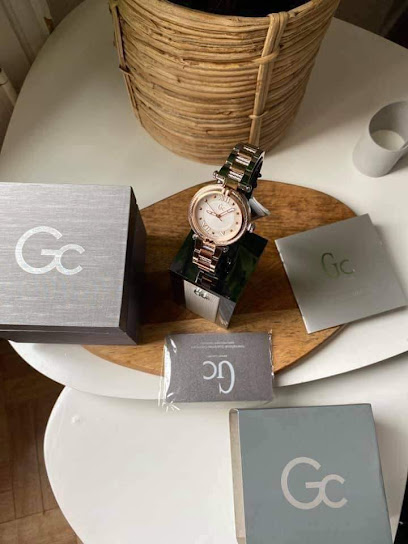
Boutique Deyma
2.5 km
Explore Boutique Deyma in Carthage for unique handcrafted treasures that embody the artistic heritage of Tunisia.
RWAYAK
2.5 km
Explore RWAYAK, La Marsa's premier vintage clothing store, offering a unique selection of timeless fashion pieces that tell a story.

Gallerie belle art
2.7 km
Explore the artistic treasures of Gallerie Belle Art in Carthage, where local craftsmanship meets cultural heritage in a stunning gift shop.
Essential bars & hidden hideouts

The Phoenix Club - Karthago
0.2 km
Discover authentic Tunisian flavors at The Phoenix Club in Karthago, where culinary tradition meets vibrant dining.
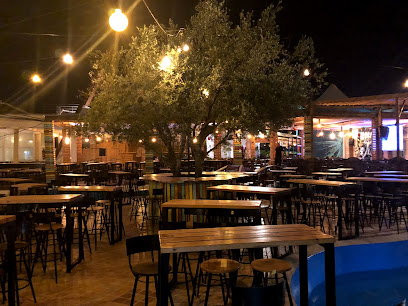
Le Perchoir
1.0 km
Discover the stunning views and vibrant atmosphere of Le Perchoir, the ultimate lounge experience in the historic city of Carthage.
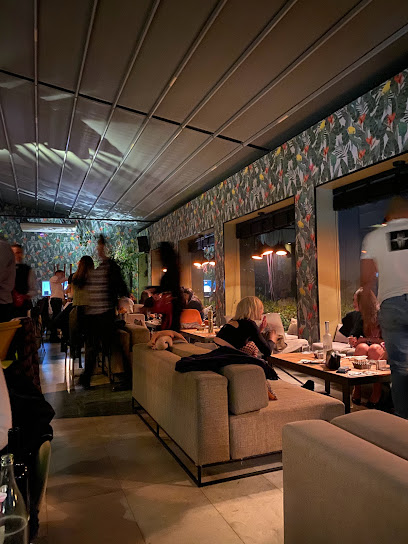
Hotel Villa Didon
1.0 km
Discover unparalleled luxury at Hotel Villa Didon, where history meets modern elegance with stunning views over Carthage and the Mediterranean.
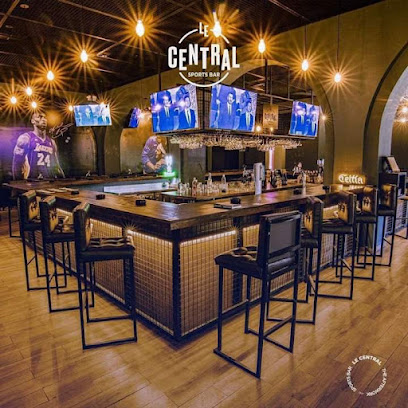
Le Central - Sports Bar
1.5 km
Experience the thrill of sports in Gammarth at Le Central, the ultimate sports bar for fans and food lovers alike.
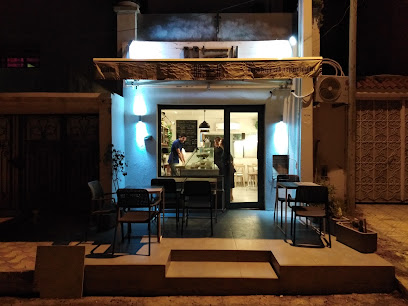
Breath - Salad Bar
1.5 km
Discover fresh and healthy dining at Breath - Salad Bar, nestled in the historic beauty of Carthage, Tunisia.
Le Carpe Diem - Tunis
1.5 km
Discover the lively atmosphere and exquisite tapas at Le Carpe Diem, La Marsa's premier destination for cocktails and live music.
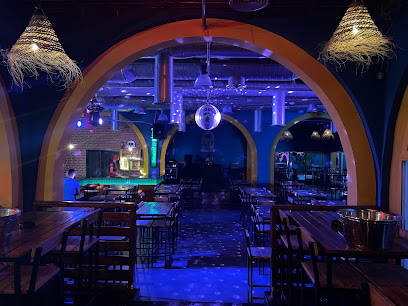
Restaurant Le Punique
2.1 km
Experience the authentic flavors of Tunisia at Restaurant Le Punique, where culinary tradition meets a stunning Carthaginian backdrop.
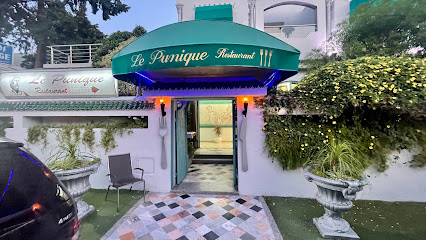
YAS Shisha lounge
2.1 km
Discover the authentic flavors of Tunisia at YAS Shisha Lounge in La Marsa, where shisha and tea combine for a cultural experience.
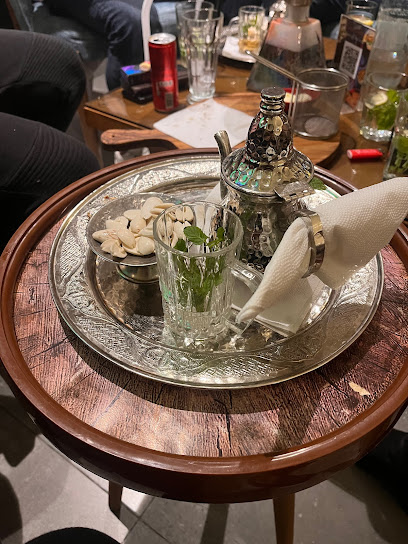
La Tournelle
2.3 km
Experience the rich flavors of Tunisian cuisine at La Tournelle, a charming restaurant in Sidi Bou Said with breathtaking Mediterranean views.
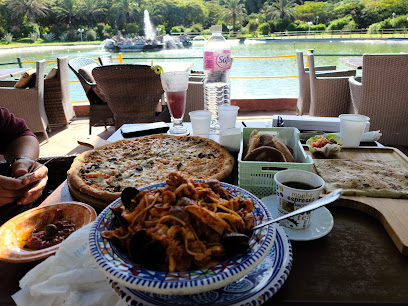
SidiBou Sky
2.9 km
Discover the enchanting atmosphere of Sidi Bou Sky, a vibrant bar in Sidi Bou Said, where scenic views meet local culture for an unforgettable experience.
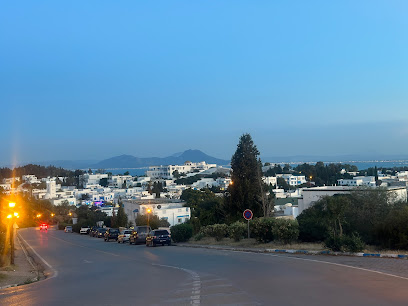
Le Saf Saf
2.9 km
Experience authentic Tunisian flavors at Le Saf Saf, a charming café and restaurant in the heart of Carthage.
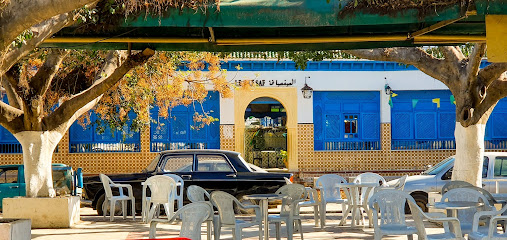
Bar Ezzit
2.9 km
Discover the flavors of Tunisia at Bar Ezzit, a delightful restaurant in Carthage serving authentic Tunisian cuisine in a cozy atmosphere.
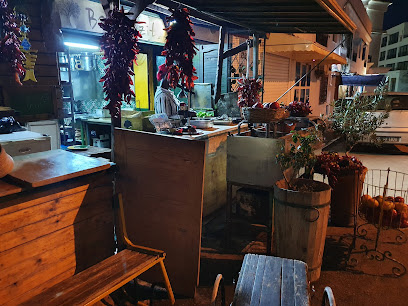
BAMBALOUNI
2.9 km
Experience the authentic taste of Tunisia at Bambalouni, nestled near the historic ruins of Carthage, where every dish tells a story.
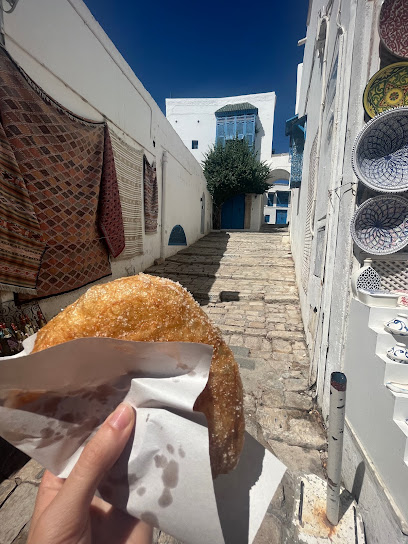
360 Terrace
3.0 km
Experience stunning Mediterranean views and vibrant atmosphere at 360 Terrace, La Marsa's top bar for relaxation and socializing.
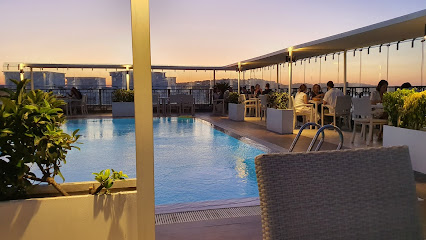
The Whity House
3.0 km
Discover the vibrant ambiance and refreshing drinks at The Whity House in La Marsa, a perfect retreat for tourists and locals alike.
Nightclubs & after hour spots

محل محل على توصيل اكلات حلوه ما احلاها اكلات من اضيف ماده جدا نظيفه عماد متميزين
1.3 km
Discover Carthage's nightlife gem, where exquisite flavors meet an electrifying atmosphere, promising an unforgettable evening of fun and culture.
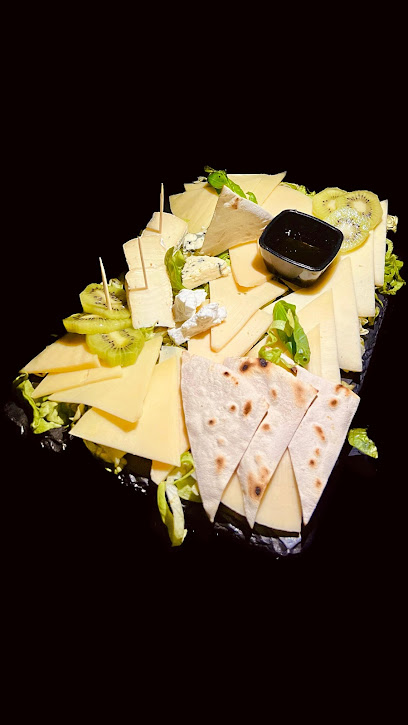
RED KISS
1.5 km
Discover the vibrant nightlife at RED KISS Lounge in La Marsa, where cocktails, music, and a lively atmosphere await you.
Le QG
2.2 km
Discover the electrifying ambiance of Le QG, La Marsa's premier disco club, where vibrant music and unforgettable nights await.
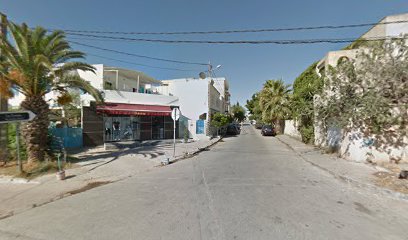
Feeling Club
3.0 km
Dive into the energetic nightlife at Feeling Club in Carthage, where music, dance, and vibrant atmosphere create unforgettable memories.
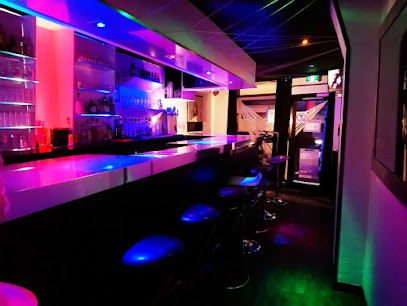
Espace Aicha Gammarth
3.7 km
Experience the vibrant nightlife at Espace Aicha Gammarth, a premier night club in La Marsa, Tunisia, where unforgettable memories are made.
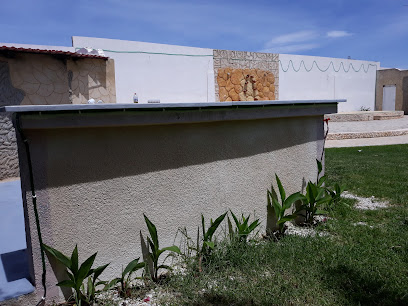
E.S.A
3.9 km
Experience the vibrant nightlife of La Marsa at E.S.A, where the music pulses and the atmosphere is electric, making unforgettable memories.
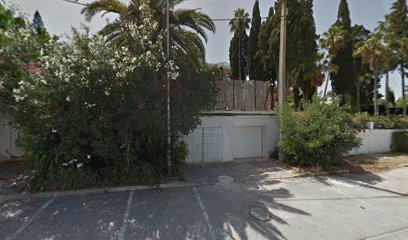
Pagee
4.6 km
Discover the vibrant nightlife at Pagee, La Marsa's premier nightclub with electrifying music and an energetic atmosphere.
Terraza del marabella
5.3 km
Experience the ultimate relaxation at Terraza del Marabella, a premier lounge in La Marsa, offering stunning views and delightful beverages.
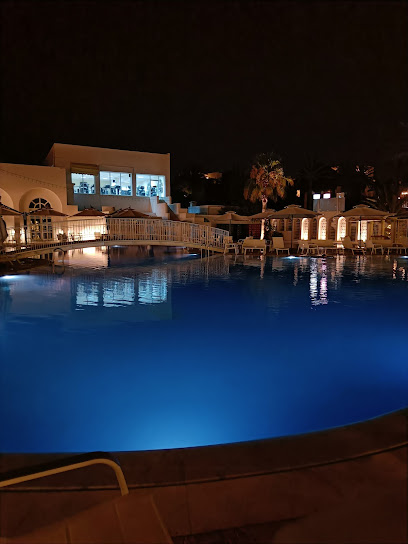
Elyssar - إلّي صار
5.3 km
Discover the vibrant nightlife of La Marsa at Elyssar, where exceptional music and an electrifying atmosphere await every night of the week.
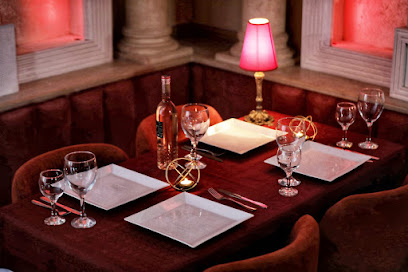
Cyklone club gammarth
6.4 km
Dive into the vibrant nightlife of Gammarth at Cyklone Club, where music, dancing, and unforgettable experiences await every night.
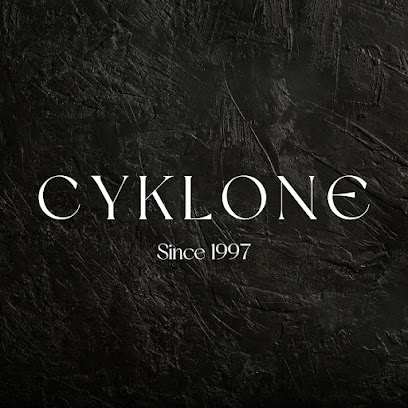
BSMNT The Club
7.3 km
Discover the ultimate nightlife experience at BSMNT The Club in Gammarth, where music, dancing, and unforgettable memories await you.
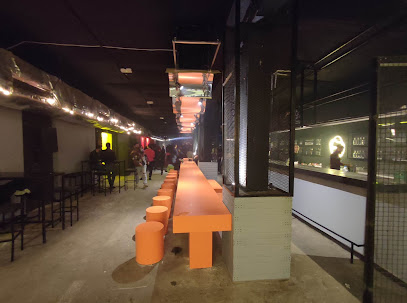
Zebra Club
7.3 km
Discover the vibrant nightlife of Gammarth at Zebra Club, a lively pub offering unforgettable experiences and a taste of local culture.
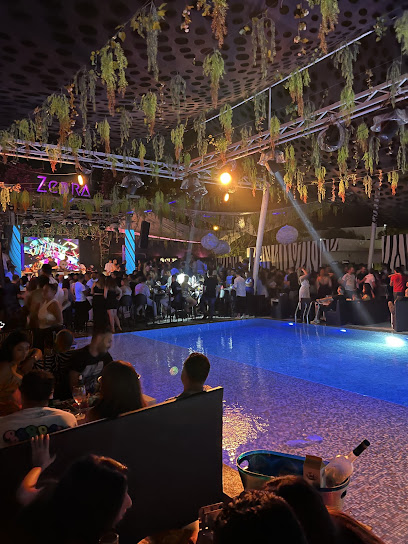
CERCLE CLUB GAMMARTH
8.2 km
Discover the electrifying nightlife at Cercle Club Gammarth, a premier disco club offering unforgettable nights filled with music and dance.
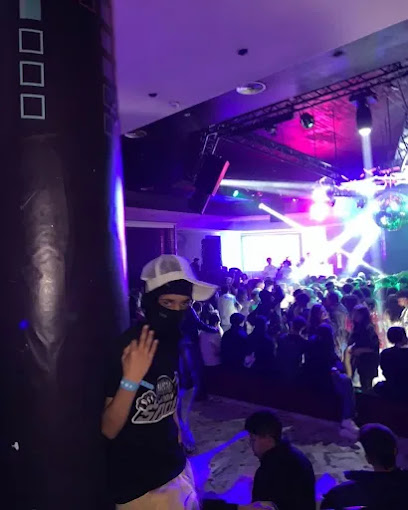
Lazy Club
8.4 km
Experience the electrifying nightlife of Gammarth at Lazy Club, where music, dance, and good vibes come together in a chic setting.
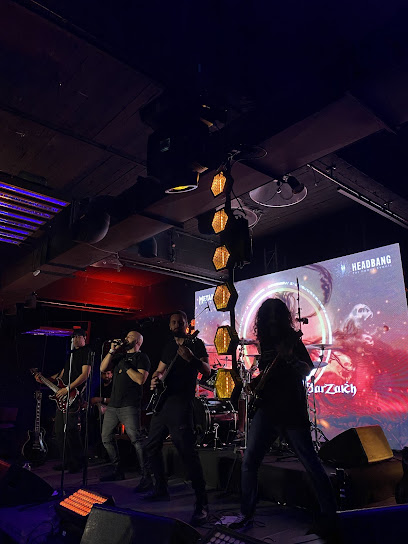
Bubble's Lounge
8.4 km
Discover the heart of Gammarth's nightlife at Bubble's Lounge, where vibrant beats and exquisite ambiance come together for an unforgettable experience.