

Free Alanya Travel Guide & Mobile App
Plan your Alanya trip with Evendo. Get free guides to top attractions, restaurants, hotels, and bars. Web access or download the mobile app.


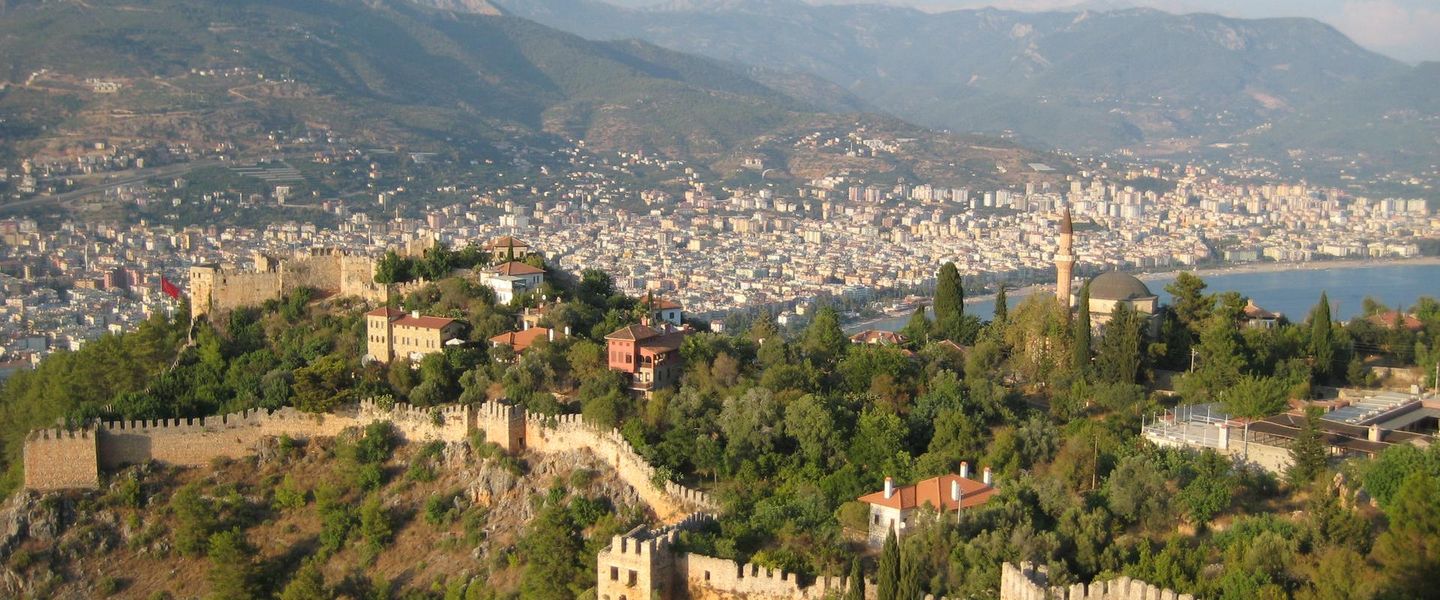


Alanya blends Seljuk history, Mediterranean beaches and a dramatic hilltop castle, with harbour walks, cave adventures and Turkish coastal culture.
A Castle-Crowned Mediterranean City
Alanya rises along Turkey’s southern coast, where the Taurus Mountains meet the Mediterranean in a landscape of sandy beaches, limestone cliffs and intensely blue water. The city’s defining feature is its long, rocky peninsula, crowned by Alanya Castle and enclosed by substantial medieval walls. Below it, the harbour curves around the Red Tower and historic Seljuk shipyard, while the modern centre stretches west towards Cleopatra Beach and east along the coast.Read more about Alanya
Layers of History
Beaches, Caves and Coastal Life
When is the best time to visit Alanya?
Best: May–June, October · 24–30°C| Month | High (°C) | Rainfall (mm) |
|---|---|---|
| January | 15 | 108 |
| February | 15 | 96 |
| March | 17 | 80 |
| April | 20 | 55 |
| May (best) | 24 | 32 |
| June (best) | 30 | 12 |
| July | 34 | 8 |
| August | 34 | 9 |
| September | 31 | 21 |
| October (best) | 27 | 52 |
| November | 21 | 78 |
| December | 17 | 101 |
Getting to and around Alanya
How to get there
Transportation
Best attractions in Alanya
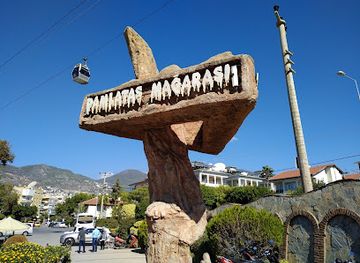
Alanya’s principal attractions are concentrated around its rocky peninsula and adjoining shore. Alanya Castle occupies the summit and slopes, combining panoramic sea views with defensive walls, old neighbourhoods, mosques and remnants of successive settlements. At its foot, the Red Tower is the city’s most recognisable Seljuk monument, while the nearby shipyard opens onto the harbour and illustrates Alanya’s maritime role. Damlataş Cave, close to the western waterfront, offers a cool interior filled with stalactites and stalagmites, and Cleopatra Beach stretches beside it as the city’s best-known sandy shore. Boat trips from the harbour reveal the peninsula from the water, often passing sea caves and rugged cliffs. The Archaeological Museum of Alanya adds context through regional finds, while the cable car provides a convenient approach to the castle’s lower levels and broad views over the Mediterranean, harbour and modern city.
-
Museum
Alanya Castle
Explore the breathtaking Alanya Castle, a historical fortress offering stunning Mediterranean views and a journey through Turkey's rich heritage.
13 min walk · 1.1 km from city centre
-
Tourist attraction
Damlataş Cave
Explore Damlataş Cave: A Stunning Natural Wonder in Alanya with Breathtaking Formations and Therapeutic Benefits.
5 min drive · 1.7 km from city centre
-
Beach
Kleopatra Beach
Experience the beauty of Kleopatra Beach in Antalya, where golden sands meet crystal-clear waters for an unforgettable beach getaway.
10 min drive · 3.3 km from city centre
-
Historical landmark
Red Tower
Explore the historic Red Tower in Alanya, a stunning fortress with breathtaking views and rich cultural heritage, perfect for history enthusiasts and travelers alike.
14 min walk · 1.1 km from city centre


Best landmarks in Alanya
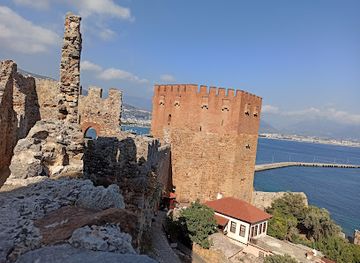
Alanya Castle is the city’s defining landmark, a fortified peninsula whose walls follow the contours of the cliffs and preserve evidence of ancient, Byzantine, Seljuk and later occupation. The Red Tower, built during the reign of Alaeddin Keykubad I, protected the harbour with its strong octagonal form and red-brick upper section. Beside it stands the Seljuk shipyard, a rare surviving medieval maritime structure cut into the waterfront rock and a reminder of Alanya’s role as a naval base. The castle district also contains the small Süleymaniye Mosque, associated with Ottoman restoration of an earlier Seljuk mosque, along with cisterns, gates and traditional houses. At sea level, the old harbour forms an important historic ensemble, while the fortified walls and towers provide a direct visual link between the city’s strategic past and its modern coastal identity.
-
 Museum
Alanya Castle
Explore the majestic Alanya Castle, a historical fortress offering breathtaking views and rich stories of the Mediterranean coast.
13 min walk · 1.1 km from city centre
-
Tourist attraction
Damlataş Cave
Explore the breathtaking Damlataş Cave in Alanya, Turkey, where nature's stunning geological formations create a cool, mesmerizing underground experience.
5 min drive · 1.7 km from city centre
-
Historical landmark
Red Tower
Discover the Red Tower, a historical marvel in Alanya offering stunning views and rich cultural insights into Turkey's Seljuk era.
14 min walk · 1.1 km from city centre
-
Historical place
Dim Cave
Explore the breathtaking Dim Cave in Alanya, a natural masterpiece filled with stunning formations and rich geological history, perfect for all nature enthusiasts.
27 min drive · 9.1 km from city centre
Explore Alanya on the map
Plan your Alanya trip on one map. See where the top attractions, landmarks, restaurants, bars and hotels are, find what's near where you're staying, and book hotels and experiences in a few clicks.
Best hotels in Alanya
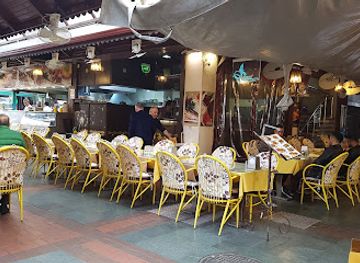
Best restaurants in Alanya
Alanya’s food scene combines the produce and techniques of southern Anatolia with the easygoing habits of a Mediterranean resort. Antalya-style piyaz, a bean salad dressed with tahini, tarator and lemon, is a local speciality found in traditional eateries, while gözleme, pide, grilled meats and fresh fish appear widely across the city. Breakfast tables commonly include bread, olives, cheeses, eggs, honey and seasonal vegetables, and citrus grown around the region often features in drinks and desserts. The harbour and central streets contain restaurants serving Turkish dishes alongside international menus, while smaller lokantas provide straightforward home-style cooking at lunchtime. Bakeries and cafés are useful for simit, pastries, tea and Turkish coffee, and the markets offer fruit, vegetables, nuts and spices that reflect the agricultural hinterland. Dining close to the waterfront brings a more leisure-oriented atmosphere, whereas neighbourhood establishments tend to feel more local and informal.
-
Grill
Mezze Grill Restaurant & Ocakbasi
Experience authentic Turkish grill cuisine at Mezze Grill Restaurant & Ocakbasi in Alanya – where every bite tells a story.
18 min walk · 1.5 km from city centre
-
Restaurant
Cafe Local
Discover Cafe Local in Alanya - where cozy atmosphere meets exquisite cuisine for an unforgettable dining experience.
17 min walk · 1.4 km from city centre
-
Turkish
Ravza Restaurant
Experience the rich flavors of authentic Turkish cuisine at Ravza Restaurant in Alanya – where every meal is a celebration of tradition and taste.
8 min walk · 0.6 km from city centre
-
Restaurant
Le Chevy Restaurant
Discover culinary excellence at Le Chevy Restaurant in Alanya - where chophouse delights meet fine wines for an unforgettable dining experience.
5 min drive · 1.6 km from city centre



Best bars in Alanya
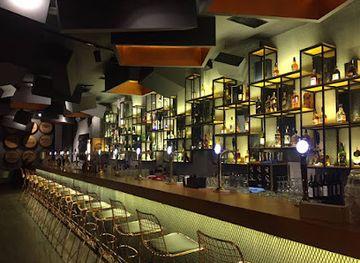
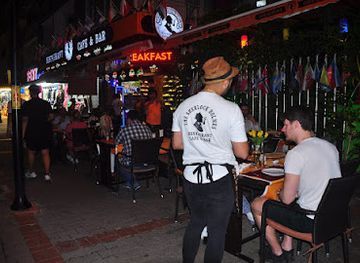
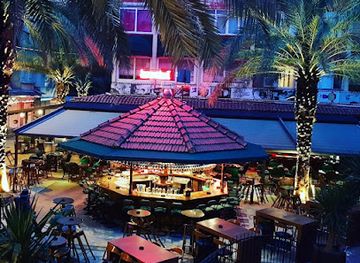
Alanya’s evening life is concentrated around the harbour, central streets and the waterfront running towards the beaches. Bars range from relaxed terraces serving tea, beer and cocktails to louder venues with DJs and dancing, while some restaurants continue into the evening with music and illuminated views of the castle. The harbour is the most established area for nightlife, and nearby streets attract visitors seeking late-opening entertainment during the main holiday season. Elsewhere, hotel lounges, beach venues and cafés provide quieter options, with live music appearing in some establishments rather than in a single dominant local genre. The city’s nightlife is strongly seasonal and oriented towards visitors, so its intensity varies between summer and the cooler months. Respect local regulations, keep valuables secure in crowded venues and confirm the nature of a venue before entering, as atmosphere and pricing can differ considerably.
-
Grill
BARREL
Experience the vibrant culinary scene at Barrel in Alanya, where delicious grills meet an energetic nightlife in a stunning setting.
2 min walk · 0.2 km from city centre
-
Bar
Sherlock Holmes Restaurant Cafe Bar Alanya Turkey
Discover the charm and flavor of Alanya at Sherlock Holmes Restaurant Cafe Bar, where culinary creativity meets a cozy atmosphere.
5 min drive · 1.7 km from city centre
-
Pub
Queens Garden
Experience the vibrant nightlife at Queens Garden, a lively pub in Alanya offering great drinks, music, and a welcoming atmosphere for all.
9 min walk · 0.7 km from city centre
-
Bar
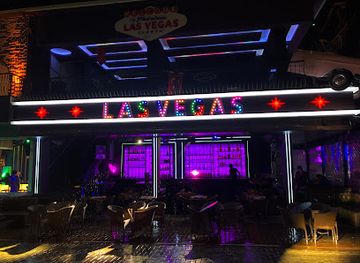
Las Vegas Cafe & Bar
Discover the vibrant nightlife at Las Vegas Cafe & Bar in Alanya, where cocktails, music, and a lively atmosphere create unforgettable memories.
9 min walk · 0.8 km from city centre
Best nightclubs in Alanya
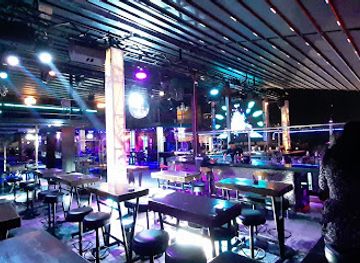
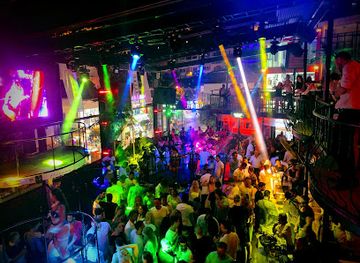
Alanya’s evening life is concentrated around the harbour, central streets and the waterfront running towards the beaches. Bars range from relaxed terraces serving tea, beer and cocktails to louder venues with DJs and dancing, while some restaurants continue into the evening with music and illuminated views of the castle. The harbour is the most established area for nightlife, and nearby streets attract visitors seeking late-opening entertainment during the main holiday season. Elsewhere, hotel lounges, beach venues and cafés provide quieter options, with live music appearing in some establishments rather than in a single dominant local genre. The city’s nightlife is strongly seasonal and oriented towards visitors, so its intensity varies between summer and the cooler months. Respect local regulations, keep valuables secure in crowded venues and confirm the nature of a venue before entering, as atmosphere and pricing can differ considerably.
-
Disco club
Robin Hood Bar
Dive into the vibrant nightlife at Robin Hood Bar, Alanya's premier disco club, where great music and unforgettable experiences await.
10 min walk · 0.8 km from city centre
-
Night club
Havana Club Alanya
Discover the pulse of Alanya's nightlife at Havana Club, where dance, drinks, and dynamic beats create unforgettable memories.
10 min walk · 0.8 km from city centre
-
Night club
Botanico Club
Experience the vibrant nightlife at Botanico Club, Alanya's top destination for music, dining, and unforgettable moments.
9 min walk · 0.8 km from city centre
-
Night club
CLUB IMPERIUM
Discover the electrifying nightlife at Club Imperium, Alanya's premier destination for dance, live music, and authentic Turkish cuisine.
10 min walk · 0.8 km from city centre


Best shops in Alanya
Shopping in Alanya ranges from everyday Turkish markets to tourist-oriented stores around the centre, harbour and beach districts. Weekly neighbourhood markets sell fruit, vegetables, herbs, olives, cheeses, clothing and household goods, offering a livelier view of local commerce than the main souvenir streets. In the central bazaars, visitors encounter leather goods, textiles, jewellery, ceramics, spices, Turkish delight and decorative items, although quality and provenance vary and bargaining is most appropriate where prices are not fixed. Small shops also stock regional citrus products, honey, dried fruit and nuts connected with the agricultural hinterland. Around the harbour and castle approaches, retail is geared towards beachwear, souvenirs and crafts, while more modern shopping areas provide familiar clothing and general stores. Compare goods carefully, ask about materials and keep receipts for substantial purchases, particularly when buying jewellery, leather or carpets.
-
Shopping mall
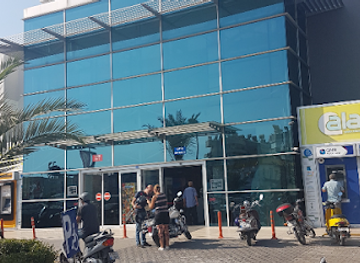
Alanyum Alışveriş ve Eğlence Merkezi
Explore Alanyum Alışveriş ve Eğlence Merkezi, the ultimate shopping and entertainment hub in Alanya with diverse shops, dining, and family fun!
7 min drive · 2.2 km from city centre
-
Clothing store
LC Waikiki
Explore the latest fashion trends at LC Waikiki in Alanya, where style meets affordability for the whole family.
11 min walk · 0.9 km from city centre
-
Outlet store
Neva Outlet Alanya
Discover unbeatable deals at Neva Outlet Alanya, your go-to shopping destination in the heart of Antalya's coastline.
7 min drive · 2.3 km from city centre
-
Shopping mall
Grand Bazaar Shopping’s center alanya
Discover a vibrant shopping paradise at the Grand Bazaar Shopping Center in Alanya, where culture, cuisine, and unique finds await every traveler.
6 min drive · 2.1 km from city centre
Get your free copy of our complete guide to Alanya, delivered straight to you.
Everything on this page, from attractions and restaurants to essentials and local phrases, in one PDF you can read offline, print or share.
Already have an account? Sign in
Your Alanya guide is ready.
We'll send it to · Not you? Sign out

Getting your guide ready…
We are putting together a fresh copy of the Alanya guide. This can take up to a minute.
This can take a few moments. If your browser asks, choose Allow so the download can start. You'll find the guide in your Downloads folder.
Nothing happened? Download it again
Sorry, the guide is taking longer than usual. Please try again in a minute, or get it by email instead.
Alanya essentials
Currency and Payment
Safety
Emergency Situations
Do's and Don'ts
Local Tips
From Eve
Local phrases worth knowing
You don't need to get them perfect. A few words go a long way, and locals appreciate the effort.
Basics
| English | Local | Say it |
|---|---|---|
| Hello | Merhaba | [Mer-ha-ba] |
| Goodbye | Hoşça kal | [Hosh-cha kal] |
| Yes | Evet | [Eh-vet] |
| No | Hayır | [Ha-yuhr] |
| Please/You're welcome | Lütfen | [Loot-fen] |
| Thank you | Teşekkür ederim | [Te-shek-kur ed-er-im] |
| Excuse me/Sorry | Özür dilerim | [O-zur di-ler-im] |
| How are you? | Nasılsınız? | [Na-suhl-suh-nuhz] |
| Fine. And you? | İyiyim. Ya siz? | [Ee-yee-yim. Ya siz?] |
| Do you speak English? | İngilizce konuşuyor musunuz? | [Ing-ee-leez-je ko-noo-shu-yor mus-oo-nooz] |
| I don't understand | Anlamıyorum | [An-la-muh-yor-um] |
Eating & Drinking
| English | Local | Say it |
|---|---|---|
| I'd like to see the menu, please | Menüyü görmek istiyorum, lütfen | [Men-oo-yu germ-ek is-tee-yor-um, loot-fen] |
| I don't eat meat | Ben et yemem | [Ben et ye-mem] |
| Cheers! | Şerefe! | [She-re-fe] |
| I would like to pay, please | Ödemek istiyorum, lütfen | [O-de-mek is-tee-yor-um, loot-fen] |
Emergencies
| English | Local | Say it |
|---|---|---|
| Help! | Yardım! | [Yar-duhm] |
| Go away! | Uzaklaş! | [Oo-zak-lash] |
| Call the Police! | Polisi arayın! | [Po-lee-see ah-rah-yuhn] |
| Call a doctor! | Bir doktor çağırın! | [Beer dok-tor cha-ee-run] |
| I'm lost | Kayboldum | [Kay-bol-doom] |
| I'm ill | Hastayım | [Has-tah-yum] |
Shopping
| English | Local | Say it |
|---|---|---|
| I'd like to buy... | Satın almak istiyorum... | [Sat-uhn al-mak is-tee-yor-um] |
| I'm just looking | Sadece bakıyorum | [Sah-de-je ba-ku-yor-um] |
| How much is it? | Ne kadar? | [Neh ka-dar] |
| That's too expensive | Bu çok pahalı | [Boo chok pa-ha-luh] |
| Can you lower the price? | Fiyatı indirebilir misiniz? | [Fee-yat-uh in-de-re-bee-lir mee-see-neez] |
Time & Numbers
| English | Local | Say it |
|---|---|---|
| What time is it? | Saat kaç? | [Sa-at kach] |
| It's one o'clock | Saat bir | [Sa-at beer] |
| Half past (10) | Saat on buçuk | [Sa-at on boo-chuk] |
| Morning | Sabah | [Sa-bah] |
| Afternoon | Öğleden sonra | [O-le-den ah-sor-ah] |
| Evening | Akşam | [Ak-sham] |
| Yesterday | Dün | [Doon] |
| Today | Bugün | [Boo-goon] |
| Tomorrow | Yarın | [Yar-uhn] |
| 1 | Bir | [Beer] |
| 2 | İki | [Ee-kee] |
| 3 | Üç | [Ooch] |
| 4 | Dört | [Dort] |
| 5 | Beş | [Besh] |
| 6 | Altı | [Al-tuh] |
| 7 | Yedi | [Yeh-dee] |
| 8 | Sekiz | [Se-kiz] |
| 9 | Dokuz | [Do-kooz] |
| 10 | On | [On] |
Transport & Directions
| English | Local | Say it |
|---|---|---|
| Where's a/the...? | ...nerede? | [Ne-reh-deh] |
| What's the address? | Adres nedir? | [Ah-dres neh-deer] |
| Can you show me (on the map)? | (Haritada) gösterebilir misiniz? | [(Ha-ree-ta-da) ger-ste-re-bee-leer mee-see-neez] |
| When's the next (bus)? | Sonraki (otobüs) ne zaman? | [Son-rah-kee (o-to-boo-s) neh za-man] |
| A ticket (to ....) | Bir bilet (....'e) | [Beer bee-let (....'e)] |
History of Alanya
Ancient Korakesion and the Coast
Alanya’s peninsula was known in antiquity as Korakesion, or Coracesium, a naturally fortified settlement associated with piracy and the contested coast of ancient Pamphylia and Cilicia. Its steep cliffs and sheltered harbour made the site valuable to maritime powers, while the surrounding region connected coastal trade with routes crossing the Taurus Mountains. Roman rule brought the settlement into a more stable imperial system, and the wider coastline became part of the commercial and military network of the eastern Mediterranean. Although much of the visible fabric of ancient Korakesion has disappeared beneath later construction, the peninsula’s strategic shape explains why successive rulers continued to strengthen and occupy it.
Roman and Byzantine Stronghold
Under Roman administration, the settlement developed within the established political and trading world of southern Anatolia. Its harbour supported coastal movement, while the fortified headland retained defensive importance. In the Byzantine period, the site remained part of the empire’s Mediterranean frontier and was generally known as Kalonoros, meaning beautiful mountain or hill. Christian institutions and communities shaped the surrounding landscape, though surviving structures are more clearly associated with later Seljuk rebuilding. The continuity of occupation is significant: Alanya was not created as a medieval city from nothing, but inherited a defensible promontory whose military and maritime advantages had been recognised for centuries.
Seljuk Alaiye Takes Shape
The city entered a decisive new phase after the Seljuk sultan Alaeddin Keykubad I captured the fortress in 1221. Renamed Alaiye, it became an important winter residence and naval base for the Sultanate of Rum. Keykubad’s government repaired and expanded the fortifications, built the Red Tower to protect the harbour, and completed the shipyard on the eastern side of the peninsula in 1228. The castle walls, cisterns, mosques and defensive terraces visible today largely reflect this period of investment. Alaiye’s position strengthened Seljuk control over maritime trade and linked the sultanate’s inland power with shipping routes across the Mediterranean.
From Beyliks to Ottoman Rule
After the decline of the Seljuk Sultanate of Rum, Alaiye passed through the influence of regional Turkish beyliks, including the Karamanids, before becoming part of the expanding Ottoman state in the fifteenth century. Under Ottoman administration, the settlement functioned as a regional port and agricultural centre rather than as an independent royal capital. Citrus cultivation, coastal trade and connections with the interior remained important, while Islamic institutions and neighbourhoods developed around the older fortifications. Ottoman-era additions, including mosques and domestic buildings, contributed another layer to the peninsula’s architectural character, even though the best-known defensive monuments remain Seljuk.
A Coastal Town Becomes a Resort
During the late Ottoman and early Republican periods, Alanya continued as a modest port town supported by farming, fishing and regional commerce. The modern name Alanya became standard in the Republican era, and improved roads, transport links and investment in tourism gradually altered the city’s scale. From the second half of the twentieth century, hotels and apartment buildings spread along the coast, particularly around Cleopatra Beach and the eastern shore. Tourism brought international visitors and new employment while preserving the castle, harbour, Red Tower and shipyard as the historic core. Contemporary Alanya therefore combines a resort economy with a much older identity as a fortified Mediterranean port.
Alanya in Photos
Browse through our photo collection highlighting the charm and character of the destination.
Cities near Alanya
The closest cities to Alanya, if you have time for more than one stop.
-

-

-

-

-


Swipe for more cities
Explore more
Explore more of Turkiye
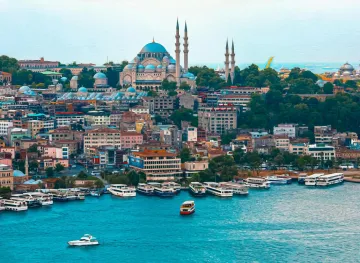
Discover Turkiye: Where ancient history, stunning landscapes, and vibrant culture come together to create an unforgettable travel experience.
Explore Turkiye