

Free Antalya Travel Guide & Mobile App
Plan your Antalya trip with Evendo. Get free guides to top attractions, restaurants, hotels, and bars. Web access or download the mobile app.


Antalya blends turquoise Mediterranean shores, Roman ruins, Ottoman lanes and Turkish cuisine, with beaches, mountains and culture beyond the old town.
Sea, Mountains and the Old Harbour
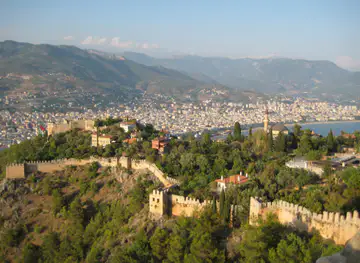
Antalya occupies a dramatic stretch of Turkey’s southern coast, where the deep blue Mediterranean meets the forested slopes of the Western Taurus Mountains. Its historic centre, Kaleiçi, descends through narrow lanes of Ottoman-era houses towards an old Roman harbour, while the modern city spreads east and west along a broad coastal plain. Clifftop parks and promenades provide expansive views across the Gulf of Antalya, and the surrounding landscape shifts quickly from beaches and citrus groves to rugged mountain country.Read more about Antalya
Layers of Pamphylian History
Contemporary Antalya
When is the best time to visit Antalya?
Best: April–June · 23–34°C| Month | High (°C) | Rainfall (mm) |
|---|---|---|
| January | 18 | 164 |
| February | 19 | 128 |
| March | 19 | 97 |
| April (best) | 23 | 63 |
| May (best) | 28 | 28 |
| June (best) | 34 | 11 |
| July | 38 | 6 |
| August | 39 | 7 |
| September | 36 | 29 |
| October | 31 | 77 |
| November | 25 | 113 |
| December | 20 | 152 |
Getting to and around Antalya
How to get there
Transportation
Best attractions in Antalya
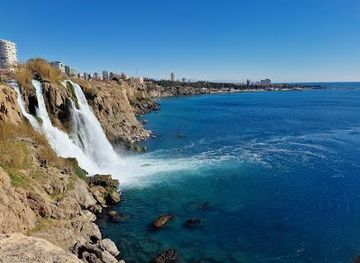
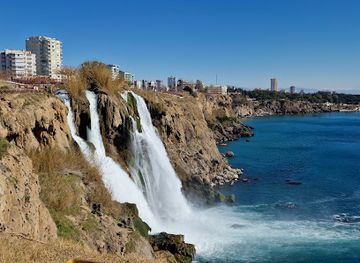
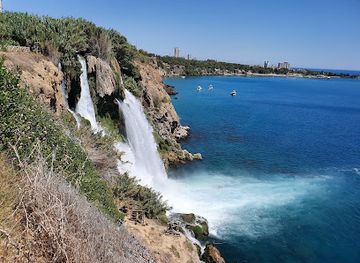
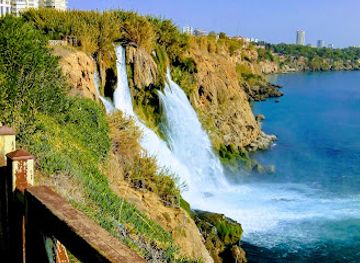
Antalya’s sightseeing begins in Kaleiçi, the historic quarter where narrow lanes lead between Ottoman houses, small galleries, cafés and the old Roman harbour. The Antalya Museum, one of Turkey’s leading archaeological museums, places the region’s statues and artefacts in context, from prehistoric settlements to the Roman cities of Pamphylia. Along the coast, Konyaaltı Beach combines a broad public waterfront with views towards the Taurus Mountains, while Karaalioğlu Park follows the cliffs south of the centre. The Düden Waterfalls offer a striking natural contrast, with water plunging towards the Mediterranean at the lower falls and flowing through greener surroundings inland. Beyond the city boundaries, Perge’s colonnaded streets, Aspendos’s exceptionally preserved theatre and the mountain ruins of Termessos provide major excursions, but they should be planned as separate archaeological visits rather than treated as central Antalya attractions.
-
 Resort hotel
The Land of Legends Kingdom
Discover the magical blend of luxury and adventure at The Land of Legends Kingdom, a premier resort destination in Antalya, Turkey.
47 min drive · 27 km from city centre
-
Lower Duden Waterfalls
Discover the serene beauty of Lower Duden Waterfalls in Antalya, where nature's splendor meets tranquil landscapes and soothing sounds.
-
Tourist attraction
Duden Waterfalls
Explore the breathtaking Duden Waterfalls in Antalya, a natural paradise with stunning views, perfect for nature lovers and adventure seekers.
27 min drive · 9.1 km from city centre
-
Aquarium
Antalya Aquarium
Explore the wonders of the sea at Antalya Aquarium, featuring diverse marine life, interactive exhibits, and family-friendly fun in Antalya, Turkey.
12 min drive · 4.1 km from city centre


Best landmarks in Antalya
Hadrian’s Gate is Antalya’s most recognisable Roman monument, built in AD 130 from white marble with three arched openings and richly carved details; it once formed part of the entrance through the city walls. Nearby, the fluted Yivli Minare rises above the centre as the principal surviving symbol of Seljuk Antalya, attached to a complex that includes a mosque and theological buildings. The Hıdırlık Tower, standing above the southern edge of Kaleiçi, is an ancient stone structure later incorporated into the city’s defences, although its original function is not certain. The harbour below preserves Antalya’s long maritime connection, while sections of the Roman and Ottoman-era walls reveal how the settlement was protected and reshaped. The Clock Tower and Republic Square provide more recent civic markers at the edge of the historic quarter.
-
Park
Lower Duden Waterfalls
Discover the Lower Duden Waterfalls in Antalya, a breathtaking natural park where cascading waters meet the Mediterranean, perfect for nature lovers and adventurers.
24 min drive · 7.8 km from city centre
-
Tourist attraction
Duden Waterfalls
Discover the breathtaking beauty of Duden Waterfalls in Antalya, where nature meets tranquility and stunning views await.
27 min drive · 9.1 km from city centre
-
Aquarium
Antalya Aquarium
Explore the fascinating marine world at Antalya Aquarium, featuring diverse aquatic life, thrilling experiences, and family-friendly attractions in beautiful Antalya.
12 min drive · 4.1 km from city centre
-
Historical landmark
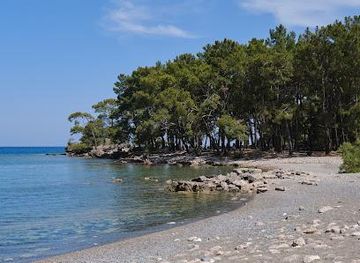
Phaselis Ancient City
Discover the ancient ruins and breathtaking landscapes of Phaselis Ancient City, a historical gem on the Turkish Riviera, perfect for every traveler.
1 h 2 min drive · 42 km from city centre
Explore Antalya on the map
Plan your Antalya trip on one map. See where the top attractions, landmarks, restaurants, bars and hotels are, find what's near where you're staying, and book hotels and experiences in a few clicks.
Neighbourhoods in Antalya
-

-

-

-


Swipe for more neighbourhoods
Best hotels in Antalya
Best restaurants in Antalya
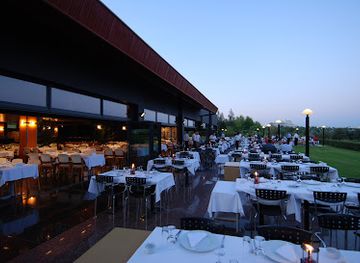
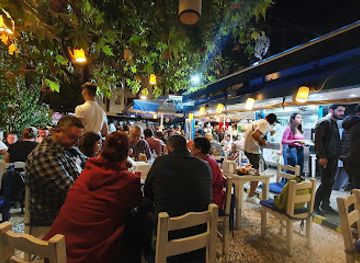
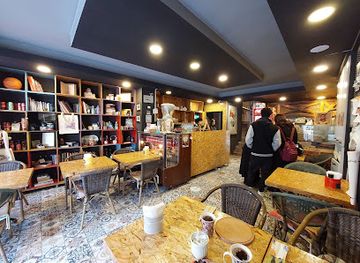
Antalya’s food culture combines southern Turkish cooking with the produce of the Mediterranean coast and the fertile Antalya plain. A local speciality is Antalya piyaz, a creamy, tahini-based bean salad traditionally served with köfte, while grilled meats, gözleme, meze and fresh fish appear widely across the city. Citrus, pomegranates, olives, herbs and seasonal vegetables shape market stalls and home-style dishes, and village breakfasts often feature cheeses, preserves, eggs and breads. Kaleiçi contains atmospheric restaurants in restored houses and near the harbour, while central neighbourhoods offer more everyday lokantas, bakeries and kebap restaurants used by local residents. The covered bazaar and food markets are useful for seeing regional ingredients, and cafés serve Turkish coffee, tea, pastries and ice cream. Dining styles range from quick pide and döner to leisurely meyhane meals accompanied by shared plates and conversation.
-
Restaurant
7 Mehmet
Experience culinary excellence at 7 Mehmet in Antalya – where Mediterranean flavors meet Turkish tradition in a fine dining atmosphere.
11 min drive · 3.8 km from city centre
-
Fish restaurant
Çıtır Balık
Discover the authentic taste of the Mediterranean at Çıtır Balık, where fresh seafood meets traditional Turkish hospitality.
4 min walk · 0.3 km from city centre
-
Falafel
Rokka Pizza Falafel
Discover Rokka Pizza Falafel in Antalya - where Mediterranean flavors meet delicious falafel and pizza for all dietary preferences.
4 min walk · 0.4 km from city centre
-
Meat
Vahap Usta Et Restaurant
Discover authentic Turkish flavors at Vahap Usta Et Restaurant in Antalya - where every meal is a celebration of meat.
21 min drive · 7.1 km from city centre
Best bars in Antalya
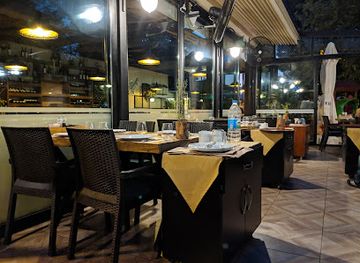
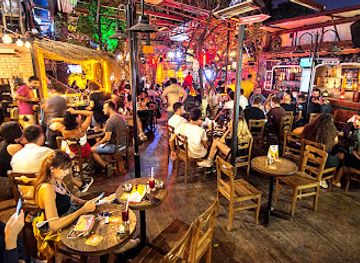
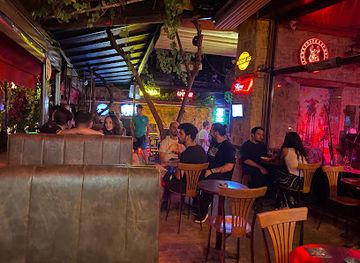
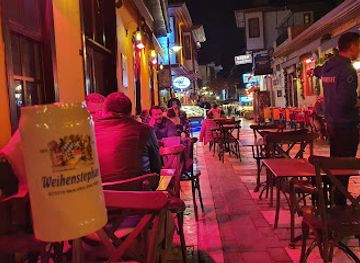
Antalya’s evening life is concentrated in Kaleiçi, where compact streets around the old harbour contain traditional meyhanes, beer bars, cocktail venues and places with live music. The atmosphere varies from relaxed outdoor tables in historic courtyards to busier venues where Turkish pop and international music continue late into the night. Around the marina, evenings tend to be more scenic and leisurely, while modern districts and the beachfront provide additional cafés, hotel bars and seasonal entertainment. Large resort areas in Lara and along the coast may offer organised performances and club-style nights, but they form a different social world from central Antalya. Cultural evenings can include concerts, theatre and performances at city venues, with programmes changing throughout the year. Summer nightlife is generally liveliest, whereas winter evenings are more local and centred on restaurants, cafés and music bars.
-
Pub
Çöplük Cafe & Bar
Experience the vibrant nightlife of Antalya at Çöplük Cafe & Bar, a premier pub offering great drinks and lively entertainment.
1 min walk · 0.1 km from city centre
-
Bar
Odin Pub Old Town
Discover the vibrant nightlife of Antalya at Odin Pub Old Town, where local flavors and friendly vibes await every visitor.
1 min walk · 0.1 km from city centre
-
Bar
Dubh Linn Irish Pub
Discover Irish charm in Antalya's Dubh Linn Irish Pub, where lively atmosphere, delicious food, and authentic drinks await you.
3 min walk · 0.2 km from city centre
-
Bar
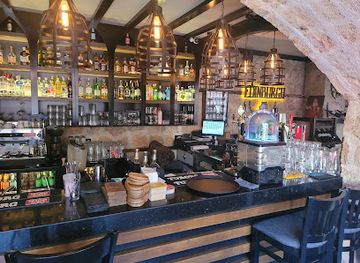
Edinburgh Social House
Experience the vibrant nightlife of Antalya at Edinburgh Social House, where great drinks and live entertainment await every visitor.
2 min walk · 0.2 km from city centre
Best nightclubs in Antalya
Antalya’s evening life is concentrated in Kaleiçi, where compact streets around the old harbour contain traditional meyhanes, beer bars, cocktail venues and places with live music. The atmosphere varies from relaxed outdoor tables in historic courtyards to busier venues where Turkish pop and international music continue late into the night. Around the marina, evenings tend to be more scenic and leisurely, while modern districts and the beachfront provide additional cafés, hotel bars and seasonal entertainment. Large resort areas in Lara and along the coast may offer organised performances and club-style nights, but they form a different social world from central Antalya. Cultural evenings can include concerts, theatre and performances at city venues, with programmes changing throughout the year. Summer nightlife is generally liveliest, whereas winter evenings are more local and centred on restaurants, cafés and music bars.
-
Night club
Arena Kaleiçi
Dive into Antalya's nightlife at Arena Kaleiçi, a vibrant night club offering live music, dancing, and a lively atmosphere for unforgettable nights.
1 min walk · 0.1 km from city centre
-
Night club
GAGA CLUB
Discover the energy of Antalya's nightlife at GAGA Club, a premier destination for music, drinks, and unforgettable experiences.
18 min drive · 5.8 km from city centre
-
Night club
Olivia Disco & Bar
Discover Antalya’s vibrant nightlife at Olivia Disco & Bar, where electrifying music and unforgettable experiences await every night.
29 min drive · 9.6 km from city centre
-
Live music bar
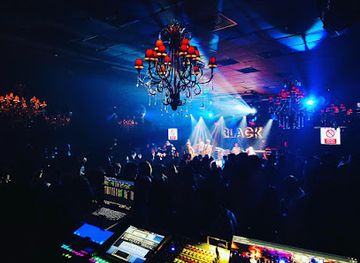
BLACK Live Antalya
Discover the heartbeat of Antalya's nightlife at BLACK Live Antalya, where live music and vibrant atmosphere converge for an unforgettable experience.
9 min drive · 3.0 km from city centre


Best shops in Antalya
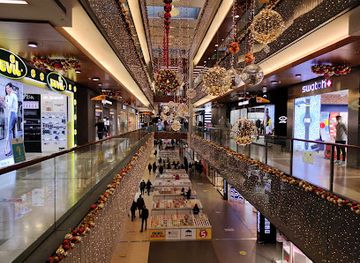
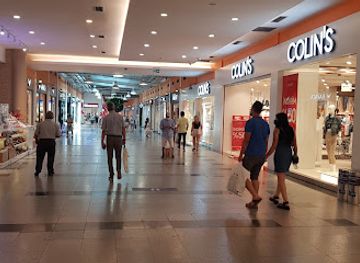
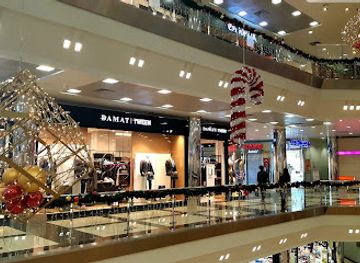
Shopping in Antalya ranges from everyday Turkish retail to small-scale craft and souvenir businesses within Kaleiçi. The historic quarter contains jewellery shops, leather goods, textiles, ceramics, carved objects and boutiques occupying restored houses, while the covered bazaar and surrounding streets provide a more traditional market atmosphere. Visitors will also find Turkish delight, dried fruit, spices, olive products, tea and locally produced citrus goods, although quality and provenance vary between sellers. Modern shopping centres and international brands are concentrated outside the old town in the expanding urban districts, offering a different experience from the independent shops near the harbour. For craft-focused browsing, look for handmade textiles, copperware and ceramics, but distinguish contemporary work from mass-produced souvenirs. Bargaining can be part of market shopping, provided it is conducted courteously and without assuming that every shop follows the same practice.
-
Shopping mall
MarkAntalya Mall
Discover the vibrant shopping and entertainment experience at MarkAntalya Mall, where style meets culture in the heart of Antalya.
12 min walk · 1.0 km from city centre
-
Shopping mall
TerraCity
Discover luxury shopping, exquisite dining, and endless entertainment at TerraCity, Antalya's ultimate shopping destination.
17 min drive · 5.8 km from city centre
-
Department store
Mall of Antalya
Discover the ultimate shopping experience at Mall of Antalya, where fashion, food, and fun come together in a stunning environment.
25 min drive · 8.2 km from city centre
-
Shopping mall
Antalya Migros Shopping Center
Experience shopping like never before at Antalya Migros Shopping Center, where local charm meets global brands in a vibrant atmosphere.
12 min drive · 4.1 km from city centre
Get your free copy of our complete guide to Antalya, delivered straight to you.
Everything on this page, from attractions and restaurants to essentials and local phrases, in one PDF you can read offline, print or share.
Already have an account? Sign in
Your Antalya guide is ready.
We'll send it to · Not you? Sign out

Getting your guide ready…
We are putting together a fresh copy of the Antalya guide. This can take up to a minute.
This can take a few moments. If your browser asks, choose Allow so the download can start. You'll find the guide in your Downloads folder.
Nothing happened? Download it again
Sorry, the guide is taking longer than usual. Please try again in a minute, or get it by email instead.
Antalya essentials
Currency and Payment
Safety
Emergency Situations
Do's and Don'ts
Local Tips
From Eve
Local phrases worth knowing
You don't need to get them perfect. A few words go a long way, and locals appreciate the effort.
Basics
| English | Local | Say it |
|---|---|---|
| Hello | Merhaba | [Mehr-hah-bah] |
| Goodbye | Hoşça kal | [Hosh-cha kal] |
| Yes | Evet | [Eh-vet] |
| No | Hayır | [Hah-yuhr] |
| Please/You're welcome | Lütfen | [Loot-fen] |
| Thank you | Teşekkür ederim | [Teh-sheh-kuhr eh-deh-reem] |
| Excuse me/Sorry | Özür dilerim | [Oz-ur dee-leh-reem] |
| How are you? | Nasılsınız? | [Nah-suhl-suh-nuhz] |
| Fine. And you? | İyiyim. Siz? | [Ee-yee-eem. Sehz] |
| Do you speak English? | İngilizce konuşabiliyor musunuz? | [Een-gee-leez-jeh koh-noo-shah-bee-lee-yor moos-nooz] |
| I don't understand | Anlamıyorum | [Ahn-lah-muh-yor-um] |
Eating & Drinking
| English | Local | Say it |
|---|---|---|
| I'd like to see the menu, please | Menüyü görmek istiyorum, lütfen | [Men-yoo-yoo guhr-mehk ees-tee-yor-um, loot-fen] |
| I don't eat meat | Et yemem | [Eht yeh-mem] |
| Cheers! | Şerefe! | [Sheh-reh-feh] |
| I would like to pay, please | Ödemek istiyorum, lütfen | [Ehd-eh-mehk ees-tee-yor-um, loot-fen] |
Emergencies
| English | Local | Say it |
|---|---|---|
| Help! | Yardım edin! | [Yahr-duhm eh-deen] |
| Go away! | Uzaklaş! | [Oo-zahk-lahsh] |
| Call the Police! | Polisi arayın! | [Poh-lee-see ah-ry-uhn] |
| Call a doctor! | Doktor çağırın! | [Dohk-tohr chah-uh-ruhn] |
| I'm lost | Kayboldum | [Kah-yohl-doom] |
| I'm ill | Hasta oldum | [Hah-stah ohl-doom] |
Shopping
| English | Local | Say it |
|---|---|---|
| I'd like to buy... | Satın almak istiyorum... | [Saht-uhn ahl-mahk ees-tee-yor-um] |
| I'm just looking | Sadece bakıyorum | [Sah-deh-jeh bah-kuh-yor-um] |
| How much is it? | Bu ne kadar? | [Boo neh kah-dahr] |
| That's too expensive | Bu çok pahalı | [Boo chohk pah-hah-luh] |
| Can you lower the price? | Fiyatı düşürebilir misiniz? | [Fee-yah-tuh doo-sheh-reh-bee-leer mees-neez] |
Time & Numbers
| English | Local | Say it |
|---|---|---|
| What time is it? | Saat kaç? | [Sah-aht kah-ch] |
| It's one o'clock | Saat bir | [Sah-aht beer] |
| Half past (10) | On buçuk | [Ohn boo-chook] |
| Morning | Sabah | [Sah-bah] |
| Afternoon | Öğleden sonra | [Oh-leh-dehn ah-sor-ah] |
| Evening | Akşam | [Ahk-shahm] |
| Yesterday | Dün | [Doon] |
| Today | Bugün | [Boo-goon] |
| Tomorrow | Yarın | [Yah-ruhn] |
| 1 | Bir | [Beer] |
| 2 | İki | [Ee-kee] |
| 3 | Üç | [Ooch] |
| 4 | Dört | [Dohrt] |
| 5 | Beş | [Behsh] |
| 6 | Altı | [Ahl-tuh] |
| 7 | Yedi | [Yeh-dee] |
| 8 | Sekiz | [Seh-keez] |
| 9 | Dokuz | [Doh-kooz] |
| 10 | On | [Ohn] |
Transport & Directions
| English | Local | Say it |
|---|---|---|
| Where's a/the...? | ... nerede? | [Neh-reh-deh] |
| What's the address? | Adresi ne? | [Ah-dreh-see neh] |
| Can you show me (on the map)? | (Haritada) gösterebilir misiniz? | [(Hah-ree-tah-dah) guhs-teh-reh-bee-leer mees-neez] |
| When's the next (bus)? | Sonraki (otobüs) ne zaman? | [Sohn-rah-kee (oh-toh-booos) neh zah-mahn] |
| A ticket (to ....) | Bir bilet (....'a) | [Beer bee-let (ah)] |
History of Antalya
Attaleia and the Hellenistic Port
Antalya’s ancient identity began with Attaleia, founded by Attalos II of Pergamon in the second century BC, probably to strengthen Hellenistic control over the coast and provide a useful harbour. The settlement occupied a naturally defensible position above the sea and became part of the wider Pamphylian region, whose fertile plains and maritime routes connected inland communities with the Mediterranean. Earlier populations had already occupied the surrounding landscape, and nearby Perge developed as a major ancient city. Attaleia’s harbour ensured continuing commercial importance, while the city’s name evolved through later Greek, Roman and Turkish usage into Antalya. Its founding explains the enduring relationship between the urban centre, the sea and the overland routes leading towards the Taurus Mountains.
Roman Expansion and Maritime Prosperity
Attaleia came under Roman influence during the second century BC and was incorporated into the Roman provincial system as Roman power consolidated in Anatolia. The city benefited from the empire’s roads, administrative structures and secure Mediterranean trade, while the surrounding Pamphylian plain supported agriculture and the movement of goods. Roman prosperity is represented most visibly by Hadrian’s Gate, erected in AD 130 to mark the emperor Hadrian’s visit, and by surviving sections of the city walls and harbour area. Nearby Perge and Aspendos flourished during the same broad period, leaving theatres, baths, colonnaded streets and civic monuments that illuminate the region’s Roman urban culture. Antalya’s strategic location continued to matter as imperial authority linked the coast with inland Anatolia.
Byzantine Christianity and Coastal Defence
After the division of the Roman Empire, Antalya formed part of the eastern Roman, or Byzantine, world. Its port served a Christianised regional economy, and the city’s churches, fortifications and administrative role reflected the continuing importance of the coast. Byzantine control was not uninterrupted: Arab raids and changing power around the eastern Mediterranean placed pressure on coastal settlements, encouraging the maintenance of defensive walls and protected harbours. The city remained connected to wider maritime networks extending towards Cyprus, the Aegean and Constantinople. Although later construction altered much of the Byzantine urban fabric, fragments incorporated into Kaleiçi’s walls and the layered remains around the harbour preserve evidence of a city repeatedly adapted to military, commercial and religious change.
Seljuk Rule and the Yivli Minare
Antalya was captured by the Seljuk Sultanate of Rum in 1207 during the expansion of Turkish power across Anatolia. The city became an important Seljuk port and a link between the sultanate’s inland territories and Mediterranean trade. This period introduced new religious, architectural and administrative traditions, visible in the Yivli Minare complex, whose distinctive fluted brick minaret is associated with Sultan Alaeddin Keykubad’s reign. The Alaeddin Mosque and adjoining structures formed part of a wider urban transformation, while the harbour and fortifications retained their strategic value. Following the weakening of the Seljuk state, Antalya passed through the influence of local beyliks before being absorbed into the expanding Ottoman realm.
Ottoman Antalya and Kaleiçi
Ottoman rule was established in Antalya in the late fourteenth century, traditionally dated to 1392 under Bayezid I, though the region experienced political shifts during the wider Ottoman consolidation. The city functioned as a provincial port and regional market, serving agricultural communities, seaborne commerce and routes across the mountains. Kaleiçi developed the domestic character still associated with its narrow streets, timber-framed houses, enclosed courtyards, mosques and harbour-facing buildings. Ottoman urban life brought together Muslim and Christian communities, artisans, merchants and farmers, with trade in agricultural produce supporting the town’s economy. The old walls and harbour remained practical features rather than merely monuments, shaping the compact centre that survives today.
From Republic to Mediterranean City
The establishment of the Republic of Turkey in 1923 began a new phase of administrative and economic development for Antalya. Improved roads, agricultural expansion and the growth of tourism gradually connected the city more closely with western Turkey and international visitors. Citrus cultivation became an important part of the surrounding economy, while modern districts expanded beyond the historic walls. From the late twentieth century, beach tourism and hotel development transformed the coastline, particularly around Lara and the western shore, alongside continued migration from other parts of Turkey. The result is a city in which ancient remains, Ottoman neighbourhoods, civic museums and large contemporary suburbs coexist, with Antalya’s historic port and Mediterranean setting still central to its identity.
Travel experiences inspired by this city
-
 11 Day Trip
Family Adventure on the Lycian Way
Join us on a family-friendly exploration of the Lycian Way, where stunning landscapes and ancient history create the perfect adventure.
11 Day Trip
Family Adventure on the Lycian Way
Join us on a family-friendly exploration of the Lycian Way, where stunning landscapes and ancient history create the perfect adventure.
 5 Apr 2026
By Shota Tanaka -
 13 Day Trip
Exploring the Lycian Way: A Journey Through Time and Nature
Join Jelena and Klaus on a 13-day exploration of Turkey's Lycian Way, discovering history, culture, and breathtaking landscapes along the way.
13 Day Trip
Exploring the Lycian Way: A Journey Through Time and Nature
Join Jelena and Klaus on a 13-day exploration of Turkey's Lycian Way, discovering history, culture, and breathtaking landscapes along the way.
 25 Mar 2026
By Jelena Popović -
 9 Day Trip
Exploring the Lycian Way: A Journey Through Turkey's Coastal Wonders
Discover the stunning landscapes and ancient history of Turkey's Lycian Way, an unforgettable 9-day hiking adventure with my wife.
9 Day Trip
Exploring the Lycian Way: A Journey Through Turkey's Coastal Wonders
Discover the stunning landscapes and ancient history of Turkey's Lycian Way, an unforgettable 9-day hiking adventure with my wife.
 5 Mar 2026
By Jan Kovar
Swipe for more travel diaries
Antalya in Photos
Browse through our photo collection highlighting the charm and character of the destination.
Cities near Antalya
The closest cities to Antalya, if you have time for more than one stop.
-
-

-

-

-


Swipe for more cities
Explore more
Explore more of Turkiye
Discover Turkiye: Where ancient history, stunning landscapes, and vibrant culture come together to create an unforgettable travel experience.
Explore Turkiye