

Free Fethiye Travel Guide & Mobile App
Plan your Fethiye trip with Evendo. Get free guides to top attractions, restaurants, hotels, and bars. Web access or download the mobile app.


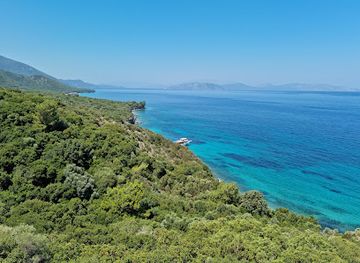
Fethiye combines Lycian ruins, turquoise bays, lively markets and mountain scenery, with boat trips, coastal walks and Turkish cuisine on the Turquoise Coast.
Harbour, Mountains and Ancient Stones
Fethiye lies on Türkiye’s south-western coast, where the mountains of Muğla descend towards a broad, island-dotted bay. Its waterfront is lined with excursion boats, fishing vessels and cafés, while the centre extends inland through streets of shops, markets and everyday Turkish life. Above the town, rock-cut Lycian tombs carved into the cliffs preserve the memory of Telmessos, the ancient settlement whose ruins form the oldest layer of Fethiye’s identity.Read more about Fethiye
A Gateway to the Lycian Coast
Markets, Meze and Local Life
When is the best time to visit Fethiye?
Best: April–June · 24–35°C| Month | High (°C) | Rainfall (mm) |
|---|---|---|
| January | 18 | 184 |
| February | 19 | 155 |
| March | 20 | 116 |
| April (best) | 24 | 73 |
| May (best) | 30 | 36 |
| June (best) | 35 | 8 |
| July | 38 | 4 |
| August | 38 | 7 |
| September | 36 | 21 |
| October | 30 | 77 |
| November | 24 | 142 |
| December | 20 | 187 |
Getting to and around Fethiye
How to get there
Transportation
Best attractions in Fethiye
Fethiye’s principal attractions spread from the old centre to the surrounding coast. Begin with the Fethiye Museum, whose archaeological displays help explain the Lycian and later history of the region, then climb towards the Amyntas Tombs for an extraordinary view over the town and bay. Paspatur’s narrow lanes offer a gentler exploration of cafés, small shops and shaded courtyards, while the harbour is the departure point for full- and half-day boat trips among coves and islands. Çalış Beach, outside the central town, combines a long promenade with broad views towards the evening sun and nearby wetlands. Beyond Fethiye, the abandoned settlement of Kayaköy, the lagoon and beach of Ölüdeniz, and Saklıkent Gorge are major excursions within the wider district or region rather than central-town sights. Together they reveal the area’s archaeological depth, maritime setting and mountain landscape.
-
National park
Saklikent National Park
Explore the stunning landscapes and thrilling adventures at Saklikent National Park, a must-visit destination in Turkey's Muğla region.
52 min drive · 32 km from city centre
-
Beach
Ölüdeniz Beach
Discover the natural beauty and vibrant activities at Ölüdeniz Beach, a top destination for relaxation and adventure in Muğla, Turkey.
32 min drive · 12 km from city centre
-
National reserve
Buyuk Menderes National Park
Explore the stunning landscapes and diverse ecosystems of Buyuk Menderes National Park, a must-visit destination in Turkey for nature lovers and adventure seekers.
3 h 46 min drive · 206 km from city centre
-
National reserve
Ölüdeniz Tabiat Parkı
Explore the breathtaking beauty of Ölüdeniz Tabiat Parkı, where turquoise waters meet stunning mountains in an unforgettable Turkish paradise.
31 min drive · 11 km from city centre



Best landmarks in Fethiye
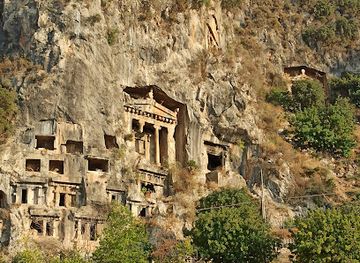
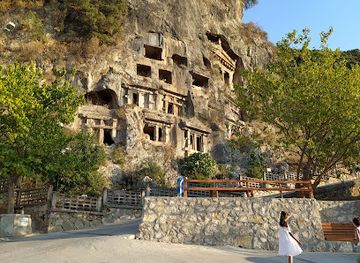
The Amyntas Tombs are Fethiye’s defining historic landmarks: their temple-like façades were carved into the cliff during the Lycian period and remain visible above the modern town. On the hill behind the centre, fragments associated with the ancient and later fortifications mark the strategic height overlooking the harbour. The Fethiye Museum provides an important cultural landmark through its collection of regional archaeological finds, including objects connected with Lycia and the ancient settlements around the bay. In the old quarter, the Eski Cami, or Old Mosque, represents the Ottoman layer of the town’s built heritage, while the streets of Paspatur retain a traditional commercial character despite later rebuilding. The harbour itself is also central to Fethiye’s identity, linking the modern settlement with the maritime geography that supported Telmessos, Meğri and the contemporary town.
-
Park
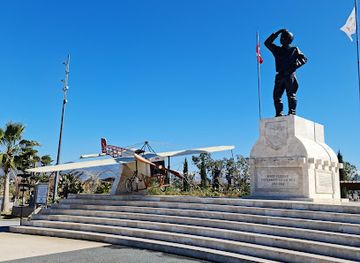
Şehit Fethi Bey Parkı
Experience the serene beauty of Şehit Fethi Bey Parkı, an ideal destination for relaxation, family fun, and artistic exploration in the heart of Fethiye.
4 min walk · 0.3 km from city centre
-
Historical landmark
Amyntas Rock Tombs
Explore the Amyntas Rock Tombs, a historical gem in Fethiye, Turkey, showcasing ancient Lycian architecture and breathtaking landscapes.
11 min drive · 3.6 km from city centre
-
Historical landmark
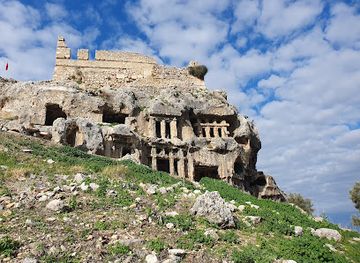
Tlos Ruins
Explore the Tlos Ruins, a stunning historical landmark in Turkey, revealing ancient civilizations amidst breathtaking natural beauty.
48 min drive · 28 km from city centre
-
Hiking area
Fethiye Kordon
Discover the stunning coastal charm of Fethiye Kordon, where breathtaking views, vibrant culture, and adventure await every traveler.
6 min drive · 2.1 km from city centre
Explore Fethiye on the map
Plan your Fethiye trip on one map. See where the top attractions, landmarks, restaurants, bars and hotels are, find what's near where you're staying, and book hotels and experiences in a few clicks.
Best hotels in Fethiye
Best restaurants in Fethiye
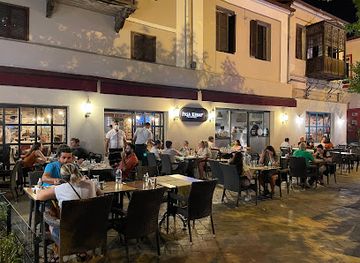
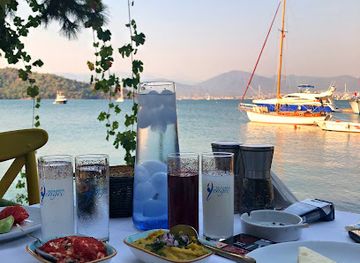
Fethiye’s food culture draws on the produce of the Muğla hinterland and the seafood of the Mediterranean. Around the harbour, market and Paspatur, restaurants serve grilled fish, prawns, calamari and meze alongside Turkish staples such as köfte, pide and seasonal vegetable dishes. Village-style gözleme, a thin filled flatbread cooked on a hot plate, is common in informal cafés and rural stops, while breakfasts often combine bread, olives, cheese, eggs, preserves and tomatoes. The nearby Aegean influence appears in generous use of olive oil, herbs and fresh greens, and local markets are useful for fruit, vegetables, honey and spices. Çalış offers a broad selection of casual restaurants and international menus, while the central market area is better suited to observing everyday shopping and finding straightforward Turkish dishes rather than polished fine dining.
-
Meat
Çarıklı Et Restaurant
Discover the rich flavors of Turkey at Çarıklı Et Restaurant in Fethiye, where quality meat dishes meet warm hospitality.
6 min drive · 2.1 km from city centre
-
Kebab shop
Fethiye Paşa Kebap
Experience authentic Turkish kebabs at Fethiye Paşa Kebap – a culinary highlight in the heart of beautiful Fethiye.
11 min drive · 3.7 km from city centre
-
Restaurant
Yengec Restaurant
Experience the best of Fethiye's seafood at Yengec Restaurant - where every dish tells a story of the Mediterranean.
13 min drive · 4.4 km from city centre
-
Seafood
Hilmi Restaurant Balık Pazarı
Discover exquisite seafood at Hilmi Restaurant Balık Pazarı in Fethiye – a true culinary gem where freshness meets tradition.
11 min drive · 3.5 km from city centre
Best bars in Fethiye
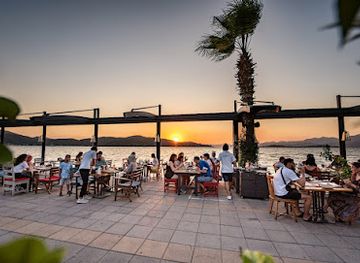
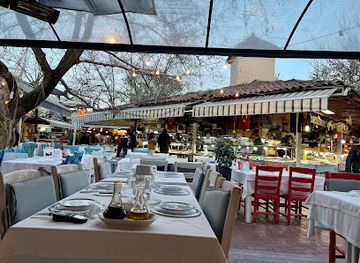
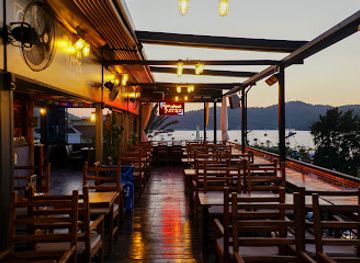
Fethiye’s evening scene is concentrated rather than metropolitan, with the main choices around the harbour, Paspatur and the Çalış promenade. Paspatur has small bars where visitors can sit outside with beer, raki or cocktails, while waterfront venues favour long dinners, sea views and occasional live music. Çalış becomes especially sociable around sunset, when cafés and bars open towards the beach and the promenade fills with people walking between venues. Seasonal entertainment is more prominent in summer, and some places combine music or sports screenings with a relaxed holiday atmosphere. Hisarönü, in the wider district near Ölüdeniz rather than central Fethiye, has a louder concentration of bars and clubs. Visitors seeking a quieter evening can choose harbour-side dining, a sunset walk or a cultural performance when one is scheduled, rather than expecting a large year-round club scene.
-
Bar
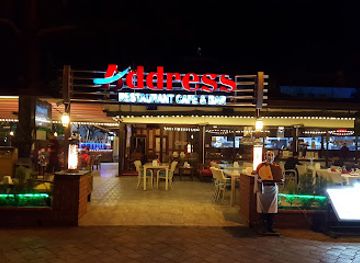
Address Restaurant & Cafe Bar
Experience a delightful blend of Mediterranean and Italian flavors at Address Restaurant & Cafe Bar in Fethiye's stunning waterfront.
10 min drive · 3.3 km from city centre
-
Bar
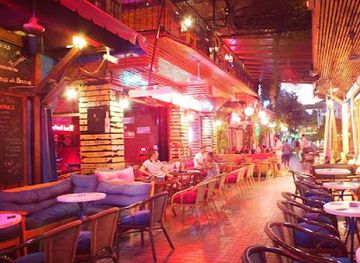
Deep Blue Bar
Discover the lively Deep Blue Bar in Fethiye, a perfect blend of café charm and bar energy, offering delightful drinks and vibrant entertainment.
11 min drive · 3.6 km from city centre
-
Pub
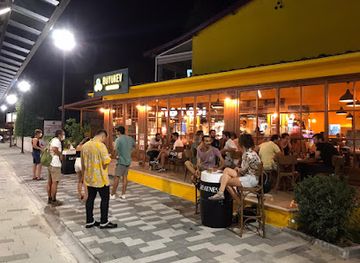
Büyükev Pub & Kitchen
Discover the vibrant atmosphere of Büyükev Pub & Kitchen in Fethiye, where delicious food and drinks meet lively entertainment.
11 min drive · 3.5 km from city centre
-
Bar
Cafe Park Teras
Discover the perfect blend of stunning views, delicious food, and vibrant atmosphere at Cafe Park Teras in Fethiye.
9 min drive · 3.0 km from city centre
Best nightclubs in Fethiye
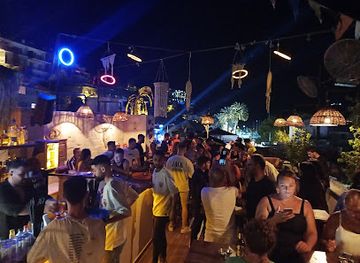
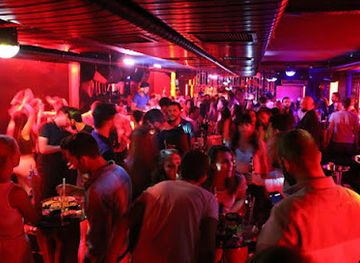
Fethiye’s evening scene is concentrated rather than metropolitan, with the main choices around the harbour, Paspatur and the Çalış promenade. Paspatur has small bars where visitors can sit outside with beer, raki or cocktails, while waterfront venues favour long dinners, sea views and occasional live music. Çalış becomes especially sociable around sunset, when cafés and bars open towards the beach and the promenade fills with people walking between venues. Seasonal entertainment is more prominent in summer, and some places combine music or sports screenings with a relaxed holiday atmosphere. Hisarönü, in the wider district near Ölüdeniz rather than central Fethiye, has a louder concentration of bars and clubs. Visitors seeking a quieter evening can choose harbour-side dining, a sunset walk or a cultural performance when one is scheduled, rather than expecting a large year-round club scene.
-
Bar
Deep Blue Bar
Discover the vibrant nightlife of Fethiye at Deep Blue Bar, where eclectic drinks and lively atmosphere await you.
11 min drive · 3.6 km from city centre
-
Night club
Boğa Club & Terrace
Discover the electrifying nightlife at Boğa Club & Terrace in Fethiye, where stunning views and great music create an unforgettable experience.
11 min drive · 3.6 km from city centre
-
Night club
Avalon Fethiye
Discover the ultimate nightlife experience at Avalon Fethiye, where great music and vibrant energy come together for an unforgettable evening.
11 min drive · 3.6 km from city centre
-
Bar
Kum Saati
Experience the vibrant nightlife of Fethiye at Kum Saati, a premier bar and lounge known for its exquisite cocktails and lively atmosphere.
11 min drive · 3.6 km from city centre

Best shops in Fethiye
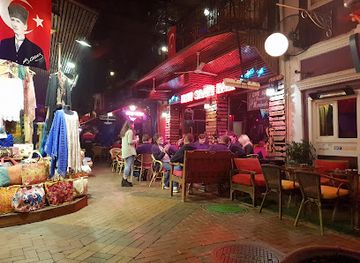
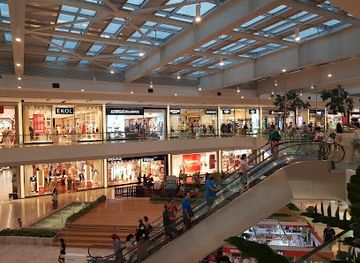
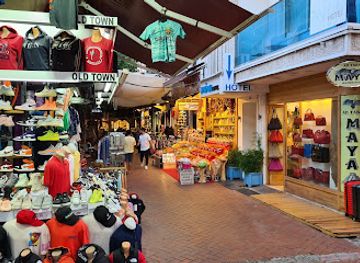
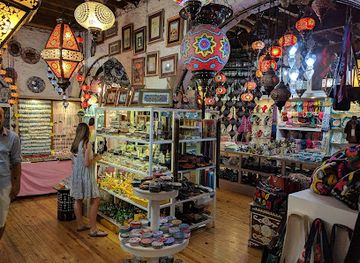
Shopping in Fethiye ranges from everyday Turkish markets to tourist-oriented craft and clothing shops. The central market area is the place to look for seasonal fruit, vegetables, olives, spices, cheese and other provisions, while the weekly market tradition brings together local growers, textile sellers and household traders. Paspatur is more atmospheric, with small businesses selling leather goods, jewellery, sandals, woven textiles, ceramics and souvenirs, although quality and prices vary and bargaining is more appropriate in some independent stalls than in fixed-price shops. Visitors may also find regional olive oil, honey, herbs and dried produce from the surrounding countryside. Supermarkets and modern retailers serve practical needs, but the most distinctive shopping experience lies in comparing produce, fabrics and handmade goods in the older commercial streets rather than seeking a large enclosed shopping centre.
-
Shopping mall
ERASTA FETHİYE AVM
Experience shopping, dining, and entertainment at ERASTA FETHİYE AVM – Fethiye's premier shopping mall with diverse offerings for all.
10 min drive · 3.2 km from city centre
-
Bazar
Paspatur Çarşısı
Discover the charm of Paspatur Çarşısı, Fethiye's vibrant bazaar filled with local crafts, delicious street food, and an authentic Turkish shopping experience.
11 min drive · 3.6 km from city centre
-
Supermarket
MMM Migros
Discover the convenience of MMM Migros, Fethiye's premier hypermarket for fresh goods, household items, and local delights all in one place.
3 min walk · 0.3 km from city centre
-
Market
Paspatur Market
Discover the vibrant Paspatur Market in Fethiye – a cultural shopping haven filled with unique crafts, aromatic spices, and delicious local cuisine.
11 min drive · 3.6 km from city centre

Get your free copy of our complete guide to Fethiye, delivered straight to you.
Everything on this page, from attractions and restaurants to essentials and local phrases, in one PDF you can read offline, print or share.
Already have an account? Sign in
Your Fethiye guide is ready.
We'll send it to · Not you? Sign out

Getting your guide ready…
We are putting together a fresh copy of the Fethiye guide. This can take up to a minute.
This can take a few moments. If your browser asks, choose Allow so the download can start. You'll find the guide in your Downloads folder.
Nothing happened? Download it again
Sorry, the guide is taking longer than usual. Please try again in a minute, or get it by email instead.
Fethiye essentials
Currency and Payment
Safety
Emergency Situations
Do's and Don'ts
Local Tips
From Eve
Local phrases worth knowing
You don't need to get them perfect. A few words go a long way, and locals appreciate the effort.
Basics
| English | Local | Say it |
|---|---|---|
| Hello | Merhaba | [Mehr-hah-bah] |
| Goodbye | Hoşçakal | [Hosh-chakal] |
| Yes | Evet | [Eh-vet] |
| No | Hayır | [Hah-yuhr] |
| Please/You're welcome | Lütfen | [Loot-fen] |
| Thank you | Teşekkür ederim | [Teh-sheh-kur eh-deh-reem] |
| Excuse me/Sorry | Özür dilerim | [Oz-ur dee-leh-reem] |
| How are you? | Nasılsınız? | [Nah-suhl-suh-nuhz] |
| Fine. And you? | İyiyim. Siz? | [Ee-yee-yim. Sehz] |
| Do you speak English? | İngilizce konuşuyor musunuz? | [Ing-ee-leez-jeh kon-oo-shu-yor mooh-soo-nooz] |
| I don't understand | Anlamıyorum | [Ahn-lah-muh-yor-um] |
Eating & Drinking
| English | Local | Say it |
|---|---|---|
| I'd like to see the menu, please | Menüyü görmek istiyorum, lütfen | [Men-oo-yu ger-mek is-tee-yor-um, loot-fen] |
| I don't eat meat | Et yemem | [Eht yeh-mem] |
| Cheers! | Şerefe! | [Sheh-reh-feh] |
| I would like to pay, please | Ödemek istiyorum, lütfen | [Uh-deh-mek is-tee-yor-um, loot-fen] |
Emergencies
| English | Local | Say it |
|---|---|---|
| Help! | Yardım edin! | [Yar-duhm eh-deen] |
| Go away! | Uzaklaş! | [Oo-zahk-lash] |
| Call the Police! | Polisi arayın! | [Poh-lee-see ah-ryun] |
| Call a doctor! | Doktor çağırın! | [Dohk-tor cha-uh-ruhn] |
| I'm lost | Kayboldum | [Kai-bol-doom] |
| I'm ill | Hastayım | [Hahs-tah-yuhm] |
Shopping
| English | Local | Say it |
|---|---|---|
| I'd like to buy... | Satın almak istiyorum... | [Sat-uhn al-mak is-tee-yor-um] |
| I'm just looking | Sadece bakıyorum | [Sah-deh-jeh bah-koo-yor-um] |
| How much is it? | Ne kadar? | [Neh kah-dar] |
| That's too expensive | Çok pahalı | [Chohk pah-hah-luh] |
| Can you lower the price? | Fiyatı indirebilir misiniz? | [Fiyat-uh in-dee-reh-bee-leer mee-see-neez] |
Time & Numbers
| English | Local | Say it |
|---|---|---|
| What time is it? | Saat kaç? | [Saat kach] |
| It's one o'clock | Saat bir | [Saat beer] |
| Half past (10) | On buçuk | [On boo-chook] |
| Morning | Sabah | [Sah-bah] |
| Afternoon | Öğleden sonra | [Oh-leh-den sonra] |
| Evening | Akşam | [Ahk-shahm] |
| Yesterday | Dün | [Doon] |
| Today | Bugün | [Boo-goon] |
| Tomorrow | Yarın | [Yah-ruhn] |
| 1 | Bir | [Beer] |
| 2 | İki | [Ee-kee] |
| 3 | Üç | [Ooch] |
| 4 | Dört | [Durt] |
| 5 | Beş | [Besh] |
| 6 | Altı | [Ahl-tuh] |
| 7 | Yedi | [Yeh-dee] |
| 8 | Sekiz | [Sek-eez] |
| 9 | Dokuz | [Doh-kooz] |
| 10 | On | [On] |
Transport & Directions
| English | Local | Say it |
|---|---|---|
| Where's a/the...? | ... nerede? | [Neh-reh-deh] |
| What's the address? | Adres ne? | [Ad-rehs neh] |
| Can you show me (on the map)? | (Haritada) gösterebilir misiniz? | [(Hah-ree-tah-dah) ger-steh-ree-bee-leer mee-see-neez] |
| When's the next (bus)? | Bir sonraki (otobüs) ne zaman? | [Beer son-rah-kee (oh-toh-booos) neh zah-man] |
| A ticket (to ....) | Bir bilet (....'e) | [Beer bee-let (eh)] |
History of Fethiye
Telmessos and the Lycian World
Fethiye stands on the site of Telmessos, an ancient city associated with Lycia, a civilisation that flourished across south-western Anatolia. Telmessos was known in antiquity for its oracle and occupied a strategic position beside a sheltered bay and routes linking inland settlements with the coast. Its most visible remains are the monumental rock-cut tombs above the modern town, particularly the Tomb of Amyntas, whose temple-like façade was carved into the cliff in the fourth century BC. These tombs demonstrate the importance placed on elite burials in Lycian society and remain an unusually direct link between present-day Fethiye and the pre-Roman landscape of the region.
Persian, Hellenistic and Roman Rule
Like much of Lycia, Telmessos experienced successive periods of Persian influence and Hellenistic rule before becoming part of the Roman world. The city was incorporated into the Lycian League, a federation noted for its distinctive form of representative government, and later entered the Roman provincial system. Under Rome, roads, civic institutions and trade connected the harbour more closely with the wider eastern Mediterranean. Christianity became influential during the Byzantine period, and the settlement continued as a regional centre, although political power and commercial patterns shifted repeatedly as imperial authority changed across Anatolia.
Byzantine and Medieval Transformations
During the Byzantine era, Telmessos formed part of a Christian coastal network shaped by the eastern Roman Empire. The town’s later medieval history reflected the changing balance between Byzantine, Turkish and maritime powers in south-western Anatolia. The name evolved through forms including Makri and Meğri, while the harbour retained its importance for movement and trade. Much of the monumental fabric of the ancient and medieval settlement was altered or lost over time, but the tombs, fragments of fortification on the hill and scattered archaeological remains preserve evidence of the city’s long continuity.
Ottoman Meğri and a Changing Coast
Under Ottoman administration, Meğri became part of the empire’s coastal province of Muğla. The town’s economy combined maritime activity with agriculture in the fertile valleys behind the bay, and its population included Muslim and Christian communities. Ottoman-era patterns survived in the form of traditional streets, mosques and the commercial character of the old centre, although later rebuilding transformed much of the town. The surrounding coast remained connected to regional ports and islands, making Fethiye’s position both a local economic asset and a point of contact between Anatolia and the eastern Mediterranean.
Population Exchange and Modern Fethiye
The early twentieth century brought major political and social change. Following the Greco-Turkish War and the 1923 population exchange, many Greek Orthodox residents left the surrounding region, while Muslim communities arrived from Greece. In 1934, Meğri was renamed Fethiye in honour of Fethi Bey, an Ottoman aviator who died during an early long-distance flight attempt. A major earthquake in 1957 caused extensive destruction and led to substantial reconstruction, helping create the modern urban form. Tourism expanded particularly from the late twentieth century, connecting Fethiye with the beaches, walking routes and archaeological landscapes of the wider Turquoise Coast.
Fethiye in Photos
Browse through our photo collection highlighting the charm and character of the destination.
Cities near Fethiye
The closest cities to Fethiye, if you have time for more than one stop.
-

-

-

-

-


Swipe for more cities
Explore more
Explore more of Turkiye
Discover Turkiye: Where ancient history, stunning landscapes, and vibrant culture come together to create an unforgettable travel experience.
Explore Turkiye