

Çeşme Travel Guide - Free Web & App
Your ultimate guide to Çeşme. Discover top landmarks, proposed trips, and local tips. Free on the web or via the Evendo companion app.


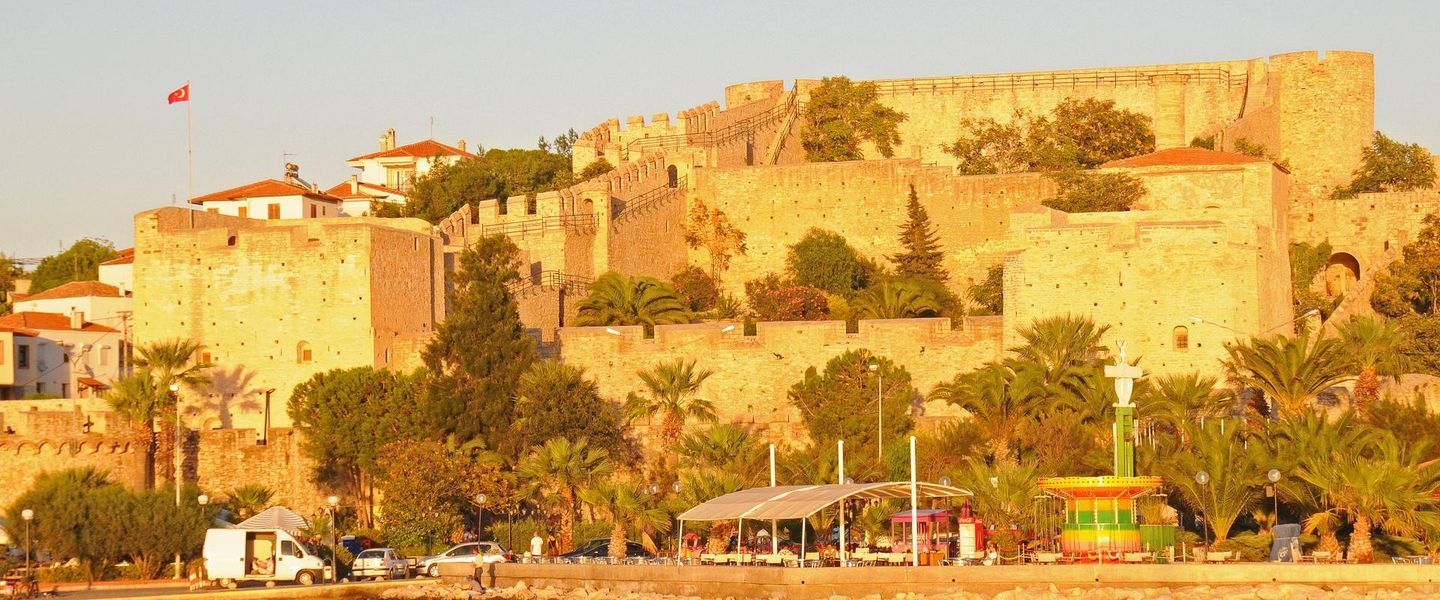


Çeşme, Türkiye combines Aegean beaches, thermal springs, windsurfing, Alaçatı stone houses, ancient Ildırı and seafood on İzmir’s western coast.
A Peninsula Shaped by the Aegean
Çeşme occupies the western tip of the İzmir Peninsula, where Türkiye’s Aegean coast faces the Greek island of Chios across a stretch of open water. The district combines sandy bays, rocky coves, turquoise shallows, salt-scented scrub and a lively harbour town with a long maritime history. Its coastline is varied rather than uniform: Ilıca is known for its broad beach and warm, mineral-rich waters, while Altınkum, Dalyan and the coves around Ovacık offer different settings for swimming, boating and sunset views. Wind is a defining feature, particularly around Alaçatı, whose exposed position has made it an important centre for windsurfing and kitesurfing.Read more about Çeşme
Villages, Heritage and Seaside Life
When is the best time to visit Çeşme?
Best: May–June, October · 26–31°C| Month | High (°C) | Rainfall (mm) |
|---|---|---|
| January | 16 | 122 |
| February | 16 | 107 |
| March | 17 | 93 |
| April | 21 | 79 |
| May (best) | 26 | 66 |
| June (best) | 31 | 53 |
| July | 34 | 43 |
| August | 34 | 44 |
| September | 31 | 57 |
| October (best) | 26 | 72 |
| November | 20 | 86 |
| December | 17 | 102 |
Getting to and around Çeşme
How to get there
Transportation
Best attractions in Çeşme
Çeşme Castle and the surrounding harbour form the historic centre of Çeşme town, while nearby Ilıca is known for its broad sandy beach and warm coastal waters. Alaçatı combines restored stone houses, narrow lanes and windmills with a coast shaped by strong winds, making the area a recognised base for windsurfing and kitesurfing. The beaches around Altınkum, Dalyan and Ovacık offer different combinations of sand, clear water and low coastal scenery, although facilities vary by location and season. At Ildırı, the remains of ancient Erythrai occupy a hillside above the village, with archaeological features and wide views over the Aegean. Boat excursions may explore coves and islands from the coast when conditions allow, while Çeşme’s thermal tradition is most closely associated with Ilıca. Together, these places show the district’s range from maritime heritage and archaeology to beach recreation and village landscapes.
-
Marina
Çeşme Marina
Discover the allure of Çeşme Marina, a vibrant coastal retreat in İzmir, offering stunning views, fine dining, and lively nightlife.
-
National reserve
Tanay Nature Park
Experience the breathtaking landscapes and serene walking trails of Tanay Nature Park, a national reserve in Çeşme, İzmir, perfect for nature lovers.
-
Tourist attraction
Nirvana Cesme Tekne Turu
Explore the stunning Aegean Sea with Nirvana Cesme Tekne Turu, a boat tour offering breathtaking views and refreshing swimming spots.
-
Tourist attraction
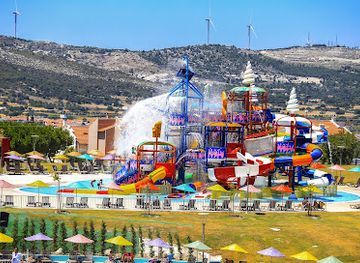
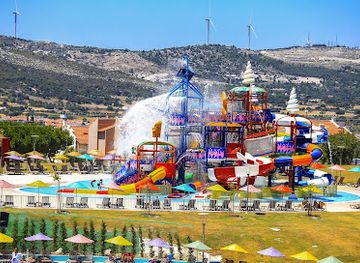
Oasis waterpark
Experience endless fun and excitement at Oasis Waterpark in Çeşme, where thrilling water slides and relaxing pools await!
Best landmarks in Çeşme
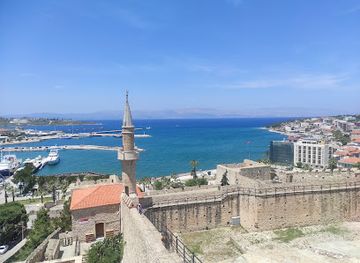
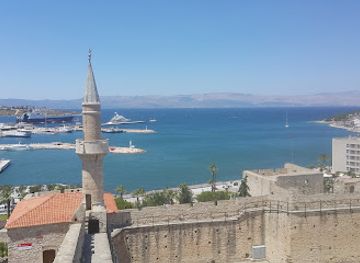
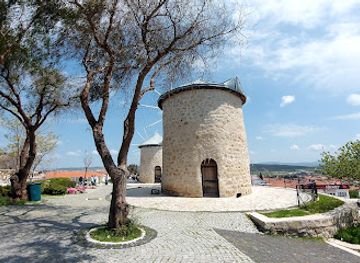
Çeşme Castle is the district’s central historical landmark, standing above the harbour and associated with the town’s Ottoman maritime and defensive history. In Ildırı, the archaeological remains of ancient Erythrai provide the most important classical landmark, including surviving civic and religious traces set within a coastal hillside landscape. The stone houses and windmills of Alaçatı represent a different kind of heritage, reflecting the settlement’s traditional architecture and long relationship with the peninsula’s strong winds. Ilıca’s warm waters and broad shore are natural-cultural landmarks of the resort landscape, while Çeşme’s coves, bays and sea-facing headlands express the geography that shaped its port, fishing and tourism. The view across the Aegean towards Chios reinforces the district’s historical position between Anatolia and the islands.
-
Castle
Cesme Castle
Explore Cesme Castle, a historical gem in Turkey, offering stunning views and a deep dive into the region's rich history.
-
Marina
Çeşme Marina
Discover the enchanting Çeşme Marina, where the Aegean Sea meets vibrant culture, stunning views, and delicious cuisine.
-
Historical landmark
Alaçatı Değirmenleri
Explore the historic Alaçatı Değirmenleri, where stunning windmills meet the breathtaking Aegean coast in a picturesque Turkish town.
-
Water park
Oasis waterpark
Experience the ultimate family fun at Oasis Waterpark in Çeşme, Turkey, featuring thrilling rides, relaxing pools, and delightful dining options.
Explore Çeşme on the map
Plan your trip on one map. See where the top attractions, landmarks, restaurants and hotels are, and book hotels and experiences in a few clicks.
Best hotels in Çeşme
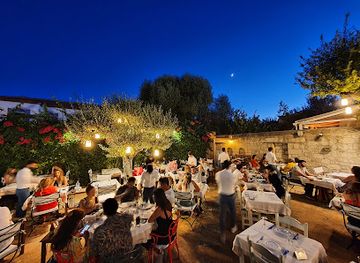
Best restaurants in Çeşme
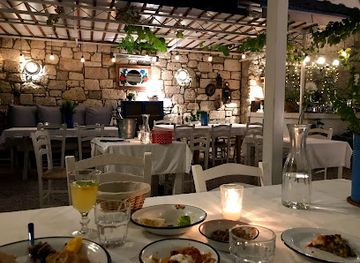
Çeşme’s food culture is rooted in the Aegean tradition of olive oil, seasonal vegetables, herbs, seafood and shared meze. Çeşme kumrusu, a local toasted bread sandwich typically filled with grilled ingredients and cheese, is one of the area’s best-known casual foods, while sakız, or mastic, appears in sweets, ice cream and drinks. Fish restaurants and meyhane-style dining are concentrated around Çeşme harbour, the marina and coastal settlements, with menus shaped by the day’s catch and local produce. Alaçatı has the district’s broadest concentration of cafés, bakeries and contemporary restaurants, alongside dishes influenced by the Aegean’s Greek and Anatolian culinary connections. In Ildırı and smaller coastal villages, dining is more limited and seasonal, often centred on simple seafood, olive-oil dishes and village-style breakfasts. Farm produce, herbs and local preserves can also be found through small producers and markets.
-
Restaurant
Fava Alacati
Experience the best of Mediterranean flavors at Fava Alacati - where exquisite seafood meets authentic Turkish hospitality.
-
Restaurant
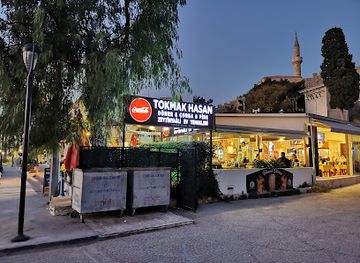
Tokmak Hasan'nin Yeri
Experience authentic Turkish flavors at Tokmak Hasan'nin Yeri in beautiful Çeşme – where every meal tells a story.
-
Seafood
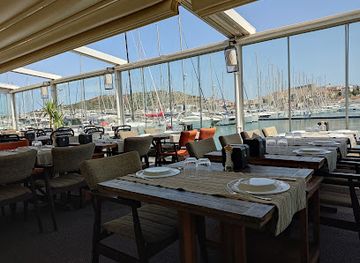
Ferdi Baba Restaurant - Çeşme Marina
Experience exquisite seafood dining with breathtaking marina views at Ferdi Baba Restaurant in Çeşme.
-
Restaurant
Asma Yaprağı
Experience authentic Turkish cuisine at Asma Yaprağı in Çeşme—where every dish is crafted with love and local ingredients.
Best bars in Çeşme
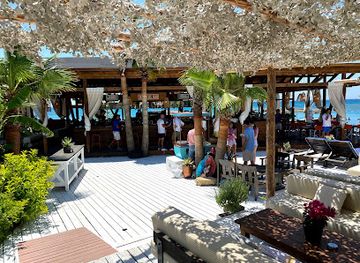
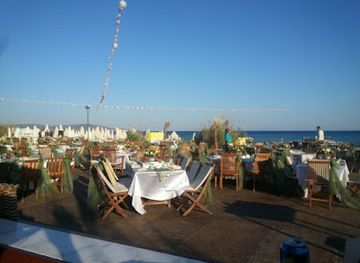
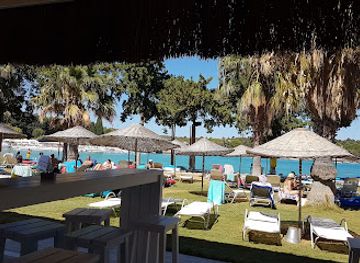
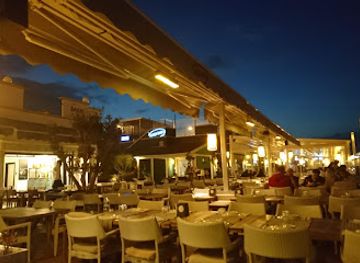
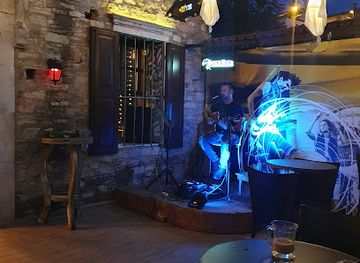
Evenings in Çeşme range from harbour-side dining and relaxed taverns to the busier restaurant and bar scene of Alaçatı. Çeşme town has a seasonal resort atmosphere around its waterfront and marina, while Alaçatı’s stone lanes fill with cafés, meyhane-style venues and bars during the summer period. Some beach and marina businesses offer music-led evenings, but programming and opening patterns are strongly seasonal rather than permanent. Ildırı and the quieter coastal villages are better suited to a calm meal, sunset drink or evening walk than to organised nightlife. Visitors should distinguish the district’s lively summer hospitality scene from the more subdued winter atmosphere, when many coastal businesses reduce their operations and evening entertainment becomes concentrated in the main settlements.
-
Bar
Fly-Inn Beach Club
Experience the essence of Çeşme at Fly-Inn Beach Club, where relaxation meets vibrant nightlife along the stunning coastline.
-
Mediterranean
Fun Beach Club
Experience the essence of Mediterranean dining and relaxation at Fun Beach Club in Altınkum, Çeşme, a perfect getaway for sun-seekers.
-
Cocktail bar
Cove Aya Yorgi
Experience the perfect blend of relaxation and vibrant nightlife at Cove Aya Yorgi, your ultimate beachside cocktail bar in Çeşme.
-
Seafood
Ferdi Baba Restaurant - Çeşme Marina
Indulge in fresh seafood delights at Ferdi Baba Restaurant, a culinary gem in Çeşme Marina offering breathtaking views and exquisite flavors.
Best nightclubs in Çeşme
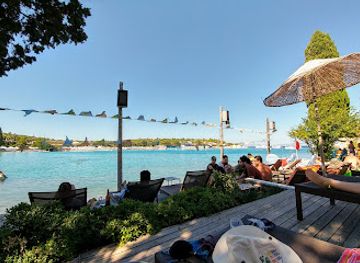
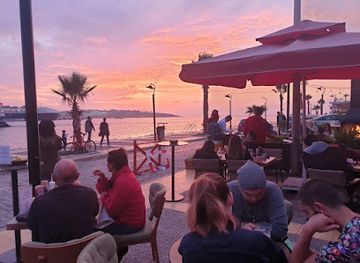
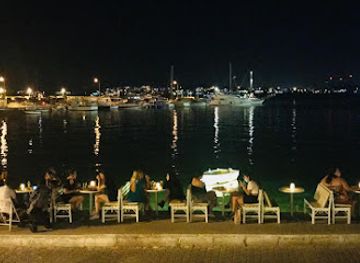
Evenings in Çeşme range from harbour-side dining and relaxed taverns to the busier restaurant and bar scene of Alaçatı. Çeşme town has a seasonal resort atmosphere around its waterfront and marina, while Alaçatı’s stone lanes fill with cafés, meyhane-style venues and bars during the summer period. Some beach and marina businesses offer music-led evenings, but programming and opening patterns are strongly seasonal rather than permanent. Ildırı and the quieter coastal villages are better suited to a calm meal, sunset drink or evening walk than to organised nightlife. Visitors should distinguish the district’s lively summer hospitality scene from the more subdued winter atmosphere, when many coastal businesses reduce their operations and evening entertainment becomes concentrated in the main settlements.
-
Cocktail bar
Cove Aya Yorgi
Discover Cove Aya Yorgi, a vibrant cocktail bar and beach club in Çeşme, offering stunning views, delicious drinks, and a lively atmosphere.
-
Bar
Kirmizi Pub
Experience the vibrant nightlife at Kirmizi Pub in Çeşme, where delicious drinks meet live music and an unforgettable atmosphere.
-
Bar
Tius Bar
Experience vibrant nightlife and exquisite cocktails at Tius Bar in Çeşme, a perfect blend of relaxation and excitement by the water.
-
Bar
Star Bar
Discover Çeşme's nightlife at Star Bar, where friendly service meets a vibrant atmosphere and diverse drink offerings for an unforgettable evening.
Best shops in Çeşme
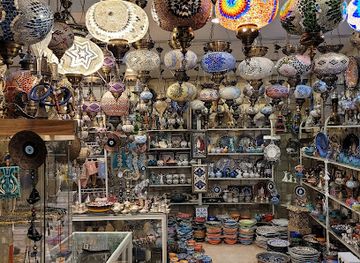
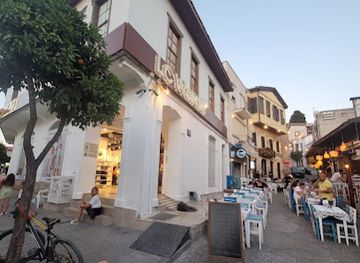
Shopping in Çeşme is concentrated in the town centre, around the harbour and in the lanes of Alaçatı rather than in a single large commercial district. Visitors can look for Aegean olive oil, local herbs, preserves, regional sweets and products flavoured with sakız, as well as Turkish textiles, ceramics, jewellery and small-scale handicrafts from independent businesses. Alaçatı is particularly associated with design-led shops, galleries and boutiques housed in traditional stone buildings, although stock and opening patterns vary with the season. Çeşme town is more practical for everyday supplies, beach goods and provisions. Village shops and small producers around Ildırı and the rural peninsula offer a more limited selection, and visitors should not expect extensive retail facilities near the quieter beaches. Local markets, when operating, are useful for seasonal fruit, vegetables and other regional produce.
-
Department store
Çeşme Çarşısı
Discover the vibrant culture and shopping experience at Çeşme Çarşısı, a must-visit destination for every tourist in Çeşme, İzmir.
-
Shopping mall
CADDE PLUS Alışveriş Merkezi
Experience the best shopping, dining, and family fun at CADDE PLUS Shopping Mall in Çeşme, a must-visit destination for every traveler.
-
Clothing store
LC Waikiki
Discover fashionable clothing for all ages at LC Waikiki in Çeşme, where style meets affordability in a vibrant shopping experience.
-
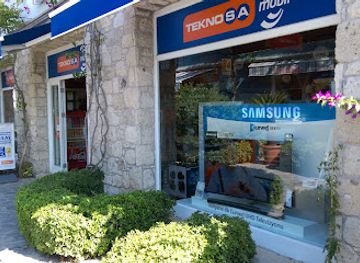
Electronics store
Teknosa
Discover the latest in electronics and mobile devices at Teknosa in Çeşme, where technology meets convenience.

Get your free copy of our complete guide to Çeşme, delivered straight to you.
Everything on this page, from attractions and restaurants to essentials and local phrases, in one PDF you can read offline, print or share.
Already have an account? Sign in
Your Çeşme guide is ready.
We'll send it to · Not you? Sign out

Getting your guide ready…
We are putting together a fresh copy of the Çeşme guide. This can take up to a minute.
This can take a few moments. If your browser asks, choose Allow so the download can start. You'll find the guide in your Downloads folder.
Nothing happened? Download it again
Sorry, the guide is taking longer than usual. Please try again in a minute, or get it by email instead.
Çeşme essentials
Currency and Payment
Safety
Emergency Situations
Do's and Don'ts
Local Tips
From Eve
Local phrases worth knowing
You don't need to get them perfect. A few words go a long way, and locals appreciate the effort.
Basics
| English | Local | Say it |
|---|---|---|
| Hello | Merhaba | [Mer-ha-ba] |
| Goodbye | Hoşça kal | [Hosh-cha kal] |
| Yes | Evet | [Eh-vet] |
| No | Hayır | [Ha-yur] |
| Please/You're welcome | Lütfen | [Loot-fen] |
| Thank you | Teşekkür ederim | [Te-shek-kur ede-rim] |
| Excuse me/Sorry | Özür dilerim | [O-zur di-le-rim] |
| How are you? | Nasılsınız? | [Na-sıl-sı-nız] |
| Fine. And you? | İyiyim. Ya siz? | [Ee-yee-yim. Ya siz?] |
| Do you speak English? | İngilizce konuşuyor musunuz? | [Ing-ili-zje ko-noo-shu-yor mu-sun-uz] |
| I don't understand | Anlamıyorum | [An-la-mı-yo-rum] |
Eating & Drinking
| English | Local | Say it |
|---|---|---|
| I'd like to see the menu, please | Menüyü görmek istiyorum, lütfen | [Me-nu-yu gur-mek is-tee-yo-rum, loot-fen] |
| I don't eat meat | Ben et yemem | [Ben et ye-mem] |
| Cheers! | Şerefe! | [She-re-fe] |
| I would like to pay, please | Ödemek istiyorum, lütfen | [O-de-mek is-tee-yo-rum, loot-fen] |
Emergencies
| English | Local | Say it |
|---|---|---|
| Help! | Yardım! | [Yar-dum] |
| Go away! | Uzaklaş! | [Oo-zak-laş] |
| Call the Police! | Polisi arayın! | [Po-lee-si a-ra-yın] |
| Call a doctor! | Doktor çağırın! | [Dok-tor cha-ğır-ın] |
| I'm lost | Kayboldum | [Kay-bol-dum] |
| I'm ill | Hasta'yım | [Has-ta-yım] |
Shopping
| English | Local | Say it |
|---|---|---|
| I'd like to buy... | Satın almak istiyorum... | [Sat-ın al-mak is-tee-yo-rum] |
| I'm just looking | Sadece bakıyorum | [Sa-de-je ba-ku-yo-rum] |
| How much is it? | Kaç lira? | [Kach lee-ra] |
| That's too expensive | Bu çok pahalı | [Bu chok pa-ha-lı] |
| Can you lower the price? | Fiyatı indirebilir misiniz? | [Fee-yatı in-di-re-bi-lir mi-si-niz] |
Time & Numbers
| English | Local | Say it |
|---|---|---|
| What time is it? | Saat kaç? | [Sa-at kach] |
| It's one o'clock | Saat bir | [Sa-at beer] |
| Half past (10) | On buçuk | [On boo-chuk] |
| Morning | Sabah | [Sa-bah] |
| Afternoon | Öğleden sonra | [O-le-den af-te-ru-na] |
| Evening | Akşam | [Ak-sham] |
| Yesterday | Dün | [Dun] |
| Today | Bugün | [Bu-goon] |
| Tomorrow | Yarın | [Ya-rın] |
| 1 | Bir | [Beer] |
| 2 | İki | [Ee-ki] |
| 3 | Üç | [Oo-ch] |
| 4 | Dört | [Dort] |
| 5 | Beş | [Besh] |
| 6 | Altı | [Al-tı] |
| 7 | Yedi | [Ye-di] |
| 8 | Sekiz | [Se-keez] |
| 9 | Dokuz | [Do-kooz] |
| 10 | On | [On] |
Transport & Directions
| English | Local | Say it |
|---|---|---|
| Where's a/the...? | ... nerede? | [... ne-re-de] |
| What's the address? | Adres nedir? | [Ad-res ne-dir] |
| Can you show me (on the map)? | (Haritada) gösterebilir misiniz? | [(Ha-ri-ta-da) gos-te-re-bi-lir mi-si-niz] |
| When's the next (bus)? | Sonraki (otobüs) ne zaman? | [Son-ra-ki (o-to-bus) ne za-man] |
| A ticket (to ....) | Bir bilet (....'a) | [Beer bee-let (....'a)] |
History of Çeşme
From Peninsula to Ancient Erythrai
The Çeşme Peninsula has long occupied a strategic position between the Aegean islands and the Anatolian mainland. Ancient Erythrai, at present-day Ildırı, was one of the important settlements of the Ionian world and belonged to the Ionian League. Its prosperity was linked to maritime connections, fertile surrounding land and the sheltered coastline. The archaeological site preserves evidence of civic, religious and domestic life, while the modern village remains closely associated with the ancient settlement. Erythrai’s position demonstrates why this coast repeatedly attracted traders, seafarers and competing powers.
Turkish and Byzantine Borderlands
After the classical and Hellenistic periods, the peninsula passed through the wider political changes of the Roman and Byzantine eastern Mediterranean. Coastal settlements experienced shifts in administration, trade and security as maritime routes connected Anatolia with the Aegean islands. The area’s small harbours and natural springs continued to give it practical value, even when political centres lay elsewhere. Although much of Çeşme’s visible townscape is later, the peninsula’s ancient and Byzantine layers help explain its enduring role as a place of passage, settlement and coastal defence.
The Ottoman Port and Its Castle
Çeşme developed greater prominence under Ottoman rule as a port facing the islands and as a stopping point on Aegean maritime routes. Çeşme Castle, whose present form largely reflects Ottoman rebuilding and later alterations, became the town’s most recognisable historic structure. The harbour supported coastal trade, fishing and links with nearby islands, while the surrounding villages maintained agricultural production. The district’s name is associated with çeşme, the Turkish word for fountain, reflecting the abundance of springs and water sources that distinguished the settlement from many other dry Aegean coastal sites.
The Battle of Çeşme, 1770
In July 1770, the naval Battle of Çeşme took place during the Russo-Turkish War of 1768–1774. Russian and Ottoman fleets confronted one another in the Aegean, and the Ottoman fleet suffered a major defeat after fighting in and around Çeşme Bay. The event had consequences beyond the local shoreline, affecting the balance of naval power in the eastern Mediterranean and entering both Ottoman and Russian historical memory. Çeşme Castle and the harbour provide the principal local context for understanding the town’s military and maritime importance.
Modern Tourism and Coastal Change
During the twentieth century, improved roads and growing domestic tourism transformed Çeşme from a working port and regional settlement into one of the Aegean’s best-known seaside districts. Ilıca’s beach, thermal waters and accommodation encouraged resort development, while Alaçatı later became associated with restored stone architecture, restaurants and wind sports. At the same time, archaeological protection at Erythrai and interest in traditional village landscapes have broadened the district’s identity beyond beach tourism. Contemporary Çeşme therefore combines an expanding seasonal visitor economy with fishing, agriculture, heritage conservation and the continuing life of its coastal communities.
Çeşme in Photos
Browse through our photo collection highlighting the charm and character of the destination.
Neighbouring destination travel guides
The closest destinations to Çeşme, if you have time for more than one.
-

-

-

-

-


Swipe for more destinations
Explore more
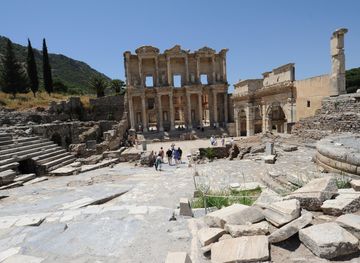
Explore more of Ionia
Discover the ancient wonders and stunning landscapes of Ionia, Turkiye, a historical region that offers a unique blend of history, nature, and culinary delights.
Explore Ionia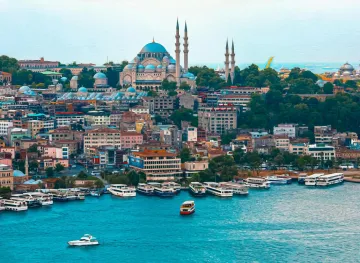
Explore more of Turkiye
Discover Turkiye: Where ancient history, stunning landscapes, and vibrant culture come together to create an unforgettable travel experience.
Explore Turkiye