

Kuşadası Travel Guide - Free Web & App
Your ultimate guide to Kuşadası. Discover top landmarks, proposed trips, and local tips. Free on the web or via the Evendo companion app.


Kuşadası, Türkiye combines Aegean beaches, Dilek Peninsula landscapes, Güvercinada fortress, seafood dining and easy access to ancient Ephesus.
Aegean Coast and Peninsula Landscapes
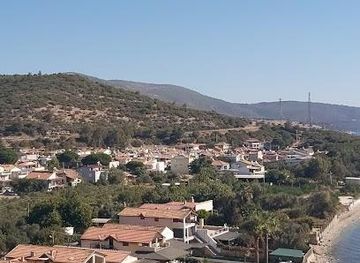
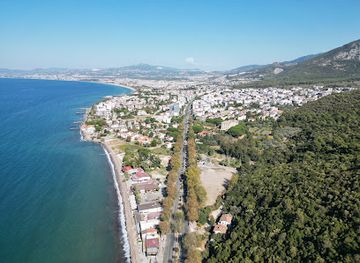
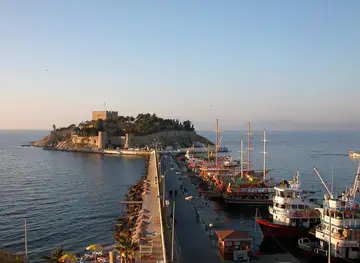
Kuşadası lies on Türkiye’s western Aegean coast, facing the island of Samos across a broad, blue stretch of water. The town is the principal settlement of a district that extends from busy waterfront promenades and sandy beaches to quieter coastal villages, pine-covered hills and the protected landscapes of Dilek Peninsula-Büyük Menderes Delta National Park. Its name means “Bird Island”, a reference to the small islet of Güvercinada, joined to the mainland by a causeway and crowned by a historic fortress.Read more about Kuşadası
Beaches, Bays and Protected Nature
History and Regional Connections
When is the best time to visit Kuşadası?
Best: May–July · 23–30°C| Month | High (°C) | Rainfall (mm) |
|---|---|---|
| January | 13 | 143 |
| February | 14 | 120 |
| March | 15 | 92 |
| April | 18 | 63 |
| May (best) | 23 | 26 |
| June (best) | 28 | 7 |
| July (best) | 30 | 2 |
| August | 31 | 4 |
| September | 28 | 32 |
| October | 24 | 78 |
| November | 19 | 129 |
| December | 15 | 155 |
Getting to and around Kuşadası
How to get there
Transportation
Best attractions in Kuşadası
Kuşadası’s attractions range from an active Aegean waterfront to protected coastal countryside. Güvercinada, the fortified islet reached by causeway, is the town’s defining historic sight, while the old harbour area and Öküz Mehmet Pasha Caravanserai reveal its trading past. Ladies Beach offers a convenient urban beach, and Long Beach extends south through a developed resort corridor. Beyond the built-up coast, Güzelçamlı provides access to Dilek Peninsula-Büyük Menderes Delta National Park, where forested hills, coves and the Büyük Menderes Delta create a markedly quieter setting. Zeus Cave lies near the national park entrance, although conditions and access should be checked locally. Kuşadası is also a gateway to Ephesus, the House of the Virgin Mary and Şirince, but these are outside the district near Selçuk and should not be confused with attractions within Kuşadası itself.
-
Adaland
Discover the thrills of Adaland, Turkey's largest water park, where adventure meets relaxation for an unforgettable family experience in Kuşadası.
-
Tortuga Pirate Island Theme & Water Park
Experience the thrill of water slides and pirate-themed fun at Tortuga Pirate Island Theme & Water Park in Kuşadası, a perfect family destination.
-
Yılancı Burnu
Explore the breathtaking coastal views and tranquil parks of Yılancı Burnu in Kuşadası, a natural wonder for every traveler.
-
Maydonoz Koyu
Explore the serene beauty and rich culture of Maydonoz Koyu, a hidden gem in Menderes, İzmir, ideal for nature lovers and peace seekers.


Best landmarks in Kuşadası
Güvercinada is Kuşadası’s emblematic landmark: a small fortified island joined to the mainland, historically positioned to protect the harbour and now closely associated with the town’s name and view across the bay. Near the waterfront, the Öküz Mehmet Pasha Caravanserai represents the port’s Ottoman commercial history and the importance of overland and maritime routes. The broad Aegean bay, the wooded slopes of Dilek Peninsula and the wetlands of the Büyük Menderes Delta are the district’s principal natural landmarks. Zeus Cave, near the entrance to Dilek Peninsula-Büyük Menderes Delta National Park, is a water-filled limestone cavern associated with local tradition and a popular stop, though its conditions and access can vary. Ephesus and the House of the Virgin Mary are major nearby landmarks near Selçuk, not landmarks within Kuşadası itself.
-
Public beach
Ladies Beach
Discover the serene beauty of Ladies Beach in Kuşadası, a perfect destination for relaxation, swimming, and enjoying the Aegean coast.
-
Sculpture
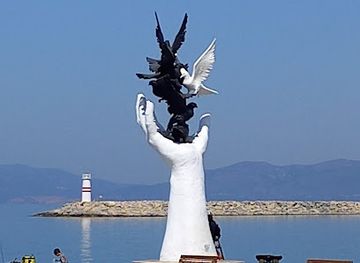
El Heykeli
Explore El Heykeli in Kuşadası, a stunning sculpture that showcases the artistic heritage and cultural essence of Turkey.
-
Historical landmark
Zeus Cave
Explore the mythical Zeus Cave in Kuşadası, Aydın, where nature's beauty meets ancient history in a breathtaking setting.
-
Historical landmark
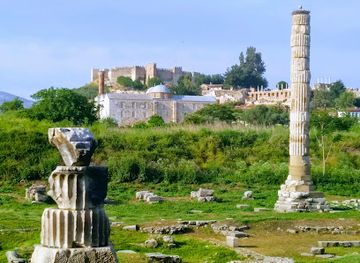
The Temple of Artemis
Explore the Temple of Artemis, an ancient wonder in Selçuk, Turkey, and experience the captivating history of one of the Seven Wonders of the World.
Explore Kuşadası on the map
Plan your trip on one map. See where the top attractions, landmarks, restaurants and hotels are, and book hotels and experiences in a few clicks.
Best hotels in Kuşadası
Best restaurants in Kuşadası
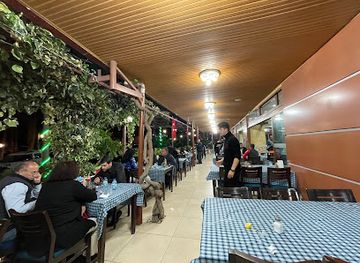
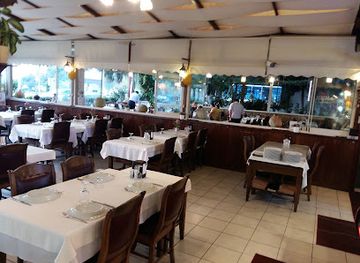
Kuşadası’s food scene draws on the cooking of the Aegean coast, where olive oil, seasonal vegetables, herbs, legumes and seafood are central to everyday meals. Waterfront restaurants and streets around the town centre provide the broadest choice, while village and beach settlements offer more informal cafés and grilled-food restaurants. Look for meze, fresh salads, grilled fish, calamari, prawns, köfte, gözleme and vegetable dishes prepared with local olive oil; menus vary according to season and supply. Turkish breakfast is widely available, often combining bread, cheese, olives, eggs, honey and preserves. In Güzelçamlı and other southern settlements, dining is more closely tied to the national park and coastal setting, but options are less concentrated than in central Kuşadası. Selçuk, outside the destination, adds further choice for visitors touring Ephesus.
-
Restaurant
Bülbül Restaurant
Discover the flavors of Turkey at Bülbül Restaurant in Kuşadası - a culinary gem offering delicious dishes and warm hospitality.
-
Restaurant
Mezgit Restaurant
Discover authentic Turkish cuisine at Mezgit Restaurant in Kuşadası – where fresh seafood meets stunning Aegean views.
-
Turkish
Dedem K. Corner Turkish Restaurant
Discover Dedem K. Corner: Your gateway to authentic Turkish flavors in Kuşadası's charming dining scene.
-
Turkish
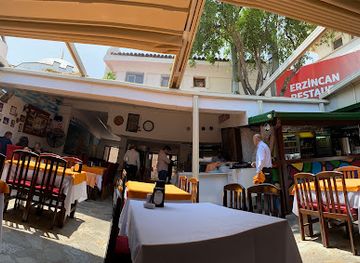
Erzincan Restaurant Kuşadası
Discover authentic Turkish flavors at Erzincan Restaurant in Kuşadası – where tradition meets taste in every dish.
Best bars in Kuşadası
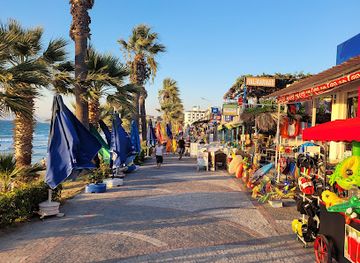
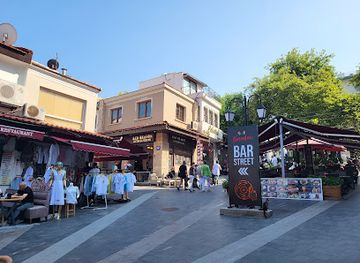
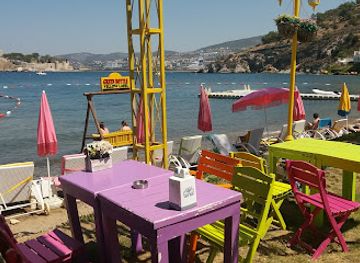
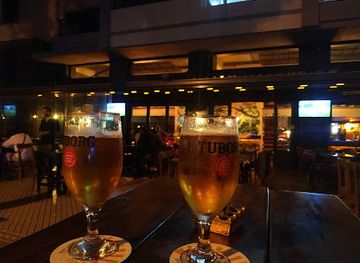
Evening life is concentrated in Kuşadası town, particularly around the harbour, waterfront and central entertainment streets, where visitors find bars, cafés and venues aimed at both residents and seasonal tourists. The atmosphere is generally busiest during the summer and cruise season, while quieter areas of the district favour traditional tea gardens, hotel bars and village cafés rather than late-night entertainment. Beach settlements may have seasonal bars and restaurant terraces, but their operating patterns can change. Güzelçamlı and the national-park area are better suited to a relaxed evening after a day outdoors than to clubbing. Visitors seeking a wider choice of late-night venues should remain in central Kuşadası rather than expecting nightlife within the protected landscape.
-
Bar
Jade Beach Club
Experience the vibrant atmosphere of Jade Beach Club in Kuşadası, where relaxation meets entertainment along the stunning Aegean coast.
-
Pub
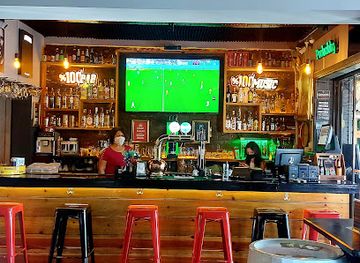
Deep & Dark Sports Bar
Experience the vibrant nightlife of Kuşadası at Deep & Dark Sports Bar, where great drinks and live entertainment await every visitor.
-
Bar
Ex Club
Experience the vibrant nightlife of Kuşadası at Ex Club, a premier bar offering lively music and a welcoming atmosphere.
-
Irish pub
Molly Malone's Kuşadası
Discover the lively spirit of Ireland at Molly Malone's Kuşadası, a charming Irish pub offering great food, drinks, and live music in the heart of Turkey.
Best nightclubs in Kuşadası
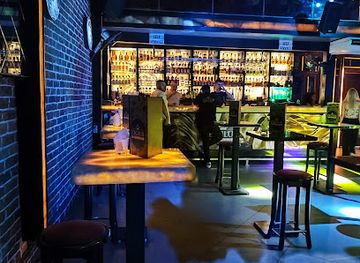
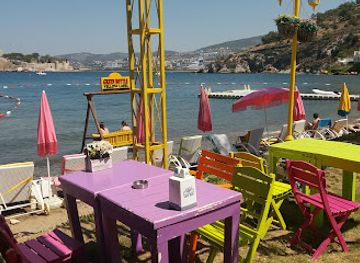
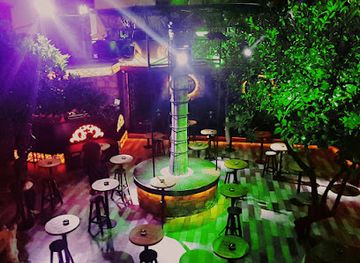
Evening life is concentrated in Kuşadası town, particularly around the harbour, waterfront and central entertainment streets, where visitors find bars, cafés and venues aimed at both residents and seasonal tourists. The atmosphere is generally busiest during the summer and cruise season, while quieter areas of the district favour traditional tea gardens, hotel bars and village cafés rather than late-night entertainment. Beach settlements may have seasonal bars and restaurant terraces, but their operating patterns can change. Güzelçamlı and the national-park area are better suited to a relaxed evening after a day outdoors than to clubbing. Visitors seeking a wider choice of late-night venues should remain in central Kuşadası rather than expecting nightlife within the protected landscape.
-
Jade Beach Club
Discover the vibrant atmosphere of Jade Beach Club in Kuşadası, a perfect blend of stunning views, refreshing drinks, and lively nightlife.
-
Ex Club
Discover the electrifying nightlife of Kuşadası at Ex Club, a vibrant bar where unforgettable memories and great music await.
-
Limon Bar
Discover the vibrant nightlife at Limon Bar in Kuşadası, where refreshing drinks and electrifying music create unforgettable experiences.
-
LOVE SENSATİON GAY Club Kuşadası
Dive into the vibrant nightlife at LOVE SENSATİON GAY Club Kuşadası, where music, dance, and inclusivity create unforgettable memories.


Best shops in Kuşadası
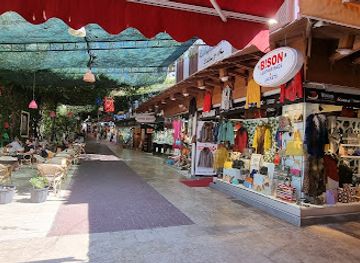
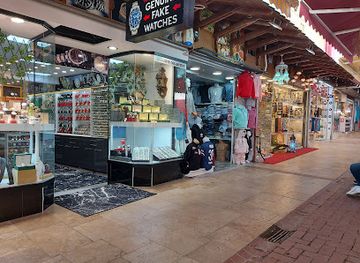
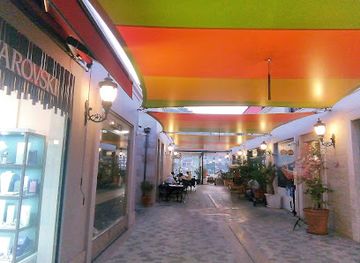
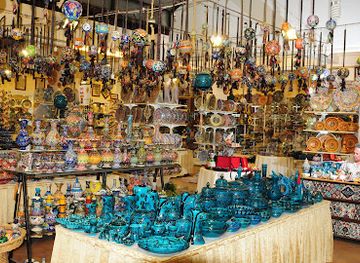
Shopping in Kuşadası is concentrated around the town centre, harbour, markets and main resort streets. Visitors encounter Turkish textiles, leather goods, jewellery, ceramics, decorative objects, spices, dried foods and olive-oil products, alongside ordinary clothing and convenience shops. Some retail areas are strongly oriented towards tourism, so comparing goods and prices and checking what can be taken through customs is sensible. Local markets and food shops provide opportunities to buy seasonal produce, olives, herbs, confectionery and regional specialities, while larger supermarkets serve practical needs. Güzelçamlı and the smaller coastal settlements have more limited everyday shopping, with independent shops and market provision rather than extensive retail districts. For distinctive crafts and regional food products, seek established local producers and workshops rather than assuming every souvenir reflects Aegean tradition.
-
Bazaar,kuşadası
Discover the vibrant Kuşadası Bazaar, where shopping meets culture in a delightful blend of local crafts and culinary treasures.
-
Shopping mall
Grand Bazaar
Discover the Grand Bazaar in Kuşadası, a vibrant shopping and dining destination that offers a rich taste of Turkish culture and tradition.
-
Shopping mall
Scala Nuova Shopping Center Kusadasi Aegean Ports
Discover Scala Nuova Shopping Center in Kusadasi: a vibrant destination for shopping, dining, and entertainment amidst the beauty of the Aegean coast.
-
Gift shop
Hacivat Shop
Explore authentic Turkish craftsmanship at Hacivat Shop, a unique gift shop and art gallery in Kuşadası offering exquisite handcrafted ceramics and art.
Get your free copy of our complete guide to Kuşadası, delivered straight to you.
Everything on this page, from attractions and restaurants to essentials and local phrases, in one PDF you can read offline, print or share.
Already have an account? Sign in
Your Kuşadası guide is ready.
We'll send it to · Not you? Sign out

Getting your guide ready…
We are putting together a fresh copy of the Kuşadası guide. This can take up to a minute.
This can take a few moments. If your browser asks, choose Allow so the download can start. You'll find the guide in your Downloads folder.
Nothing happened? Download it again
Sorry, the guide is taking longer than usual. Please try again in a minute, or get it by email instead.
Kuşadası essentials
Currency and Payment
Safety
Emergency Situations
Do's and Don'ts
Local Tips
From Eve
Local phrases worth knowing
You don't need to get them perfect. A few words go a long way, and locals appreciate the effort.
Basics
| English | Local | Say it |
|---|---|---|
| Hello | Merhaba | [Mer-ha-ba] |
| Goodbye | Hoşçakal | [Hosh-cha-kal] |
| Yes | Evet | [Eh-vet] |
| No | Hayır | [Ha-yur] |
| Please/You're welcome | Lütfen | [Loot-fen] |
| Thank you | Teşekkür ederim | [Te-shek-kur ed-er-im] |
| Excuse me/Sorry | Özür dilerim | [Ozur di-le-rim] |
| How are you? | Nasılsınız? | [Na-sıl-si-nız] |
| Fine. And you? | İyiyim. Peki siz? | [Ee-yee-yim. Pe-kee siz] |
| Do you speak English? | İngilizce konuşuyor musunuz? | [Ing-i-liz-je ko-noo-shu-yor mu-su-nuz] |
| I don't understand | Anlamıyorum | [An-la-mi-yo-rum] |
Eating & Drinking
| English | Local | Say it |
|---|---|---|
| I'd like to see the menu, please | Menüyü görmek istiyorum, lütfen | [Men-oo-yu gor-mek is-tee-yo-rum, loot-fen] |
| I don't eat meat | Et yemem | [Et ye-mem] |
| Cheers! | Şerefe! | [She-re-fe] |
| I would like to pay, please | Ödemek istiyorum, lütfen | [O-de-mek is-tee-yo-rum, loot-fen] |
Emergencies
| English | Local | Say it |
|---|---|---|
| Help! | Yardım edin! | [Yar-dum ed-in] |
| Go away! | Uzaklaş! | [Oo-zak-lash] |
| Call the Police! | Polisi arayın! | [Po-lee-si a-ra-yun] |
| Call a doctor! | Doktor çağırın! | [Dok-tor cha-gi-run] |
| I'm lost | Kayboldum | [Kai-bol-dum] |
| I'm ill | Hastayım | [Has-ta-yum] |
Shopping
| English | Local | Say it |
|---|---|---|
| I'd like to buy... | Satın almak istiyorum... | [Sat-un al-mak is-tee-yo-rum] |
| I'm just looking | Sadece bakıyorum | [Sa-de-je ba-ku-yo-rum] |
| How much is it? | Ne kadar? | [Ne ka-dar] |
| That's too expensive | Bu çok pahalı | [Boo chok pa-ha-luh] |
| Can you lower the price? | Fiyatı indirebilir misiniz? | [Fee-yat-uh in-di-re-bi-lir mi-si-niz] |
Time & Numbers
| English | Local | Say it |
|---|---|---|
| What time is it? | Saat kaç? | [Sa-at kach] |
| It's one o'clock | Saat bir | [Sa-at beer] |
| Half past (10) | On buçuk | [On boo-chuk] |
| Morning | Sabah | [Sa-bah] |
| Afternoon | Öğleden sonra | [O-ye-den af-te-rna] |
| Evening | Akşam | [Ak-sham] |
| Yesterday | Dün | [Doon] |
| Today | Bugün | [Boo-gun] |
| Tomorrow | Yarın | [Ya-run] |
| 1 | Bir | [Beer] |
| 2 | İki | [Ee-ki] |
| 3 | Üç | [Ooch] |
| 4 | Dört | [Durt] |
| 5 | Beş | [Besh] |
| 6 | Altı | [Al-tuh] |
| 7 | Yedi | [Yeh-di] |
| 8 | Sekiz | [Se-kiz] |
| 9 | Dokuz | [Do-kuz] |
| 10 | On | [On] |
Transport & Directions
| English | Local | Say it |
|---|---|---|
| Where's a/the...? | ...nerede? | [Ne-re-de] |
| What's the address? | Adres nedir? | [Ad-res ne-dir] |
| Can you show me (on the map)? | Bana gösterebilir misiniz (haritada)? | [Ba-na go-ste-re-bi-lir mi-si-niz (ha-ri-ta-da)] |
| When's the next (bus)? | Sonraki (otobüs) ne zaman? | [Son-ra-ki (o-to-bus) ne za-man] |
| A ticket (to ....) | Bir bilet (....'ye) | [Beer bee-let (....'ye)] |
History of Kuşadası
Aegean Landscapes and Early Settlement
The coast around Kuşadası forms part of the Aegean region shaped by tectonic movement, faulting and long-term erosion. Its sheltered bays, offshore islands and fertile hinterland encouraged maritime activity and settlement from antiquity onwards. The wider area belonged to the cultural world of ancient Ionia, where coastal communities were linked by seaborne trade and shared religious and artistic traditions. Evidence of ancient occupation is more prominent in the surrounding region than in the modern town itself, whose present identity developed considerably later around its harbour and coastal position.
From Neapolis to Byzantine Influence
The settlement associated with modern Kuşadası was known in antiquity as Neapolis and was connected with the larger cities of the Aegean coast, including Ephesus. Roman rule brought the region into an extensive network of roads, ports and agricultural estates, while later Byzantine administration maintained the importance of the coast and nearby islands. The surrounding landscape was shaped by farming, olive cultivation and maritime exchange. Earthquakes, changing coastlines and the shifting importance of regional ports contributed to the movement of power between settlements over the centuries.
Medieval Port and Caravanserai
Kuşadası became increasingly significant during the medieval period because of its position on routes linking the Aegean islands with western Anatolia. The small fortified island now known as Güvercinada was developed as a defensive coastal position, while the harbour served merchants and travellers. The Öküz Mehmet Pasha Caravanserai, built in the early seventeenth century during Ottoman rule, reflects the town’s role in commercial travel. Its construction formed part of a wider programme of infrastructure associated with Ottoman administration, trade and pilgrimage routes.
Ottoman Town to International Resort
Under Ottoman rule, Kuşadası remained a port town with a mixed population and commercial links across the Aegean. Its harbour handled regional trade, and the town’s position opposite the Greek islands gave it a continuing maritime character. During the nineteenth and twentieth centuries, improved transport and the growth of coastal tourism gradually changed the local economy. Traditional commerce was joined by hotels, excursion services and beach facilities, while the arrival of cruise tourism helped make Kuşadası an international gateway to the archaeological sites around Selçuk.
Conservation and the Modern Coast
The designation of Dilek Peninsula-Büyük Menderes Delta as a national park placed greater emphasis on protecting coastal forests, wildlife habitats, wetlands and the peninsula’s scenic character. The park forms an important contrast with the intensively developed resort waterfront farther north. Modern Kuşadası continues to balance tourism, port activity, residential expansion and environmental management. Conservation concerns are especially relevant in the peninsula, where seasonal visitor pressure, fire risk, water use and the protection of habitats influence how parts of the landscape are accessed.
Kuşadası in Photos
Browse through our photo collection highlighting the charm and character of the destination.
Cities in Kuşadası
The towns and cities of Kuşadası, and the easiest places to base yourself.
-
-


Swipe for more cities
Neighbouring destination travel guides
The closest destinations to Kuşadası, if you have time for more than one.
-

-

-

-

-


Swipe for more destinations
Explore more
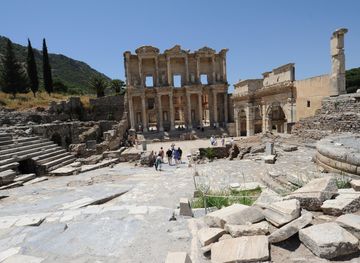
Explore more of Ionia
Discover the ancient wonders and stunning landscapes of Ionia, Turkiye, a historical region that offers a unique blend of history, nature, and culinary delights.
Explore Ionia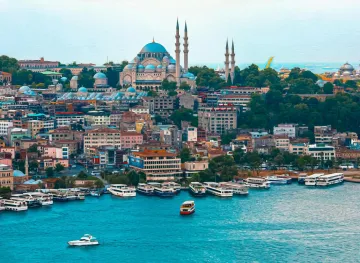
Explore more of Turkiye
Discover Turkiye: Where ancient history, stunning landscapes, and vibrant culture come together to create an unforgettable travel experience.
Explore Turkiye