

Didim Travel Guide - Free Web & App
Your ultimate guide to Didim. Discover top landmarks, proposed trips, and local tips. Free on the web or via the Evendo companion app.


Didim, Turkiye combines Aegean beaches, ancient Miletus and the Temple of Apollo with boat trips, seafood, coves and relaxed coastal holidays.
A Coastal Landscape of the Aegean
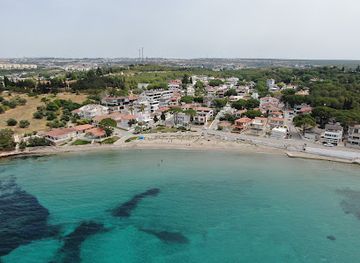
Didim occupies a peninsula on Türkiye’s Aegean coast, within Aydın Province, where low, dry hills meet a deeply indented shoreline. The resort centre is generally associated with Altınkum, a long sandy beach backed by promenades, apartments, restaurants and seasonal entertainment, while the wider district includes quieter coves, olive groves, villages and open coastal landscapes. Clear water, warm summers and a maze of small bays make the area popular for swimming, boat excursions and relaxed seaside holidays, although conditions and facilities vary between beaches.Read more about Didim
Ancient Didyma and Ionian Heritage
Beaches, Villages and Slow Evenings
When is the best time to visit Didim?
Best: April, October–November · 25–29°C| Month | High (°C) | Rainfall (mm) |
|---|---|---|
| January | 16 | 95 |
| February | 16 | 86 |
| March | 20 | 76 |
| April (best) | 25 | 65 |
| May | 30 | 56 |
| June | 35 | 46 |
| July | 38 | 35 |
| August | 38 | 41 |
| September | 35 | 46 |
| October (best) | 29 | 56 |
| November (best) | 25 | 65 |
| December | 20 | 76 |
Getting to and around Didim
How to get there
Transportation
Best attractions in Didim
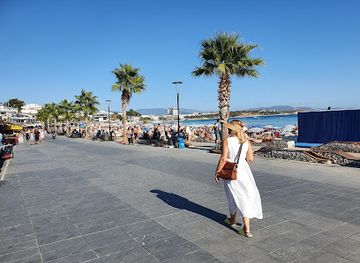
Altınkum is Didim’s principal seaside attraction, with a broad sandy beach, a busy promenade and easy access to swimming, cafés and seasonal waterside activities. The Temple of Apollo at Didyma is the district’s outstanding archaeological sight, where colossal columns, carved stone and the remains of the sanctuary reveal the ambition of the ancient oracle. Inland near Balat, Miletus spreads across an extensive archaeological landscape centred on its large theatre and the remains of a major Ionian city. Akbük provides a contrasting coastal setting with a sheltered bay, waterfront dining and access to quieter surroundings. Around the peninsula, smaller beaches and coves offer alternatives to the busiest resort frontage, while boat excursions provide views of the coastline and opportunities for swimming where conditions and operators permit. The rural roads between these places pass olive-growing landscapes and villages, giving visitors a sense of Didim beyond its developed holiday strip.
-
Tourist attraction
Altinkum Beach
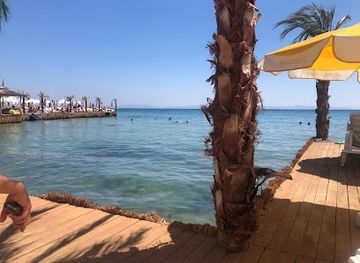
Experience the vibrant atmosphere and stunning natural beauty of Altinkum Beach in Didim, your perfect sun-soaked getaway on the Aegean coast.
-
Market
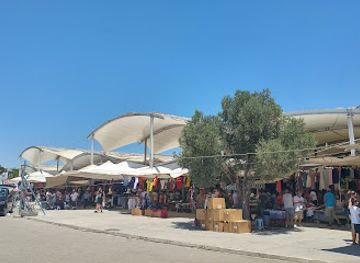
Didim Market Area
Explore the bustling Didim Market Area for an authentic Turkish shopping experience filled with local flavors, crafts, and vibrant culture.
-
National reserve
Rabbit Nose National Park
Discover the breathtaking landscapes and diverse wildlife of Rabbit Nose National Park, a national reserve perfect for nature lovers and outdoor enthusiasts.
-
Tourist attraction
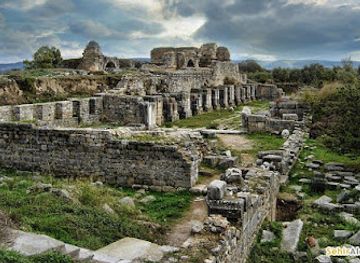
Didyma
Discover the wonders of Didyma, an ancient oracle of Apollo, where monumental ruins and serene landscapes await your exploration in Turkey.
Best landmarks in Didim
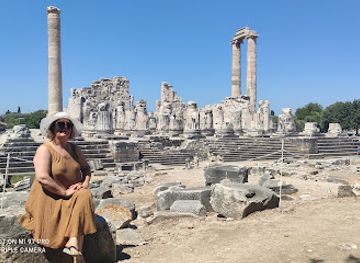
The Temple of Apollo at Didyma is Didim’s defining landmark, recognised by its monumental scale, surviving columns and the carefully worked stone of its unfinished Hellenistic sanctuary. Its importance lies not only in the ruins themselves but also in the oracle and sacred connection with Miletus. Miletus, near Balat, is a major archaeological landmark of the district, with its immense theatre and remains that testify to the city’s commercial, intellectual and maritime influence. Altınkum’s long beach represents the modern resort identity of Didim, while the broad bay and waterfront of Akbük express the district’s more settled coastal character. The peninsula’s coves, low hills and olive landscapes form a natural group of landmarks rather than a single monument, linking contemporary seaside life with the ancient Meander region behind the coast.
-
Historical place
Temple of Apollo
Explore the ancient wonders of the Temple of Apollo in Didim, a historical marvel that showcases Greek architecture and offers insights into ancient spirituality.
-
Historical place
Didyma
Explore Didyma, an ancient site in Turkey known for its magnificent Temple of Apollo and rich historical significance, offering a journey through time.
-
Tourist attraction
Didim Saat Kulesi
Discover Didim Saat Kulesi, a historic clock tower that embodies the rich heritage and vibrant culture of Didim, Turkey.
Explore Didim on the map
Plan your trip on one map. See where the top attractions, landmarks, restaurants and hotels are, and book hotels and experiences in a few clicks.
Best hotels in Didim
Best restaurants in Didim
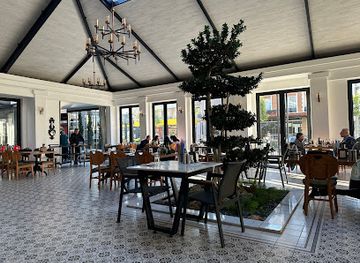
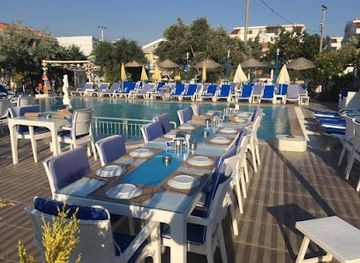
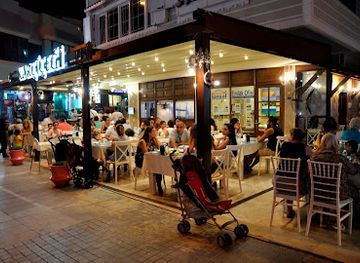
Didim’s food scene reflects the Aegean preference for olive oil, fresh vegetables, herbs, pulses, grilled fish and simple seafood dishes. Restaurants and cafés are concentrated around Altınkum, the town centre and the marina, where visitors can find Turkish breakfasts, meze, pide, kebabs and familiar international menus alongside locally influenced cooking. Akbük’s waterfront is another useful area for fish restaurants and relaxed meals, although individual opening patterns can be seasonal. Village establishments and small lokantas offer a more everyday experience, with dishes such as gözleme, stuffed vegetables and soups depending on the kitchen and time of day. Local markets are useful for fruit, vegetables, olives and other provisions for self-catering accommodation. In summer, the most popular seafront areas become busy, while quieter inland restaurants tend to provide a more unhurried setting.
-
Meat
Köşe Et Restaurant
Discover Köşe Et Restaurant in Didim – A haven for meat lovers offering exquisite flavors and delightful dining experiences.
-
Restaurant
Mavi Kitchen & Bar
Experience exquisite Turkish cuisine at Mavi Kitchen & Bar in Didim—where local flavors meet modern dining.
-
Restaurant
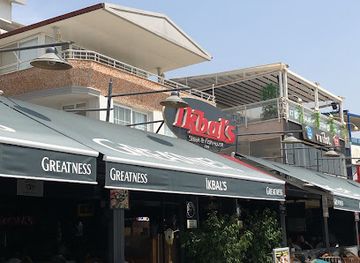
ikbal's restaurant
Experience authentic Turkish flavors at Ikbal's Restaurant in Didim - where culinary tradition meets modern comfort.
-
Turkish
Karcicegi Restaurant
Discover authentic Turkish cuisine at Karcicegi Restaurant in Didim - where every dish tells a story.
Best bars in Didim
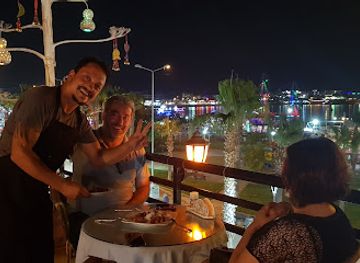
Didim’s evening life is concentrated in Altınkum rather than spread throughout the wider district. The seafront and nearby resort streets contain seasonal bars, cafés and venues aimed at holiday visitors, with music and late-night activity varying considerably between summer and the quieter months. The marina and central town provide additional places for an evening drink, while Akbük generally has a calmer waterfront atmosphere built around restaurants, cafés and bars rather than large clubs. Outside these settlements, nightlife is limited and evenings are shaped more by hotel dining, village hospitality and the quiet of the coast. Visitors should distinguish between the busy resort strip and the rural areas around Miletus and the Temple of Apollo, where there is little evening entertainment and facilities are not designed for late-night visits.
-
Bar
Eflatun Bar
Experience the vibrant nightlife at Eflatun Bar in Didim, where live music and a lively atmosphere create unforgettable moments.
-
Bar
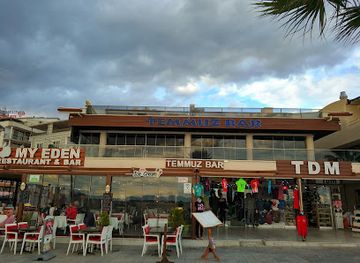
Temmuz Bar
Experience the vibrant nightlife of Didim at Temmuz Bar, where cocktails and good vibes flow until the early hours of the morning.
-
Restaurant
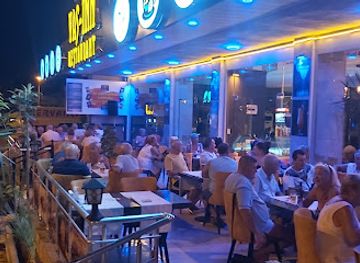
U2 Leon Cafe Bar Didim
Experience the vibrant flavors of Didim at U2 Leon Cafe Bar, where local and European cuisine come together in a welcoming atmosphere.
-
Bar
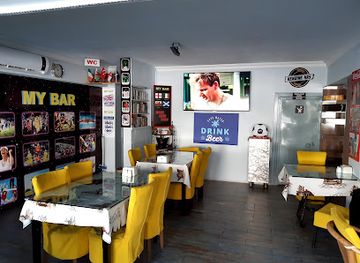
Mybar
Experience the vibrant nightlife at Mybar in Didim, where local flavors meet lively entertainment for an unforgettable evening.
Best nightclubs in Didim
Didim’s evening life is concentrated in Altınkum rather than spread throughout the wider district. The seafront and nearby resort streets contain seasonal bars, cafés and venues aimed at holiday visitors, with music and late-night activity varying considerably between summer and the quieter months. The marina and central town provide additional places for an evening drink, while Akbük generally has a calmer waterfront atmosphere built around restaurants, cafés and bars rather than large clubs. Outside these settlements, nightlife is limited and evenings are shaped more by hotel dining, village hospitality and the quiet of the coast. Visitors should distinguish between the busy resort strip and the rural areas around Miletus and the Temple of Apollo, where there is little evening entertainment and facilities are not designed for late-night visits.
-
Night club
Sensation Nightclub & Beach Club
Experience the pulse of Didim at Sensation Nightclub & Beach Club, where vibrant parties and stunning beachfront views create unforgettable memories.
-
Night club
Club Medusa & Beach Club
Dive into the electrifying nightlife of Didim at Club Medusa & Beach Club, where music and beach vibes create unforgettable moments.
-
Disco club
Öküz Beach Club Didim
Experience the electrifying nightlife at Öküz Beach Club in Didim, where dancing under the stars meets the beauty of the Aegean coast.
-
Entertainment
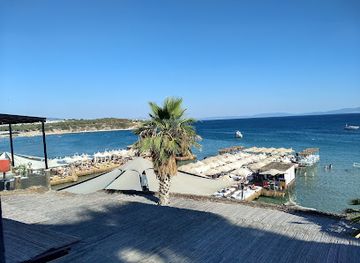
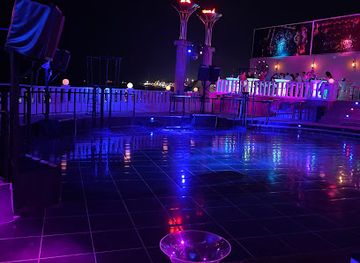
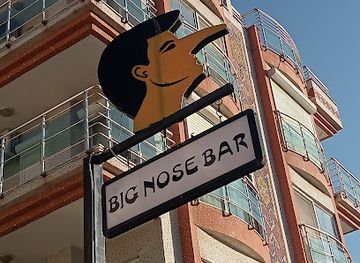
Big Nose Bar
Discover the vibrant nightlife at Big Nose Bar in Didim, where lively entertainment, refreshing drinks, and great company await.
Best shops in Didim
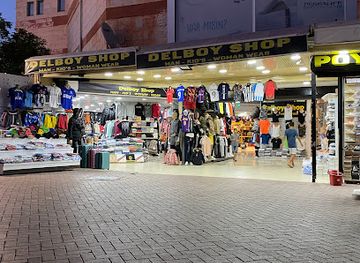
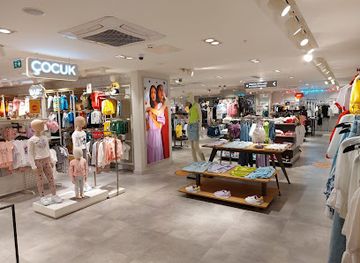
Shopping in Didim is centred on practical holiday retail, food products and small independent businesses rather than a major metropolitan commercial scene. Altınkum and the town centre contain shops selling beachwear, clothing, leather goods, souvenirs and everyday supplies, while supermarkets serve the many self-catering apartments around the resort. Weekly markets in Didim and nearby settlements are useful for seasonal fruit and vegetables, olives, spices, textiles and household goods, though market days and locations should be confirmed locally. Visitors may also find regional products such as olive oil, honey and dried herbs through food shops or village producers. Akbük has a smaller retail scene focused on residents and visitors. Traditional crafts and souvenirs vary by seller, so inspect quality and provenance carefully rather than assuming that every item is locally made.
-
Clothing store
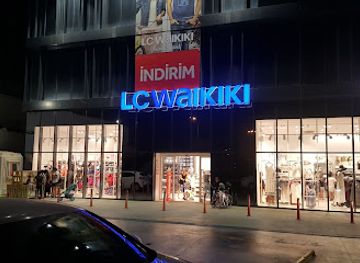
LC Waikiki
Experience trendy shopping at LC Waikiki in Didim, where fashion meets affordability in a vibrant atmosphere for all ages.
-
Stores and shopping
Didim Shopping Center
Explore Didim Shopping Center for an unforgettable shopping experience featuring diverse stores, delightful dining, and a vibrant atmosphere.
-
Clothing store
Koton
Discover modern fashion at Koton in Didim, offering a wide range of stylish apparel and accessories for every occasion.
-
Aquarium shop
didim petshop
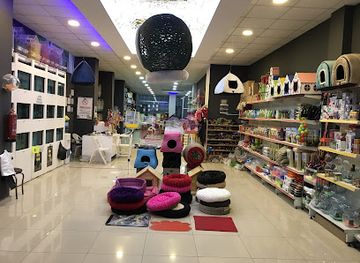
Explore a vibrant aquatic paradise at Didim Petshop, offering exotic fish, plants, and essential accessories for all aquarium enthusiasts.
Get your free copy of our complete guide to Didim, delivered straight to you.
Everything on this page, from attractions and restaurants to essentials and local phrases, in one PDF you can read offline, print or share.
Already have an account? Sign in
Your Didim guide is ready.
We'll send it to · Not you? Sign out

Getting your guide ready…
We are putting together a fresh copy of the Didim guide. This can take up to a minute.
This can take a few moments. If your browser asks, choose Allow so the download can start. You'll find the guide in your Downloads folder.
Nothing happened? Download it again
Sorry, the guide is taking longer than usual. Please try again in a minute, or get it by email instead.
Didim essentials
Currency and Payment
Safety
Emergency Situations
Do's and Don'ts
Local Tips
From Eve
Local phrases worth knowing
You don't need to get them perfect. A few words go a long way, and locals appreciate the effort.
Basics
| English | Local | Say it |
|---|---|---|
| Hello | Merhaba | [Mer-ha-ba] |
| Goodbye | Hoşçakal | [Hosh-cha-kal] |
| Yes | Evet | [Eh-vet] |
| No | Hayır | [Ha-yur] |
| Please/You're welcome | Lütfen | [Loot-fen] |
| Thank you | Teşekkür ederim | [Te-shek-kur ed-er-im] |
| Excuse me/Sorry | Özür dilerim | [O-zur di-le-rim] |
| How are you? | Nasılsınız? | [Na-sul-sun-uz] |
| Fine. And you? | İyiyim. Ya siz? | [Ee-yee-yim. Ya siz?] |
| Do you speak English? | İngilizce konuşuyor musunuz? | [Ing-i-liz-je ko-noo-shu-yor mus-un-uz] |
| I don't understand | Anlamıyorum | [An-la-muh-yor-um] |
Eating & Drinking
| English | Local | Say it |
|---|---|---|
| I'd like to see the menu, please | Menüyü görmek istiyorum, lütfen | [Men-oo-yu gor-mek is-tee-yor-um, loot-fen] |
| I don't eat meat | Et yemem | [Et ye-mem] |
| Cheers! | Şerefe! | [She-re-fe] |
| I would like to pay, please | Ödemek istiyorum, lütfen | [O-de-mek is-tee-yor-um, loot-fen] |
Emergencies
| English | Local | Say it |
|---|---|---|
| Help! | Yardım! | [Yar-dum] |
| Go away! | Uzaklaş! | [Oo-zak-lash] |
| Call the Police! | Polisi ara! | [Po-lee-see a-ra] |
| Call a doctor! | Bir doktor çağırın! | [Beer dok-tor cha-geer-in] |
| I'm lost | Kayboldum | [Kai-bol-dum] |
| I'm ill | Hastayım | [Has-ta-yum] |
Shopping
| English | Local | Say it |
|---|---|---|
| I'd like to buy... | Satın almak istiyorum... | [Sat-un al-mak is-tee-yor-um] |
| I'm just looking | Sadece bakıyorum | [Sa-de-je ba-ku-yor-um] |
| How much is it? | Ne kadar? | [Ne ka-dar] |
| That's too expensive | Bu çok pahalı | [Bu chok pa-ha-luh] |
| Can you lower the price? | Fiyatı indirebilir misiniz? | [Fee-yat-uh in-di-re-bi-lir mis-in-iz] |
Time & Numbers
| English | Local | Say it |
|---|---|---|
| What time is it? | Saat kaç? | [Sa-at kach] |
| It's one o'clock | Saat bir | [Sa-at beer] |
| Half past (10) | Saat on buçuk | [Sa-at on boo-chuk] |
| Morning | Sabah | [Sa-bah] |
| Afternoon | Öğleden sonra | [O-le-den af-te-ree] |
| Evening | Akşam | [Ak-sham] |
| Yesterday | Dün | [Doon] |
| Today | Bugün | [Boo-goon] |
| Tomorrow | Yarın | [Yar-uhn] |
| 1 | Bir | [Beer] |
| 2 | İki | [Ee-kee] |
| 3 | Üç | [Ooch] |
| 4 | Dört | [Durt] |
| 5 | Beş | [Besh] |
| 6 | Altı | [Al-tuh] |
| 7 | Yedi | [Yeh-dee] |
| 8 | Sekiz | [Se-kiz] |
| 9 | Dokuz | [Do-kuz] |
| 10 | On | [On] |
Transport & Directions
| English | Local | Say it |
|---|---|---|
| Where's a/the...? | ...nerede? | [Neh-reh-deh] |
| What's the address? | Adres nedir? | [Ad-res neh-deer] |
| Can you show me (on the map)? | (Haritada) gösterebilir misiniz? | [(Ha-ree-ta-da) gos-te-re-bi-lir mis-in-iz] |
| When's the next (bus)? | Sonraki (otobüs) ne zaman? | [Son-ra-kee (o-to-bus) neh za-man] |
| A ticket (to ....) | Bir bilet (....'ye) | [Beer bee-let ('ye)] |
History of Didim
The Formation of an Aegean Peninsula
Didim’s landscape belongs to the wider Aegean zone shaped by tectonic movement, uplift and the changing courses of rivers flowing towards the sea. The nearby Büyük Menderes, known in antiquity as the Maeander, created a fertile plain and influenced the position of settlements and harbours over time. Coastal inlets, low hills and sheltered bays helped form the maritime setting in which the ancient cities of Miletus and Didyma developed. These geological and geographical processes are distinct from the later human history of the district, but they explain why the region became both an agricultural hinterland and an important coastal corridor.
Didyma and the Ionian World
The sanctuary at Didyma was associated with Apollo and became one of the most renowned oracular centres of the ancient Greek world. Its sacred road connected the sanctuary with Miletus, the powerful Ionian city that controlled the surrounding area during antiquity. An earlier temple stood at the site before the great Hellenistic rebuilding programme, begun after the campaigns of Alexander the Great. The later Temple of Apollo was planned on an extraordinary scale, with a monumental approach, a forest of columns and an inner sacred area, but it was never fully completed. Its surviving ruins remain the central historical symbol of Didim.
Miletus and the Meander Coast
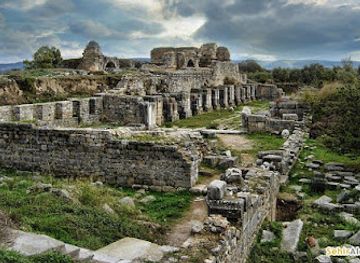
Miletus prospered as a maritime and commercial city, although changes to the Meander’s course gradually altered its relationship with the sea. The city was associated with philosophers and scientists of the Milesian school, including Thales, Anaximander and Anaximenes, and it played an influential role in Greek colonisation around the Black Sea. Its theatre, civic remains and harbour-related landscape illustrate the scale of urban life in the ancient region. Miletus lies within modern Didim district near Balat, making it a particularly important complement to the sanctuary at Didyma.
Byzantine and Ottoman Landscapes
After the ancient cities declined, the region’s settlement pattern changed as political power, trade routes and coastal conditions shifted. Byzantine communities continued to use parts of the wider Aegean landscape, while later Turkish rule brought new rural, agricultural and maritime connections. Villages, olive cultivation and small-scale coastal activity became more important than the monumental urban centres of antiquity. The district’s modern identity reflects this layered past: ancient stones stand alongside later village life, agricultural land and the expanding seaside settlements that developed around the coast during the twentieth century.
From Village Coast to Resort District
Modern Didim grew from a relatively small rural and coastal settlement into a major holiday destination, particularly as domestic and international tourism expanded along the Aegean shore. Altınkum became the principal resort area, with accommodation, restaurants and leisure facilities concentrated around its beaches. Roads and regional transport links made the archaeological sites and neighbouring coastal communities more accessible, while Akbük developed as another visitor base. Tourism now coexists with olive groves, fishing activity and the protection of ancient monuments, requiring careful management of development, water use and the heavily visited summer coastline.
Didim in Photos
Browse through our photo collection highlighting the charm and character of the destination.
Neighbouring destination travel guides
The closest destinations to Didim, if you have time for more than one.
-

-

-

-

-


Swipe for more destinations
Explore more

Explore more of Caria
Discover Caria in Turkiye, an ancient region filled with historic ruins, charming villages, and stunning natural landscapes perfect for history buffs and nature lovers alike.
Explore Caria
Explore more of Turkiye
Discover Turkiye: Where ancient history, stunning landscapes, and vibrant culture come together to create an unforgettable travel experience.
Explore Turkiye