

Araklı (Trabzon) Travel Guide - Free
Explore Araklı in Trabzon with Evendo's free guide. Find the best shops, historic streets, restaurants, and gems on web or mobile.


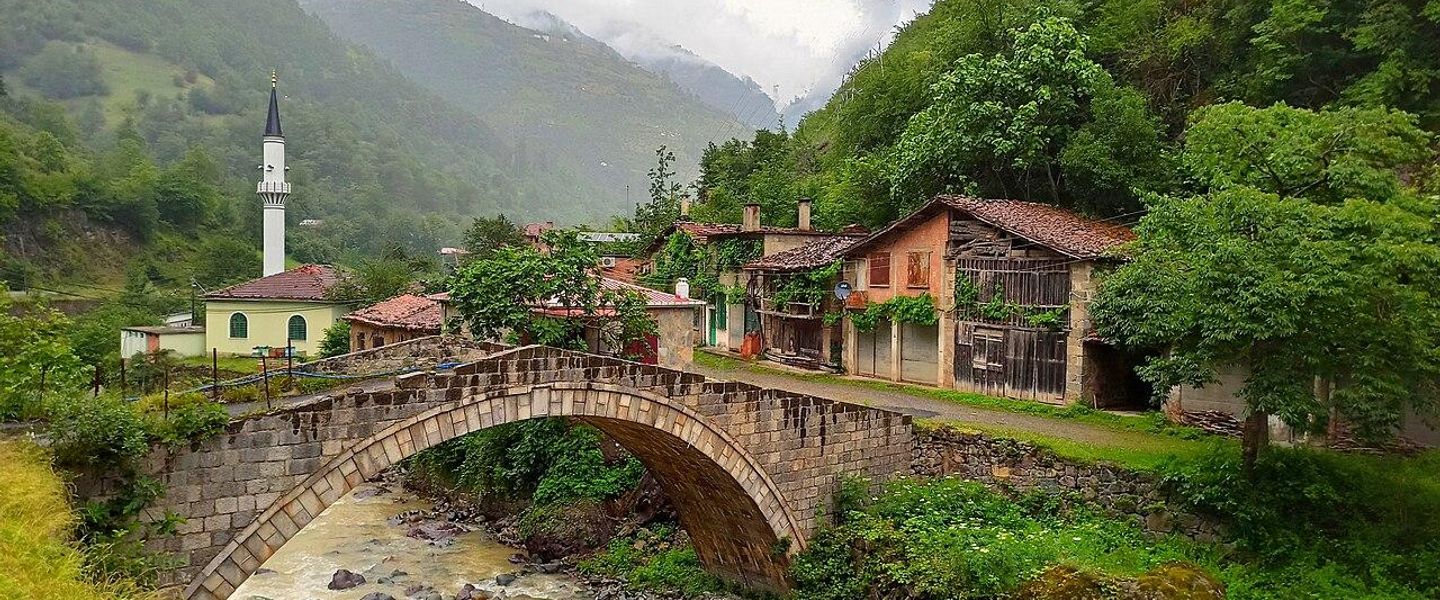


Araklı in Trabzon pairs Black Sea coastlines, tea gardens, local food and forested valleys with easy access to Pazarcık and eastern Türkiye.
Coastal Setting and Local Character
Araklı is a small coastal district east of Trabzon, where the Black Sea meets a narrow, heavily cultivated strip of land and wooded valleys rising towards the Pontic Mountains. It is better understood as a local town and district centre than as a conventional urban neighbourhood, and its character is shaped by everyday commerce, agriculture, fishing, family life and movement along the coastal highway. The town lies between Sürmene and Of, with Trabzon city centre to the west, making it a useful base for exploring the eastern Trabzon coast without the intensity of a large urban centre.Read more about Araklı
Sea, Streams and Mountain Valleys
Everyday Trabzon Culture
Best attractions in Araklı
Araklı's attractions are chiefly landscape-based and local in scale. The compact town centre offers a glimpse of everyday eastern Trabzon life, with tea gardens, small shops and streets shaped by the coastal road and the Araklı stream. Along the shore, visitors can pause for Black Sea views and observe the meeting of road, settlement and sea, while inland routes lead through tea plantations, hazelnut gardens, villages and wooded valleys. The Pazarcık area is the district's strongest natural draw, valued for its cool mountain setting, flowing water and forest scenery rather than for a dense collection of monuments. Short stops at village viewpoints and stream valleys can be rewarding, but roads may be narrow and weather-dependent. Araklı works best as a place to experience the eastern Trabzon landscape in transition from coast to mountain, rather than as a conventional sightseeing circuit.
-
Nature preserve
Araklı Os Falls
Explore the enchanting Araklı Os Falls, a stunning nature preserve in Trabzon, showcasing majestic waterfalls and lush landscapes for nature lovers.
38 min drive · 18 km from neighbourhood centre
-
Park
Araklı belediyesi sahil oturma ve piknik alanı
Discover tranquility at Araklı Belediyesi Sahil Oturma ve Piknik Alanı, where stunning coastal views and lush greenery create the perfect picnic escape.
4 min walk · 0.4 km from neighbourhood centre
-
Fortress
Kalecik Kalesi
Explore Kalecik Kalesi, a historic fortress in Trabzon, where breathtaking views and rich history intertwine for an unforgettable experience.
9 min drive · 3.1 km from neighbourhood centre
-
Tourist attraction
Os Şelalesi
Discover the breathtaking beauty of Os İsalalesi, a serene tourist attraction in Trabzon, where nature and tranquility unite in perfect harmony.
38 min drive · 18 km from neighbourhood centre


Best landmarks in Araklı
Araklı's most meaningful landmarks are tied to its setting and civic identity rather than to a single monumental building. The coastal road and the stream crossings help explain the town's linear form, while the Black Sea shore remains its most immediate geographical marker. In the centre, the district's mosque, municipal and public-service buildings represent the everyday institutions around which local life is organised, although they are not generally presented as a formal monument circuit. Inland, village mosques, timber-and-masonry homes, tea plantations and traditional agricultural landscapes provide a more dispersed architectural record. Pazarcık's woodland and watercourses are natural landmarks of the district, showing how strongly Araklı's identity is connected to its valleys. Because development and infrastructure have altered sections of the coast, the most revealing landmarks are often viewed together: road, settlement, stream, slope and sea in a narrow eastern Black Sea landscape.
-
Nature preserve
Araklı Os Falls
Explore the breathtaking Araklı Os Falls, a serene nature preserve in Trabzon, perfect for nature lovers and adventure seekers alike.
38 min drive · 18 km from neighbourhood centre
-
Park
Araklı belediyesi sahil oturma ve piknik alanı
Experience the serene beauty of Araklı Belediyesi Sahil, a picturesque coastal park in Trabzon, perfect for relaxation, picnics, and breathtaking views of the Black Sea.
4 min walk · 0.4 km from neighbourhood centre
-
Fortress
Kalecik Kalesi
Explore Kalecik Kalesi, a captivating fortress in Trabzon, where history meets breathtaking views amidst Turkey's beautiful landscapes.
9 min drive · 3.1 km from neighbourhood centre
-
Mosque
Konakönü Cami
Discover the architectural beauty and spiritual serenity of Konakönü Cami in Trabzon, where history and culture come alive.
5 min drive · 1.7 km from neighbourhood centre


Explore Araklı on the map
A handpicked selection of must-see spots in Araklı, mapped for you.
Best hotels in Araklı
Best restaurants in Araklı
Araklı's dining scene is modest, local and closely connected to Trabzon's Black Sea cuisine. Restaurants and simple eateries in the town serve familiar regional flavours, including corn-based dishes, seasonal greens, beans, dairy products, bread, anchovies and other fish when available. Tea is central to the rhythm of the day, appearing in cafés, bakeries and tea gardens where residents meet and talk. Inland villages add a more rural context, with food traditions linked to household gardens, tea cultivation and preserved produce. Visitors should expect straightforward cooking rather than a large concentration of destination restaurants, and opening times may be seasonal or informal outside the central area. Asking locally about the day's fish or a nearby family-run eatery is often more useful than seeking a fixed culinary district. The most distinctive food experience is the connection between the table and the surrounding coast, plantations and mountain farms.
-
Chophouse restaurant
Devran Lokantası
Discover authentic Turkish flavors at Devran Lokantası in Araklı - where every meal tells a story.
2 min walk · 0.2 km from neighbourhood centre
-
Restaurant
Alibaba Lokantası
Savor authentic Turkish dishes at Alibaba Lokantası in Araklı – where tradition meets flavor in every bite.
2 min walk · 0.1 km from neighbourhood centre
-
Meat
Hancı Et Cafe Restaurant Arakli
Discover the rich flavors of Turkish cuisine at Hancı Et Cafe Restaurant Arakli - a meat lover's dream in Trabzon.
2 min walk · 0.2 km from neighbourhood centre
-
Restaurant
Atakoç Restaurant
Discover authentic Turkish flavors at Atakoç Restaurant in Trabzon – where tradition meets taste amidst stunning scenery.
15 min walk · 1.2 km from neighbourhood centre


Best bars in Araklı
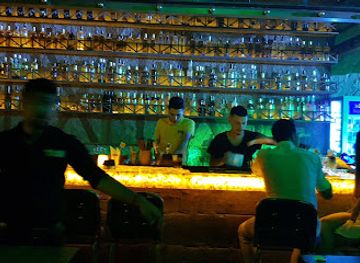
Araklı has a quiet evening character rather than a developed club scene. After sunset, social life is centred on tea gardens, cafés, family restaurants and informal gatherings, with residents spending time over tea and conversation rather than moving between late-night venues. The coastal road remains active, but many inland and residential areas become calm, particularly outside the summer season. Visitors looking for large bars, nightclubs or regular live-music programming will find a wider choice in Trabzon city and should treat those venues as a separate excursion. In Araklı, an evening walk near the centre or coast, followed by tea or a simple meal, better reflects local routines. Alcohol availability varies by establishment, and respectful, low-key behaviour is appropriate around family-oriented venues and homes.
-
Cafe
Arakale Restaurant & Cafe
Discover the flavors of Trabzon at Arakale Restaurant & Cafe, a perfect spot for breakfast lovers seeking authentic local cuisine.
9 min drive · 3.0 km from neighbourhood centre
-
Hotel
Royal Comfort Hotel
Experience unparalleled comfort and luxury at the Royal Comfort Hotel, your perfect retreat in the heart of Trabzon, Turkey.
12 min walk · 1.0 km from neighbourhood centre
-
Chophouse restaurant
Devran Lokantası
Discover the authentic flavors of Trabzon at Devran Lokantası, a top-rated chophouse restaurant in Araklı with a warm ambiance and delicious local cuisine.
2 min walk · 0.2 km from neighbourhood centre
-
Cafe
Cafe Moonlight Konakönü
Experience the charm of Cafe Moonlight, where delicious cuisine meets breathtaking sea views in the heart of Trabzon.
5 min drive · 1.8 km from neighbourhood centre


Best nightclubs in Araklı
Araklı has a quiet evening character rather than a developed club scene. After sunset, social life is centred on tea gardens, cafés, family restaurants and informal gatherings, with residents spending time over tea and conversation rather than moving between late-night venues. The coastal road remains active, but many inland and residential areas become calm, particularly outside the summer season. Visitors looking for large bars, nightclubs or regular live-music programming will find a wider choice in Trabzon city and should treat those venues as a separate excursion. In Araklı, an evening walk near the centre or coast, followed by tea or a simple meal, better reflects local routines. Alcohol availability varies by establishment, and respectful, low-key behaviour is appropriate around family-oriented venues and homes.
-
Night club
MONO Trabzon
Discover the heart of Trabzon's nightlife at MONO, where vibrant music and an energetic atmosphere await to make your night unforgettable.
40 min drive · 20 km from neighbourhood centre
-
Restaurant
Hancı Et ızgara köfte
Savor the authentic flavors of Turkish cuisine at Hancı Et ızgara köfte, specializing in kofta and grilled meats in Araklı, Trabzon.
2 min walk · 0.2 km from neighbourhood centre
-
 Night club
Vanes Dinlenme Tesisleri
Experience the vibrant nightlife of Trabzon at Vanes Dinlenme Tesisleri, where music, dance, and culture come alive in an unforgettable atmosphere.
40 min drive · 20 km from neighbourhood centre
-
Night club
Zebanin Yeri
Discover the electrifying nightlife at Zebanin Yeri, Yomra's premier night club, where every night promises unforgettable music and dancing.
43 min drive · 23 km from neighbourhood centre

Best shops in Araklı
Shopping in Araklı is practical and locally oriented, with small food shops, bakeries, pharmacies, household businesses and cafés serving residents rather than a concentrated tourist retail quarter. Visitors can look for regional tea, honey, hazelnuts, seasonal produce and packaged Black Sea foods, although stock varies between businesses and seasons. The central streets are the best place to browse ordinary provisions and observe the district's daily commercial rhythm. Village roads may lead to small agricultural producers, but these are not formal markets and visitors should ask before entering private premises or purchasing directly from farms. Araklı does not have the extensive craft, vintage or luxury shopping associated with larger city districts; its appeal lies in buying useful local produce and seeing how a coastal town supports the surrounding agricultural valleys. Trabzon's larger markets and specialist shops offer a broader retail selection elsewhere in the city.
-
Gift shop
Tuba Kırtasiye Japon Pazarı
Explore Tuba Kırtasiye Japon Pazarı in Araklı for unique gifts and exquisite stationery that celebrate Japanese craftsmanship.
2 min walk · 0.2 km from neighbourhood centre
-
Tobacco shop
Gudi Tobacco Shop
Explore Gudi Tobacco Shop in Araklı for a unique taste of local tobacco culture and quality products, a must-visit for any traveler in Trabzon.
1 min walk · 0.1 km from neighbourhood centre
-
Tobacco shop
Hünkar Nargile
Discover the charm of Hünkar Nargile, a cultural hub in Araklı, where high-quality tobacco meets authentic Turkish hospitality.
3 min walk · 0.2 km from neighbourhood centre
-
Clothing store
NATURAL KONFEKSİYON
Explore NATURAL KONFEKSİYON, a unique clothing store in Araklı, Trabzon, where fashion meets local culture and style.
2 min walk · 0.1 km from neighbourhood centre


Araklı essentials
Getting There
Getting Around
Safety
Emergency Situations
Do's and Don'ts
Local Tips

From Eve
Local phrases worth knowing
You don't need to get them perfect. A few words go a long way, and locals appreciate the effort.
Basics
| English | Local | Say it |
|---|---|---|
| Hello | Merhaba | [Mer-ha-ba] |
| Goodbye | Hoşçakal | [Hosh-cha-kal] |
| Yes | Evet | [Ev-et] |
| No | Hayır | [Ha-yer] |
| Please/You're welcome | Lütfen | [Loot-fen] |
| Thank you | Teşekkür ederim | [Te-shek-ker ed-er-im] |
| Excuse me/Sorry | Özür dilerim | [O-zoor dee-le-rim] |
| How are you? | Nasılsınız? | [Na-sul-sun-uz] |
| Fine. And you? | İyiyim. Ya siz? | [Ee-yee-yim. Ya siz?] |
| Do you speak English? | İngilizce konuşuyor musunuz? | [Ing-ee-leez-je ko-noo-shu-yor moos-un-uz] |
| I don't understand | Anlamıyorum | [An-la-mi-yor-um] |
Eating & Drinking
| English | Local | Say it |
|---|---|---|
| I'd like to see the menu, please | Menüyü görmek istiyorum, lütfen | [Men-ue-yu germ-ek is-tee-yor-um, loot-fen] |
| I don't eat meat | Et yemem | [Et ye-mem] |
| Cheers! | Şerefe! | [She-re-fe] |
| I would like to pay, please | Ödemek istiyorum, lütfen | [O-de-mek is-tee-yor-um, loot-fen] |
Emergencies
| English | Local | Say it |
|---|---|---|
| Help! | Yardım edin! | [Yar-dum ed-een] |
| Go away! | Uzaklaşın! | [Oo-zak-la-shun] |
| Call the Police! | Polisi arayın! | [Po-lee-see a-ry-un] |
| Call a doctor! | Doktor çağırın! | [Dok-tor cha-ee-run] |
| I'm lost | Kayboldum | [Kai-bol-dum] |
| I'm ill | Hasta oldum | [Has-ta ol-dum] |
Shopping
| English | Local | Say it |
|---|---|---|
| I'd like to buy... | Satın almak istiyorum... | [Sat-un al-mak is-tee-yor-um] |
| I'm just looking | Sadece bakıyorum | [Sa-de-je ba-ku-yor-um] |
| How much is it? | Ne kadar? | [Ne ka-dar] |
| That's too expensive | Çok pahalı | [Chok pa-ha-luh] |
| Can you lower the price? | Fiyatı indirebilir misiniz? | [Fee-yat-uh in-de-re-bee-leer mees-ee-neez] |
Time & Numbers
| English | Local | Say it |
|---|---|---|
| What time is it? | Saat kaç? | [Sa-at kach] |
| It's one o'clock | Saat bir | [Sa-at beer] |
| Half past (10) | Saat on buçuk | [Sa-at on boo-chuk] |
| Morning | Sabah | [Sa-bah] |
| Afternoon | Öğleden sonra | [O-le-den af-ter-na] |
| Evening | Akşam | [Ak-sham] |
| Yesterday | Dün | [Dun] |
| Today | Bugün | [Boo-gun] |
| Tomorrow | Yarın | [Ya-run] |
| 1 | Bir | [Beer] |
| 2 | İki | [Ee-kee] |
| 3 | Üç | [Ooch] |
| 4 | Dört | [Durt] |
| 5 | Beş | [Besh] |
| 6 | Altı | [Al-tuh] |
| 7 | Yedi | [Ye-dee] |
| 8 | Sekiz | [Se-keez] |
| 9 | Dokuz | [Do-kooz] |
| 10 | On | [On] |
Transport & Directions
| English | Local | Say it |
|---|---|---|
| Where's a/the...? | ... nerede? | [... ner-e-de] |
| What's the address? | Adres ne? | [Ad-res ne] |
| Can you show me (on the map)? | (Haritada) gösterebilir misiniz? | [(Ha-ree-ta-da) go-steh-re-bee-leer mees-ee-neez] |
| When's the next (bus)? | Bir sonraki (otobüs) ne zaman? | [Beer son-ra-kee (o-to-boo-s) ne za-man] |
| A ticket (to ....) | Bir bilet (....'e) | [Beer bee-let (....'e)] |
History of Araklı
A Coastal Corridor in the Eastern Black Sea
Araklı developed within the long-settled coastal corridor linking Trabzon with the districts and ports farther east. The narrow shore and river mouths provided the most practical points for settlement, while steep valleys led inland towards pasture, woodland and scattered agricultural communities. As elsewhere along the eastern Black Sea, daily life combined maritime connections with small-scale farming on difficult terrain. The surrounding landscape was never separated neatly into town and countryside: coastal commerce, village production and seasonal movement between lowland and upland formed a connected local economy.
From Imperial District to Modern Town
The area was administered within the changing political and provincial structures of the Ottoman and later Turkish state, with local settlements linked to the larger administrative and commercial centre of Trabzon. In the Republican period, Araklı became an independent district, and its centre expanded as public services, roads, schools and municipal institutions were established. The town's growth remained constrained by the sea to the north and mountains to the south, producing a linear settlement pattern in which the coastal route and the stream valleys shaped movement and development.
Roads, Agriculture and Contemporary Change
Modern road improvements strengthened Araklı's connection with Trabzon, Sürmene and Of, while also changing the relationship between the coast and the inland villages. Tea cultivation, hazelnut growing, fishing, construction and service work have all contributed to the district's economy, alongside commuting and family networks extending beyond the town. As coastal development increased, roads, retaining walls and new buildings altered parts of the shoreline, while upland areas retained a more rural character. Today Araklı's identity rests on this balance between a working coastal centre, agricultural valleys and access to the wider eastern Black Sea region.
Araklı in Photos
Browse through our photo collection highlighting the charm and character of the destination.
Neighbourhoods near Araklı
The closest neighbourhoods to Araklı, if you have time for more than one stop.
-

-
-

-


Swipe for more neighbourhoods
Explore more
Explore more of Trabzon
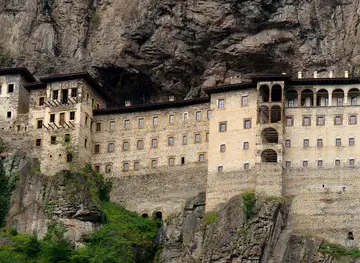
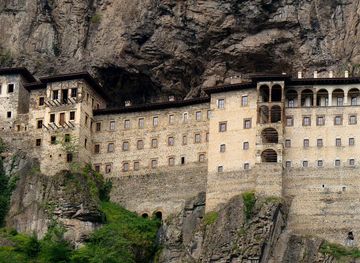
Trabzon blends Black Sea scenery, Byzantine and Ottoman heritage, Sumela Monastery excursions, regional cuisine and lively local culture in northeastern Turkiye.
Explore Trabzon