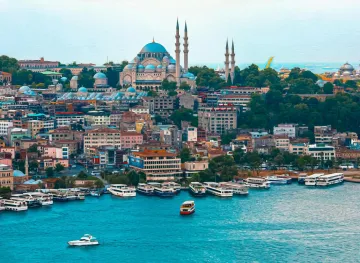
Free Trabzon Travel Guide & Mobile App
Plan your Trabzon trip with Evendo. Get free guides to top attractions, restaurants, hotels, and bars. Web access or download the mobile app.


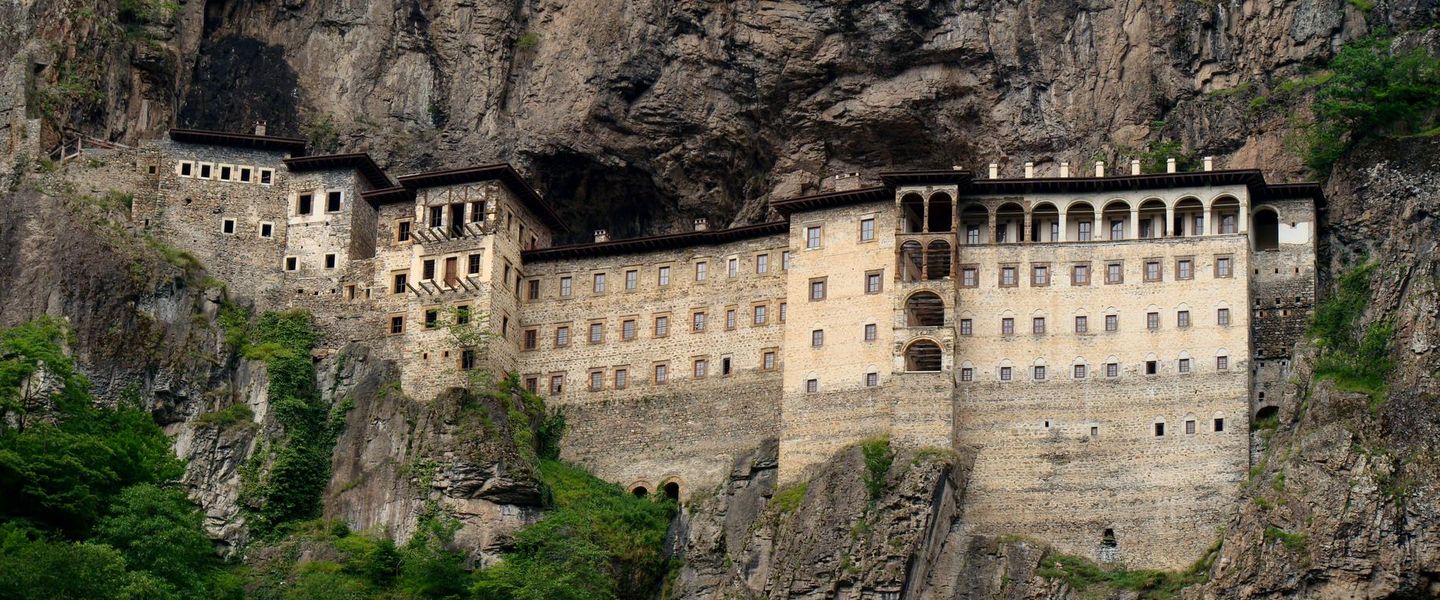


Trabzon blends Black Sea scenery, Byzantine and Ottoman heritage, Sumela Monastery excursions, regional cuisine and lively local culture in northeastern Turkiye.
A Black Sea City of Layers
Trabzon stretches along Türkiye’s eastern Black Sea coast, where steep wooded hills rise behind a dense urban shoreline. Its position between Anatolia, the Caucasus and the wider Black Sea world made it a commercial and cultural meeting point for centuries. Today, the city combines busy avenues and apartment districts with old stone walls, Ottoman mosques, Byzantine churches and viewpoints overlooking the water. Ortahisar, the historic core, is the natural starting point for understanding this layered city, while the waterfront and Boztepe show how strongly Trabzon’s identity remains tied to its coastal setting.Read more about Trabzon
Imperial Heritage and Living Culture
Mountains, Tea and the Coast
When is the best time to visit Trabzon?
Best: June, August–September · 25–28°C| Month | High (°C) | Rainfall (mm) |
|---|---|---|
| January | 13 | 120 |
| February | 13 | 110 |
| March | 14 | 100 |
| April | 16 | 90 |
| May | 21 | 80 |
| June (best) | 25 | 70 |
| July | 29 | 60 |
| August (best) | 28 | 70 |
| September (best) | 25 | 80 |
| October | 20 | 90 |
| November | 15 | 100 |
| December | 13 | 110 |
Getting to and around Trabzon
How to get there
Transportation
Best attractions in Trabzon
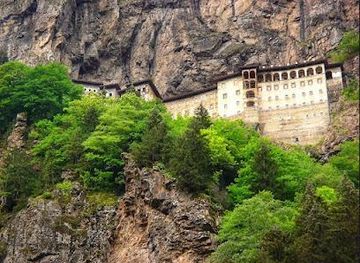
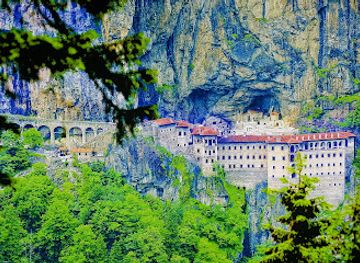
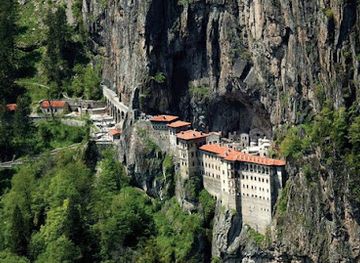
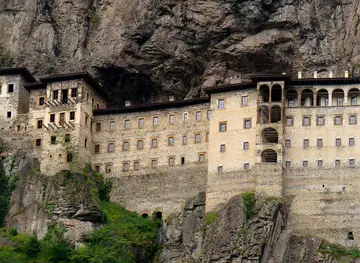
Trabzon’s principal sightseeing begins in Ortahisar, where fragments of the old city walls and the historic urban fabric lead towards Hagia Sophia Mosque, a former Byzantine church known for its medieval architecture and surviving decorative programme. The Atatürk Mansion, set amid landscaped grounds above the city, offers a glimpse of early republican-era public memory and domestic grandeur. Boztepe provides a high viewpoint over the rooftops, harbour and Black Sea, while the Trabzon Museum occupies a historic mansion containing archaeological and ethnographic material. The waterfront and coastal recreation areas present a more contemporary side of the city, with open views and busy local life. Outside the urban area, the forested Altındere Valley and Sumela Monastery form one of the province’s most significant excursions; they should be treated as a separate mountain journey rather than as attractions within Trabzon itself.
-
Park
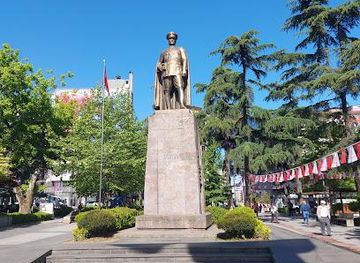
Trabzon Square Park
Explore Trabzon Square Park, a lush urban oasis in Ortahisar, perfect for relaxation, picnics, and soaking in local culture amidst vibrant nature.
9 min walk · 0.7 km from city centre
-
Museum
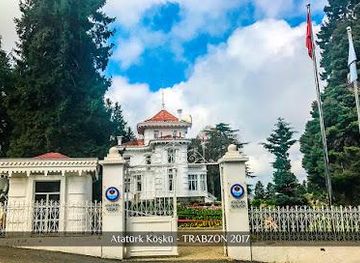
Atatürk Pavilion
Explore the historic Atatürk Pavilion, a serene museum in Trabzon, showcasing Turkey's rich heritage amidst stunning gardens and scenic views.
10 min drive · 3.5 km from city centre
-
Monastery
Sümela Monastery
Discover the breathtaking Sümela Monastery, a hidden gem in the Altındere Valley, blending rich history with stunning natural beauty.
55 min drive · 35 km from city centre
-
Park
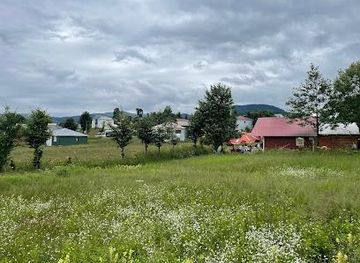
Hıdırnebi Yaylası
Explore Hıdırnebi Yaylası: A breathtaking destination in Trabzon, perfect for hiking, picnics, and immersing in the beauty of nature.
45 min drive · 25 km from city centre
Best landmarks in Trabzon
Hagia Sophia Mosque is Trabzon’s most important surviving Byzantine monument, with a substantial medieval structure and traces of painted decoration that reflect the artistic culture of the Empire of Trebizond. Trabzon Castle is not a single intact fortress but a sequence of walls and defensive remains extending through the historic centre, revealing the city’s elevated and strategically protected layout. Gülbahar Hatun Mosque, built for the mother of Ottoman Sultan Selim I, represents the city’s later Ottoman architectural history and stands near landscaped public grounds. Atatürk Mansion, a distinguished early twentieth-century residence on the hillside, is associated with the memory of Mustafa Kemal Atatürk’s visits. The Zağnos Paşa Bridge and surrounding old-city remains add further evidence of Ottoman urban development, while Boztepe functions as a cultural viewpoint as much as a scenic one.
-
Park
Trabzon Square Park
Explore the serene beauty of Trabzon Square Park, a lush oasis in Ortahisar perfect for relaxation and cultural experiences.
9 min walk · 0.7 km from city centre
-
 Museum
Atatürk Pavilion
Experience the captivating history and stunning beauty of Atatürk Pavilion, a must-visit museum nestled in the heart of Trabzon, Turkey.
10 min drive · 3.5 km from city centre
-
Monastery
Sümela Monastery
Discover the breathtaking Sümela Monastery, a historical gem nestled in the Altındere Valley, offering stunning views and rich Byzantine heritage.
55 min drive · 35 km from city centre
-
National park
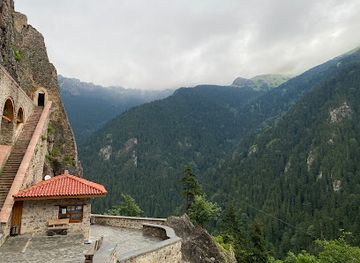
Altindere Valley National Park
Experience the natural beauty and adventure at Altindere Valley National Park, a stunning destination in Trabzon, Turkey, perfect for nature lovers.
55 min drive · 35 km from city centre
Explore Trabzon on the map
Plan your Trabzon trip on one map. See where the top attractions, landmarks, restaurants, bars and hotels are, find what's near where you're staying, and book hotels and experiences in a few clicks.
Neighbourhoods in Trabzon
-

-

-
-

-


Swipe for more neighbourhoods
Best hotels in Trabzon
Best restaurants in Trabzon
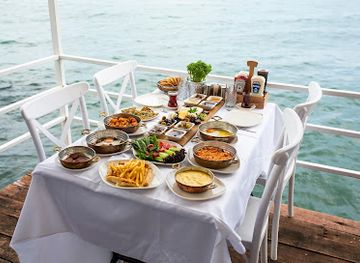
Trabzon’s food culture is shaped by the Black Sea, pastoral uplands and fertile coastal gardens. Hamsi, the small anchovy central to regional cooking, appears fried, baked or incorporated into rice and other home-style dishes. Kuymak, also called mıhlama, combines cornmeal with melting cheese and butter, while kara lahana dishes, cornbread and beans reflect the region’s cool, wet agricultural environment. Akçaabat köfte, associated with the nearby town of Akçaabat, is widely found in Trabzon and is typically served in straightforward grill restaurants. Pide, fresh fish and seasonal vegetable dishes are common across the city. Meydan and surrounding central streets contain cafés, bakeries and family-run eateries, while markets reveal local cheeses, honey, hazelnuts and pickled produce. Tea is part of everyday hospitality, often served throughout the day rather than treated as a formal dessert drink.
-
Fish store
Bordo Mavi Balık-Erşan Yılmaz
Discover Bordo Mavi Balık in Ortahisar - where fresh seafood meets stunning views and traditional flavors.
5 min drive · 1.6 km from city centre
-
Restaurant
Cemilusta
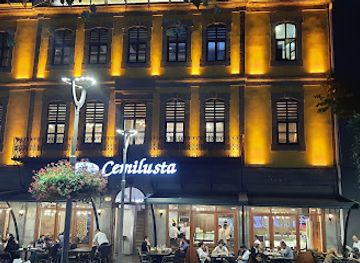
Discover Cemilusta in Trabzon - where authentic Turkish flavors meet modern dining in an inviting atmosphere perfect for families and special gatherings.
10 min walk · 0.8 km from city centre
-
Restaurant
Tarihi Kalkanoğlu Pilavı
Experience authentic Turkish cuisine at Tarihi Kalkanoğlu Pilavı in Trabzon, specializing in exquisite pilaf dishes crafted from generations-old recipes.
5 min walk · 0.4 km from city centre
-
Restaurant
Ahmet's Restaurant & Cafe
Discover authentic Turkish flavors at Ahmet's Restaurant & Cafe in Trabzon – where every meal is a celebration of local cuisine.
23 min drive · 7.8 km from city centre

Best bars in Trabzon
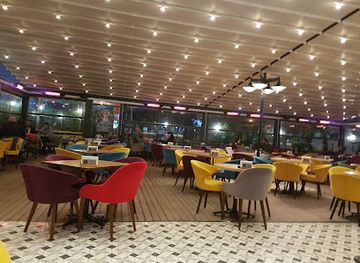
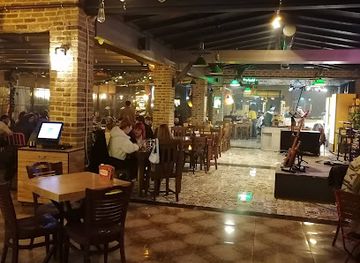
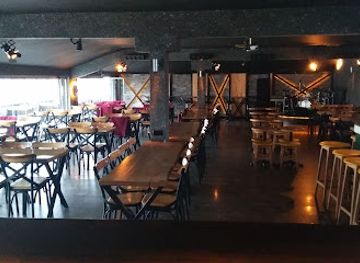
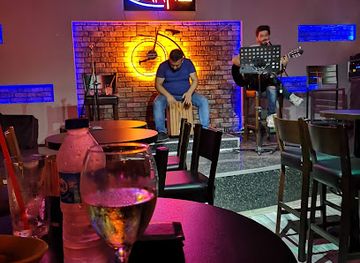
Trabzon’s evenings are generally social and relaxed rather than centred on a large club scene. Central streets around Meydan contain cafés, tea houses and restaurants where residents meet after work, while venues in the city and along the coast may offer live music or late dining without adopting a resort-town atmosphere. Tea houses provide an important alcohol-free setting for conversation and games, and football is often followed with particular enthusiasm. Bars and licensed venues exist, but opening patterns and the character of nightlife vary, so expectations should remain modest outside the central districts. Evening walks along the waterfront and viewpoints from the hills can be more representative of local leisure than nightclubs. During religious periods or local observances, social rhythms may change, and visitors should show discretion around mosques and other religious spaces.
-
Pub
Big Yellow Taxi Benzin Cafe
Discover the unique blend of cafe and pub at Big Yellow Taxi Benzin Cafe, a cozy spot in Trabzon serving delicious local cuisine and drinks.
10 min drive · 3.4 km from city centre
-
Bar
The Big Table Cafe
Discover the vibrant atmosphere and delightful flavors at The Big Table Cafe, a top destination for food and live music in Ortahisar.
10 min drive · 3.4 km from city centre
-
Bar
Barikat Cafe Bar
Discover the vibrant atmosphere of Barikat Cafe Bar in Trabzon, offering delightful drinks and delectable bites in a stylish setting.
8 min walk · 0.6 km from city centre
-
Bar
Sahne Bar
Experience the lively atmosphere of Sahne Bar, Trabzon's premier spot for vibrant nightlife and local beverages.
3 min walk · 0.2 km from city centre
Best nightclubs in Trabzon
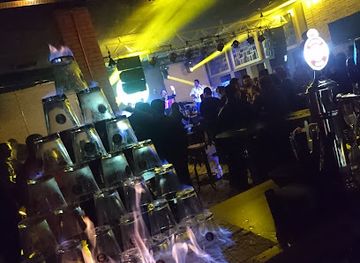
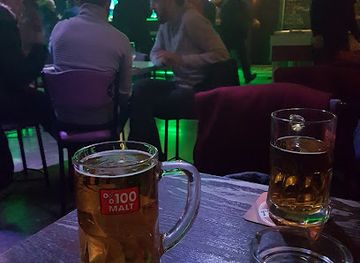
Trabzon’s evenings are generally social and relaxed rather than centred on a large club scene. Central streets around Meydan contain cafés, tea houses and restaurants where residents meet after work, while venues in the city and along the coast may offer live music or late dining without adopting a resort-town atmosphere. Tea houses provide an important alcohol-free setting for conversation and games, and football is often followed with particular enthusiasm. Bars and licensed venues exist, but opening patterns and the character of nightlife vary, so expectations should remain modest outside the central districts. Evening walks along the waterfront and viewpoints from the hills can be more representative of local leisure than nightclubs. During religious periods or local observances, social rhythms may change, and visitors should show discretion around mosques and other religious spaces.
-
Pub
Big Yellow Taxi Benzin Cafe
Discover the lively atmosphere and delightful offerings at Big Yellow Taxi Benzin Cafe in Trabzon, where locals and tourists come together to enjoy great food and music.
10 min drive · 3.4 km from city centre
-
Bar
Barikat Cafe Bar
Experience Trabzon's vibrant nightlife at Barikat Cafe Bar, where local flavors meet a lively atmosphere.
8 min walk · 0.6 km from city centre
-
Bar
Sahne Bar
Experience Trabzon's vibrant nightlife at Sahne Bar, where live music and lively atmosphere create unforgettable memories.
3 min walk · 0.2 km from city centre
-
Event planner
Elis Kaftan
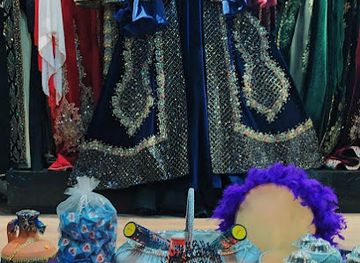
Discover the elegance of event planning at Elis Kaftan in Trabzon, where every occasion is crafted with care and creativity.
2 min walk · 0.1 km from city centre

Best shops in Trabzon
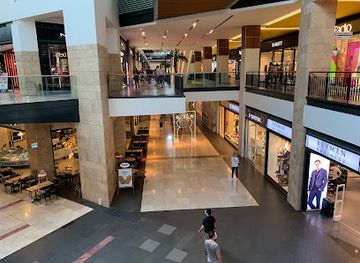
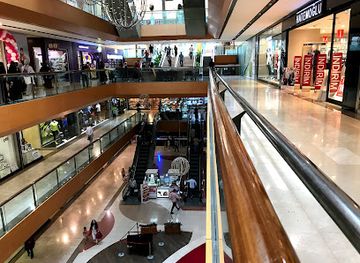
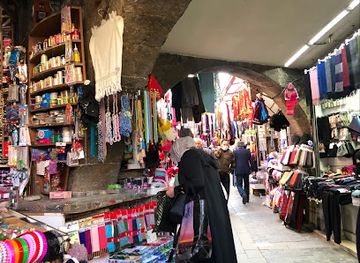
Shopping in Trabzon combines ordinary Turkish high-street commerce with products rooted in the eastern Black Sea region. Central streets around Meydan and Kunduracılar offer clothing, footwear, household goods, jewellery and small specialist shops, while the marketplace area is useful for observing everyday trade rather than browsing a purpose-built tourist bazaar. Regional foods make practical souvenirs: hazelnuts, local honey, tea, dried produce and packaged specialities are widely associated with the province. Visitors may also encounter handmade textiles, woven goods and traditional metalwork, although quality and provenance vary between sellers. Shopping centres provide a more modern retail environment beyond the historic core, while small bakeries and food shops are better for fresh local items. The best purchases tend to be durable regional products with clear labelling, rather than generic souvenirs presented as exclusively Trabzon-made.
-
Shopping mall
Forum Trabzon Shopping Center
Explore Forum Trabzon Shopping Center for a perfect blend of shopping, dining, and entertainment in the heart of Trabzon.
10 min drive · 3.2 km from city centre
-
Shopping mall
RUBENIS Alışveriş Ve Yaşam Merkezi
Discover RUBENIS Alışveriş Ve Yaşam Merkezi, Trabzon's premier shopping mall with a blend of shopping, dining, and entertainment options for everyone.
6 min walk · 0.5 km from city centre
-
Shopping mall
Kemeralti
Explore Kemeraltı, Trabzon's vibrant shopping mall, where culture, shopping, and culinary delights converge in a lively marketplace.
4 min walk · 0.3 km from city centre
-
Shopping mall
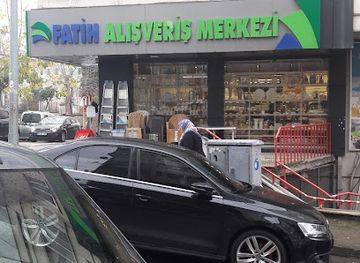
Fatih Alışveriş Merkezi
Discover shopping, dining, and entertainment at Fatih Alışveriş Merkezi, a key attraction in Trabzon where culture meets modern retail.
7 min drive · 2.4 km from city centre
Get your free copy of our complete guide to Trabzon, delivered straight to you.
Everything on this page, from attractions and restaurants to essentials and local phrases, in one PDF you can read offline, print or share.
Already have an account? Sign in
Your Trabzon guide is ready.
We'll send it to · Not you? Sign out

Getting your guide ready…
We are putting together a fresh copy of the Trabzon guide. This can take up to a minute.
This can take a few moments. If your browser asks, choose Allow so the download can start. You'll find the guide in your Downloads folder.
Nothing happened? Download it again
Sorry, the guide is taking longer than usual. Please try again in a minute, or get it by email instead.
Trabzon essentials
Currency and Payment
Safety
Emergency Situations
Do's and Don'ts
Local Tips
From Eve
Local phrases worth knowing
You don't need to get them perfect. A few words go a long way, and locals appreciate the effort.
Basics
| English | Local | Say it |
|---|---|---|
| Hello | Merhaba | [Mer-ha-ba] |
| Goodbye | Hoşça kal | [Hosh-cha kal] |
| Yes | Evet | [Eh-vet] |
| No | Hayır | [Ha-yuhr] |
| Please/You're welcome | Lütfen | [Loot-fen] |
| Thank you | Teşekkür ederim | [Te-she-koor ed-eh-rim] |
| Excuse me/Sorry | Özür dilerim | [O-zoor dee-leh-rim] |
| How are you? | Nasılsınız? | [Nah-suhl-suh-nuhz] |
| Fine. And you? | İyiyim. Ya siz? | [Ee-yee-yim. Yah siz] |
| Do you speak English? | İngilizce konuşuyor musunuz? | [Ing-ee-leez-je ko-noo-shu-yor moo-soo-nooz] |
| I don't understand | Anlamıyorum | [An-lah-muh-yor-um] |
Eating & Drinking
| English | Local | Say it |
|---|---|---|
| I'd like to see the menu, please | Menüyü görmek istiyorum, lütfen | [Men-ew-yu ger-mek is-tee-yo-room, loot-fen] |
| I don't eat meat | Et yemem | [Et yem-em] |
| Cheers! | Şerefe! | [She-re-fe] |
| I would like to pay, please | Ödemek istiyorum, lütfen | [O-de-mek is-tee-yo-room, loot-fen] |
Emergencies
| English | Local | Say it |
|---|---|---|
| Help! | Yardım! | [Yar-duhm] |
| Go away! | Uzaklaş! | [Oo-zak-laash] |
| Call the Police! | Polisi arayın! | [Po-lee-see ah-rah-yun] |
| Call a doctor! | Bir doktor çağırın! | [Beer dok-tor cha-ee-rin] |
| I'm lost | Kayboldum | [Kai-bol-doom] |
| I'm ill | Hastayım | [Has-tai-yum] |
Shopping
| English | Local | Say it |
|---|---|---|
| I'd like to buy... | ...almak istiyorum | [al-mak is-tee-yo-room] |
| I'm just looking | Sadece bakıyorum | [Sah-deh-je ba-ku-yo-room] |
| How much is it? | Kaç lira? | [Kach lee-rah] |
| That's too expensive | Bu çok pahalı | [Boo chok pa-ha-luh] |
| Can you lower the price? | Fiyatı indirebilir misiniz? | [Fee-yat-uh in-de-re-bil-ir mee-sin-iz] |
Time & Numbers
| English | Local | Say it |
|---|---|---|
| What time is it? | Saat kaç? | [Sa-at kach] |
| It's one o'clock | Saat bir | [Sa-at beer] |
| Half past (10) | (10) Buçuk | [(10) Boo-chuk] |
| Morning | Sabah | [Sah-bah] |
| Afternoon | Öğleden sonra | [O-lay-den ah-so-ra] |
| Evening | Akşam | [Ak-sham] |
| Yesterday | Dün | [Doon] |
| Today | Bugün | [Boo-goon] |
| Tomorrow | Yarın | [Yuh-run] |
| 1 | Bir | [Beer] |
| 2 | İki | [Ee-kee] |
| 3 | Üç | [Ooch] |
| 4 | Dört | [Durt] |
| 5 | Beş | [Besh] |
| 6 | Altı | [Al-tuh] |
| 7 | Yedi | [Yeh-dee] |
| 8 | Sekiz | [Seh-keez] |
| 9 | Dokuz | [Do-kooz] |
| 10 | On | [On] |
Transport & Directions
| English | Local | Say it |
|---|---|---|
| Where's a/the...? | ...nerede? | [ne-re-deh] |
| What's the address? | Adres nedir? | [Ad-res ne-deer] |
| Can you show me (on the map)? | (Haritada) gösterebilir misiniz? | [(Ha-ree-ta-da) ger-ste-re-bil-ir mee-sin-iz] |
| When's the next (bus)? | Bir sonraki (otobüs) ne zaman? | [Beer son-rah-kee (o-to-boo-s) ne za-man] |
| A ticket (to ....) | (....'a) bilet | [(...) bee-let] |
History of Trabzon
Greek Foundations at Trapezus
Trabzon began as Trapezus, a Greek settlement traditionally associated with colonists from Sinope during the eighth century BC. Its natural harbour and position on routes linking the Black Sea with the Anatolian interior gave it commercial importance from an early period. The surrounding terrain was difficult to cross, but the coast offered access towards the Caucasus and eastern Anatolia. Ancient writers knew Trapezus as a significant stopping point on Black Sea routes, and Xenophon described the settlement in his account of the retreat of the Ten Thousand in the fourth century BC. The city’s maritime orientation and role as an intermediary between coastal and inland regions remained central to its later development.
Roman Port and Byzantine Frontier
Trapezus came under Roman authority in the first century BC and later formed part of the eastern Roman, or Byzantine, world. Its harbour supported military and commercial links across the Black Sea, while the surrounding region served as a frontier zone between Constantinople’s sphere and powers to the east. Under Byzantine rule the city occupied a defensible position on the coast, strengthened by fortifications and connected to routes across the mountains. Christianity shaped its institutions and architecture, although much of the visible medieval fabric was rebuilt or altered in later centuries. The city’s strategic value increased as political control in Anatolia became more fragmented.
The Empire of Trebizond
After the Fourth Crusade captured Constantinople in 1204, Alexios Komnenos established the Empire of Trebizond with Trabzon as its capital. The state endured until 1461 and governed a changing territory along the eastern Black Sea and parts of northeastern Anatolia. Its rulers cultivated links with Georgia, Byzantine traditions and long-distance commerce, while the city benefited from trade between Persia, the Caucasus and the Black Sea. Hagia Sophia, now Hagia Sophia Mosque, belongs to this period and preserves important evidence of the empire’s religious and artistic culture. Trebizond’s importance also drew Genoese and Venetian merchants, whose commercial presence reflected the city’s international connections.
Ottoman Incorporation and Regional Trade
Ottoman forces under Sultan Mehmed II captured Trabzon in 1461, bringing the last major Byzantine successor state into the Ottoman realm. The city became an administrative and commercial centre on the empire’s eastern Black Sea coast. Ottoman mosques, religious foundations, markets and civic buildings gradually joined the earlier fortifications and churches, creating the mixed urban landscape still visible in parts of Ortahisar. Trabzon’s port handled regional trade and connected Anatolia with the Caucasus, Iran and Black Sea shipping routes. Its population included Muslim and Christian communities, as well as merchants and migrants whose presence contributed to the city’s varied social and cultural character.
War, Occupation and Republican Transformation
The late Ottoman period brought political upheaval and military pressure to the eastern Black Sea. Russian forces occupied Trabzon during the First World War from 1916 until 1918, after which the city returned to Ottoman control during the unsettled years preceding the Turkish Republic. The population exchanges and national transformations of the early twentieth century altered the region’s social composition profoundly. In the republican era Trabzon developed as a provincial capital, port and transport centre, while roads and modern construction expanded beyond the historic core. The city’s contemporary identity therefore reflects both the memory of its imperial past and the practical life of a modern Black Sea regional centre.
Travel experiences inspired by this city
-
 10 Day Trip
Family Trip to Trabzon: 10 Days of Black Sea Culture, Nature, and Food
Explore Trabzon with the family: lush Black Sea landscapes, Uzungöl and Sumela day trips, markets, and hearty cuisine—affordable, culture-rich, and kid-friendly.
10 Day Trip
Family Trip to Trabzon: 10 Days of Black Sea Culture, Nature, and Food
Explore Trabzon with the family: lush Black Sea landscapes, Uzungöl and Sumela day trips, markets, and hearty cuisine—affordable, culture-rich, and kid-friendly.
 20 Jul 2026
By Mohamed Ali -
 10 Day Trip
Family Adventure in Trabzon: Exploring the Heart of Turkey's Black Sea Region
Embark on a family adventure in Trabzon, exploring historical sites, savoring local cuisine, and enjoying the stunning landscapes of Turkey's Black Sea region.
10 Day Trip
Family Adventure in Trabzon: Exploring the Heart of Turkey's Black Sea Region
Embark on a family adventure in Trabzon, exploring historical sites, savoring local cuisine, and enjoying the stunning landscapes of Turkey's Black Sea region.
 10 Apr 2026
By Mohamed Ali
Swipe for more travel diaries
Trabzon in Photos
Browse through our photo collection highlighting the charm and character of the destination.
Cities near Trabzon
The closest cities to Trabzon, if you have time for more than one stop.
-

-

-

-

-


Swipe for more cities