

Free Kherson Travel Guide & Mobile App
Plan your Kherson trip with Evendo. Get free guides to top attractions, restaurants, hotels, and bars. Web access or download the mobile app.


Kherson, Ukraine, reveals Dnipro river landscapes, naval history, historic cathedrals and resilient civic culture amid an evolving wartime reality.
At the Dnipro’s Southern Gateway
Kherson stands on the broad lower reaches of the Dnipro, close to the estuary where the river opens towards the Black Sea. Founded in 1778 during the Russian Empire’s expansion towards the southern steppes, it developed as a naval, shipbuilding and trading centre. Its setting remains central to the city’s identity: low riverbanks, broad avenues and industrial waterfronts give Kherson a different character from Ukraine’s hillier inland cities.Read more about Kherson
Imperial Foundations and Civic Heritage
A City Living Through War
When is the best time to visit Kherson?
Best: May–June, September · 23–29°C| Month | High (°C) | Rainfall (mm) |
|---|---|---|
| January | 1 | 30 |
| February | 1 | 25 |
| March | 8 | 20 |
| April | 15 | 15 |
| May (best) | 23 | 15 |
| June (best) | 29 | 20 |
| July | 33 | 20 |
| August | 31 | 20 |
| September (best) | 24 | 20 |
| October | 17 | 25 |
| November | 10 | 30 |
| December | 4 | 30 |
Getting to and around Kherson
How to get there
Transportation
Best attractions in Kherson
Kherson’s principal attractions are concentrated around its historic centre and reflect the city’s military and river-port origins. The surviving earthworks and gates of the Kherson Fortress offer a tangible sense of the eighteenth-century settlement, while St Catherine’s Cathedral preserves one of the city’s most important imperial-era religious landmarks. The Kherson Regional Museum holds collections associated with the region’s archaeology, natural history and local past, although war conditions may affect access and the security of collections. The Kherson Regional Art Museum, housed in a historic building, represents the city’s artistic heritage but has also been affected by wartime events. Older streets, public squares and civic buildings reveal the layout of a planned southern city, while the Dnipro waterfront explains Kherson’s long relationship with shipping, agriculture and Black Sea trade. All sites require current verification before visiting.
-
Tourist attraction
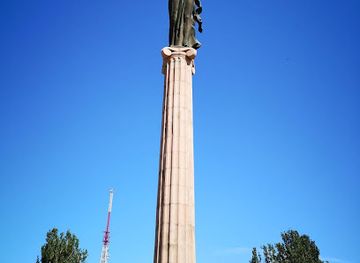
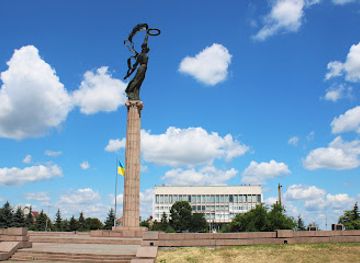
park Slavy
Explore Park Slavy in Kherson, a serene park offering lush greenery, beautiful landscapes, and a perfect escape from city life.
18 min walk · 1.5 km from city centre
-
Tourist attraction
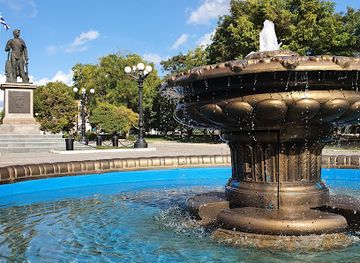
Potomkinskyi Garden Square
Experience the tranquil beauty of Potomkinskyi Garden Square, a serene escape in Kherson filled with lush gardens and vibrant local culture.
4 min walk · 0.4 km from city centre
-
Tourist attraction
The Oak
Experience the beauty of nature at The Oak, Kherson's serene park, perfect for relaxation, picnics, and outdoor activities.
6 min walk · 0.5 km from city centre
-
Tourist attraction
Kherson Regional Museum
Discover the captivating history and culture of Kherson at the Kherson Regional Museum, a must-visit destination for every traveler.
11 min walk · 0.9 km from city centre
Best landmarks in Kherson
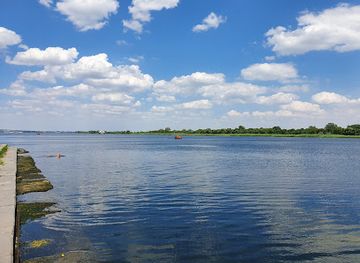
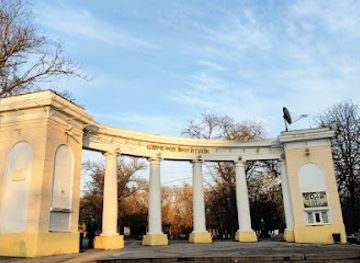
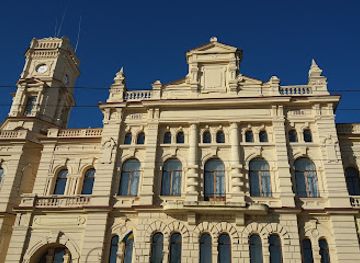
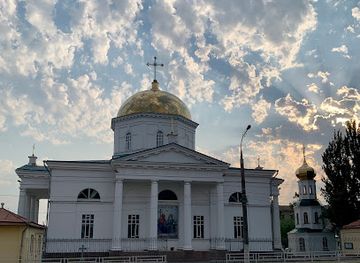
St Catherine’s Cathedral is Kherson’s most prominent surviving eighteenth-century landmark, built as part of the imperial foundation and associated with the city’s early military and administrative history. Nearby fortress remains and surviving defensive earthworks recall the planned stronghold established in 1778, although later urban development has obscured much of the original system. The Transfiguration Cathedral represents another important strand of Kherson’s religious architecture and civic history. Historic museums and former administrative buildings add to the central city’s architectural record, while older streets reveal the ordered layout of a planned port settlement. The Dnipro waterfront is itself a defining geographical landmark: it explains Kherson’s naval, shipbuilding and trading roles and connects the built city with southern Ukraine’s river landscape. War damage and restricted access mean that the condition of individual landmarks must be confirmed locally.
-
Park
park Slavy
Explore the serene beauty of Park Slavy in Kherson, where lush landscapes meet rich cultural heritage, perfect for relaxation and reflection.
18 min walk · 1.5 km from city centre
-
Market
Dniprovskyi Market
Discover the vibrant Dniprovskyi Market in Kherson, where local flavors, unique crafts, and authentic Ukrainian culture come to life.
10 min drive · 3.5 km from city centre
-
Memorial park
Eternal flame
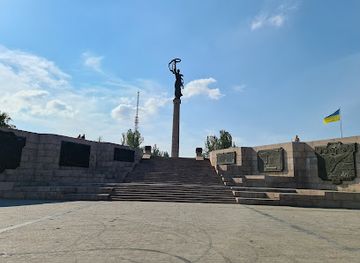
Explore the Eternal Flame in Kherson, a serene memorial park honoring the sacrifices of war heroes amidst beautiful gardens and solemn monuments.
17 min walk · 1.4 km from city centre
-
Russian Orthodox church
Svyatodukhivsʹkyy Sobor Rptsvu
Discover the enchanting Svyatodukhivsky Sobor, a stunning Russian Orthodox cathedral that embodies the rich spiritual and cultural heritage of Kherson, Ukraine.
9 min walk · 0.7 km from city centre
Explore Kherson on the map
Plan your Kherson trip on one map. See where the top attractions, landmarks, restaurants, bars and hotels are, find what's near where you're staying, and book hotels and experiences in a few clicks.
Best hotels in Kherson
Best restaurants in Kherson
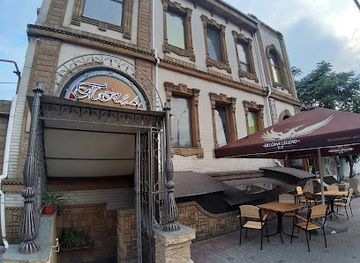
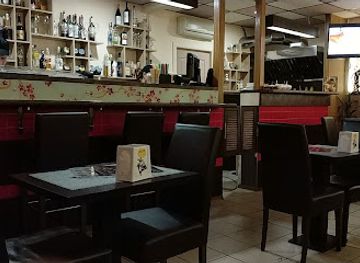
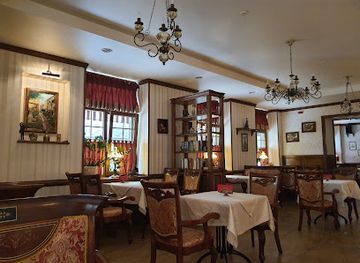
Kherson’s food culture belongs to southern Ukraine, where agricultural abundance, river fishing and Black Sea influences meet the everyday traditions of Ukrainian home cooking. Familiar dishes include borshch, varenyky, holubtsi and deruny, alongside fresh salads, pickled vegetables, bread and seasonal fruit from the fertile lower-Dnipro region. Fish and river produce have historically featured in local cooking, while melons, tomatoes, grapes and other crops are associated with the wider Kherson area. Before the war, the city combined traditional Ukrainian restaurants with cafés, bakeries, casual canteens and market shopping, and culinary life has since been reshaped by displacement and disruption. Food markets and functioning eateries may operate irregularly, so visitors should check local conditions rather than assume normal opening or supply patterns.
-
Pizza
Pitseriya Na Lenina
Experience authentic Italian flavors at Pitseriya Na Lenina in Kherson - where every slice tells a delicious story.
16 min walk · 1.3 km from city centre
-
Sushi
Aleksandr Sann
Discover a culinary oasis in Kherson at Aleksandr Sann, where sushi meets pizza in a vibrant atmosphere.
16 min walk · 1.3 km from city centre
-
European
Verona
Explore Verona in Kherson: A delightful European restaurant offering exquisite cuisine and aromatic coffee in a cozy atmosphere.
8 min walk · 0.6 km from city centre
-
Restaurant
Corbett
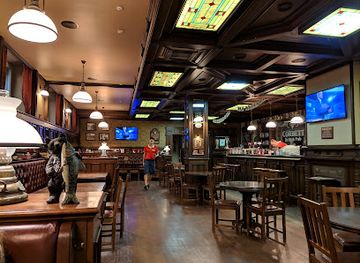
Experience the best of European cuisine at Corbett in Kherson - where delightful flavors meet a lively beer hall atmosphere.
6 min walk · 0.5 km from city centre
Best bars in Kherson
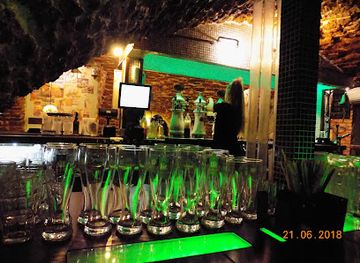
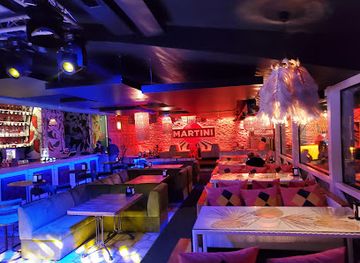
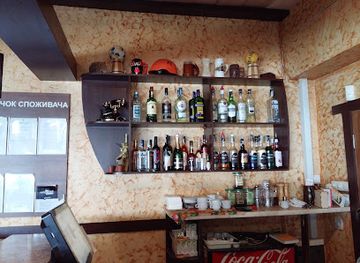
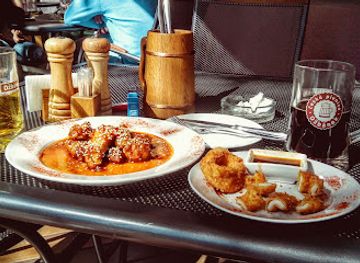
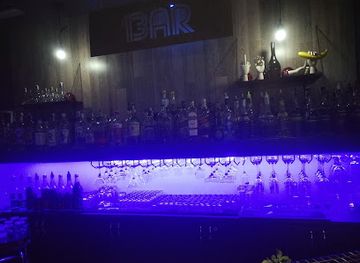
Kherson traditionally had a modest evening scene centred on cafés, restaurants, bars and cultural venues rather than a large club circuit. Social life before the full-scale invasion included informal gatherings, live music and evenings around the central streets, while the city’s theatres and cultural institutions provided alternatives to drinking-focused entertainment. The war has severely changed this pattern: nightlife may be limited, curtailed by curfews, interrupted by air-raid alerts or absent altogether in affected districts. Visitors should not expect a conventional club scene and should respect local restrictions, shelter guidance and the realities of a frontline-adjacent city. Any functioning venue, performance or café should be checked through current local information, with no assumption that pre-war listings remain valid.
-
Bar
Beer Bar
Immerse yourself in Kherson's nightlife at the Beer Bar, where a wide selection of beers meets a lively atmosphere and delicious bites.
6 min walk · 0.5 km from city centre
-
Bar
Zefir
Discover the vibrant nightlife of Kherson at Zefir, where delicious drinks meet an electric atmosphere in a stylish bar setting.
10 min drive · 3.3 km from city centre
-
Bar
I'll Call You Back
Discover the vibrant atmosphere of I'll Call You Back, a must-visit bar in Kherson, where refreshing drinks and a lively crowd await.
11 min drive · 3.5 km from city centre
-
Pub
Dzbanek
Discover the heart of Kherson at Dzbanek Pub, where local flavors and warm hospitality come together in a cozy setting.
10 min walk · 0.8 km from city centre
Best nightclubs in Kherson
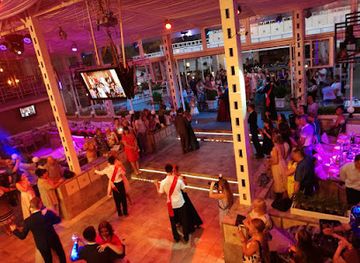
Kherson traditionally had a modest evening scene centred on cafés, restaurants, bars and cultural venues rather than a large club circuit. Social life before the full-scale invasion included informal gatherings, live music and evenings around the central streets, while the city’s theatres and cultural institutions provided alternatives to drinking-focused entertainment. The war has severely changed this pattern: nightlife may be limited, curtailed by curfews, interrupted by air-raid alerts or absent altogether in affected districts. Visitors should not expect a conventional club scene and should respect local restrictions, shelter guidance and the realities of a frontline-adjacent city. Any functioning venue, performance or café should be checked through current local information, with no assumption that pre-war listings remain valid.
-
Disco club
Фламинго
Dive into Kherson's nightlife at Фламинго, a vibrant disco club offering electrifying music and a lively atmosphere for all party enthusiasts.
7 min walk · 0.6 km from city centre
-
Night club
ШADE
Discover the ultimate nightlife experience at ШADE in Kherson, where exquisite dining meets electrifying entertainment in a vibrant setting.
10 min drive · 3.4 km from city centre
-
Night club
Amigo
Discover the lively nightlife of Kherson at Amigo, a night club that guarantees unforgettable dance and entertainment experiences.
9 min drive · 3.0 km from city centre
-
Night club
Old Street Hall
Experience the vibrant nightlife of Kherson at Old Street Hall, where great drinks, music, and hookah await in a lively atmosphere.
6 min walk · 0.4 km from city centre


Best shops in Kherson
Kherson’s traditional shopping culture has been tied to agricultural markets, everyday neighbourhood commerce and produce from the lower-Dnipro region rather than to a large luxury retail sector. Before the war, central streets offered small shops, cafés, bakeries and practical services, while open markets connected residents with seasonal fruit, vegetables, preserved foods and household goods. Regional products associated with the wider Kherson area include melons, tomatoes, grapes and other farm produce, although supply and availability have been disrupted by occupation, flooding, land contamination and continuing hostilities. Visitors should buy only from functioning, authorised businesses and avoid photographing market infrastructure or sensitive locations. Shops, markets and payment systems may open irregularly, so current local information is more reliable than older travel listings.
-
Park
park Slavy
Experience the beauty and tranquility of Park Slavy, a lush green haven in Kherson perfect for relaxation and family fun.
18 min walk · 1.5 km from city centre
-
Supermarket
АТБ-Маркет
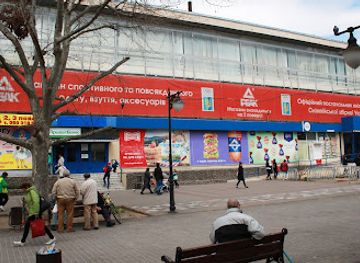
Discover a vibrant shopping experience at ATB-Market, where local and international flavors meet in the heart of Kherson.
6 min walk · 0.5 km from city centre
-
Shopping mall
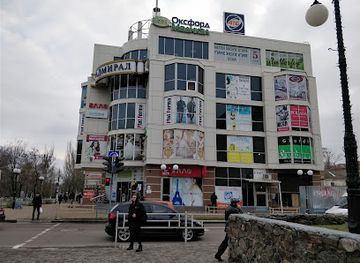
Tts Admiral
Explore Tts Admiral in Kherson - your go-to shopping destination for retail therapy, dining, and family fun in one vibrant location.
1 min walk · 0.1 km from city centre
-
Coffee shop
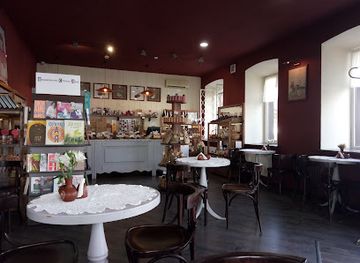
Lviv Handmade Chocolate
Indulge in exquisite handcrafted chocolates and gourmet coffee at Lviv Handmade Chocolate, a must-visit destination in Kherson for sweet lovers.
1 min walk · 0.1 km from city centre
Get your free copy of our complete guide to Kherson, delivered straight to you.
Everything on this page, from attractions and restaurants to essentials and local phrases, in one PDF you can read offline, print or share.
Already have an account? Sign in
Your Kherson guide is ready.
We'll send it to · Not you? Sign out

Getting your guide ready…
We are putting together a fresh copy of the Kherson guide. This can take up to a minute.
This can take a few moments. If your browser asks, choose Allow so the download can start. You'll find the guide in your Downloads folder.
Nothing happened? Download it again
Sorry, the guide is taking longer than usual. Please try again in a minute, or get it by email instead.
Kherson essentials
Currency and Payment
Safety
Emergency Situations
Do's and Don'ts
Local Tips
From Eve
Local phrases worth knowing
You don't need to get them perfect. A few words go a long way, and locals appreciate the effort.
Basics
| English | Local | Say it |
|---|---|---|
| Hello | Привіт | [Privit] |
| Goodbye | До побачення | [Do pobachennya] |
| Yes | Так | [Tak] |
| No | Ні | [Ni] |
| Please/You're welcome | Будь ласка | [Bud laska] |
| Thank you | Дякую | [Dyakuyu] |
| Excuse me/Sorry | Вибачте | [Vybachte] |
| How are you? | Як справи? | [Yak spravy?] |
| Fine. And you? | Добре. А ви? | [Dobre. A vy?] |
| Do you speak English? | Ви говорите англійською? | [Vy hovoryte anhliysʹkoyu?] |
| I don't understand | Я не розумію | [Ya ne rozumiyu] |
Eating & Drinking
| English | Local | Say it |
|---|---|---|
| I'd like to see the menu, please | Я б хотів подивитися меню, будь ласка | [Ya b hotiv podyvytysya menyu, bud laska] |
| I don't eat meat | Я не їм м'ясо | [Ya ne yim m'yaso] |
| Cheers! | На здоров'я! | [Na zdorov'ya!] |
| I would like to pay, please | Я б хотів заплатити, будь ласка | [Ya b hotiv zaplatyty, bud laska] |
Emergencies
| English | Local | Say it |
|---|---|---|
| Help! | Допоможіть! | [Dopomozhitʹ!] |
| Go away! | Піди геть! | [Pidi hetʹ!] |
| Call the Police! | Викличте поліцію! | [Vyklychte politsiyu!] |
| Call a doctor! | Викличте лікаря! | [Vyklychte likarya!] |
| I'm lost | Я загубився | [Ya zahubyvsya] |
| I'm ill | Я хворий | [Ya khvoryy] |
Shopping
| English | Local | Say it |
|---|---|---|
| I'd like to buy... | Я б хотів купити... | [Ya b hotiv kupity...] |
| I'm just looking | Я просто дивлюся | [Ya prosto dyvlyusya] |
| How much is it? | Скільки це коштує? | [Skilʹky tse koshtuye?] |
| That's too expensive | Це занадто дорого | [Tse zanadto doroho] |
| Can you lower the price? | Чи можете ви знизити ціну? | [Chy mozhete vy znyzyty tsinu?] |
Time & Numbers
| English | Local | Say it |
|---|---|---|
| What time is it? | Котра година? | [Kotra hodyna?] |
| It's one o'clock | Одна година | [Odna hodyna] |
| Half past (10) | Пів на (десять) | [Piv na (desyatʹ)] |
| Morning | Ранок | [Ranok] |
| Afternoon | День | [Denʹ] |
| Evening | Вечір | [Vechir] |
| Yesterday | Вчора | [Vchora] |
| Today | Сьогодні | [Sʹohodni] |
| Tomorrow | Завтра | [Zavtra] |
| 1 | Один | [Odyn] |
| 2 | Два | [Dva] |
| 3 | Три | [Try] |
| 4 | Чотири | [Chotyry] |
| 5 | П'ять | [P'yatʹ] |
| 6 | Шість | [Shistʹ] |
| 7 | Сім | [Sim] |
| 8 | Вісім | [Visim] |
| 9 | Дев'ять | [Dyev'yatʹ] |
| 10 | Десять | [Desyatʹ] |
Transport & Directions
| English | Local | Say it |
|---|---|---|
| Where's a/the...? | Де є...? | [De ye...?] |
| What's the address? | Яка адреса? | [Yaka adresa?] |
| Can you show me (on the map)? | Чи можете ви показати мені (на карті)? | [Chy mozhete vy pokazaty meni (na karti)?] |
| When's the next (bus)? | Коли наступний (автобус)? | [Koly nastupnyy (avtobus)?] |
| A ticket (to ....) | Квиток (до ....) | [Kvytok (do ....)] |
History of Kherson
The Lower Dnipro Before Kherson
The lower Dnipro and the steppe around present-day Kherson were shaped by successive nomadic and settled communities, including Scythian, Sarmatian, Gothic, Turkic and Cossack populations. The river was a route for movement, trade and military campaigning, while the Black Sea littoral connected the region with wider maritime networks. Before the eighteenth-century foundation of Kherson, the area belonged at different times to larger political formations and frontier zones rather than to a single continuous urban settlement. Its strategic value arose from the meeting of river access, fertile southern Ukrainian lands and routes towards the Black Sea.
Imperial Foundation in 1778
Kherson was founded in 1778 under Catherine II’s imperial government, following the Russian Empire’s annexation of Crimea and expansion into the northern Black Sea region. Prince Grigory Potemkin oversaw the creation of a fortified naval and administrative centre, named after the ancient Greek city of Chersonesus in Crimea. Shipbuilding, military supply and river transport became fundamental to the settlement’s early development. The first urban plan included defensive works, public institutions and religious buildings, establishing the framework of the central city that visitors can still partly trace today.
Port, Shipyard and Provincial Centre
During the nineteenth century Kherson grew as a port, shipbuilding centre and administrative capital of Kherson Governorate. Grain, timber and agricultural products from the southern steppes moved through the Dnipro towards Black Sea markets, bringing merchants and migrant communities to the city. Rail connections later strengthened its commercial role and linked the port with inland regions. The city’s churches, civic buildings, educational institutions and merchant architecture reflected this expansion, while its economy remained closely tied to agriculture, river transport and maritime trade.
Revolution, Soviet Rule and War
Kherson experienced the political upheavals that followed the Russian Revolution, including conflict among Bolshevik, Ukrainian and other forces during the civil-war period. It became part of Soviet Ukraine and developed as an industrial city, with shipbuilding, machinery, food processing and port activity forming important parts of the economy. The Second World War brought German occupation and extensive disruption before Soviet forces retook the city in 1944. Post-war reconstruction altered sections of the urban fabric, while the Dnipro and shipyards continued to define Kherson’s working identity.
Independent Ukraine and the 2022 Liberation
After Ukraine became independent in 1991, Kherson remained an important regional centre for river transport, agriculture, industry and administration. Russian forces occupied the city in the opening phase of the full-scale invasion in 2022, making it the only Ukrainian regional capital captured in that phase. Ukrainian forces liberated Kherson on 11 November 2022, but the city then faced continuing shelling from Russian-held territory across the Dnipro. The destruction of the Kakhovka Dam in June 2023 caused catastrophic flooding in the wider Kherson region and added a major environmental and humanitarian crisis to the city’s modern history.
Kherson in Photos
Browse through our photo collection highlighting the charm and character of the destination.
Cities near Kherson
The closest cities to Kherson, if you have time for more than one stop.
-

-

-

-

-


Swipe for more cities
Explore more

Explore more of Ukraine
Explore Ukraine: From Kyiv's golden domes to the Carpathian Mountains, discover a country rich in history, culture, and natural beauty in the heart of Eastern Europe.
Explore Ukraine