

Free Kropyvnytskyi Travel Guide & Mobile App
Plan your Kropyvnytskyi trip with Evendo. Get free guides to top attractions, restaurants, hotels, and bars. Web access or download the mobile app.


Kropyvnytskyi reveals central Ukraine through fortress history, Ukrainian theatre, museums, parks and cultural landmarks beside the Inhul River.
A Central Ukrainian City
Kropyvnytskyi lies on the Inhul River in central Ukraine, in the gently rolling landscape of the historical steppe frontier. Formerly known as Yelisavetgrad and later Kirovohrad, the city has carried several names reflecting the political changes that shaped Ukraine. Its present identity honours Marko Kropyvnytskyi, a 19th-century playwright, actor and theatre organiser whose work helped establish modern Ukrainian-language drama.Read more about Kropyvnytskyi
Fortress Origins and Urban Heritage
Theatre, Parks and Everyday Life
When is the best time to visit Kropyvnytskyi?
Best: June–August · 25–27°C| Month | High (°C) | Rainfall (mm) |
|---|---|---|
| January | -1 | 31 |
| February | 1 | 25 |
| March | 6 | 25 |
| April | 15 | 29 |
| May | 21 | 51 |
| June (best) | 25 | 54 |
| July (best) | 27 | 50 |
| August (best) | 26 | 46 |
| September | 21 | 34 |
| October | 15 | 28 |
| November | 9 | 29 |
| December | 3 | 30 |
Getting to and around Kropyvnytskyi
How to get there
Transportation
Best attractions in Kropyvnytskyi
Kropyvnytskyi’s attractions are concentrated around its cultural and historical centre, where the Regional Museum and Museum of Local History introduce the city’s archaeological, military and social past. The Marko Kropyvnytskyi Memorial Museum provides a more focused encounter with the playwright and theatre organiser whose name the city now bears, while the local theatre tradition remains a defining part of its cultural life. The former Saint Elizabeth Fortress area, with its surviving earthworks, offers a sense of the settlement’s frontier origins rather than a complete preserved fortress. Kovalivsky Park provides a leafy urban pause near central sights, whereas the Dendropark extends across a broader recreational landscape with mature plantings and seasonal attractions. Central streets, churches, civic buildings and older residential architecture reward slow walking, revealing the layers of Yelisavetgrad, Kirovohrad and contemporary Kropyvnytskyi without turning the city into a museum piece.
-
Tourist attraction
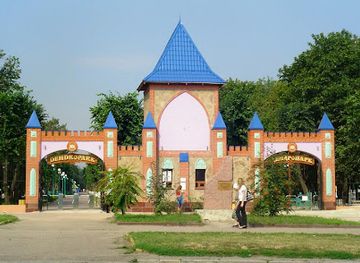
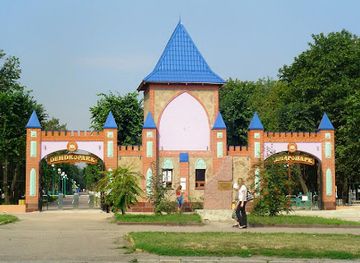
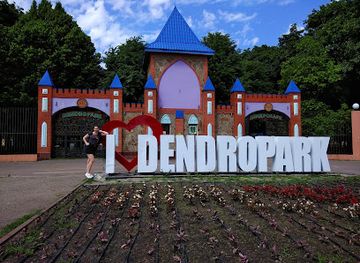
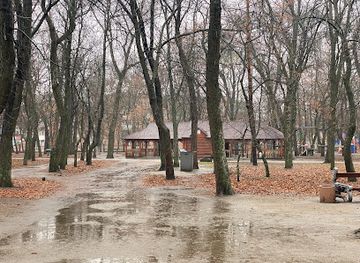
City Dendropark
Discover the beauty and thrill of City Dendropark in Kropyvnytskyi, a perfect family-friendly destination blending nature and fun for all ages.
7 min drive · 2.3 km from city centre
-
Tourist attraction
City Dendropark
Explore the lush landscapes and thrilling rides at City Dendropark, a serene escape in Kropyvnytskyi, perfect for nature lovers and adventure seekers.
7 min drive · 2.3 km from city centre
-
Tourist attraction
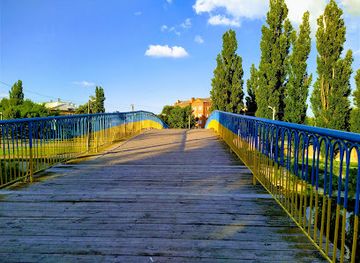
Kovalivs'kyi park
Explore Kovalivs'kyi Park in Kropyvnytskyi, a beautiful urban escape filled with lush greenery, scenic paths, and a peaceful atmosphere perfect for relaxation and exploration.
17 min walk · 1.4 km from city centre
-
Tourist attraction
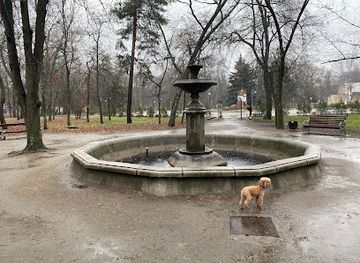
park Pushkina
Explore the serene landscapes of Park Pushkina in Kropyvnytskyi, a perfect blend of nature and relaxation for every traveler.
10 min walk · 0.8 km from city centre

Best landmarks in Kropyvnytskyi
The surviving earthworks of Saint Elizabeth Fortress are the city’s most important reminder of its 18th-century military foundation, marking the point around which the settlement grew. In the centre, historic civic and religious buildings reflect the expansion of Yelisavetgrad during the 19th century, when commerce, administration and rail connections gave the town a more substantial urban form. The Marko Kropyvnytskyi Memorial Museum is a cultural landmark as well as a biographical institution, linking the city to the formation of professional Ukrainian theatre. Kovalivsky Park contributes a civic landscape of greenery and public space, while the Dendropark is a large recreational landmark known for its planted environment rather than monumental architecture. Together, these places express the city’s passage from imperial frontier post to regional Ukrainian capital.
-
Amusement park
City Dendropark
Experience the natural beauty and excitement of City Dendropark, a premier amusement park in Kropyvnytskyi, perfect for the whole family.
7 min drive · 2.3 km from city centre
-
Market
Krytyi Market
Explore Krytyi Market in Kropyvnytskyi for fresh local produce, unique crafts, and an authentic taste of Ukrainian culture.
5 min drive · 1.7 km from city centre
-
Park
Kovalivs'kyi park
Discover the beauty of Kovalivs'kyi Park, a serene escape in Kropyvnytskyi, perfect for nature lovers and leisurely strolls amidst lush greenery.
17 min walk · 1.4 km from city centre
-
Park
park Pushkina
Explore the lush landscapes and serene atmosphere of Park Pushkina, Kropyvnytskyi's premier park and tourist attraction.
10 min walk · 0.8 km from city centre
Explore Kropyvnytskyi on the map
Plan your Kropyvnytskyi trip on one map. See where the top attractions, landmarks, restaurants, bars and hotels are, find what's near where you're staying, and book hotels and experiences in a few clicks.
Best hotels in Kropyvnytskyi
Best restaurants in Kropyvnytskyi
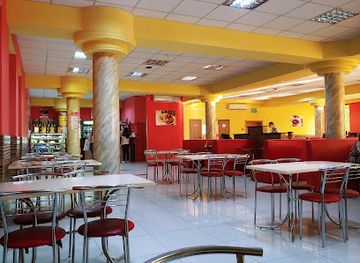
Kropyvnytskyi’s dining scene reflects the everyday cooking of central Ukraine, with Ukrainian staples such as borshch, varenyky, holubtsi, deruny and pampushky appearing alongside familiar regional and international dishes. Cafés and modest restaurants in the centre provide the main concentration of places to eat, while bakeries, market stalls and small food businesses offer a less formal view of local habits. Seasonal produce from the surrounding agricultural region is important, and menus may include freshwater fish, pickled vegetables, dairy products and hearty meat dishes. Ukrainian tea and coffee culture is visible in the city’s cafés, which often function as social spaces as much as places for a quick meal. Traditional food is best understood through its domestic, practical character rather than through a sharply codified Kropyvnytskyi speciality.
-
Cafe
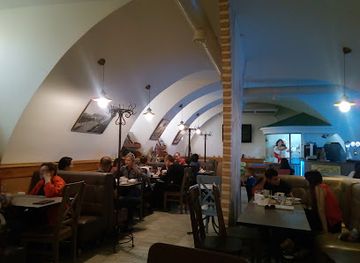
Smachni Tradytsiyi
Experience authentic Ukrainian cuisine and delightful pizzas at Smachni Tradytsiyi in Kropyvnytskyi - a must-visit café for every traveler.
12 min walk · 1.0 km from city centre
-
Restaurant
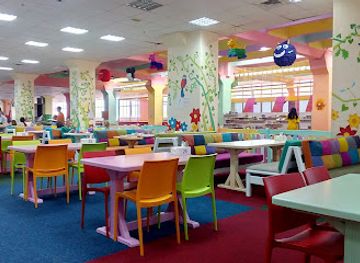
Crazy Land
Experience joy at Crazy Land - where fun meets food in Kropyvnytskyi's premier family amusement park.
10 min drive · 3.3 km from city centre
-
Cafe
Пекоріні Pecorini
Experience the delightful fusion of artisan coffee and gourmet pizza at Пекоріні Pecorini in Kropyvnytskyi.
10 min walk · 0.8 km from city centre
-
Cafe
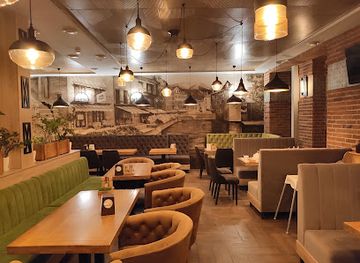
Stare Misto
Discover Stare Misto in Kropyvnytskyi - A cozy cafe offering delicious pizzas and local flavors in an inviting atmosphere.
10 min walk · 0.8 km from city centre
Best bars in Kropyvnytskyi
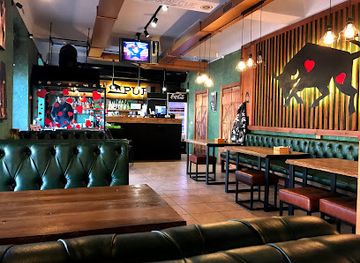
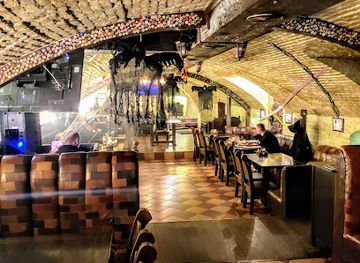
Kropyvnytskyi has a modest evening scene centred on cafés, restaurants, pubs and small entertainment venues rather than a large club district. The central area is the most convenient place to find social spaces for an evening drink, coffee or meal, while theatre performances and cultural events provide an important alternative to nightlife based on alcohol. The city’s theatrical heritage gives live performance particular cultural weight, although programmes and venues can change. Wartime conditions, including curfews, air-raid alerts and restrictions on operating hours, have a direct effect on evenings out; visitors should check current local rules before making plans and return to their accommodation in good time. Late-night transport may be limited, so arranging a reputable taxi service is sensible when travelling beyond the centre.
-
Pub
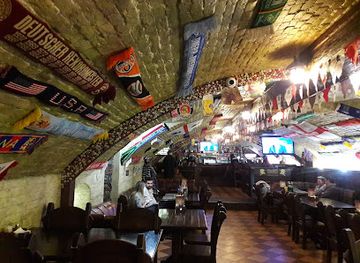
Churchill's Pub
Experience the charm of Kropyvnytskyi at Churchill's Pub, where local flavors meet a cozy atmosphere in the heart of the city.
10 min walk · 0.8 km from city centre
-
Grill
Hrilʹ Pab
Discover Hrilʹ Pab, where grilled perfection meets a vibrant pub atmosphere in Kropyvnytskyi, offering a feast for the senses.
12 min walk · 0.9 km from city centre
-
Cocktail bar
Do not hurry
Experience the art of cocktail making at 'Do not hurry' in Kropyvnytskyi, where every sip is a moment to enjoy.
11 min walk · 0.8 km from city centre
-
Bar
Sho bar
Experience the vibrant Sho Bar in Kropyvnytskyi, where local cuisine meets a lively nightlife in a welcoming atmosphere.
11 min walk · 0.9 km from city centre
Best nightclubs in Kropyvnytskyi
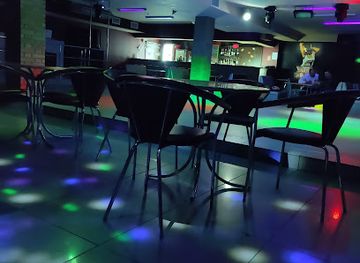
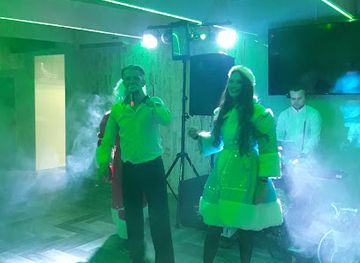
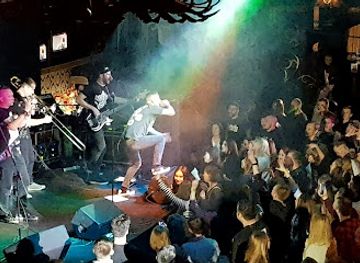
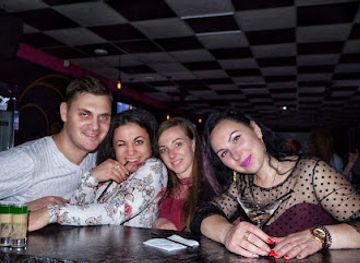
Kropyvnytskyi has a modest evening scene centred on cafés, restaurants, pubs and small entertainment venues rather than a large club district. The central area is the most convenient place to find social spaces for an evening drink, coffee or meal, while theatre performances and cultural events provide an important alternative to nightlife based on alcohol. The city’s theatrical heritage gives live performance particular cultural weight, although programmes and venues can change. Wartime conditions, including curfews, air-raid alerts and restrictions on operating hours, have a direct effect on evenings out; visitors should check current local rules before making plans and return to their accommodation in good time. Late-night transport may be limited, so arranging a reputable taxi service is sensible when travelling beyond the centre.
-
Bar
Velvet
Discover Velvet, Kropyvnytskyi's ultimate nightlife destination with bowling, disco, and pool for a fun-filled evening experience.
14 min walk · 1.1 km from city centre
-
Gym
Fan Klub
Discover Fan Klub in Kropyvnytskyi: A vibrant fitness hub with swimming, aerobics, and a welcoming café for health-conscious travelers.
11 min drive · 3.6 km from city centre
-
Salsa bar
Fusion club
Discover the vibrant nightlife of Kropyvnytskyi at Fusion Club, where salsa rhythms meet unforgettable experiences.
11 min walk · 0.9 km from city centre
-
Night club
Opium Club
Experience the vibrant nightlife at Opium Club, Kropyvnytskyi's premier night club with an energetic atmosphere and a great selection of beers.
4 min walk · 0.3 km from city centre
Best shops in Kropyvnytskyi
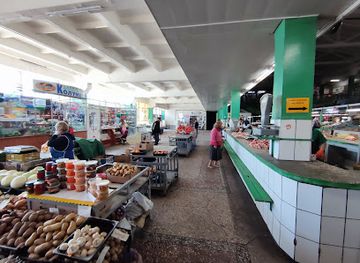
Shopping in Kropyvnytskyi is practical and locally oriented, with central streets, supermarkets, small independent shops and markets serving residents as well as visitors. The city’s markets are useful for seeing the agricultural character of central Ukraine through seasonal fruit and vegetables, preserves, dairy products and other everyday regional goods, although opening patterns can vary. Bakeries and delicatessens provide more portable tastes of local food than formal souvenir outlets. Visitors may also find Ukrainian books, craft items, embroidered goods and small cultural souvenirs in specialist shops or museum-related retail spaces, but the selection is not comparable with that of Kyiv or Lviv. The most distinctive purchases are often modest food products or locally made items rather than mass-produced emblems of the city.
-
Produce market
Central market
Explore the Central Market in Kropyvnytskyi for an authentic local shopping experience filled with fresh produce, delicious food, and unique crafts.
3 min walk · 0.2 km from city centre
-
Clothing store
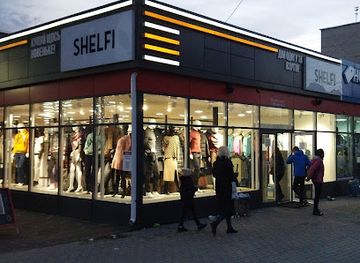
Shelfy
Discover the latest trends in fashion at Shelfy, Kropyvnytskyi's premier clothing store, offering a curated selection for every style.
4 min walk · 0.3 km from city centre
-
Store
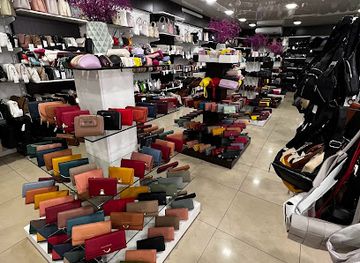
Julie
Explore Julie, Kropyvnytskyi's chic destination for unique bags, fashion accessories, and cosmetics, perfect for tourists and fashion lovers.
7 min walk · 0.5 km from city centre
-
Art supply store
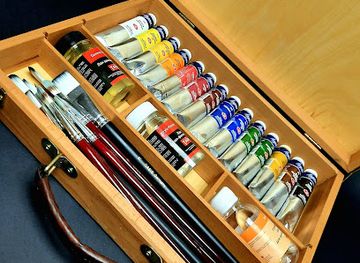
Art Shop
Unleash your creativity at Kropyvnytskyi's Art Shop, where artists find inspiration and top-notch supplies for all their artistic endeavors.
4 min walk · 0.3 km from city centre
Get your free copy of our complete guide to Kropyvnytskyi, delivered straight to you.
Everything on this page, from attractions and restaurants to essentials and local phrases, in one PDF you can read offline, print or share.
Already have an account? Sign in
Your Kropyvnytskyi guide is ready.
We'll send it to · Not you? Sign out

Getting your guide ready…
We are putting together a fresh copy of the Kropyvnytskyi guide. This can take up to a minute.
This can take a few moments. If your browser asks, choose Allow so the download can start. You'll find the guide in your Downloads folder.
Nothing happened? Download it again
Sorry, the guide is taking longer than usual. Please try again in a minute, or get it by email instead.
Kropyvnytskyi essentials
Currency and Payment
Safety
Emergency Situations
Do's and Don'ts
Local Tips
From Eve
Local phrases worth knowing
You don't need to get them perfect. A few words go a long way, and locals appreciate the effort.
Basics
| English | Local | Say it |
|---|---|---|
| Hello | Привіт | [Pryvit] |
| Goodbye | До побачення | [Do pobachennya] |
| Yes | Так | [Tak] |
| No | Ні | [Ni] |
| Please/You're welcome | Будь ласка | [Budʹ laska] |
| Thank you | Дякую | [Dyakuyu] |
| Excuse me/Sorry | Вибачте | [Vybachte] |
| How are you? | Як справи? | [Yak spravy?] |
| Fine. And you? | Добре. А ти? | [Dobre. A ty?] |
| Do you speak English? | Ви говорите англійською? | [Vy hovoryte anhliysʹkoyu?] |
| I don't understand | Я не розумію | [Ya ne rozumiyu] |
Eating & Drinking
| English | Local | Say it |
|---|---|---|
| I'd like to see the menu, please | Я б хотів подивитися меню, будь ласка | [Ya b khotoh podvytysya menyoo, budʹ laska] |
| I don't eat meat | Я не їм м'ясо | [Ya ne yim myaso] |
| Cheers! | Удачі! | [Udachi] |
| I would like to pay, please | Я б хотів розрахуватися, будь ласка | [Ya b khotoh rozrakhuvatysya, budʹ laska] |
Emergencies
| English | Local | Say it |
|---|---|---|
| Help! | Допоможіть! | [Dopomozhitʹ!] |
| Go away! | Піди геть! | [Pidi hetʹ!] |
| Call the Police! | Викличте поліцію! | [Vyklychte politsiyu!] |
| Call a doctor! | Викличте лікаря! | [Vyklychte likarya!] |
| I'm lost | Я загубився | [Ya zahubyvsya] |
| I'm ill | Я хворий | [Ya khvoryy] |
Shopping
| English | Local | Say it |
|---|---|---|
| I'd like to buy... | Я б хотів купити... | [Ya b khotoh kupity...] |
| I'm just looking | Я просто дивлюся | [Ya prosto dyvlyusya] |
| How much is it? | Скільки це коштує? | [Skilʹky tse koshtuye?] |
| That's too expensive | Це занадто дорого | [Tse zanadto doroho] |
| Can you lower the price? | Чи можете ви знизити ціну? | [Chy mozhete vy znyzyty tsinu?] |
Time & Numbers
| English | Local | Say it |
|---|---|---|
| What time is it? | Котра година? | [Kotra hodyna?] |
| It's one o'clock | Одинадцята | [Odynadtsyata] |
| Half past (10) | Пів на одинадцяту | [Piv na odynadtsyatu] |
| Morning | Ранок | [Ranok] |
| Afternoon | День | [Denʹ] |
| Evening | Вечір | [Vechir] |
| Yesterday | Вчора | [Vchora] |
| Today | Сьогодні | [Sʹohodni] |
| Tomorrow | Завтра | [Zavtra] |
| 1 | один | [odyn] |
| 2 | два | [dva] |
| 3 | три | [try] |
| 4 | чотири | [chotyry] |
| 5 | п'ять | [pyatʹ] |
| 6 | шість | [shistʹ] |
| 7 | сім | [sim] |
| 8 | вісім | [visim] |
| 9 | дев'ять | [dev'yatʹ] |
| 10 | десять | [desyatʹ] |
Transport & Directions
| English | Local | Say it |
|---|---|---|
| Where's a/the...? | Де є/знаходиться...? | [De ye/znakhodytsya...?] |
| What's the address? | Яка адреса? | [Yaka adresa?] |
| Can you show me (on the map)? | Чи можете ви мені показати (на мапі)? | [Chy mozhete vy meni pokazaty (na mapi)?] |
| When's the next (bus)? | Коли наступний (автобус)? | [Koly nastupnyy (avtobus)?] |
| A ticket (to ....) | Квиток (до ....) | [Kvytok (do ....)] |
History of Kropyvnytskyi
The Steppe Before the City
The territory around modern Kropyvnytskyi formed part of the southern Ukrainian steppe, a zone shaped by seasonal movement, trade and competing frontier powers. Cossack communities, farming settlements and military groups used the wider region before the imperial foundation of the city. Its position along the Inhul River connected the locality with routes across the central steppe, while the surrounding land remained vulnerable to conflict between the Crimean Khanate, the Polish-Lithuanian Commonwealth and the expanding Russian Empire. The city’s later development therefore began within a landscape that was neither an empty wilderness nor an established urban centre, but a borderland with changing populations, political loyalties and patterns of settlement.
Saint Elizabeth Fortress, 1754
Saint Elizabeth Fortress was founded in 1754 by order of the Russian Empire as a military installation on its southern frontier. The fortress was named for Empress Elizabeth and became the nucleus around which a permanent settlement developed. Its location on the Inhul reflected the strategic importance of river valleys and steppe routes during a period of imperial expansion. The fortifications helped stabilise the area for imperial administration and settlement, although they also represented the incorporation of Ukrainian frontier lands into a wider military system. Earthworks associated with the fortress survive as an important historical landscape, even though the original defensive structures have not remained intact in their entirety.
Yelisavetgrad and Urban Growth
The settlement that grew around the fortress became known as Yelisavetgrad and developed as an administrative, commercial and military centre. During the 19th century, improved roads and rail connections strengthened its links with other parts of the region, while agriculture and trade supported the growth of a more substantial urban community. Merchants, craftsmen, officials and religious communities contributed to the city’s social and architectural diversity. Civic buildings, churches, commercial premises and residential streets from this period helped establish the central urban character visible today. The city also became part of the wider economic transformation of southern Ukraine, where railways and agricultural exports encouraged new forms of commerce and municipal development.
The Birthplace of Ukrainian Professional Theatre
Kropyvnytskyi occupies an important place in the history of Ukrainian theatre. Marko Kropyvnytskyi, born in 1840, was a playwright, actor, director and organiser associated with the emergence of professional Ukrainian-language theatre in the late 19th century. The troupe often known as the Theatre of Coryphaei brought Ukrainian drama to audiences in a more organised professional form, despite restrictions that affected Ukrainian cultural expression under the Russian Empire. The movement included other major figures of Ukrainian stage history, and its legacy remains central to the city’s cultural identity. The Marko Kropyvnytskyi Memorial Museum preserves the local connection to this formative period.
War, Revolution and Changing Names
The upheavals of the early 20th century transformed the city through revolution, civil conflict and the creation of Soviet political structures. Its name changed to Zinovievsk in 1939, after the Soviet revolutionary Grigory Zinoviev, and then to Kirovohrad in 1939 following his political condemnation. The Second World War brought German occupation and severe disruption before the city returned to Soviet administration. Post-war reconstruction expanded residential districts and public infrastructure, while industrial and administrative functions became more prominent. These changes altered the historic centre but did not erase the older layers associated with the fortress, commercial city and Ukrainian theatrical tradition.
Kropyvnytskyi in Independent Ukraine
After Ukraine became independent in 1991, the city retained the name Kirovohrad for several decades while public discussion increasingly addressed historical memory and decommunisation. In 2016, Ukraine’s parliament renamed it Kropyvnytskyi, commemorating Marko Kropyvnytskyi and placing Ukrainian cultural history at the centre of the city’s public identity. The change took place within the wider national process of replacing Soviet-era place names. Today, museums, theatres, memorial sites and surviving historic streets present the city as a regional centre whose identity combines frontier beginnings, imperial urban development, Ukrainian cultural resilience and the continuing pressures of contemporary Ukrainian history.
Kropyvnytskyi in Photos
Browse through our photo collection highlighting the charm and character of the destination.
Cities near Kropyvnytskyi
The closest cities to Kropyvnytskyi, if you have time for more than one stop.
-

-

-

-

-


Swipe for more cities
Explore more

Explore more of Ukraine
Explore Ukraine: From Kyiv's golden domes to the Carpathian Mountains, discover a country rich in history, culture, and natural beauty in the heart of Eastern Europe.
Explore Ukraine