

Free Fujairah Travel Guide & Mobile App
Plan your Fujairah trip with Evendo. Get free guides to top attractions, restaurants, hotels, and bars. Web access or download the mobile app.


Fujairah, UAE, pairs Hajar Mountain scenery with historic forts, quiet beaches, coral-rich diving, Emirati culture and memorable coastal sightseeing.
Between Mountains and Sea
Fujairah occupies a distinctive position on the United Arab Emirates’ eastern coast, facing the Gulf of Oman rather than the Arabian Gulf. The city is framed by the rugged Hajar Mountains and serves as the administrative centre of the emirate, whose coastal plain combines modern urban districts with fishing harbours, broad beaches and dramatic mountain roads. Its setting gives Fujairah a different visual character from the western emirates: rocky escarpments, dry wadis and open sea are never far from the city streets.Read more about Fujairah
Fortresses and Emirati Heritage
Coastal Life and Mountain Excursions
When is the best time to visit Fujairah?
Best: December–February · 25–26°C| Month | High (°C) | Rainfall (mm) |
|---|---|---|
| January (best) | 25 | 10 |
| February (best) | 26 | 8 |
| March | 27 | 7 |
| April | 29 | 6 |
| May | 32 | 5 |
| June | 34 | 4 |
| July | 36 | 3 |
| August | 36 | 3 |
| September | 34 | 2 |
| October | 31 | 2 |
| November | 28 | 4 |
| December (best) | 26 | 7 |
Getting to and around Fujairah
How to get there
Transportation
Best attractions in Fujairah
Fujairah’s principal attractions combine urban heritage with the natural landscapes of the eastern UAE. Fujairah Fort, set above the old settlement, provides broad views over the city and a close look at a restored defensive complex, while Fujairah Museum displays archaeological material and objects connected with local life. The Heritage Village nearby recreates traditional houses, farming features and craft settings. Along the coast, the corniche offers open sea views and an easy evening walk, while the Sheikh Zayed Grand Mosque is a significant contemporary landmark with an expansive white façade. Beyond the city, Al Bidya Mosque and its surrounding foothills offer a quieter historical visit, and the waters around Al Aqah and Snoopy Island are associated with snorkelling and diving. Wadi Wurayah, in the Hajar Mountains outside the city, adds a contrasting landscape of rocky valleys and seasonal watercourses, subject to conservation and access conditions.
-
Park
Kalba Corniche Park
Experience the tranquility of Kalba Corniche Park, a perfect blend of nature, recreation, and stunning coastal views in Sharjah, UAE.
11 min drive · 3.7 km from city centre
-
Park
Kalba Corniche Park
Experience the natural beauty and recreational charm of Kalba Corniche Park, a serene escape along the Sharjah coastline.
11 min drive · 3.7 km from city centre
-
Mosque
Sheikh Zayed Grand Mosque - Fujairah
Discover the beauty and serenity of Sheikh Zayed Grand Mosque in Fujairah, a stunning architectural masterpiece and cultural landmark.
5 min drive · 1.8 km from city centre
-
Castle
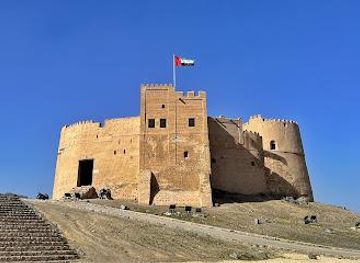
Fujairah Fort
Explore the historic Fujairah Fort, an architectural marvel that offers a unique glimpse into the UAE's rich heritage and stunning natural surroundings.
8 min drive · 2.5 km from city centre
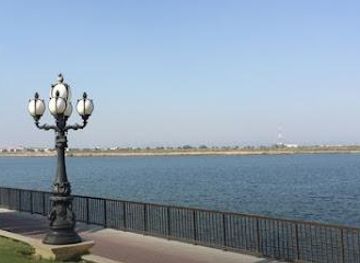
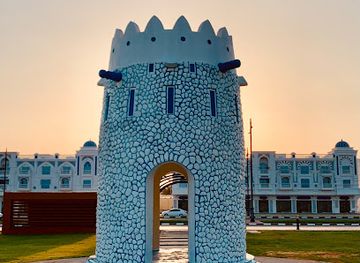

Best landmarks in Fujairah
Fujairah Fort is the city’s defining historic landmark, occupying a strategic rise above the old settlement and illustrating how local rulers protected the eastern coast. Its compact towers, courtyards and earthen construction contrast with the modern skyline below. Fujairah Museum, close by, is an important cultural landmark because its collections place the emirate’s archaeological and social history within a local setting. The long white form of Sheikh Zayed Grand Mosque represents contemporary Fujairah and is among the city’s most prominent civic and religious buildings. North of the city, Al Bidya Mosque is an especially distinctive historic structure, known for its small scale, unusual domed roof and mountain setting; its exact age is not firmly established. The restored Al Hayl Castle, in a mountain valley outside the city, adds another example of the defensive architecture associated with Fujairah’s traditional rural settlements.
-
Shopping mall
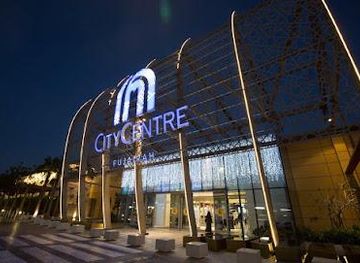
City Centre Fujairah
Explore the vibrant City Centre Fujairah, the ultimate shopping and entertainment destination in Fujairah, offering diverse shops, dining, and fun for everyone.
12 min drive · 4.1 km from city centre
-
Park
Kalba Corniche Park
Experience the natural beauty and recreational delights of Kalba Corniche Park, a serene getaway in Sharjah's coastal landscape.
11 min drive · 3.7 km from city centre
-
Jewelry store
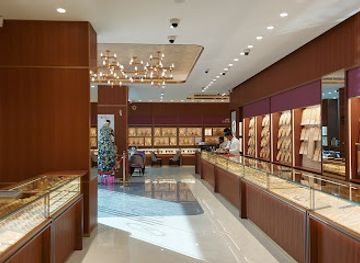
Malabar Gold and Diamonds - Fujairah Street
Visit Malabar Gold and Diamonds in Fujairah for a dazzling selection of luxury jewelry, blending exquisite craftsmanship with rich cultural heritage.
8 min walk · 0.7 km from city centre
-
Shopping mall
Fujairah Mall
Discover the vibrant shopping scene at Fujairah Mall, where shopping, dining, and entertainment come together for an unforgettable experience in Fujairah.
8 min drive · 2.6 km from city centre


Explore Fujairah on the map
Plan your Fujairah trip on one map. See where the top attractions, landmarks, restaurants, bars and hotels are, find what's near where you're staying, and book hotels and experiences in a few clicks.
Best hotels in Fujairah
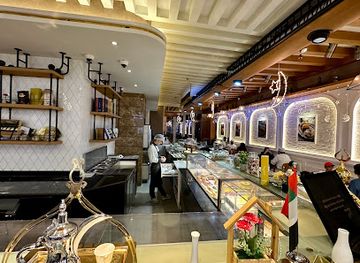
Best restaurants in Fujairah
Fujairah’s dining scene reflects its position between the Gulf of Oman, the Hajar Mountains and a cosmopolitan UAE population. Seafood is central to the local character, with grilled fish, prawns and other Gulf catches appearing in restaurants and around the fish market. Emirati dishes such as machboos, harees and thareed may be found alongside Arabic grills, South Asian cooking, Iranian influences and familiar international hotel dining. Cafés and casual restaurants are spread through the city’s commercial districts, while the corniche and larger hotels provide settings for relaxed meals with sea views. Fujairah’s Indian, Pakistani and Filipino communities contribute strongly to its everyday food culture, particularly in affordable eateries. Traditional dates, Arabic coffee, flatbreads and spiced rice dishes offer a taste of regional hospitality, though the most locally distinctive meals are often informal rather than ceremonious.
-
Turkish restaurant
MADO Restaurant and Cafe LLC
Authentic Turkish flavors and handcrafted desserts in a welcoming Fujairah setting.
12 min drive · 4.1 km from city centre
-
Turkish
MADO Restaurant مطعم مادو Fujairah
Experience authentic Turkish cuisine at MADO Restaurant in Fujairah – where every meal is a delightful journey into Turkey's rich culinary heritage.
12 min drive · 4.1 km from city centre
-
Lebanese
Al Meshwar Restaurant
Discover authentic Lebanese cuisine at Al Meshwar Restaurant in Fujairah—where flavors meet tradition in every dish.
16 min walk · 1.3 km from city centre
-
Seafood
Emirates Sea Restaurant - Fujairah
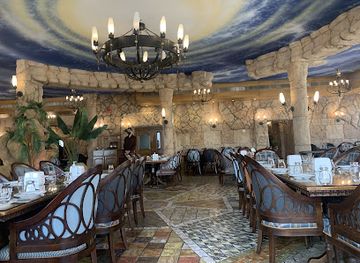
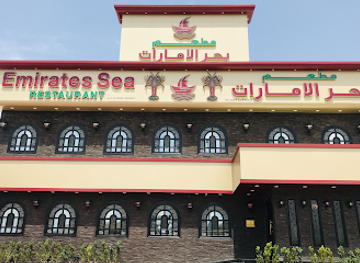
Experience an exquisite seafood journey at Emirates Sea Restaurant in Fujairah - where fresh flavors meet breathtaking views.
5 min drive · 1.8 km from city centre

Best bars in Fujairah
Fujairah’s nightlife is restrained compared with Dubai, with evening activity centred on hotel restaurants, licensed bars and lounges rather than a dense club district. International visitors can find relaxed settings for drinks, live entertainment and conversation within larger hotels, while the corniche, cafés and family promenades are more typical places for residents after sunset. Alcohol is regulated and is generally served only in licensed venues; public drinking is not appropriate. The city’s evenings are also shaped by the climate, with people gathering late for tea, coffee, dessert and outdoor walks when temperatures ease. Music and entertainment programmes may be offered by hotels, but schedules and availability change. Outside the city, coastal resorts around Al Aqah provide a more resort-oriented evening atmosphere, though they remain separate from Fujairah’s urban centre.
-
Bar
The Beach Shop (Liquor Store)
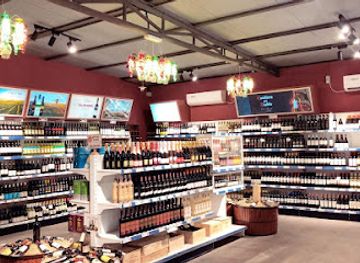
Discover a vibrant liquor store and bar at The Beach Shop in Fujairah, offering a diverse selection of beverages in a welcoming atmosphere.
15 min drive · 5.1 km from city centre
-
Irish pub
McGettigan's
Experience the best of Irish hospitality at McGettigan's in Fujairah, where vibrant atmosphere meets delicious food and drinks.
15 min drive · 4.8 km from city centre
-
Grill
The Sailors Restaurant & Cafe
Experience the best of Fujairah's culinary scene at The Sailors Restaurant & Cafe, where grilled delights meet stunning coastal views.
6 min drive · 1.9 km from city centre
-
Bar
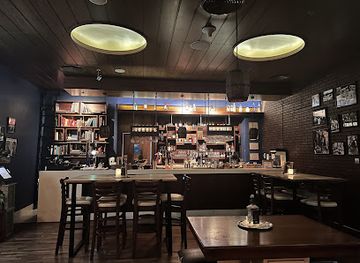
The Bookstore Fujairah
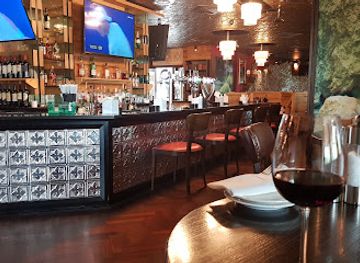
Experience the perfect fusion of bar and steakhouse at The Bookstore Fujairah, where culinary excellence meets vibrant nightlife.
5 min drive · 1.8 km from city centre
Best nightclubs in Fujairah
Fujairah’s nightlife is restrained compared with Dubai, with evening activity centred on hotel restaurants, licensed bars and lounges rather than a dense club district. International visitors can find relaxed settings for drinks, live entertainment and conversation within larger hotels, while the corniche, cafés and family promenades are more typical places for residents after sunset. Alcohol is regulated and is generally served only in licensed venues; public drinking is not appropriate. The city’s evenings are also shaped by the climate, with people gathering late for tea, coffee, dessert and outdoor walks when temperatures ease. Music and entertainment programmes may be offered by hotels, but schedules and availability change. Outside the city, coastal resorts around Al Aqah provide a more resort-oriented evening atmosphere, though they remain separate from Fujairah’s urban centre.
-
Lounge
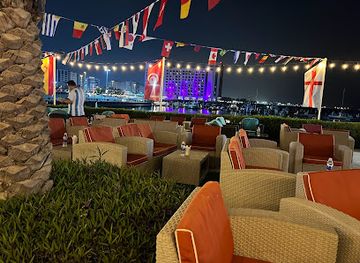
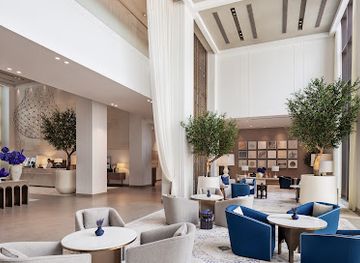
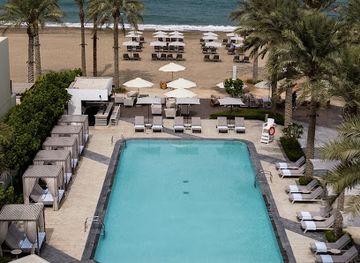
Al Bayt at Palace Beach Resort Fujairah
Experience luxury and serenity at Al Bayt Lounge, nestled in the stunning Palace Beach Resort Fujairah, where relaxation meets breathtaking views.
8 min drive · 2.6 km from city centre
-
Club
Egyptian Club
Discover the lively atmosphere of the Egyptian Club in Fujairah, where culture meets nightlife for an unforgettable experience.
9 min drive · 2.9 km from city centre
-
Lounge
Buhayra Lounge at Palace Beach Resort Fujairah
Unwind in style at Buhayra Lounge, where luxury meets breathtaking views in Palace Beach Resort Fujairah.
8 min drive · 2.7 km from city centre
-
Disco club
Disco Azizi
Discover the ultimate nightlife experience at Disco Azizi in Fujairah, a vibrant disco club with electrifying music and an unforgettable atmosphere.
5 min drive · 1.8 km from city centre


Best shops in Fujairah
Shopping in Fujairah ranges from modern malls and high-street retailers to practical local markets that reveal more of the city’s everyday life. City Centre Fujairah and other contemporary shopping areas provide fashion, electronics, supermarkets, cafés and family facilities, while the older commercial districts are useful for textiles, perfumes, spices, tailoring and inexpensive household goods. The fish market reflects the emirate’s maritime economy, and smaller shops sell dates, Arabic sweets, dried foods and packaged regional products suitable for gifts. Visitors may also find ceramics, woven items and decorative objects inspired by Emirati heritage, although genuine traditional craft is usually easier to identify through cultural institutions or established artisan sellers than through generic souvenir displays. Shopping is spread across several districts rather than concentrated in one historic bazaar, so taxis or a car are useful when combining markets, malls and central shops.
-
Shopping mall
City Centre Fujairah
Experience the best shopping, dining, and entertainment at City Centre Fujairah, the ultimate destination for tourists in the UAE.
12 min drive · 4.1 km from city centre
-
Hypermarket
LuLu Hypermarket - Fujairah
Experience the rich variety of products at LuLu Hypermarket in Fujairah, where local flavors meet international shopping.
18 min walk · 1.4 km from city centre
-
Jewelry store
Malabar Gold and Diamonds - Fujairah Street
Explore the luxury of Malabar Gold and Diamonds in Fujairah, where exquisite jewelry meets exceptional craftsmanship.
8 min walk · 0.7 km from city centre
-
Shopping mall
Fujairah Mall
Discover diverse shopping, exquisite dining, and vibrant entertainment at Fujairah Mall, the ultimate shopping destination in Fujairah.
8 min drive · 2.6 km from city centre


Get your free copy of our complete guide to Fujairah, delivered straight to you.
Everything on this page, from attractions and restaurants to essentials and local phrases, in one PDF you can read offline, print or share.
Already have an account? Sign in
Your Fujairah guide is ready.
We'll send it to · Not you? Sign out

Getting your guide ready…
We are putting together a fresh copy of the Fujairah guide. This can take up to a minute.
This can take a few moments. If your browser asks, choose Allow so the download can start. You'll find the guide in your Downloads folder.
Nothing happened? Download it again
Sorry, the guide is taking longer than usual. Please try again in a minute, or get it by email instead.
Fujairah essentials
Currency and Payment
Safety
Emergency Situations
Do's and Don'ts
Local Tips
From Eve
Local phrases worth knowing
You don't need to get them perfect. A few words go a long way, and locals appreciate the effort.
Basics
| English | Local | Say it |
|---|---|---|
| Hello | مرحبا | [marhaba] |
| Goodbye | وداعا | [wadaa'an] |
| Yes | نعم | [naam] |
| No | لا | [la] |
| Please/You're welcome | من فضلك | [min fadlak] |
| Thank you | شكرا | [shukran] |
| Excuse me/Sorry | عذرا | [aathirana] |
| How are you? | كيف حالك؟ | [kayf halak?] |
| Fine. And you? | بخير. وأنت؟ | [bikhayr. wa'ant?] |
| Do you speak English? | هل تتحدث الإنجليزية؟ | [hal tatahadath al'iinjlizia?] |
| I don't understand | لا أفهم | [la afham] |
Eating & Drinking
| English | Local | Say it |
|---|---|---|
| I'd like to see the menu, please | أريد رؤية القائمة، من فضلك | [urid ru'ya alqa'ima, min fadlak] |
| I don't eat meat | أنا لا آكل اللحم | [ana la aakul allahm] |
| Cheers! | في صحتك! | [fi sahtak!] |
| I would like to pay, please | أريد أن أدفع، من فضلك | [urid 'an 'adfa', min fadlak] |
Emergencies
| English | Local | Say it |
|---|---|---|
| Help! | النجدة! | [alnajdah!] |
| Go away! | اذهب بعيدا! | [adhhab baeedan!] |
| Call the Police! | اتصل بالشرطة! | [itassil bialshurtah!] |
| Call a doctor! | اتصل بطبيب! | [itassil batabib!] |
| I'm lost | لقد ضللت الطريق | [laqad dalalt altariq] |
| I'm ill | أنا مريض | [ana mareed] |
Shopping
| English | Local | Say it |
|---|---|---|
| I'd like to buy... | أريد أن أشتري... | [urid 'an 'ashtari...] |
| I'm just looking | أنا فقط أتفرج | [ana faqat atfarij] |
| How much is it? | كم سعره؟ | [kam sa'ruh?] |
| That's too expensive | هذا غالي جدا | [hatha ghali jiddan] |
| Can you lower the price? | هل يمكنك خفض السعر؟ | [hal yumkinuk khafd alsu'ur?] |
Time & Numbers
| English | Local | Say it |
|---|---|---|
| What time is it? | كم الساعة؟ | [kam alsaa'ah?] |
| It's one o'clock | الواحدة | [alwahidah] |
| Half past (10) | العاشرة والنصف | [al'eashirah walnusf] |
| Morning | الصباح | [alsaabah] |
| Afternoon | بعد الظهر | [baed aldhuhur] |
| Evening | المساء | [almasa'] |
| Yesterday | أمس | [ams] |
| Today | اليوم | [alyawm] |
| Tomorrow | غدا | [ghadan] |
| 1 | واحد | [wahid] |
| 2 | اثنان | [ithnan] |
| 3 | ثلاثة | [thalatha] |
| 4 | أربعة | [arba'a] |
| 5 | خمسة | [khamsa] |
| 6 | ستة | [sitta] |
| 7 | سبعة | [sab'a] |
| 8 | ثمانية | [thamania] |
| 9 | تسعة | [tis'a] |
| 10 | عشرة | [ashara] |
Transport & Directions
| English | Local | Say it |
|---|---|---|
| Where's a/the...? | أين؟ | [ayn?] |
| What's the address? | ما هو العنوان؟ | [ma huwa al'awnan?] |
| Can you show me (on the map)? | هل يمكنك أن تريني (على الخريطة)؟ | [hal yumkinuk 'an turiyni (ealaa alkhariata)?] |
| When's the next (bus)? | متى القادم؟ | [mata alqadim?] |
| A ticket (to ....) | تذكرة (إلى ...) | [tadhkirat ('iilaa ...)] |
History of Fujairah
Early Settlements and Maritime Exchange
The eastern coast of the United Arab Emirates has supported settlement for thousands of years, with communities benefiting from fishing, date cultivation, livestock and access to mountain resources. Archaeological discoveries across Fujairah include remains from the Bronze Age and later periods, reflecting contact between the Hajar region and wider networks around the Gulf of Oman. The coast’s position connected local communities with maritime routes linking southern Arabia, the Iranian coast and the Indian Ocean. Rather than developing as a single ancient metropolis, the region consisted of villages and tribal territories whose fortunes were closely tied to wells, fertile pockets, harbours and defensible mountain approaches.
Portuguese Control of the Eastern Coast
During the early sixteenth century, Portuguese expansion into the Indian Ocean brought European naval power to the Gulf of Oman and the Strait of Hormuz. Portuguese forces sought to control shipping routes and coastal strongpoints, affecting communities along the eastern Arabian shore. Fujairah’s forts and fortified settlements belong to a wider defensive landscape shaped by this era and by later rivalry among local powers. Control was never simply a matter of European occupation; tribal authority, local alliances and changing maritime conditions continued to influence the coast. The period linked Fujairah to the strategic struggles surrounding Hormuz and the wider Indian Ocean trade.
The Sharqiyin and Local Rule
For much of the early modern period, the eastern coast was associated with the Sharqiyin tribal community, whose influence extended through parts of the Hajar Mountains and coastal plain. Fujairah Fort, generally dated to the late seventeenth century, served as a defensive residence and symbol of local authority; its mud-brick, stone and plaster construction reflects the materials available in the region. Agriculture, fishing and trade sustained settlements beneath the mountains, while political relationships with neighbouring emirates shifted over time. Historic mosques, farm settlements and watchtowers preserve evidence of a society shaped as much by seasonal resources and kinship networks as by formal urban institutions.
Recognition as an Independent Emirate
Fujairah became recognised as a separate emirate in 1952 under Sheikh Mohammed bin Hamad Al Sharqi. The change formalised the political identity of a territory that had long maintained its own local leadership and communities on the UAE’s eastern side. In the decades that followed, roads, schools, public services and modern administrative districts expanded around the older settlements. The traditional economy of fishing, farming and small-scale trade was gradually joined by construction, government employment, port activity and tourism. Fujairah’s location on the Gulf of Oman also gave it strategic importance independent of the western coast’s major ports.
Federation and Modern Fujairah
Fujairah joined the United Arab Emirates at its formation in 1971, entering a period of rapid national development. The city gained modern roads, public institutions, a growing commercial centre and expanded connections with the other emirates through the Hajar passes. Restoration of Fujairah Fort and the development of museums and heritage areas helped preserve visible links with the past as urban life changed around them. Today the emirate combines a regional capital with industrial and maritime activity, coastal resorts and mountain conservation areas. Its identity remains grounded in the contrast between an expanding contemporary city and the older landscapes of forts, farms, wadis and fishing settlements.
Fujairah in Photos
Browse through our photo collection highlighting the charm and character of the destination.
Cities near Fujairah
The closest cities to Fujairah, if you have time for more than one stop.
-

-

-

-

-


Swipe for more cities
Explore more

Explore more of United Arab Emirates
Discover the United Arab Emirates: A land where futuristic cities meet timeless deserts, offering luxury, adventure, and rich cultural experiences.
Explore United Arab Emirates