

Free Umm Al Quwain Travel Guide & Mobile App
Plan your Umm Al Quwain trip with Evendo. Get free guides to top attractions, restaurants, hotels, and bars. Web access or download the mobile app.


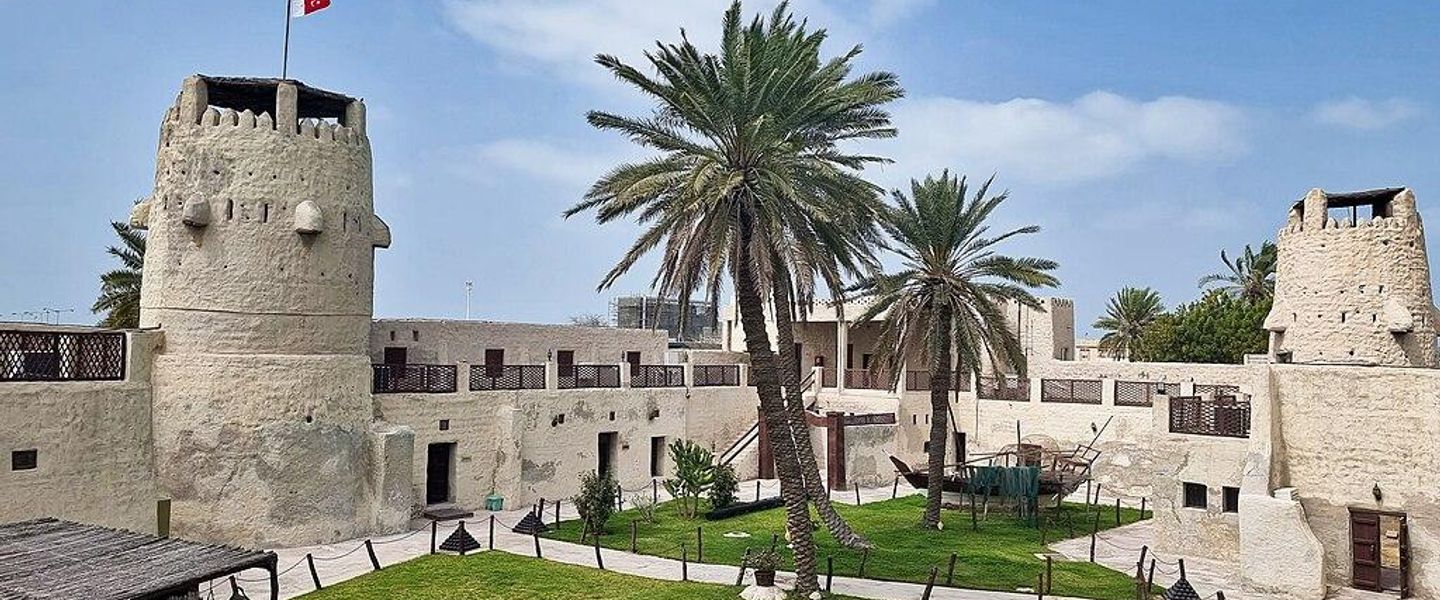


Umm Al Quwain travel highlights include mangroves, maritime heritage, quiet beaches, desert landscapes, family attractions and authentic Emirati culture in the UAE.
Maritime Heritage and Coastal Character
Umm Al Quwain is the least populous of the United Arab Emirates’ seven emirates, and its modest scale gives the coastal city a markedly different atmosphere from the high-rise skylines of Dubai and Abu Dhabi. Set beside a sheltered lagoon on the Arabian Gulf, it grew around fishing, pearling, boatbuilding and trade. Traditional wooden dhows still provide a tangible link to that maritime past, while the waterfront, creek and nearby islands reveal a landscape shaped as much by tidal water as by desert.Read more about Umm Al Quwain
Fort, Creek and Old City
Mangroves and Open Horizons
When is the best time to visit Umm Al Quwain?
Best: February, November–December · 24–27°C| Month | High (°C) | Rainfall (mm) |
|---|---|---|
| January | 23 | 19 |
| February (best) | 24 | 20 |
| March | 27 | 13 |
| April | 31 | 5 |
| May | 35 | 0 |
| June | 39 | 0 |
| July | 40 | 0 |
| August | 40 | 0 |
| September | 36 | 0 |
| October | 32 | 1 |
| November (best) | 27 | 4 |
| December (best) | 25 | 12 |
Getting to and around Umm Al Quwain
How to get there
Transportation
Best attractions in Umm Al Quwain
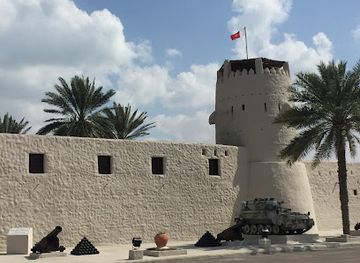
Umm Al Quwain’s attractions focus on coastal scenery, local history and relaxed recreation rather than a dense urban sightseeing circuit. Umm Al Quwain Fort, once associated with the ruling Al Mualla family, now contains the National Museum, where domestic objects, weapons and archaeological material introduce the emirate’s past. The old harbour and creek provide a quieter setting for seeing the maritime landscape that supported fishing and pearling. Mangrove channels around the coast can be explored by kayak or boat, with birdlife and tidal waterways offering a change from the surrounding desert. Families often choose Dreamland Aqua Park, one of the emirate’s established leisure attractions, while the Umm Al Quwain Marine Club is associated with boating and watersports. The archaeological site of Ed-Dur, near Al Sinniyah Island, is an important excursion within the emirate rather than a central city attraction, linking the coast to a much older period of Gulf trade.
-
Tourist attraction
Al Majaz Waterfront
Explore the serene Khalid Lake Trail in Sharjah, where scenic views meet vibrant city life, ideal for walking, jogging, and family outings.
50 min drive · 30 km from city centre
-
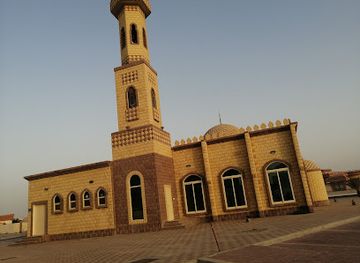
Mosque
Al Noor Mosque
Explore Al Noor Mosque in Sharjah, a stunning architectural gem showcasing Islamic art and a serene environment for cultural immersion.
49 min drive · 29 km from city centre
-
National park
Sharjah National Park
Explore the lush landscapes and serene beauty of Sharjah National Park, a perfect getaway for nature lovers and families in the heart of Sharjah.
47 min drive · 27 km from city centre
-
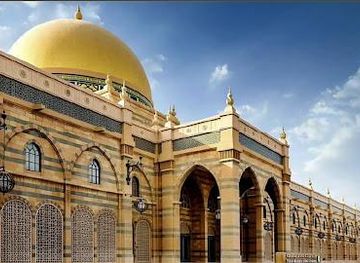
History museum
Sharjah Museum of Islamic Civilization
Explore the Sharjah Museum of Islamic Civilization, where history, art, and culture converge to celebrate the Islamic legacy.
46 min drive · 26 km from city centre
Best landmarks in Umm Al Quwain
Umm Al Quwain Fort is the city’s defining historic landmark, a low, robust structure associated with the Al Mualla ruling family and the former centre of political and domestic life. Its museum displays give physical context to a settlement shaped by pearling, fishing and coastal defence. Nearby, the old harbour and creek are less formal monuments but remain important elements of the city’s maritime identity, with the waterway explaining why the settlement developed where it did. Mosques and traditional low-rise buildings in the older districts contribute to the visual character of the town, while newer civic and commercial structures reflect the post-1971 federation era. Beyond the city, the archaeological remains of Ed-Dur are among the emirate’s most significant heritage landmarks, revealing ancient trade connections near Al Sinniyah Island; they should be understood as a regional site rather than part of the central urban landscape.
-
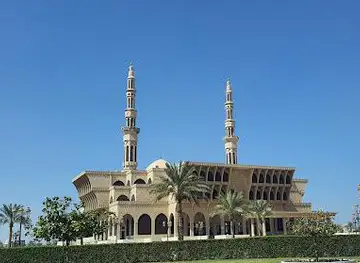
Mosque
King Faisal Mosque
Explore the architectural beauty and spiritual serenity of King Faisal Mosque, a cultural gem in Sharjah, UAE, ideal for all travelers.
48 min drive · 28 km from city centre
-
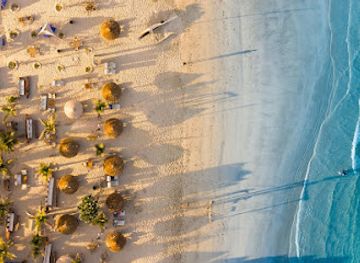
Tourist attraction
Kitesurf Beach Center
Experience the thrill of kitesurfing and savor delicious cuisine at Kitesurf Beach Center, a vibrant gem on the shores of Umm Al Quwain.
16 min walk · 1.3 km from city centre
-
Beach
Umm Al Quwain- Beach
Experience the serene beauty of Umm Al Quwain Beach, where golden sands meet tranquil waters for the ultimate relaxation in the UAE.
6 min drive · 1.9 km from city centre
-
National museum
Umm Al Quwain Museum
Explore the Umm Al Quwain Museum, a captivating journey through the history and culture of the Emirates, ideal for all curious travelers.
12 min drive · 4.1 km from city centre
Explore Umm Al Quwain on the map
Plan your Umm Al Quwain trip on one map. See where the top attractions, landmarks, restaurants, bars and hotels are, find what's near where you're staying, and book hotels and experiences in a few clicks.
Best hotels in Umm Al Quwain
Best restaurants in Umm Al Quwain
Dining in Umm Al Quwain reflects the everyday culinary culture of the northern Emirates, with Emirati, Indian, Pakistani, Arabic and international food served across modest cafés, family restaurants and hotel venues. Seafood is a natural part of the coastal identity, while grilled meats, rice dishes, flatbreads, shawarma, biryani, karak tea and Arabic sweets are widely encountered. Traditional Emirati cooking may include dishes such as machboos, salona and harees, although availability varies by establishment and season. The town’s food scene is generally informal, with local restaurants and cafés providing more character than a concentrated fine-dining district. Larger shopping centres and leisure facilities add familiar casual options, while waterfront settings may offer meals with views towards the creek or lagoon. Visitors seeking local flavour should look beyond international chains and notice the multilingual, South Asian and Arab influences that have long shaped eating habits across the UAE.
-
Seafood
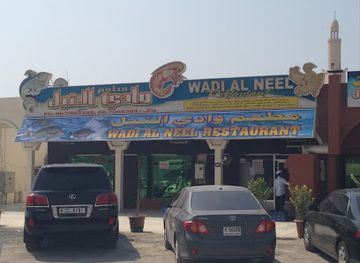
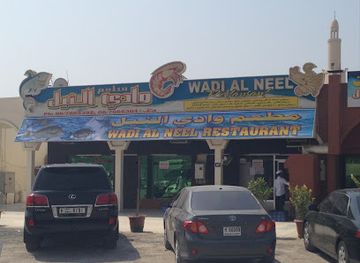
Wadi Al Neel Restaurant
Experience exquisite seafood at Wadi Al Neel Restaurant in Umm Al Quwain - where fresh flavors meet traditional hospitality.
7 min walk · 0.6 km from city centre
-
Seafood
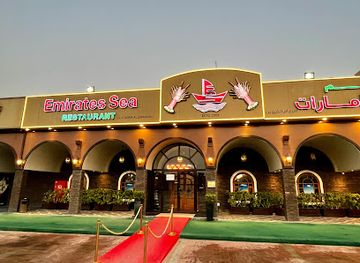
مطعم بحر الامارات Emirates Sea Restaurant - Umm Al Quwain
Experience exquisite seafood at Emirates Sea Restaurant in Umm Al Quwain – where fresh flavors meet stunning views.
6 min drive · 2.0 km from city centre
-
Yemenite
Bait al Mandi - Umm al quwain - kite beach
Discover authentic Yemenite cuisine at Bait al Mandi in Umm Al Quwain – where rich flavors meet warm hospitality.
7 min drive · 2.3 km from city centre
-
Lebanese
Sikkat Beirut Restaurant and Cafe umm Al Quiwan
Experience authentic Lebanese cuisine at Sikkat Beirut Restaurant and Cafe in Umm Al Quwain – where every meal is a celebration of flavor.
19 min drive · 6.5 km from city centre

Best bars in Umm Al Quwain
Umm Al Quwain has a restrained evening scene compared with Dubai, with nightlife centred on hotel restaurants and licensed bars, relaxed cafés, family leisure venues and waterfront outings rather than dedicated club districts. Many evenings are spent over Arabic coffee, karak tea or a late meal, while sports screenings and casual gatherings provide much of the social atmosphere. Hotel properties may offer licensed drinking venues and occasional live entertainment, subject to current regulations and programming, but visitors should not assume that every restaurant serves alcohol. After dark, the creek, beaches and mangrove surroundings can be atmospheric, although outdoor activities require suitable guidance and attention to tides and lighting. During Ramadan and religious holidays, opening patterns and entertainment may change. The city’s quieter pace makes it better suited to conversation, coastal walks and relaxed dining than to a large-scale clubbing itinerary.
-
Seafood
Wadi Al Neel Restaurant
Discover the best seafood in the Emirate of Umm Al Quwain at Wadi Al Neel Restaurant, where freshness and flavor unite for an unforgettable dining experience.
7 min walk · 0.6 km from city centre
-
Keralan
Backwaters
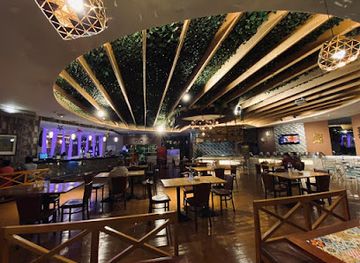
Experience authentic Keralan seafood at Backwaters, a culinary haven in Umm Al Quwain, blending tradition with a modern dining ambiance.
18 min walk · 1.5 km from city centre
-
Filipino
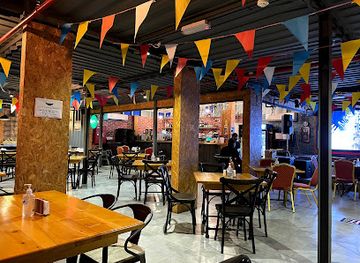
BARAKO Grill
Experience the heart and soul of Filipino cuisine at BARAKO Grill, a culinary haven in Umm Al Quwain.
18 min walk · 1.4 km from city centre
-
Lebanese
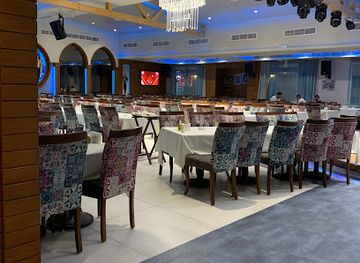
Umm Al Quwain Beach Restaurant
Discover the essence of Lebanese cuisine at Umm Al Quwain Beach Restaurant, where stunning beach views meet authentic flavors.
14 min walk · 1.1 km from city centre
Best nightclubs in Umm Al Quwain
Umm Al Quwain has a restrained evening scene compared with Dubai, with nightlife centred on hotel restaurants and licensed bars, relaxed cafés, family leisure venues and waterfront outings rather than dedicated club districts. Many evenings are spent over Arabic coffee, karak tea or a late meal, while sports screenings and casual gatherings provide much of the social atmosphere. Hotel properties may offer licensed drinking venues and occasional live entertainment, subject to current regulations and programming, but visitors should not assume that every restaurant serves alcohol. After dark, the creek, beaches and mangrove surroundings can be atmospheric, although outdoor activities require suitable guidance and attention to tides and lighting. During Ramadan and religious holidays, opening patterns and entertainment may change. The city’s quieter pace makes it better suited to conversation, coastal walks and relaxed dining than to a large-scale clubbing itinerary.
-
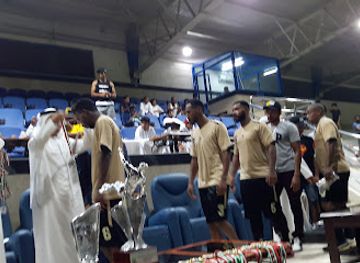
Sports complex
Al Arabi Sports and Cultural Club
Experience the vibrant spirit of community and sports at Al Arabi Sports and Cultural Club in Umm Al Quwain.
6 min drive · 2.0 km from city centre
-
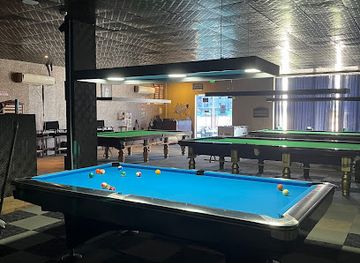
Pool hall
Wolf for Billiards and Snooker
Experience the thrill of billiards at Wolf for Billiards and Snooker in Umm Al Quwain, where fun meets friendly competition for all ages.
2 min walk · 0.2 km from city centre
-
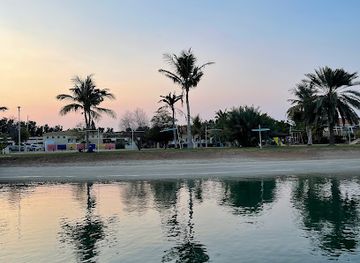
Marina
UAQ Marine Club
Experience the serene beauty and exhilarating activities at UAQ Marine Club, the perfect destination for water enthusiasts in Umm Al Quwain.
6 min drive · 2.0 km from city centre
-
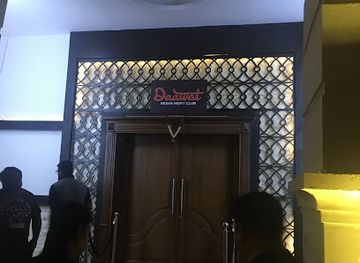
Disco club
Daawat Indian Night Club
Discover the vibrant nightlife of Ajman at Daawat Indian Night Club, where culture, music, and delicious cuisine come together for an unforgettable experience.
38 min drive · 18 km from city centre
Best shops in Umm Al Quwain
Shopping in Umm Al Quwain is practical and local in character, with supermarkets, neighbourhood shops, small trading streets and modern retail centres serving residents rather than creating a major fashion destination. Mall of UAQ provides an air-conditioned setting for everyday shopping, cafés and family activities, while independent stores around the town sell clothing, mobile phones, household goods, perfumes and food products. Visitors may find dates, Arabic sweets, spices, coffee, incense, modest clothing and decorative items that make more meaningful souvenirs than generic airport merchandise. The emirate’s maritime background is better encountered through its harbour and museum than through a specialised crafts market, and traditional dhow building or fishing activity should not be assumed to operate as a visitor retail experience. Bargaining is more likely in small independent shops than in branded stores, where marked prices are generally used.
-
Shopping mall
City Centre Sharjah
Explore City Centre Sharjah for an unforgettable shopping adventure, vibrant dining, and family entertainment in the heart of the city.
50 min drive · 30 km from city centre
-
Shopping mall
City Centre Ajman
Explore City Centre Ajman, your ultimate shopping destination with diverse brands, culinary delights, and family-friendly entertainment in the heart of Ajman.
38 min drive · 18 km from city centre
-
Shopping mall
Blue Souk
Discover the enchanting Blue Souk in Sharjah, a cultural shopping paradise showcasing traditional crafts, modern goods, and delicious local delicacies.
48 min drive · 28 km from city centre
-
Fish store
Sharjah Jubail Fish Market
Explore the bustling Sharjah Jubail Fish Market, a vibrant hub for fresh seafood and local flavors in the heart of Sharjah.
48 min drive · 28 km from city centre


Get your free copy of our complete guide to Umm Al Quwain, delivered straight to you.
Everything on this page, from attractions and restaurants to essentials and local phrases, in one PDF you can read offline, print or share.
Already have an account? Sign in
Your Umm Al Quwain guide is ready.
We'll send it to · Not you? Sign out

Getting your guide ready…
We are putting together a fresh copy of the Umm Al Quwain guide. This can take up to a minute.
This can take a few moments. If your browser asks, choose Allow so the download can start. You'll find the guide in your Downloads folder.
Nothing happened? Download it again
Sorry, the guide is taking longer than usual. Please try again in a minute, or get it by email instead.
Umm Al Quwain essentials
Currency and Payment
Safety
Emergency Situations
Do's and Don'ts
Local Tips
From Eve
Local phrases worth knowing
You don't need to get them perfect. A few words go a long way, and locals appreciate the effort.
Basics
| English | Local | Say it |
|---|---|---|
| Hello | Marhaba | [mar-ha-ba] |
| Goodbye | Ma'a as-salama | [ma-a as-sa-la-ma] |
| Yes | Na'am | [na-am] |
| No | La | [la] |
| Please/You're welcome | Min fadlik | [min fad-lik] |
| Thank you | Shukran | [shuk-ran] |
| Excuse me/Sorry | Afsos | [af-sos] |
| How are you? | Kaif halak? | [kaif ha-lak] |
| Fine. And you? | Tamam. Wa ant? | [ta-mam. wa ant] |
| Do you speak English? | Hal tatakalam al-ingliziya? | [hal ta-ta-ka-lam al-ing-li-zi-ya] |
| I don't understand | Ana la afham | [a-na la af-ham] |
Eating & Drinking
| English | Local | Say it |
|---|---|---|
| I'd like to see the menu, please | A'udhu an ara al-qayima, min fadlik | [a-ud-hu an ara al-qa-yi-ma, min fad-lik] |
| I don't eat meat | Ana la akul al-lahm | [a-na la a-kul al-lahm] |
| Cheers! | Saha | [sa-ha] |
| I would like to pay, please | A'udhu an adfa', min fadlik | [a-ud-hu an ad-fa, min fad-lik] |
Emergencies
| English | Local | Say it |
|---|---|---|
| Help! | Musaidah! | [mu-sai-dah] |
| Go away! | Imshi! | [im-shi] |
| Call the Police! | Idha' al-shurta! | [id-ha' al-shur-ta] |
| Call a doctor! | Idha' tabib! | [id-ha' ta-bib] |
| I'm lost | Ana da'i | [a-na dai] |
| I'm ill | Ana mareed | [a-na ma-reed] |
Shopping
| English | Local | Say it |
|---|---|---|
| I'd like to buy... | A'udhu an ashtar... | [a-ud-hu an ash-tar] |
| I'm just looking | Ana faqat atatamasa | [a-na fa-qat a-ta-ta-ma-sa] |
| How much is it? | Kam yukhali hadha? | [kam yu-kha-li ha-dha] |
| That's too expensive | Hadha ghalin jiddan | [ha-dha gha-lin jid-dan] |
| Can you lower the price? | Hal tastati' taniq al-sa'ra? | [hal tas-ta-ti' ta-niq al-sa-ra] |
Time & Numbers
| English | Local | Say it |
|---|---|---|
| What time is it? | Kam al-sa'a al-ana? | [kam al-sa-a al-a-na] |
| It's one o'clock | Huwa al-wahida | [hu-wa al-wa-hi-da] |
| Half past (10) | Nisf ba'da al-ashra | [nisf ba-da al-ash-ra] |
| Morning | Sabah | [sa-bah] |
| Afternoon | Duhur | [du-hur] |
| Evening | Masaa | [ma-sa-a] |
| Yesterday | Ams | [ams] |
| Today | Al-yawm | [al-yawm] |
| Tomorrow | Al-ghad | [al-ghad] |
| 1 | Wahid | [wa-hid] |
| 2 | Ithnayn | [ith-na-yn] |
| 3 | Thalatha | [tha-la-tha] |
| 4 | Arba'a | [ar-ba-a] |
| 5 | Khamsa | [kham-sa] |
| 6 | Sitta | [sit-ta] |
| 7 | Sab'a | [sa-ba-a] |
| 8 | Thamania | [tha-ma-ni-a] |
| 9 | Tis'a | [tis-a] |
| 10 | Ashra | [ash-ra] |
Transport & Directions
| English | Local | Say it |
|---|---|---|
| Where's a/the...? | Ayna al... | [ay-na al] |
| What's the address? | Mada huwa al-alamat? | [ma-da hu-wa al-a-la-mat] |
| Can you show me (on the map)? | Hal tastati' an tuna li (ala al-khari-ta)? | [hal tas-ta-ti' an tu-na li (a-la al-kha-ri-ta)] |
| When's the next (bus)? | Mata siakoun al-tali (hafula)? | [ma-ta si-a-koun al-ta-li (ha-fu-la)] |
| A ticket (to ....) | Tathkira (ila ....) | [ta-th-ki-ra (i-la)] |
History of Umm Al Quwain
Early Coastal Settlement and Trade
The coast and islands around present-day Umm Al Quwain have long supported fishing, pearling, maritime travel and small-scale trade. Archaeological evidence at Ed-Dur, near Al Sinniyah Island in the emirate, shows that this wider coastal region was connected to Indian Ocean commerce during the first centuries CE. Ed-Dur was not the modern city itself, but its remains demonstrate the antiquity of settlement and exchange along the coast. The sheltered waterways, access to fishing grounds and proximity to the Gulf’s sailing routes continued to shape local communities over many centuries. Before the oil era, the harbour economy depended principally on the sea, with seasonal pearling and fishing influencing work, settlement patterns and social life.
The Al Mualla Settlement
The modern political identity of Umm Al Quwain emerged in the eighteenth century, when the Al Ali tribe, led by Sheikh Majid Al Mualla, established its base at the present coastal settlement. The location offered a defensible position beside the lagoon and access to maritime resources. Umm Al Quwain became one of the independent sheikhdoms of the Trucial Coast, whose rulers maintained relationships with Britain through a series of maritime agreements intended to limit conflict at sea. The settlement remained relatively small, with the fort, harbour, homes and places of worship forming the core of community life. Its compact scale and creek-side geography are still evident in the old part of the city.
Pearling, Fishing and Maritime Life
During the nineteenth and early twentieth centuries, pearling and fishing were central to Umm Al Quwain’s economy and identity. Divers, boat crews, merchants and shore-based workers depended on seasonal voyages and the sale of marine produce, while dhow construction and coastal navigation supported connections with neighbouring ports. Pearling was demanding and vulnerable to fluctuations in markets, weather and the health of oyster beds. The collapse of the Gulf pearl industry in the early twentieth century, intensified by the arrival of cultured pearls, placed severe pressure on coastal communities. Fishing, date cultivation and local trade remained important as residents adapted to changing economic conditions.
From Trucial State to Federation
The political landscape changed rapidly after the Second World War as the Trucial Coast moved towards greater administrative cooperation and independence. Umm Al Quwain joined the United Arab Emirates at its formation on 2 December 1971, alongside Abu Dhabi, Dubai, Sharjah, Fujairah and Ajman; Ras Al Khaimah joined the federation in 1972. Federation brought wider investment in roads, education, healthcare, housing and public services. For Umm Al Quwain, modern development expanded the town beyond the old fort and harbour while retaining a close relationship with the lagoon, islands and coastal economy. The transformation was substantial, but the emirate avoided the scale of urbanisation seen in the country’s largest cities.
A Contemporary Coastal Emirate
Since federation, Umm Al Quwain has developed a diversified economy while preserving much of its low-rise coastal character. Government services, manufacturing, tourism, fishing, recreation and small businesses now complement older maritime activities. The preservation of Umm Al Quwain Fort and the National Museum reflects a desire to interpret local history through surviving architecture and artefacts, while mangroves and island habitats have gained greater significance as natural assets. Contemporary visitors encounter an emirate where family attractions, watersports and quiet beaches sit alongside historic neighbourhoods. The contrast between new roads and facilities and the enduring lagoon landscape gives Umm Al Quwain a distinct place within the modern United Arab Emirates.
Umm Al Quwain in Photos
Browse through our photo collection highlighting the charm and character of the destination.
Cities near Umm Al Quwain
The closest cities to Umm Al Quwain, if you have time for more than one stop.
-

-

-

-

-


Swipe for more cities
Explore more

Explore more of United Arab Emirates
Discover the United Arab Emirates: A land where futuristic cities meet timeless deserts, offering luxury, adventure, and rich cultural experiences.
Explore United Arab Emirates