Arbroath Abbey, Angus Travel Guide
Explore the majestic ruins of Arbroath Abbey, the birthplace of Scotland’s Declaration of Independence and a medieval architectural treasure.
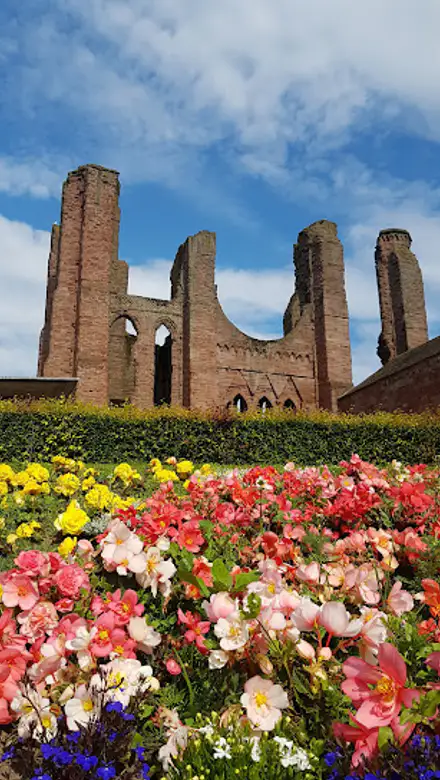
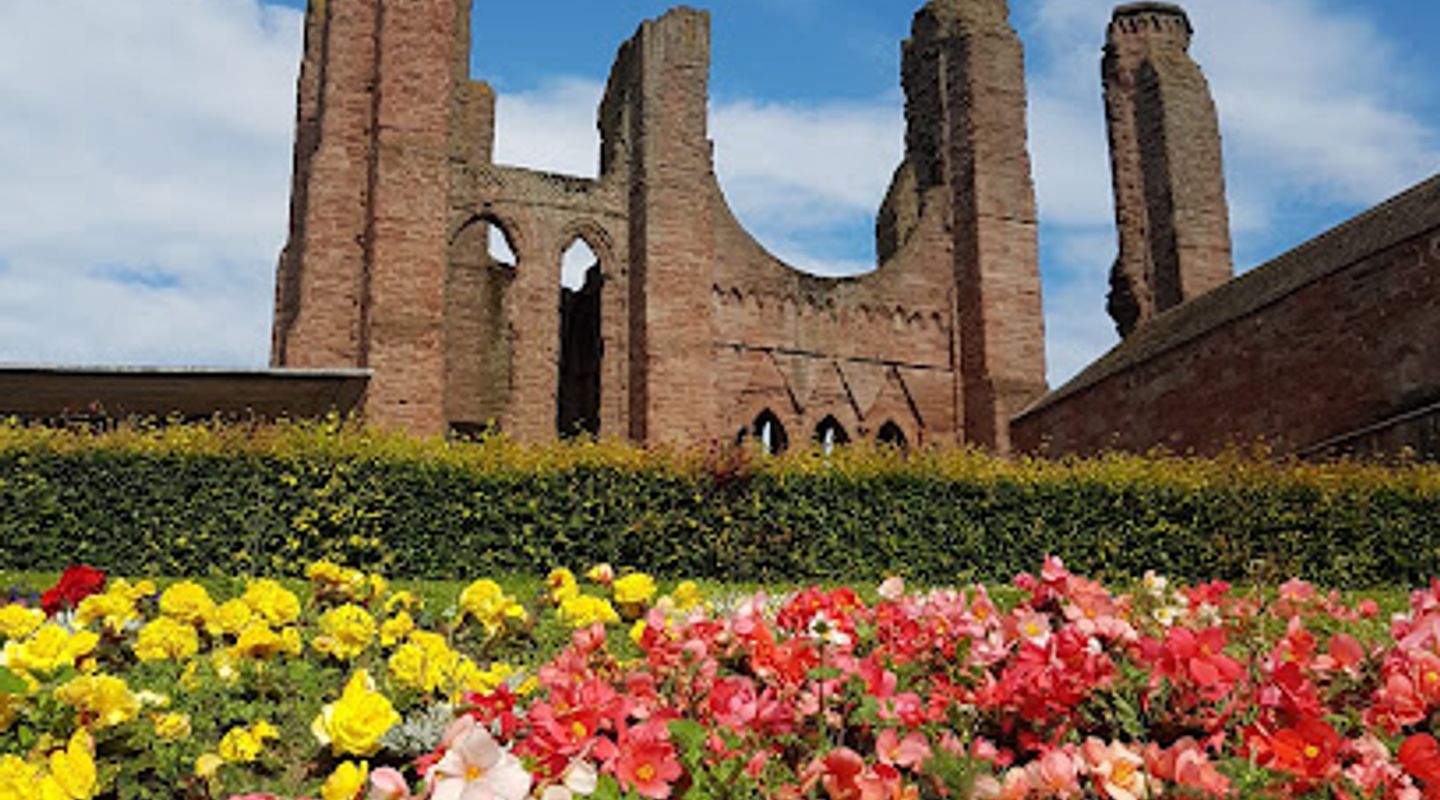
Arbroath Abbey, founded in 1178 by King William the Lion, stands as a majestic ruin in Arbroath, Scotland. Famous for the 1320 Declaration of Arbroath asserting Scottish independence, the site features extensive grounds, a visitor centre with exhibitions, and historic buildings like the Abbot’s House and Gatehouse. While the abbey’s interior is currently closed for masonry inspections, visitors can explore the grounds, herb garden, and immersive displays that bring medieval Scotland to life.
A brief summary to Arbroath Abbey
- Abbey St, Arbroath, DD11 1EG, GB
- Click to display
- Click to display
- Duration: 1 to 3 hours
- Mid ranged
-
 Outdoor
- Mobile reception: 4 out of 5
- Monday 10 am-12:30 pm
- Tuesday 10 am-12:30 pm
- Wednesday 10 am-12:30 pm
- Thursday 10 am-12:30 pm
- Friday 10 am-12:30 pm
- Saturday 10 am-12:30 pm
- Sunday 10 am-12:30 pm

Know before you go
Hi, I'm Eve. Here are a few practical things to know before exploring Arbroath Abbey.
- Book tickets online in advance to guarantee entry and avoid queues, especially during peak season or lunch hours.
- Wear sturdy walking shoes to comfortably explore the extensive grounds and gravel paths.
- Visit the visitor centre for immersive exhibitions and virtual reconstructions that enrich your understanding of the abbey.
- Historic Scotland members receive free entry but must book online to reserve their visit.
- Be aware of the lunch closure from 12:30pm to 1:30pm when the site is temporarily closed.
Do you manage this location?
Take control to get all the benefits, like improved information, better appearance, and stronger visibility across AI-powered discovery. Learn more about listing your business on Evendo
Activate your presenceOther nearby places you may find interesting
The closest places of the same kind, if this one is not quite what you had in mind.
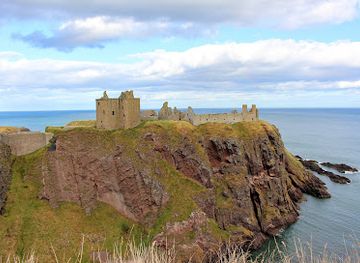
Explore Arbroath Abbey on the Map
A handpicked selection of must-see spots near Arbroath Abbey, mapped for you.
Getting There
-
Train and Walk
Take a train to Arbroath railway station from nearby cities such as Dundee or Aberdeen. The journey takes approximately 30 to 60 minutes depending on origin. From the station, it is a 20-minute walk on mostly flat terrain to Arbroath Abbey. Wear comfortable shoes and note the walk is suitable for most fitness levels.
-
Bus Service
Local bus services run regularly to Arbroath town centre from surrounding towns. From the main bus stop, the abbey is a 10-minute walk along paved streets. Bus travel times vary but typically range from 20 to 45 minutes. Check local schedules for frequency. The town centre and abbey area are wheelchair accessible.
-
Car
Driving to Arbroath Abbey is convenient with parking available near the town centre. Travel times from Dundee are about 30 minutes. Parking may be limited during peak times and weekends. Some roads in the town centre are narrow; plan accordingly. Admission fees apply at the abbey.
For the on-the-go comforts that matter to you
-
 Restrooms
-
 Drink Options
-
 Food Options
-
 Seating Areas
-
 Trash Bins
-
 Information Boards
-
 Visitor Center
Discover more about Arbroath Abbey
Founding and Historical Significance
Arbroath Abbey was established in 1178 by King William I, known as William the Lion, as a grand Tironensian monastery dedicated to Thomas Becket, Archbishop of Canterbury. The abbey became a powerful religious and cultural centre in medieval Scotland. It is most renowned for the Declaration of Arbroath, signed around 1320 by Scottish nobles proclaiming Scotland’s independence from England. This document remains a symbol of Scottish identity and sovereignty.Architectural Grandeur and Surviving Structures
Though now a ruin, the abbey’s imposing remains reveal its former grandeur. Visitors can admire the tall stone walls of the nave and cloisters, the gatehouse range, and the rare surviving Abbot’s House, one of only two left in Scotland. The site’s layout and masonry offer insight into monastic life and medieval ecclesiastical architecture. The herb garden along the south wall adds a touch of the abbey’s historical landscape.Visitor Experience and Exhibitions
The visitor centre hosts engaging exhibitions including the Medieval Powerhouse display and a detailed exploration of the Declaration of Arbroath. Audio-visual presentations with subtitles and induction loops provide accessibility. The visitor centre also includes a shop, toilets, and sheltered areas. Due to ongoing high-level masonry inspections, interior access to the abbey buildings is currently restricted, but the grounds and visitor centre remain open.Accessibility and Facilities
Arbroath Abbey is accessible with mostly level grass and gravel paths, step-free access to key areas like the nave and cloister, and a platform lift to the visitor centre’s first floor. Adapted toilets and ear defenders are available on site. Some upper floors and the sacristy have limited access due to stairs and steps. Interpretation boards and virtual reconstructions enhance understanding of the site’s history.Seasonal Opening and Practical Information
The abbey is open daily with seasonal hours: from April to September, 10am to 4.30pm; October to March, 10am to 4pm with a lunch closure from 12.30pm to 1.30pm. Admission prices vary, with concessions and family tickets available. Historic Scotland members enjoy free entry with advance booking recommended. The site occasionally closes for maintenance or adverse weather.Legacy and Cultural Impact
Arbroath Abbey’s legacy extends beyond its stone walls. The Declaration of Arbroath influenced later independence movements, including the American Declaration of Independence. The abbey remains a potent symbol of Scotland’s medieval heritage and national pride, drawing visitors eager to connect with its rich history and atmospheric ruins.












Your all‑in‑one travel companion app
Explore expert travel guides, compare and book tours, experiences, hotels, and more—all from the palm of your hand. Download now for seamless trip planning wherever your wanderlust takes you.


Explore More of Angus

Looking beyond Arbroath Abbey? Discover Angus for broader travel guides, local hot-spots, and regional highlights.
Explore Angus