Arbroath Cliffs Travel Guide
Free Guide: Explore Arbroath’s stunning red sandstone cliffs, rich wildlife habitats, and breathtaking North Sea views along the scenic Seaton Cliffs coastal trail.


A brief summary of Arbroath Cliffs
Explore Arbroath’s stunning red sandstone cliffs, rich wildlife habitats, and breathtaking North Sea views along the scenic Seaton Cliffs coastal trail.
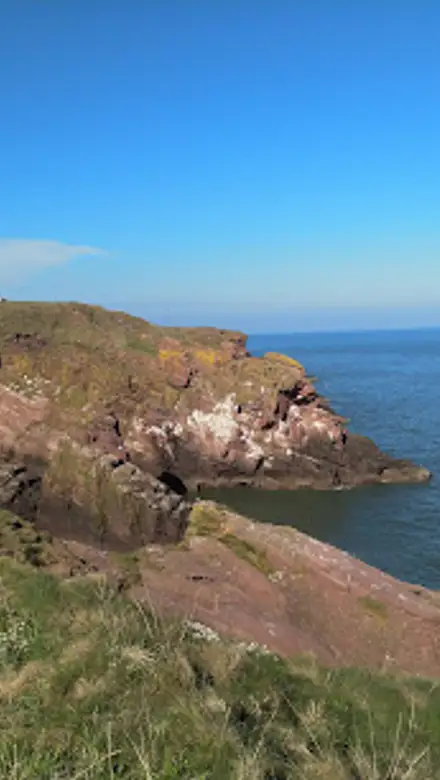
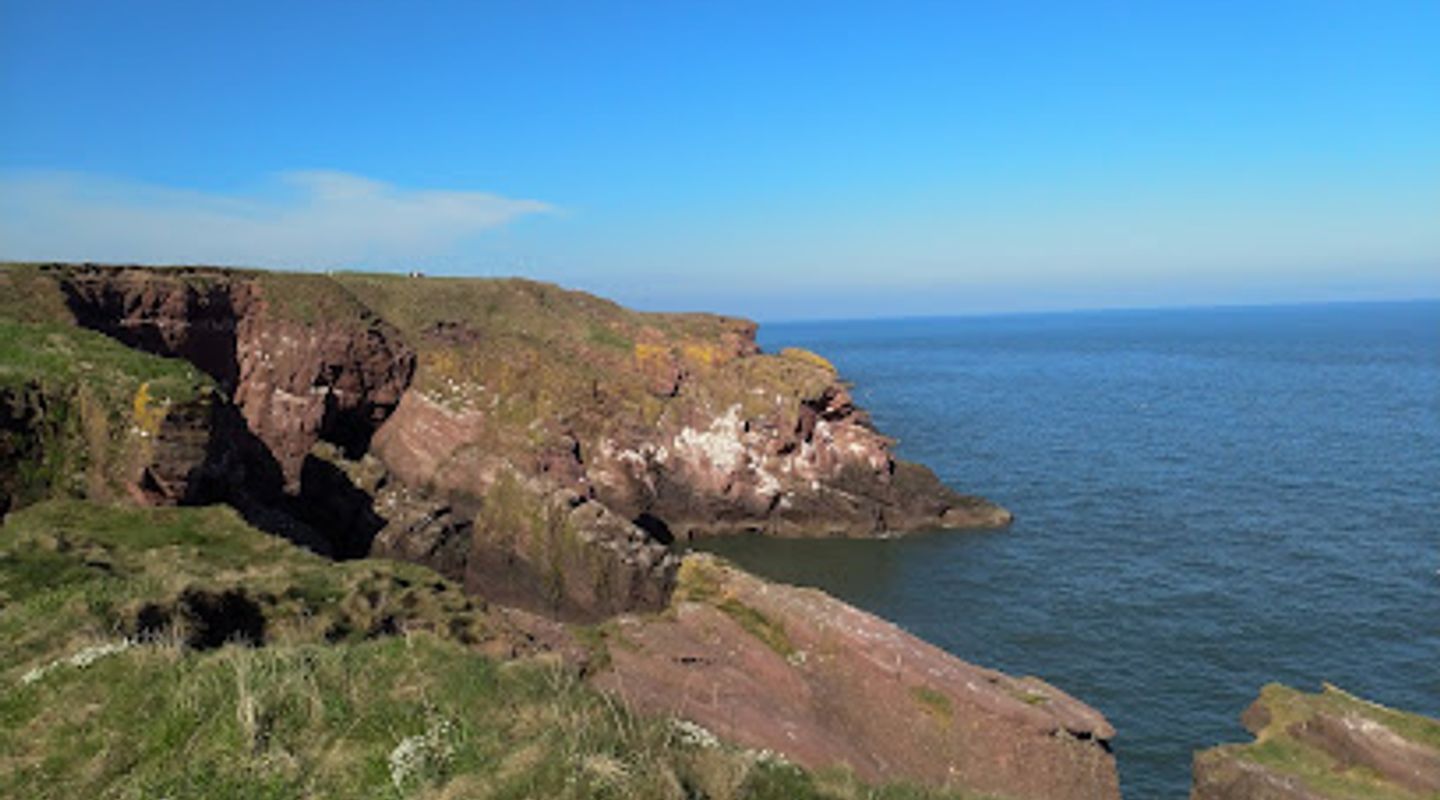
Arbroath Cliffs, also known as Seaton Cliffs, are dramatic red sandstone cliffs located just north of Arbroath on Scotland’s east coast. Stretching along a scenic coastal path to the village of Auchmithie, the cliffs showcase striking geological formations, diverse wildlife including seabird colonies and dolphins, and rich wildflower habitats. The accessible paths offer breathtaking views of the North Sea and unique natural arches, making it a prime spot for nature lovers and photographers.
On-site amenities
 Restrooms
 Drink options
 Food options
 Seating areas
 Trash bins
 Information boards
Opening hours
- Every dayOpen 24 hours
Opening hours as listed on the venue’s Google Business Profile. Hours can change for services and special events, so check with the venue before you go.
- Address
- Cliffs, Arbroath
- Website
Getting there
Car
Train and Walk
Bus
Discover more about Arbroath Cliffs
Ancient Geology Carved by Time and Sea
The Arbroath Cliffs are composed of Devonian red sandstone and conglomerates formed between 410 and 370 million years ago during two distinct geological periods. These sedimentary rocks tell the story of ancient river systems flowing through what was then a desert landscape south of the Equator. The cliffs exhibit an angular unconformity where older rock layers were eroded before younger sediments were deposited atop them, creating a visible time gap in the strata. Over the millennia, relentless wave action, wind abrasion, and storm surges have sculpted the coastline into dramatic sea caves, natural arches like the Needle E’e, stacks such as the Deil’s Heid, and narrow inlets including Dickmont’s Den. These ongoing erosive processes continue to shape the cliffs, revealing the dynamic power of nature.
Rich Habitats and Vibrant Wildlife
Behind the cliffs lies a mosaic of unimproved grassland and woodland habitats that support a wide variety of flora and fauna. The reserve is nationally important for wintering purple sandpipers and hosts numerous seabird colonies including kittiwakes, puffins, guillemots, fulmars, and terns during the breeding season from May to July. Butterflies and wildflowers such as thrift, sea campion, and six species of vetch flourish here, attracting over 300 species of invertebrates. Offshore, dolphins are frequently spotted throughout the year, adding to the site’s rich marine biodiversity. Conservation efforts focus on protecting cliff-top vegetation and maintaining safe access paths to minimize human impact.
A Scenic Coastal Walk with Iconic Landmarks
The well-marked coastal trail begins at the east end of Victoria Park in Arbroath and extends approximately three miles north to the picturesque fishing village of Auchmithie. The initial section of the path is surfaced and wheelchair accessible, offering spectacular panoramic views of the North Sea and the rugged coastline. Along the way, visitors can admire notable geological features such as the Needle E’e arch, the Deil’s Heid sea stack, Mermaid’s Kirk, and Mason’s Cave. The trail also passes through Carlinheugh Bay and Seaton Den, where thick woodland contrasts with the exposed cliff tops. For those seeking adventure, rougher paths lead down to rocky beaches, but caution is advised due to unstable cliff edges and ongoing erosion.
Local Culture and Coastal Heritage
The red sandstone that forms the cliffs has historically been quarried and used in local architecture, including the renowned Arbroath Abbey. The nearby village of Auchmithie is famous as the home of the Arbroath Smokie, a traditional oak-smoked haddock delicacy. Visitors often pair their coastal walk with sampling this local specialty or enjoying fresh seafood at the harbour marina. The cliffs and surrounding area reflect a deep connection between natural history and human culture, with the landscape shaping local livelihoods and traditions over centuries.
Visitor Experience and Safety Considerations
The reserve is open year-round, with the best wildlife viewing from late spring to early summer. Facilities at the trailhead include a spacious free car park, public toilets, and occasional food and drink vans. The main cliff path is suitable for families, wheelchair users, and casual walkers, while more challenging routes require sturdy footwear and caution. Visitors are strongly advised to stay on designated paths due to dangerous cliff edges and active erosion. Binoculars enhance bird and marine mammal spotting, and the site’s natural beauty makes it a favorite for photographers and nature enthusiasts alike.
Conservation and Sustainable Visit
Managed by the Scottish Wildlife Trust, Seaton Cliffs is a protected nature reserve emphasizing habitat preservation and visitor education. Measures such as fencing vulnerable areas and maintaining clear signage help mitigate environmental impact. The reserve promotes responsible enjoyment of the landscape, encouraging visitors to respect wildlife, avoid disturbing nesting birds, and leave no trace. Its blend of geological wonder, ecological richness, and scenic beauty makes Arbroath Cliffs a treasured destination for sustainable nature tourism.
Evendo Review Centre
 Google
Guest reviews
Best time to go
Quietest: Jan, Feb & Dec · before 6am
Busy times are Evendo estimates for a typical year, to help you plan. Actual crowds vary with events, school holidays and the weather.
Explore Arbroath Cliffs on the map
A handpicked selection of must-see spots near Arbroath Cliffs, mapped for you.
Get your free copy of our complete guide to Arbroath Cliffs, delivered straight to you.
Everything on this page, from opening hours and how to get there to Eve’s tips and the best time to go, in one PDF you can read offline, print or share.
Already have an account? Sign in
Your Arbroath Cliffs guide is ready.
We'll send it to · Not you? Sign out

Getting your guide ready…
We are putting together a fresh copy of the Arbroath Cliffs guide. This can take up to a minute.
This can take a few moments. If your browser asks, choose Allow so the download can start. You'll find the guide in your Downloads folder.
Nothing happened? Download it again
Sorry, the guide is taking longer than usual. Please try again in a minute, or get it by email instead.
Other nearby places you may find interesting
The closest places of the same kind, if this one is not quite what you had in mind.
-
Red Castle Explore the evocative ruins of Red Castle, a medieval stronghold perched above Lunan Bay with captivating coastal views and rich history.
-
Glamis Castle Explore Glamis Castle, a majestic Scottish fortress rich in royal history, ghostly legends, and stunning gardens nestled in Angus countryside.
-
Angus Beach Discover Angus Beach in Carnoustie: a serene sandy bay blending coastal charm, golfing heritage, and family-friendly leisure on Scotland’s east coast.
-
Colliston Castle Explore Colliston Castle, a captivating 16th-century Z-plan tower house blending medieval roots and Victorian charm near Arbroath.
-
Barry Mill Explore one of Scotland’s last working watermills, where history, nature, and traditional milling come alive in a tranquil valley near Carnoustie.
Swipe for more places
More to explore near Arbroath Cliffs

 Best experiences near Arbroath Cliffs
 Best hotels near Arbroath Cliffs
 Best landmarks near Arbroath Cliffs
 Best attractions near Arbroath Cliffs
 Best shops near Arbroath Cliffs
 Best restaurants near Arbroath Cliffs
 Best bars near Arbroath Cliffs
Do you manage this location?
Take control to get all the benefits, like improved information, better appearance, and stronger visibility across AI-powered discovery.
Explore more

Explore more of Angus
Explore Angus: A captivating destination in Scotland known for its rich history, stunning landscapes, and vibrant culture.
Explore Angus
Explore more of United Kingdom
Discover the United Kingdom: A blend of rich history, stunning landscapes, and vibrant cities, offering a unique travel experience for every visitor.
Explore United Kingdom