

Angus, United Kingdom Travel Guide
Explore Angus: A captivating destination in Scotland known for its rich history, stunning landscapes, and vibrant culture.
Angus, located in the eastern region of Scotland, is a delightful blend of natural beauty, rich history, and vibrant culture. This enchanting area is nestled between the dramatic coastline of the North Sea and the rolling hills of the Scottish Highlands, offering visitors a unique and picturesque landscape to explore. History enthusiasts will find themselves captivated by Angus's ancient ruins and historical landmarks. The impressive Arbroath Abbey, where the Declaration of Arbroath was signed in 1320, stands as a testament to Scotland's storied past. Meanwhile, the Glamis Castle, the childhood home of Queen Elizabeth, the Queen Mother, offers a glimpse into the royal heritage and legends that have shaped the region. Nature lovers can revel in the diverse outdoor activities available in Angus. The Angus Glens provide stunning hiking trails that weave through lush valleys and rugged hills, perfect for both casual walkers and seasoned trekkers. The coastline, dotted with charming fishing villages like Auchmithie, offers serene beaches and opportunities for bird watching, making it an ideal spot for relaxation and wildlife observation. Culinary enthusiasts will be delighted by Angus's local cuisine, particularly its fresh seafood and famous Angus beef. The region's farmers' markets and cozy eateries serve up delicious dishes that highlight the best of Scotland's produce. Don't miss the chance to taste the Arbroath Smokie, a traditional smoked haddock that is a local specialty. Angus is also home to a variety of festivals and cultural events throughout the year. From traditional Highland games to music and arts festivals, there's always something happening to entertain and engage visitors. These events provide a perfect opportunity to experience the local culture and community spirit. Whether you're a history buff, a nature lover, or a foodie, Angus offers something special for every traveler. Its unique blend of scenic landscapes, historic sites, and warm hospitality makes it a must-visit destination in Scotland.

Know before you go
Hi, I'm Eve. Here are a few practical things to know before exploring Angus.
- Visit Arbroath Abbey early in the morning to avoid crowds and get the best photos.
- Pack layers and waterproof clothing for hiking in the Angus Glens, as weather can be unpredictable.
- Try the local specialty, Arbroath Smokie, at a seaside restaurant for an authentic culinary experience.
- Check the local events calendar before your visit to attend unique festivals and cultural events.
- Renting a car is recommended to explore the scenic countryside at your own pace.
Top City Travel Guides in Angus
The cities of Angus, and the easiest places to base yourself.

Explore Angus: Things to Do, Places to Eat, Hotels & More
Handpicked recommendations for top attractions, local dining, accommodations, and more

Top Attractions & Sightseeing in Angus
Top-rated picks
Best Attractions

Overgate Shopping Centre
Dundee’s main indoor mall, with over 60 stores, popular eateries, and a striking glass façade in the heart of Scotland’s first UNESCO City of Design.
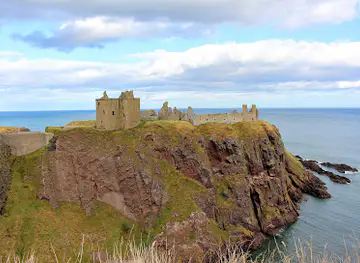
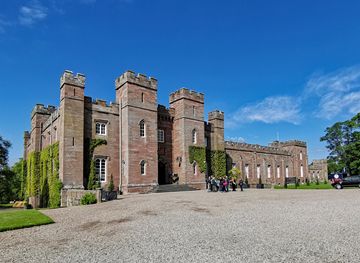
Glamis Castle
Explore Glamis Castle, a majestic Scottish fortress rich in royal history, ghostly legends, and stunning gardens nestled in Angus countryside.

Camperdown Wildlife Centre
Discover endangered wildlife and immersive animal experiences in Dundee’s scenic Camperdown Country Park.

Dundee Law
Dundee Law: A majestic extinct volcano offering sweeping 360° views, rich history, and tranquil nature atop Dundee’s highest point.

Best landmarks in Angus
Top-rated picks
Best Landmarks
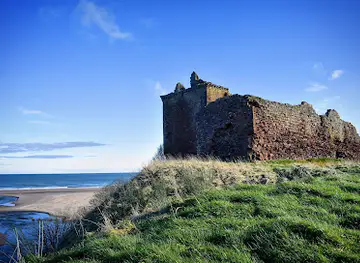
Red Castle
Explore the evocative ruins of Red Castle, a red sandstone sentinel overlooking Lunan Bay, steeped in medieval history and coastal drama.
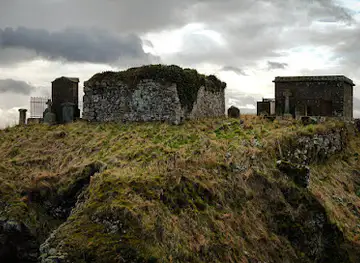
Boddin Point Lime Kilns
Explore Scotland’s largest 18th-century limekilns perched on a dramatic coastal promontory, blending industrial heritage with breathtaking sea views.
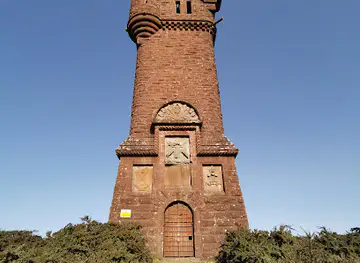
Airlie Monument
Historic Airlie Monument on Tulloch Hill offers breathtaking views and honors the 9th Earl of Airlie’s legacy in scenic Angus.
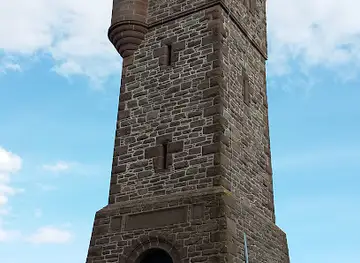
Balmashanner Monument
A solemn Scottish Baronial tower honoring Forfar’s WWI heroes with breathtaking views over Angus countryside.

Best restaurants in Angus
Top-rated picks
Best Restaurants

Peel Farm
Cozy farm-fresh coffee shop in Angus countryside, serving homemade cakes, daily specials, and afternoon teas amid nature trails and local produce delights.
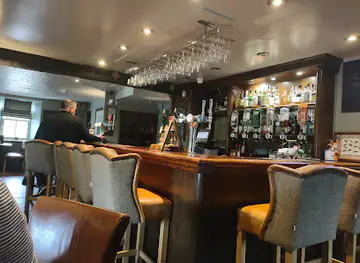
Drovers Inn Restaurant
Award-winning gastropub serving exceptional modern Scottish cuisine in charming Angus countryside.
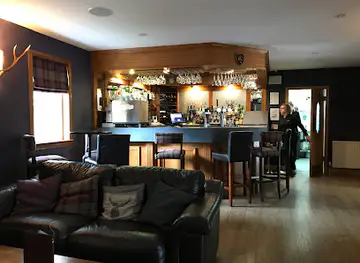
Armstrong's Bar & Restaurant
A warm and inviting Scottish dining experience near Glamis, blending traditional flavors with modern hospitality in the heart of Angus.
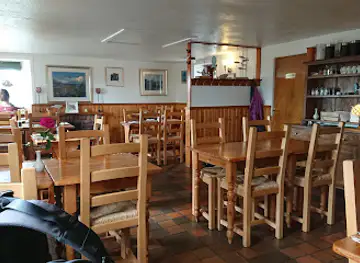
The But 'n' Ben
Cozy coastal dining in Auchmithie serving fresh Scottish seafood, Aberdeen Angus beef, and the iconic Arbroath Smokie in a warm, cottage-style setting.

Best bars in Angus
Top-rated picks
Best Bars

Trades House
Historic Dundee pub blending heritage charm with lively social vibes and hearty Scottish fare in a stunning converted bank building.

The Old Brewhouse
Historic coastal hotel and restaurant in Arbroath offering cozy rooms, fresh Scottish cuisine, and stunning sea views by the harbour.

Bird & Bear
A lively cocktail bar and Italian-inspired eatery in Dundee offering creative drinks, handcrafted pizzas, and a welcoming ambiance.
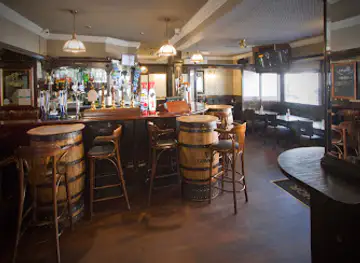
The Anchor Bar
A lively pub and restaurant in Broughty Ferry offering great food, drinks, live music, and a warm community atmosphere.

Best nightclubs in Angus
Top-rated picks
Best Nightclubs

Underground
Dundee’s lively nightclub blending modern beats with a welcoming pub vibe for unforgettable late-night fun.

Club Tropicana & Venga
Step into Dundee’s ultimate 80s nightclub for nostalgic beats, vibrant dance floors, and unforgettable retro nights at Club Tropicana & Venga.

AURA Nightclub
Experience Dundee’s vibrant nightlife at Aura Nightclub, where cutting-edge music and electrifying atmosphere meet unforgettable nights.

Pout Bar and Nightclub
Dundee's vibrant gay nightclub offering great music, welcoming vibes, and late-night dancing in the heart of the city.

Best shops in Angus
Top-rated picks
Best Shops

Wellgate Centre
A central Dundee shopping hub blending budget retail, community facilities, and practical conveniences in a historic urban setting.

Asda Arbroath Supermarket
Full-service supermarket with café, clothing, and petrol station in Arbroath's premier retail park.

Edzell Tweed Warehouse - The Tweedie
Discover authentic Scottish tweed, local produce, and warm hospitality at Edzell Tweed Warehouse, a charming rural gem in Angus.

Poundstretcher
Affordable discount shopping in Forfar’s town centre, offering homewares, pet supplies, and everyday essentials with convenient hours.

Explore Angus on the Map
A handpicked selection of must-see spots in Angus, mapped for you.
Angus Essentials
-
Angus is located in Scotland, UK. The nearest major airport is Dundee Airport (DND), approximately 30 kilometers away. Alternatively, Edinburgh Airport (EDI) is about 100 kilometers away. From Dundee, you can take a train or bus to various locations in Angus, such as Arbroath, Forfar, and Montrose. The train journey from Edinburgh to Dundee takes about 1.5 hours, and from Dundee to Arbroath takes around 20 minutes.
-
Public transportation in Angus is reliable and consists of buses and trains. ScotRail operates train services connecting towns like Arbroath, Montrose, and Carnoustie. Local bus services are provided by Stagecoach and other operators, which cover most of the region. Taxis are available, and car rentals can be a good option for more flexibility. Biking is also popular, especially along the scenic coastal routes.
-
The official currency is the British Pound (GBP). Credit and debit cards are widely accepted in most establishments. ATMs are easily accessible in towns, and contactless payments are common. However, it’s advisable to carry some cash for smaller businesses, local markets, or rural areas where card payments may not be accepted.
-
Angus is generally a safe destination for tourists. Standard precautions should be taken: avoid poorly lit areas at night and keep an eye on personal belongings in crowded places. There are no specific high-crime areas targeting tourists, but it's always best to stay vigilant and aware of your surroundings.
-
In case of emergency, dial 999 for police, fire, or medical assistance. Local hospitals and clinics are available in major towns like Arbroath and Forfar. Pharmacies are accessible for minor health issues. Having travel insurance that covers medical emergencies is recommended.
-
Fashion: Do dress in layers as the weather can be unpredictable. Don’t wear overly casual attire when dining in finer establishments. Religion: Do respect local customs and traditions, especially in religious sites. Public Transport: Do be punctual, as public transport operates on strict schedules. Don’t be loud or disruptive. Greetings: Do greet people with a friendly 'hello' or 'hi'. Shaking hands is common in formal settings. Eating & Drinking: Do try local specialties like Arbroath Smokie. Don’t refuse hospitality, as it is considered impolite.
-
To experience Angus like a local, visit the weekly farmers' markets in towns like Forfar and Kirriemuir. Engage with the locals and explore lesser-known historical sites such as the Pictish stones. Enjoy the outdoor activities like hiking in the Angus Glens or walking along the coastal paths. For a unique experience, attend local festivals and events which often showcase traditional Scottish music and dance.
When is the best time to visit Angus?
Useful Local Phrases for Angus
You don't need to speak the language perfectly. Even learning a few simple words can make conversations warmer—and locals usually appreciate the effort.
— Eve

Here are the phrases I use most often in Angus. Try a few—you'll be surprised how far they go! 😊
❤️
-
- HelloHello
[heh-loh] - GoodbyeCheerio
[cheer-ee-oh] - YesAye
[ay] - NoNae
[nay] - Please/You're welcomePlease/No bother
[pleez/no bo-thur] - Thank youCheers
[cheers] - Excuse me/SorryExcuse me/Sorry
[eks-kyoos mee/sor-ree] - How are you?How's it gaun?
[how's it gone] - Fine. And you?Aye, fine. An yersel'?
[ay, fine. an yer-sell?] - Do you speak English?Dae ye speak English?
[day ye speak ing-glish?] - I don't understandAh dinnae understand
[ah din-ay un-der-stand]
- HelloHello
-
- I'd like to see the menu, pleaseAh'd like tae see the menu, please
[ah'd like tay see the men-yoo, pleez] - I don't eat meatAh dinnae eat meat
[ah din-ay eat meet] - Cheers!Cheers!
[cheers] - I would like to pay, pleaseAh'd like tae pay, please
[ah'd like tay pay, pleez]
- I'd like to see the menu, pleaseAh'd like tae see the menu, please
-
- Help!Help!
[help] - Go away!Gae awa!
[gay ah-wah] - Call the Police!Phone the polis!
[fone the po-lis] - Call a doctor!Phone a doctor!
[fone a doc-tor] - I'm lostAh'm lost
[ah'm lost] - I'm illAh'm unweel
[ah'm un-weel]
- Help!Help!
-
- I'd like to buy...Ah'd like tae buy...
[ah'd like tay buy...] - I'm just lookingAh'm just lookin'
[ah'm just look-in'] - How much is it?How much's that?
[how much's that?] - That's too expensiveThat's owre dear
[that's ow-re deer] - Can you lower the price?Can ye lower the price?
[can ye low-er the price?]
- I'd like to buy...Ah'd like tae buy...
-
- What time is it?Whit time is it?
[whit time is it?] - It's one o'clockIt's one o'clock
[it's wuhn uh-clock] - Half past (10)Half past (10)
[half past (ten)] - MorningMornin'
[mor-nin'] - AfternoonAfternoon
[af-ter-noon] - EveningEvenin'
[ee-vin'] - YesterdayYesterday
[yes-ter-day] - TodayToday
[to-day] - TomorrowMorrow
[mor-row] - 1Wan
[wahn] - 2Twa
[twa] - 3Three
[three] - 4Four
[four] - 5Five
[five] - 6Six
[six] - 7Seven
[seven] - 8Eight
[eight] - 9Nine
[nine] - 10Ten
[ten]
- What time is it?Whit time is it?
-
- Where's a/the...?Whar's a/the...?
[whar's a/the...?] - What's the address?Whit’s the address?
[whit’s the ad-dress?] - Can you show me (on the map)?Can ye show me (on the map)?
[can ye show me (on the map)?] - When's the next (bus)?When's the next (bus)?
[when's the next (bus)?] - A ticket (to ....)A ticket (ta ...)
[a tick-it (ta ...)]
- Where's a/the...?Whar's a/the...?
History of Angus
-
Angus, known for its rich Pictish heritage, is home to several ancient stones and carvings. The Aberlemno Stones are a prominent example, showcasing intricate Pictish symbols and scenes that date back to the 7th and 8th centuries. These stones provide invaluable insights into the life and beliefs of the Picts, the indigenous people of Scotland before the Scots' arrival.
-
One of the most significant events in Angus's history is the Battle of Dunnichen, also known as the Battle of Nechtansmere. This fierce battle between the Picts, led by King Bridei III, and the invading Northumbrians resulted in a decisive Pictish victory. This clash is commemorated near the village of Dunnichen, and its site remains a point of historical interest.
-
During the late medieval period, Angus played a crucial role in Scotland's Wars of Independence. The county was the birthplace of William Wallace, one of Scotland’s iconic heroes. Wallace's rebellion against English rule began in the town of Dundee, leading to significant battles, including the Battle of Stirling Bridge in 1297.
-
Glamis Castle, the ancestral home of the Earls of Strathmore and Kinghorne, is one of the most famous landmarks in Angus. It has been a royal residence since 1372 and is steeped in Scottish history and legends. The castle is also noted for its connection to Shakespeare's Macbeth and as the childhood home of Queen Elizabeth The Queen Mother.
-
By the 19th century, Angus had become a hub of industrial activity. The jute industry, in particular, flourished in Dundee, earning it the nickname 'Juteopolis.' The growth of the textile industry brought significant economic changes and urban development to the region, transforming it into an industrial powerhouse.
-
Arbroath Abbey, founded in 1178, is a significant historical site in Angus. It is famously associated with the Declaration of Arbroath, a declaration of Scottish independence sent to Pope John XXII in 1320. This document asserted Scotland's status as an independent, sovereign state and is considered one of Scotland's most important historical records.
-
The coastal towns of Angus, such as Arbroath and Montrose, have a rich fishing heritage. Arbroath, in particular, is renowned for its 'Arbroath Smokies,' a traditional type of smoked haddock. The fishing industry has been a vital part of the local economy and culture, shaping the community's way of life for centuries.
-
Montrose Basin, a tidal basin estuary of the River South Esk, is a haven for wildlife and a site of significant ecological importance. It has been a center for birdwatching and natural studies for many years, attracting visitors interested in the diverse bird species and other wildlife that inhabit the area.
Neighbouring Regions of Angus
The closest regions to Angus, if you have time for more than one.


Your all‑in‑one travel companion app
Explore expert travel guides, compare and book tours, experiences, hotels, and more—all from the palm of your hand. Download now for seamless trip planning wherever your wanderlust takes you.


Explore More of United Kingdom

Looking beyond Angus? Discover United Kingdom for broader travel guides, local hot-spots, and regional highlights.
Explore United KingdomAngus in Photos
Browse through our photo collection highlighting the charm and character of the destination.


Discover the Charms of Angus: Scotland's Hidden Gem
Angus, located in the eastern region of Scotland, is a delightful blend of natural beauty, rich history, and vibrant culture. This enchanting area is nestled between the dramatic coastline of the North Sea and the rolling hills of the Scottish Highlands, offering visitors a unique and picturesque landscape to explore. History enthusiasts will find themselves captivated by Angus's ancient ruins and historical landmarks. The impressive Arbroath Abbey, where the Declaration of Arbroath was signed in 1320, stands as a testament to Scotland's storied past. Meanwhile, the Glamis Castle, the childhood home of Queen Elizabeth, the Queen Mother, offers a glimpse into the royal heritage and legends that have shaped the region. Nature lovers can revel in the diverse outdoor activities available in Angus. The Angus Glens provide stunning hiking trails that weave through lush valleys and rugged hills, perfect for both casual walkers and seasoned trekkers. The coastline, dotted with charming fishing villages like Auchmithie, offers serene beaches and opportunities for bird watching, making it an ideal spot for relaxation and wildlife observation. Culinary enthusiasts will be delighted by Angus's local cuisine, particularly its fresh seafood and famous Angus beef. The region's farmers' markets and cozy eateries serve up delicious dishes that highlight the best of Scotland's produce. Don't miss the chance to taste the Arbroath Smokie, a traditional smoked haddock that is a local specialty. Angus is also home to a variety of festivals and cultural events throughout the year. From traditional Highland games to music and arts festivals, there's always something happening to entertain and engage visitors. These events provide a perfect opportunity to experience the local culture and community spirit. Whether you're a history buff, a nature lover, or a foodie, Angus offers something special for every traveler. Its unique blend of scenic landscapes, historic sites, and warm hospitality makes it a must-visit destination in Scotland.