Boddin Point Lime Kilns Travel Guide
Free Guide: Explore Scotland’s largest 18th-century limekilns perched on a dramatic coastal promontory, blending industrial heritage with breathtaking sea views.


A brief summary of Boddin Point Lime Kilns
Explore Scotland’s largest 18th-century limekilns perched on a dramatic coastal promontory, blending industrial heritage with breathtaking sea views.
Boddin Point Lime Kilns, near Montrose, Scotland, are striking 18th-century ruins of once the largest limeworks in the country. Perched on a rugged promontory overlooking the North Sea, these historic kilns date back to the 1700s and reflect Scotland’s industrial past. The site offers dramatic coastal views, rich history, and a glimpse into lime production vital for agriculture and construction. Visitors can explore the atmospheric ruins and nearby coastal features, though caution is advised due to erosion and structural decay.
On-site amenities
 Seating areas
 Information boards
 Trash bins
Opening hours
- Every dayOpen 24 hours
Opening hours as listed on the venue’s Google Business Profile. Hours can change for services and special events, so check with the venue before you go.
- Address
- Boddin, Montrose DD10 9TD
Getting there
Car
Bus
Walking
Discover more about Boddin Point Lime Kilns
Origins and Industrial Significance of Boddin Point Lime Kilns
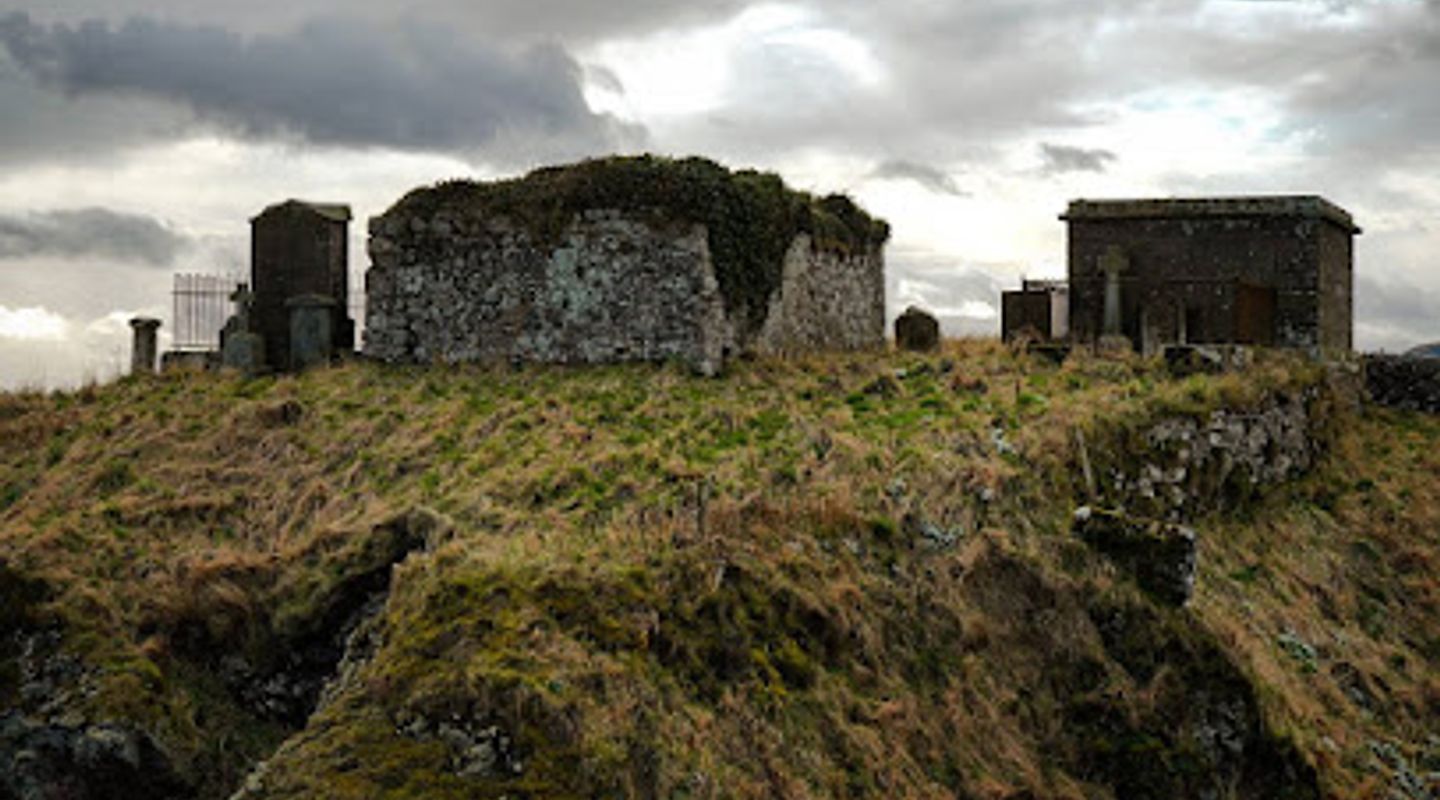
The Boddin Point Lime Kilns trace their origins to the late 17th century, with limestone extraction beginning around 1696. The surviving kiln structures were primarily built circa 1750 by Robert Scott of Duninald, a notable Scottish entrepreneur and politician. These kilns formed the largest limeworks in Scotland during their operation, playing a crucial role in producing lime used for agricultural soil improvement and building materials. The limeworks thrived until limestone resources were exhausted, leading to abandonment in 1831. Historical maps from 1865 depict three kiln bowls, two of which remain clearly visible today, while the third lies mostly buried beneath earthworks.
Atmospheric Coastal Setting and Natural Features
Situated on a limestone promontory at the northern end of Lunan Bay, the kilns overlook the North Sea, offering panoramic views of the rugged coastline and nearby landmarks such as Bell Rock Lighthouse. The site’s dramatic cliffside location exposes it to relentless coastal erosion, which has caused significant structural decay and partial collapse of the kilns over time. Adjacent to the kilns is the derelict 19th-century salmon fishing station, adding to the area’s historical narrative. Nearby natural features include Elephant Rock, a sea-formed arch resembling an elephant, and coastal caves that provide a sense of adventure for visitors exploring the shoreline.
Current Condition and Conservation Challenges
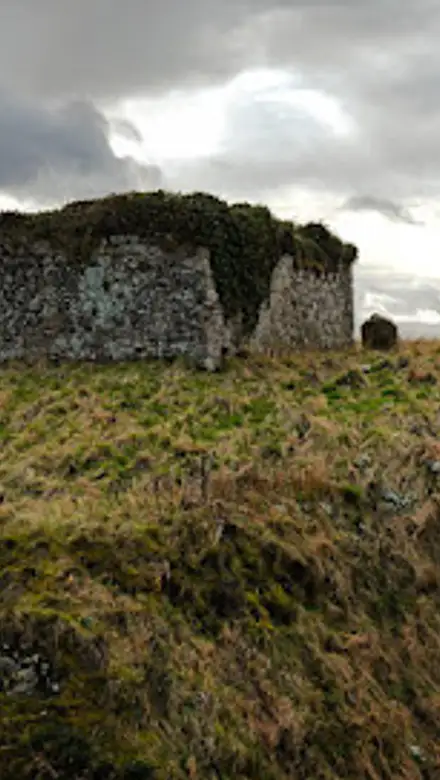
The lime kilns stand today as evocative ruins, their stonework weathered and fragile due to ongoing erosion and undercutting by the sea. Safety warnings advise visitors to admire the structures from a distance, as parts of the kilns are unstable and entry is prohibited. Despite their dilapidated state, the kilns remain a powerful symbol of Scotland’s industrial heritage and coastal history. Conservation efforts face challenges due to the natural forces gradually reclaiming the site, making it a poignant example of heritage at risk from environmental change.
Visitor Experience and Surrounding Attractions
Visitors to Boddin Point can enjoy scenic coastal walks along paths that connect the kilns with nearby points of interest, including the clifftop cemetery with historic gravestones and the salmon fishing harbour ruins. The area is ideal for photography, especially at sunrise or sunset when the light enhances the dramatic landscape. The terrain can be uneven and exposed, so sturdy footwear and caution near cliff edges are recommended. The site offers a tranquil atmosphere where history and nature intertwine, making it a rewarding destination for history enthusiasts, photographers, and those seeking a peaceful coastal escape.
Historical Anecdotes and Local Lore
The kilns were constructed under the direction of Robert Scott of Duninald, who briefly served in the House of Commons in the early 18th century. Local stories include poignant tales such as the grave of George James Ramsay, whose gravestone humorously records a death date preceding his birth. The salmon fishing station nearby reflects the once-thriving maritime economy, now reduced to evocative ruins. The site’s gradual erosion has become part of its story, symbolizing the passage of time and nature’s reclaiming of human industry.
Preserving a Vanishing Landmark
As coastal erosion continues to threaten the Boddin Point Lime Kilns, the site stands as both a monument to Scotland’s industrial past and a reminder of the impermanence of man-made structures in the face of natural forces. Visitors are encouraged to respect the fragile environment and heed safety advice while appreciating the unique blend of history, geology, and scenic beauty that defines this remarkable location.
Evendo Review Centre
 Google
Guest reviews
Best time to go
Quietest: Jan, Feb & Dec · before 6am or at 9pm
Busy times are Evendo estimates for a typical year, to help you plan. Actual crowds vary with events, school holidays and the weather.
Explore Boddin Point Lime Kilns on the map
A handpicked selection of must-see spots near Boddin Point Lime Kilns, mapped for you.
Get your free copy of our complete guide to Boddin Point Lime Kilns, delivered straight to you.
Everything on this page, from opening hours and how to get there to Eve’s tips and the best time to go, in one PDF you can read offline, print or share.
Already have an account? Sign in
Your Boddin Point Lime Kilns guide is ready.
We'll send it to · Not you? Sign out

Getting your guide ready…
We are putting together a fresh copy of the Boddin Point Lime Kilns guide. This can take up to a minute.
This can take a few moments. If your browser asks, choose Allow so the download can start. You'll find the guide in your Downloads folder.
Nothing happened? Download it again
Sorry, the guide is taking longer than usual. Please try again in a minute, or get it by email instead.
Unlock the best of Boddin Point Lime Kilns
Skip-the-line tickets, guided tours with entry, and walking tours of the area, booked in a few clicks.

Other nearby places you may find interesting
The closest places of the same kind, if this one is not quite what you had in mind.
-
-
-
-
-


Swipe for more places
More to explore near Boddin Point Lime Kilns
-
 Best experiences near Boddin Point Lime Kilns
-
 Best hotels near Boddin Point Lime Kilns
-
 Best landmarks near Boddin Point Lime Kilns
-
 Best attractions near Boddin Point Lime Kilns
-
 Best shops near Boddin Point Lime Kilns
-
 Best restaurants near Boddin Point Lime Kilns
-
 Best bars near Boddin Point Lime Kilns


Do you manage this location?
Take control to get all the benefits, like improved information, better appearance, and stronger visibility across AI-powered discovery.
Explore more

Explore more of Angus
Explore Angus: A captivating destination in Scotland known for its rich history, stunning landscapes, and vibrant culture.
Explore Angus
Explore more of United Kingdom
Discover the United Kingdom: A blend of rich history, stunning landscapes, and vibrant cities, offering a unique travel experience for every visitor.
Explore United Kingdom