
Dunadd Fort, Argyllshire Travel Guide
Explore Dunadd Fort, the ancient royal seat of Gaelic kings, with carved stone footprints and panoramic views in historic Kilmartin Glen.
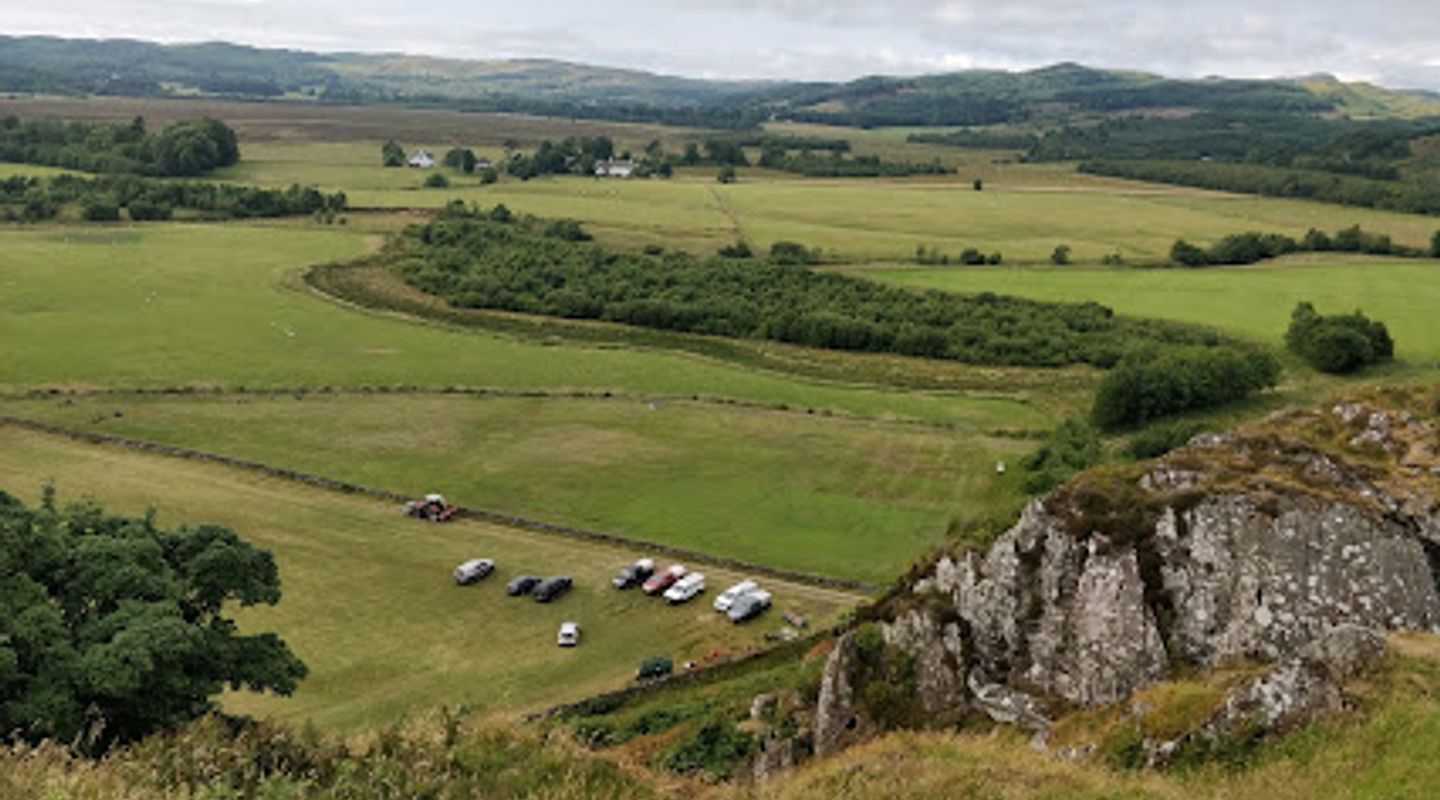
Dunadd Fort is a dramatic ancient hillfort perched on a rocky outcrop in Kilmartin Glen, Scotland. Once the capital of the Gaelic kingdom of Dál Riata from around 500 to 800 AD, it was a royal power centre where kings were crowned, symbolized by the carved stone footprints at its summit. Visitors can explore terraces with remnants of stone walls, view intricate rock carvings, and enjoy panoramic views over the surrounding landscape.
A brief summary to Dunadd Fort
- A816, Lochgilphead, PA31 8SU, GB
- Click to display
- Duration: 0.5 to 2 hours
- Free
-
 Outdoor
- Mobile reception: 3 out of 5

Know before you go
Hi, I'm Eve. Here are a few practical things to know before exploring Dunadd Fort.
- Wear sturdy footwear for the steep and uneven path leading to the summit.
- Visit the nearby Kilmartin Museum for deeper historical insights and exhibits.
- Bring water and snacks as there are no facilities at the fort itself.
- Take time to place your foot in the carved footprint on the Inauguration Stone for a symbolic connection to ancient kings.
- Plan your visit in clear weather to fully appreciate the panoramic views from the summit.
Do you manage this location?
Take control to get all the benefits, like improved information, better appearance, and stronger visibility across AI-powered discovery. Learn more about listing your business on Evendo
Activate your presenceOther nearby places you may find interesting
The closest places of the same kind, if this one is not quite what you had in mind.

Explore Dunadd Fort on the Map
A handpicked selection of must-see spots near Dunadd Fort, mapped for you.
Unlock the Best of Dunadd Fort
Buy tickets
-
No tickets available
Book tours with entry


Book tours without entry

Getting There
-
Car
Driving from Lochgilphead, the nearest town, takes approximately 15-20 minutes via the A816 road. Parking is available near the site, but the fort itself requires a short 5-minute steep walk on uneven terrain. No public parking fees apply.
-
Walking
From the car park adjacent to the A816, a clear footpath leads to Dunadd Fort. The walk is about 400 meters and takes 5-10 minutes, with a steep incline near the summit. Suitable for moderately fit visitors; sturdy footwear recommended.
-
Public Transport + Walk
Public transport options are limited; the closest bus stops are in Lochgilphead, approximately 8 km away. From there, a taxi or private transfer is recommended to reach the fort due to the lack of nearby public transport services.
For the on-the-go comforts that matter to you
-
 Parking
-
 Information Boards
-
 Seating Areas
Discover more about Dunadd Fort
Strategic Natural Fortress Shaped by Millennia
Dunadd Fort rises prominently from the flat, boggy expanse of Moine Mhor in Kilmartin Glen, a landscape rich with over 300 ancient monuments. The fort occupies a rocky hill about four stories high, naturally fortified by its steep slopes and surrounding wetlands. Archaeological evidence shows the site was used as a defensive stronghold for more than 2,000 years, with the earliest fortifications dating back to the Iron Age. Visitors ascending the hill pass through a narrow natural passage and a series of terraces once protected by formidable stone walls, culminating in an enclosure at the summit where the king likely held court.Royal Seat of Dál Riata and Coronation Rituals
From approximately 500 to 800 AD, Dunadd was the political and ceremonial heart of the Gaelic kingdom of Dál Riata, which spanned parts of western Scotland and northern Ireland. It is famously associated with the coronation of kings, including possibly Kenneth MacAlpin, the first King of Scots. A key highlight is the Inauguration Stone near the summit, featuring carved human footprints believed to have been used in royal rituals symbolizing the king’s bond with the land. The original stone lies protected beneath a replica, but its footprint invites visitors to symbolically step into the role of ancient royalty.Archaeological Riches and Craftsmanship
Excavations have uncovered a wealth of artefacts indicating Dunadd’s importance as a centre of wealth and craftsmanship. The site housed a significant metalworking workshop, producing fine jewelry such as Hunterston-type brooches, and was a hub for trade across continental Europe. The fort’s terraces reveal a carved basin, an image of a boar, and ogham inscriptions, underscoring its cultural and ritual significance. Dunadd yielded the largest and most diverse pottery assemblage found in northwest Europe, reflecting its status as a major production and political centre.A Panoramic Vantage over Historic Landscapes
At the summit, visitors are rewarded with sweeping views across Kilmartin Glen, the River Add, and distant islands such as Jura and Iona. This vantage point would have provided strategic oversight of the kingdom’s territory and is thought to have hosted the citadel where political decisions were made. The dramatic setting enhances the sense of connection to Scotland’s early medieval past, where nature and power intertwined.Visiting Dunadd Fort Today
Dunadd Fort is freely accessible year-round, with a well-defined but steep path leading from the nearby car park. The climb is short but requires sturdy footwear due to uneven terrain near the summit. While there are no food or drink facilities on site, the nearby Kilmartin Museum offers additional historical context. Dogs are permitted but must be kept on a lead. This site offers a tangible link to Scotland’s origins and the Gaelic kings who shaped its early history.Legacy Within Kilmartin Glen’s Ancient Heart
Dunadd Fort sits within Kilmartin Glen, one of Scotland’s richest archaeological landscapes, home to standing stones, stone circles, and burial cairns spanning millennia. Exploring Dunadd alongside these sites provides a comprehensive glimpse into Scotland’s prehistoric and early medieval heritage. The fort’s enduring presence atop the great moss symbolizes the deep roots of Scottish identity and the ancient traditions that continue to captivate visitors today.












Your all‑in‑one travel companion app
Explore expert travel guides, compare and book tours, experiences, hotels, and more—all from the palm of your hand. Download now for seamless trip planning wherever your wanderlust takes you.


Explore More of Argyllshire
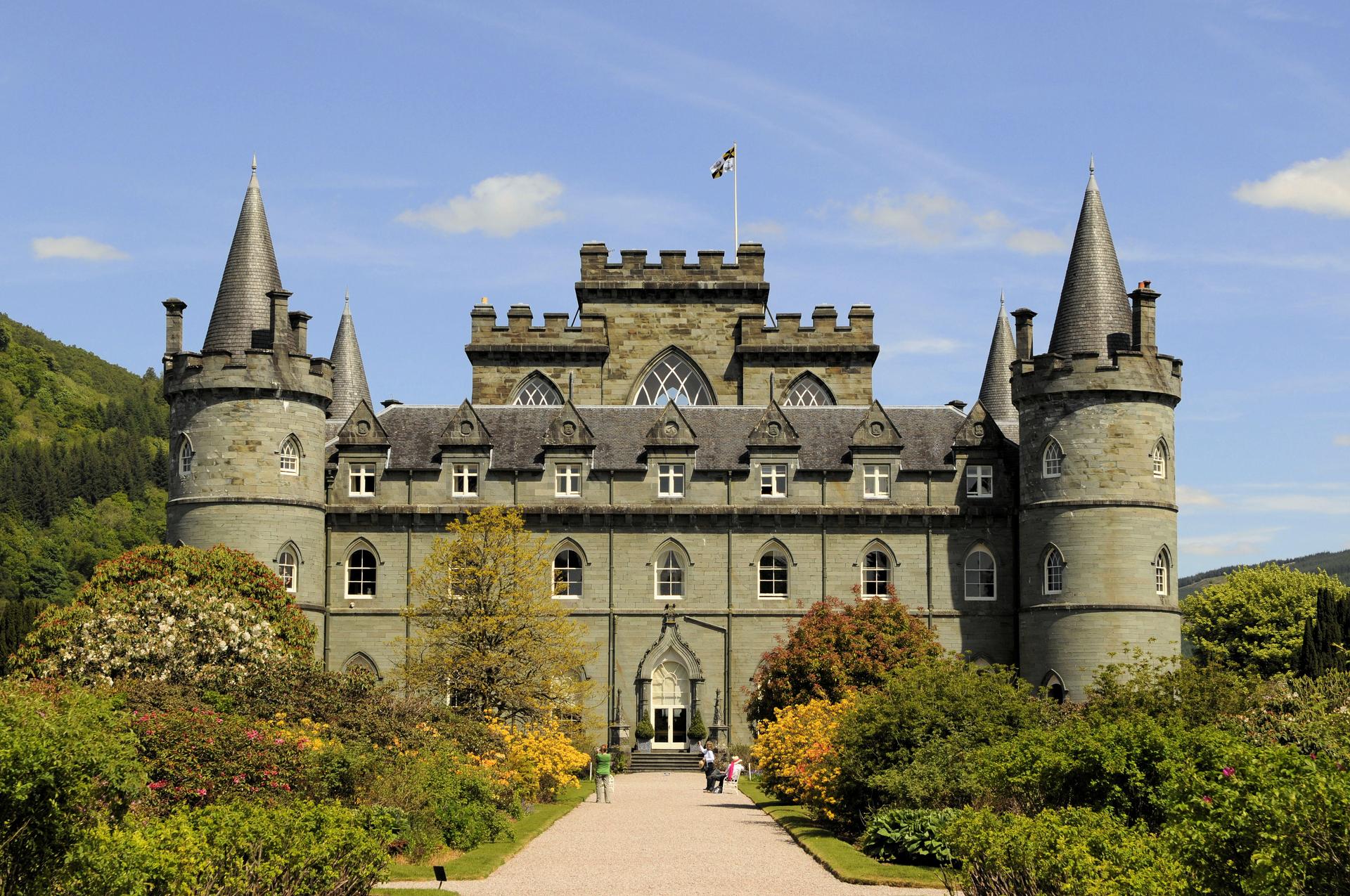
Looking beyond Dunadd Fort? Discover Argyllshire for broader travel guides, local hot-spots, and regional highlights.
Explore Argyllshire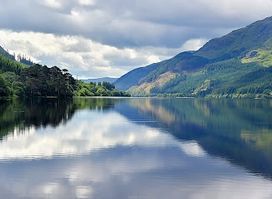
A tranquil picnic spot with breathtaking views of Loch Eck, perfect for nature lovers and outdoor adventurers in Argyll Forest Park.
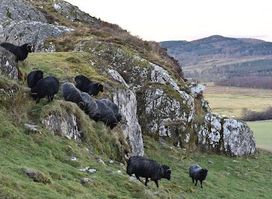
Explore Dunadd Fort, the ancient royal seat of the Gaelic kings of Dál Riata, where history, ritual, and panoramic views converge in Argyll’s Kilmartin Glen.
