

Dunchraigaig Cairn Travel Guide
Free Guide: Explore Scotland’s ancient Dunchraigaig Cairn, home to the earliest known prehistoric animal carvings and a unique Bronze Age burial site.


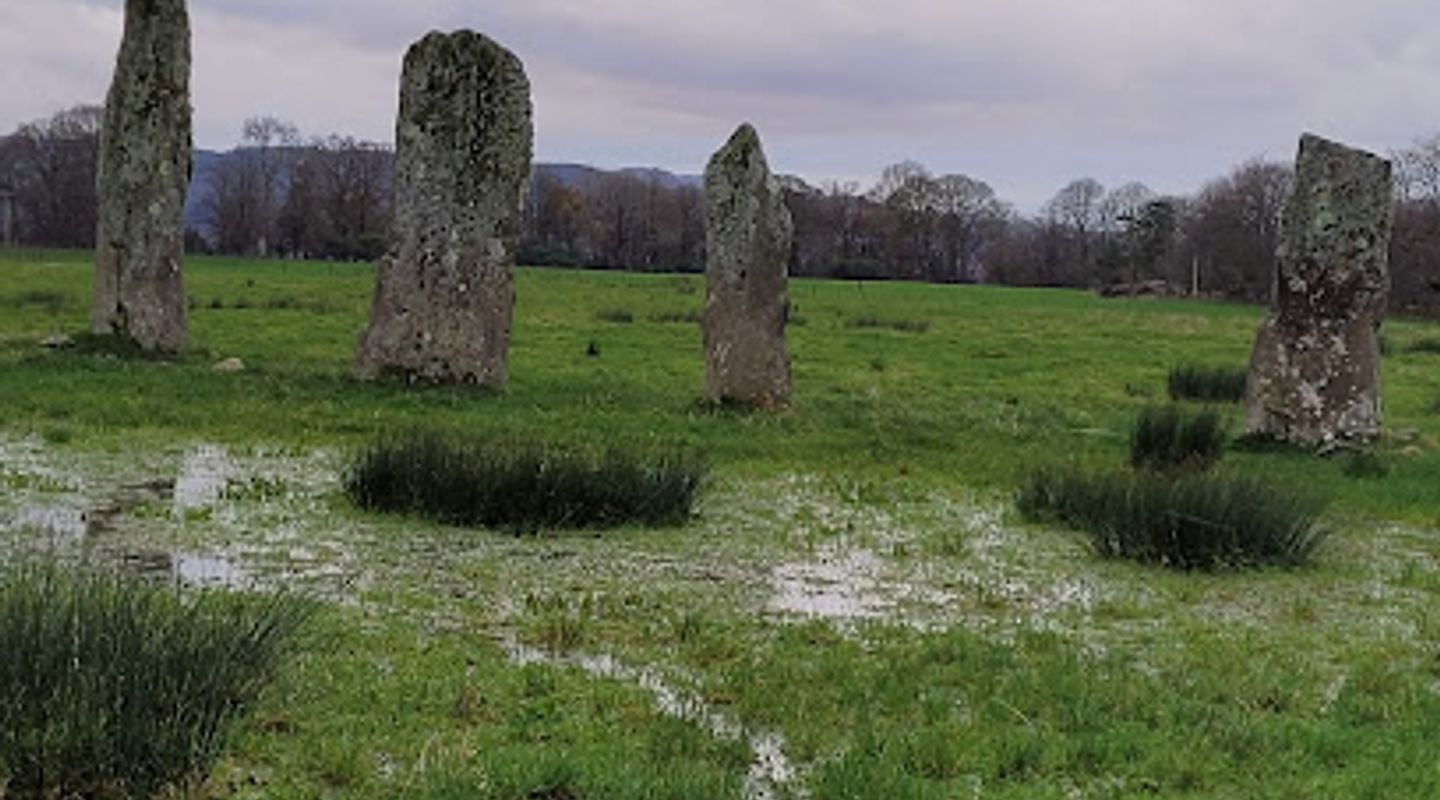
A brief summary of Dunchraigaig Cairn
Explore Scotland’s ancient Dunchraigaig Cairn, home to the earliest known prehistoric animal carvings and a unique Bronze Age burial site.
Dunchraigaig Cairn, located in Kilmartin Glen near Lochgilphead, is a remarkable Early Bronze Age burial site dating back around 4,000 to 5,000 years. This large cobble mound contains three stone burial cists, including one unusually holding remains of up to ten individuals. It is famed for the discovery of Scotland’s earliest known prehistoric animal carvings—depictions of red deer—etched beneath a massive capstone, offering a rare glimpse into ancient symbolic art and burial practices.
On-site amenities
 Restrooms
 Information boards
 Seating areas
Opening hours
- Every dayOpen 24 hours
Opening hours as listed on the venue’s Google Business Profile. Hours can change for services and special events, so check with the venue before you go.
- Address
- A816, Kilmartin, Lochgilphead PA31 8RQ
- Website
Getting there
Car
Bus
Walking
Discover more about Dunchraigaig Cairn
A Unique Bronze Age Burial Site in Kilmartin Glen
Dunchraigaig Cairn stands apart from the other prehistoric burial cairns in Kilmartin Glen, a valley renowned for its dense concentration of Neolithic and Bronze Age monuments. Measuring about 30 meters in diameter, this cobble mound dates from approximately 2100 BC and contains three distinct burial cists. Excavations in the 19th century revealed a range of burial practices, including cremated bones and full-body inhumations, with the southeastern cist notably containing the remains of up to ten individuals—a rare example of multiple burials in a Bronze Age cist. This diversity in interment methods highlights the cairn’s complex ritual significance within the prehistoric community.
The Earliest Animal Carvings in Scotland
In a groundbreaking discovery made in 2020, archaeologists uncovered at least five prehistoric animal carvings beneath the capstone of the southeastern cist. These carvings, created by pecking into the stone, depict red deer stags with branching antlers and juvenile deer figures, making them the earliest known animal representations in Scotland’s rock art record. The figurative nature of these carvings is exceptional, as most prehistoric rock art in Scotland features geometric motifs. This find not only enriches understanding of Bronze Age symbolic expression but also suggests the animals may have held special significance, possibly symbolizing the elite status of those buried within.
Context Within a Rich Prehistoric Landscape
Dunchraigaig Cairn is part of a broader prehistoric landscape in Kilmartin Glen, which includes a linear cemetery of five other cairns, stone circles, and numerous carved rock outcrops. The glen’s monuments and rock art collectively offer a window into the lives, beliefs, and social networks of early communities in western Scotland. Trade routes spanning Ireland, Wales, and northern England are evidenced by grave goods found in the cairns, indicating Kilmartin Glen’s role as a hub of cultural and economic exchange during the Early Bronze Age.
Exploring the Cairn and Its Surroundings
The cairn is readily visible from the nearby car park and can be approached year-round without an entrance fee. Visitors can observe the exposed cists, though the southeastern cist with the animal carvings is closed to protect these fragile artworks. The surrounding area invites exploration of other prehistoric sites and rock art panels, including the nearby Baluachraig Rock Art, known for its cup-and-ring marks. Together, these features create an evocative setting that connects visitors to Scotland’s deep prehistoric past.
Preservation and Significance
Efforts to preserve Dunchraigaig Cairn and its carvings are ongoing, with access restrictions on sensitive areas to ensure their protection. The cairn’s multi-generational cultural importance is recognized as part of Scotland’s heritage, offering invaluable insights into Bronze Age burial customs, artistic practices, and social structures. The discovery of the animal carvings has reshaped archaeological perspectives on prehistoric rock art north of the English border, marking Dunchraigaig as a site of national and international significance.
Living Heritage and Natural Surroundings
The landscape around Dunchraigaig remains vibrant with wildlife, including red and roe deer, echoing the ancient carvings within the cairn. The natural environment enhances the atmosphere of the site, blending history with the rhythms of the present-day Scottish countryside. This living connection between past and present enriches the visitor experience, making Dunchraigaig Cairn a compelling destination for those interested in archaeology, history, and nature.
Evendo Review Centre
 Google
Guest reviews
Best time to go
Quietest: Jan, Feb & Dec · before 6am or at 9pm
Busy times are Evendo estimates for a typical year, to help you plan. Actual crowds vary with events, school holidays and the weather.
Explore Dunchraigaig Cairn on the map
A handpicked selection of must-see spots near Dunchraigaig Cairn, mapped for you.
Get your free copy of our complete guide to Dunchraigaig Cairn, delivered straight to you.
Everything on this page, from opening hours and how to get there to Eve’s tips and the best time to go, in one PDF you can read offline, print or share.
Already have an account? Sign in
Your Dunchraigaig Cairn guide is ready.
We'll send it to · Not you? Sign out

Getting your guide ready…
We are putting together a fresh copy of the Dunchraigaig Cairn guide. This can take up to a minute.
This can take a few moments. If your browser asks, choose Allow so the download can start. You'll find the guide in your Downloads folder.
Nothing happened? Download it again
Sorry, the guide is taking longer than usual. Please try again in a minute, or get it by email instead.
Other nearby places you may find interesting
The closest places of the same kind, if this one is not quite what you had in mind.
-
Inveraray Castle Explore Inveraray Castle, a majestic Gothic Revival home of Clan Campbell set on Loch Fyne with stunning gardens and rich Scottish heritage.
-
The Argyll Stone Discover the historic Argyll Stone in Renfrew, a silent witness to rebellion, legend, and Scotland’s rich cultural heritage by the riverside.
-
Castle Sween Explore Castle Sween, Scotland’s oldest stone castle, perched on Loch Sween’s shore with centuries of clan history and stunning coastal views.
-
Argyll Square Historic Argyll Square anchors Oban’s waterfront with classical architecture and vibrant local life at Scotland’s scenic western coast.
-
Ardchattan Priory Discover the tranquil ruins and ancient gardens of Ardchattan Priory, a medieval monastic site steeped in Scottish history and clan heritage.
Swipe for more places
More to explore near Dunchraigaig Cairn

 Best experiences near Dunchraigaig Cairn
 Best hotels near Dunchraigaig Cairn
 Best landmarks near Dunchraigaig Cairn
 Best attractions near Dunchraigaig Cairn
 Best shops near Dunchraigaig Cairn
 Best restaurants near Dunchraigaig Cairn
 Best bars near Dunchraigaig Cairn
Do you manage this location?
Take control to get all the benefits, like improved information, better appearance, and stronger visibility across AI-powered discovery.
Explore more

Explore more of Argyllshire
Explore Argyllshire: A Scottish paradise of rugged coastlines, ancient castles, and charming villages, offering a blend of natural beauty and rich history.
Explore Argyllshire
Explore more of United Kingdom
Discover the United Kingdom: A blend of rich history, stunning landscapes, and vibrant cities, offering a unique travel experience for every visitor.
Explore United Kingdom
