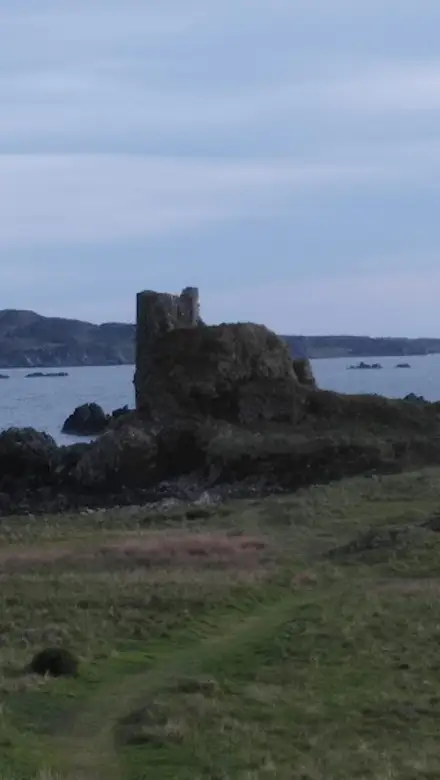
Dunyvaig Castle Travel Guide
Free Guide: Ruins of a mighty clan fortress on Islay’s coast, where history, sea, and legend converge in dramatic fashion.


A brief summary of Dunyvaig Castle
Ruins of a mighty clan fortress on Islay’s coast, where history, sea, and legend converge in dramatic fashion.
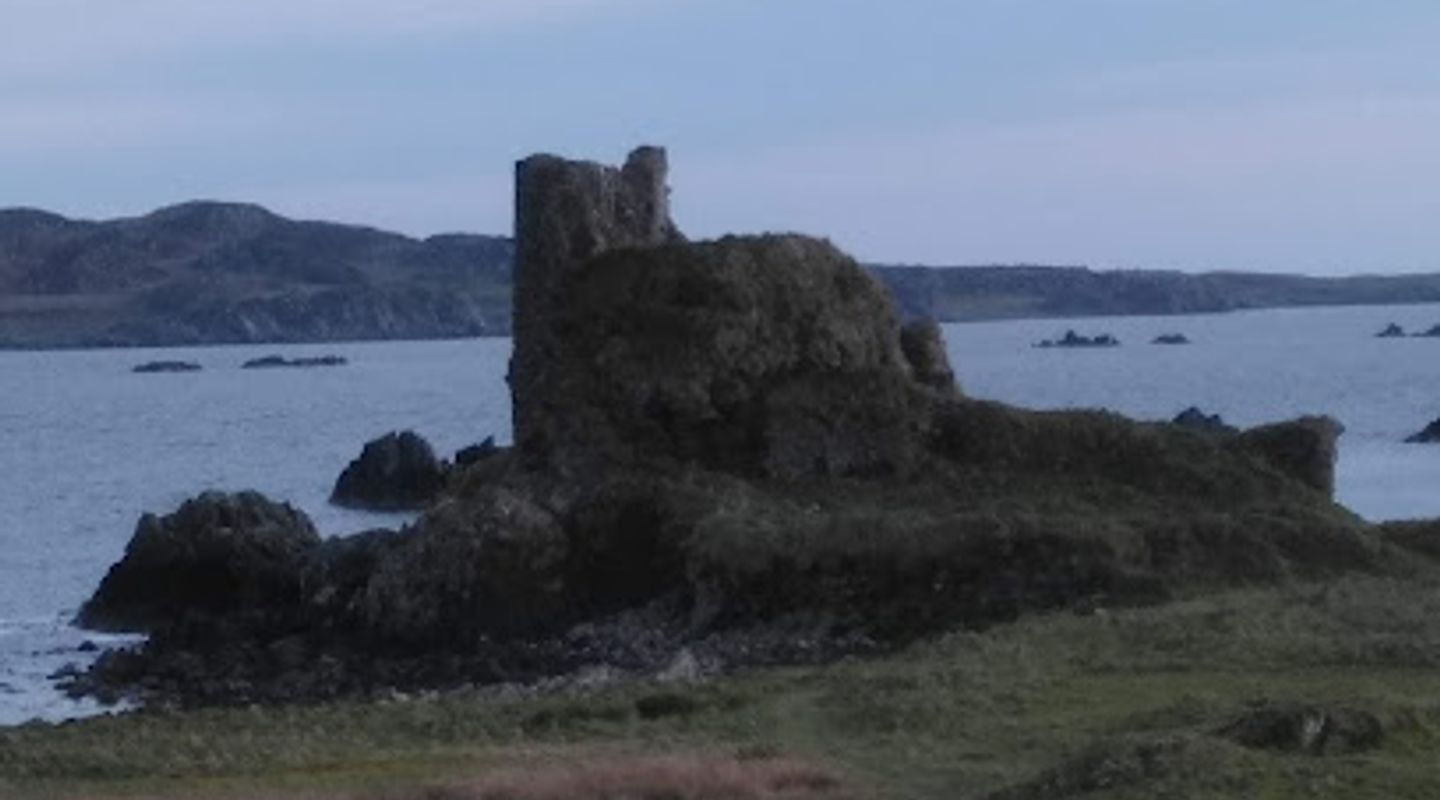
Dunyvaig Castle, perched on a rocky promontory overlooking Lagavulin Bay on the Isle of Islay, is a dramatic ruin steeped in Scottish clan history. Originally built on an Iron Age fort, the castle served as a naval base for the Lords of the Isles, chiefs of Clan MacDonald, from the 12th century. Its remains include 13th to 16th-century structures, telling tales of clan battles, royal sieges, and shifting ownership between the MacDonalds and Campbells. Today, it offers evocative ruins and stunning coastal views.
On-site amenities
 Restrooms
 Drink options
 Food options
 Seating areas
 Information boards
Opening hours
- Every dayOpen 24 hours
Opening hours as listed on the venue’s Google Business Profile. Hours can change for services and special events, so check with the venue before you go.
- Address
- Isle of Islay
- Website
Getting there
Bus
Car
Walking
Discover more about Dunyvaig Castle
Origins and Strategic Importance of Dunyvaig Castle
Dunyvaig Castle stands on the southern coast of Islay, Scotland, on a rocky headland that juts into the sheltered waters of Lagavulin Bay. The site originally hosted an Iron Age dun, a fortified hilltop settlement, which was later developed into a castle by Somerled, King of the Isles, in the 12th century. Its Gaelic name, often interpreted as 'fort of the galleys' or 'little ships,' reflects its historic role as a naval stronghold protecting the fleet of the Lords of the Isles, the powerful chiefs of Clan MacDonald. The castle’s location provided a strategic anchorage and defensive position controlling sea routes around Islay.
Clan Conflicts and Shifting Ownership Through Centuries
Throughout its history, Dunyvaig Castle was a focal point of fierce clan rivalries and political upheaval. Initially held by the MacDonalds, the castle was forfeited to the Scottish Crown in 1493 after the fall of the Lordship of the Isles. It subsequently passed to the MacIans and later the Campbells, sparking repeated sieges and battles as the MacDonalds sought to reclaim it. The 16th and 17th centuries saw numerous conflicts, including sieges by royal forces and clan factions, with the castle changing hands multiple times. Notably, in 1614 and 1615, MacDonald forces recaptured the castle before it was finally seized by the Campbells. The turbulent contest for Dunyvaig mirrored wider struggles for power in the region.
Architectural Remnants and Archaeological Discoveries
Today, visitors encounter the evocative ruins of the 16th-century castle, including remnants of a 13th-century courtyard and a 15th-century keep. The ruins reveal the castle’s layered history, with evidence of curtain walls, an inner and outer court, and a sea gate that once allowed access from the bay. Archaeological excavations have uncovered significant finds, such as the lead seal of Sir John Campbell of Cawdor dating to 1593, linking the site to its Campbell owners. These discoveries illuminate the castle’s role during its final years of occupation and the intense clan conflicts that shaped its fate.
Atmosphere and Visitor Experience at the Ruins
Perched dramatically above the sea, Dunyvaig Castle offers a hauntingly beautiful and romantic setting. The rugged coastline, combined with the crumbling stone walls blending into the rocky outcrop, creates a powerful sense of history and place. Visitors can explore the ruins, appreciating the castle’s commanding views over Lagavulin Bay and nearby distilleries. However, caution is advised as the terrain can be slippery and uneven, especially in wet or icy conditions. The site’s remote coastal ambiance invites reflection on Scotland’s turbulent clan past and maritime heritage.
Legacy and Cultural Significance on Islay
Dunyvaig Castle remains one of Islay’s most important historic landmarks, symbolizing the island’s rich Gaelic heritage and the legacy of the Lords of the Isles. Its story intertwines with the broader history of Scotland’s western seaboard, marked by clan alliances, royal interventions, and maritime power. The castle’s ruins, protected as a scheduled monument, continue to inspire interest in the island’s past and attract visitors seeking to connect with Scotland’s dramatic history and scenic beauty.
Preservation and Access Today
Though largely in ruins, Dunyvaig Castle is accessible to visitors who can walk along coastal paths to reach the site. Nearby parking and the proximity to Islay’s distilleries make it a rewarding stop for history enthusiasts and nature lovers alike. The site is unmanaged in terms of barriers or modern safety installations, preserving its wild character but requiring care during visits. Ongoing archaeological projects have enhanced understanding of the castle’s complex history, ensuring its stories endure for future generations.
Evendo Review Centre
 Google
Guest reviews
Best time to go
Quietest: Jan, Feb & Dec · before 7am or at 10pm
Busy times are Evendo estimates for a typical year, to help you plan. Actual crowds vary with events, school holidays and the weather.
Explore Dunyvaig Castle on the map
A handpicked selection of must-see spots near Dunyvaig Castle, mapped for you.
Get your free copy of our complete guide to Dunyvaig Castle, delivered straight to you.
Everything on this page, from opening hours and how to get there to Eve’s tips and the best time to go, in one PDF you can read offline, print or share.
Already have an account? Sign in
Your Dunyvaig Castle guide is ready.
We'll send it to · Not you? Sign out

Getting your guide ready…
We are putting together a fresh copy of the Dunyvaig Castle guide. This can take up to a minute.
This can take a few moments. If your browser asks, choose Allow so the download can start. You'll find the guide in your Downloads folder.
Nothing happened? Download it again
Sorry, the guide is taking longer than usual. Please try again in a minute, or get it by email instead.
Other nearby places you may find interesting
The closest places of the same kind, if this one is not quite what you had in mind.
-
-
-
-

-


Swipe for more places
More to explore near Dunyvaig Castle

 Best experiences near Dunyvaig Castle
 Best hotels near Dunyvaig Castle
 Best landmarks near Dunyvaig Castle
 Best attractions near Dunyvaig Castle
 Best shops near Dunyvaig Castle
 Best restaurants near Dunyvaig Castle
 Best bars near Dunyvaig Castle
Do you manage this location?
Take control to get all the benefits, like improved information, better appearance, and stronger visibility across AI-powered discovery.
Explore more

Explore more of Argyllshire
Explore Argyllshire: A Scottish paradise of rugged coastlines, ancient castles, and charming villages, offering a blend of natural beauty and rich history.
Explore Argyllshire
Explore more of United Kingdom
Discover the United Kingdom: A blend of rich history, stunning landscapes, and vibrant cities, offering a unique travel experience for every visitor.
Explore United Kingdom