

St Conan’s Kirk Travel Guide
Free Guide: Discover St Conan’s Kirk, a unique architectural gem blending styles and history on the tranquil shores of Loch Awe.


A brief summary of St Conan’s Kirk
Discover St Conan’s Kirk, a unique architectural gem blending styles and history on the tranquil shores of Loch Awe.
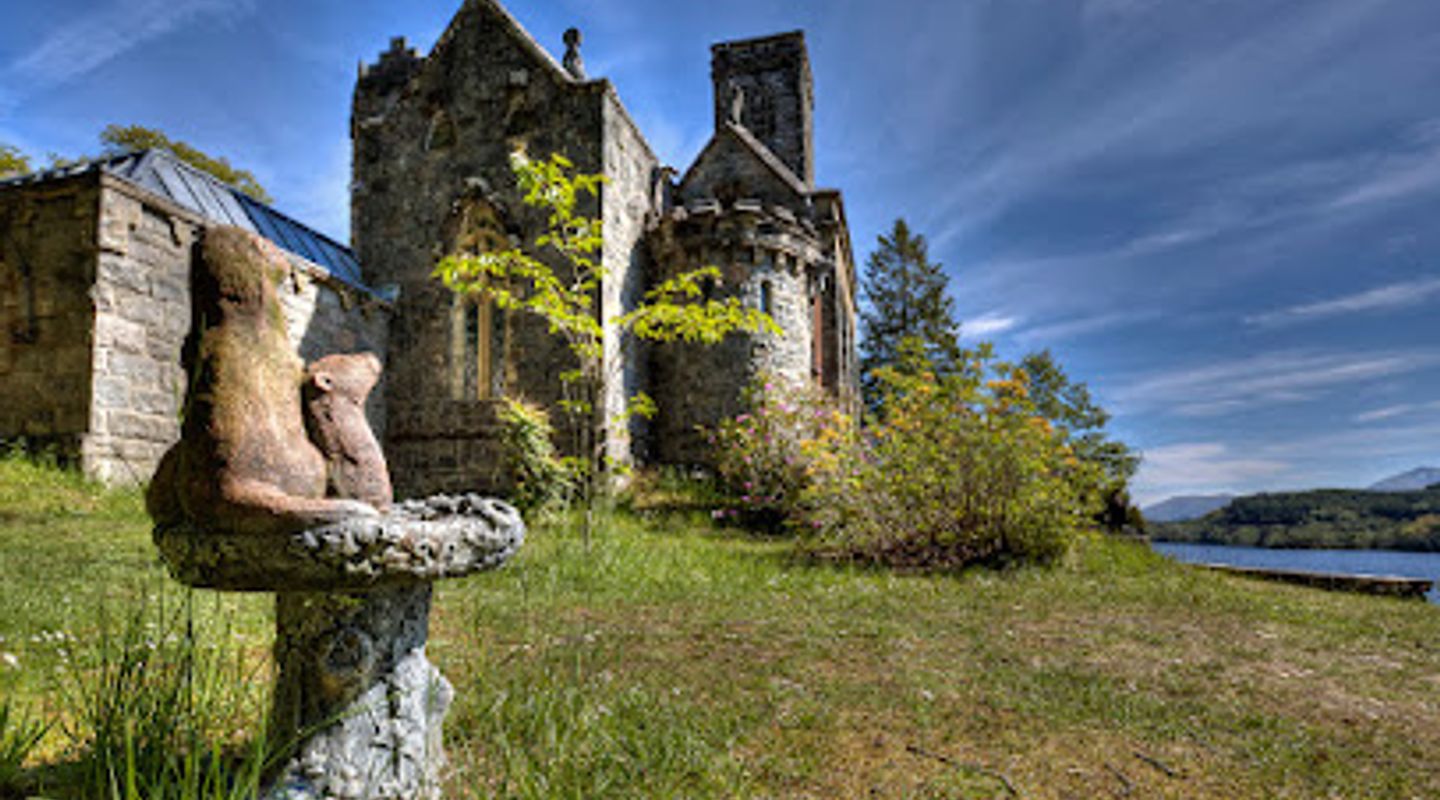
St Conan’s Kirk, nestled on the shores of Loch Awe near Dalmally, Scotland, is a remarkable church blending multiple architectural styles from Norman to Gothic. Built between 1881 and 1930 by Walter Douglas Campbell and completed by his family, it features intricate stonework, stained glass, and chapels including the notable Bruce Chapel housing a relic of Robert the Bruce. This unique, Category A listed landmark offers a tranquil, inspiring atmosphere amid stunning natural surroundings.
On-site amenities
 Restrooms
 Seating areas
 Information boards
Opening hours
- Every day9 am–6 pm
Opening hours as listed on the venue’s Google Business Profile. Hours can change for services and special events, so check with the venue before you go.
- Address
- Lochawe, Dalmally PA33 1AQ
- Website
Getting there
Car
Bus
Walking
Discover more about St Conan’s Kirk
A Visionary Creation Rooted in Family and Faith
St Conan’s Kirk was conceived by Walter Douglas Campbell in the late 19th century as a chapel of ease for his elderly mother, Caroline Campbell, who found the journey to the parish church in Dalmally too arduous. Construction began in 1881 with a modest nave and choir, but Walter’s ambition grew, leading to an extensive expansion from 1907 until his death in 1914. His sister Helen Douglas Campbell took over the project, ensuring its completion in 1930. The kirk was built entirely from local granite boulders sourced from nearby hillsides, reflecting a deep connection to its natural setting.
An Eclectic Architectural Masterpiece
St Conan’s Kirk is celebrated for its extraordinary blend of architectural styles, including Norman, Romanesque, Saxon, Celtic Revival, Decorated Gothic, Gothic Revival, and Arts and Crafts. Walter Campbell deliberately eschewed conformity, creating a church that is simultaneously magnificent and eccentric. The kirk’s exterior features turrets, spires, and intricate stone carvings, while the interior dazzles with stained glass windows, ornate woodwork, and mosaics. Noteworthy elements include the heavy oak cloister beams, believed to be salvaged from historic wooden battleships, and the stunning rose window painted by Helen Campbell.
Chapels and Historic Relics
Within the kirk are several chapels, each with its own significance. The Bruce Chapel honors Robert the Bruce, featuring a life-sized wood and alabaster effigy carved by Hubert Paton, with a bone fragment of the Scottish king interred beneath. St Bride’s Chapel contains a carved effigy of Walter Douglas Campbell, while St Conval’s Chapel is dedicated to the 4th Lord Blythswood. The kirk also houses an ancient window from South Leith Parish Church and a marble baptismal font dedicated to Helen’s niece.
A Place of Community and Cultural Heritage
Though not a parish church due to its small congregation and upkeep costs, St Conan’s Kirk remains an active place of worship and a cherished community landmark. It hosts services monthly and serves as a venue for weddings, concerts, and local events such as craft days and a Christmas Tree Festival. The kirk is maintained by a dedicated trust and volunteers, emphasizing preservation and community engagement.
Setting and Atmosphere
Set against the serene backdrop of Loch Awe’s northern shore, the kirk offers breathtaking views and a peaceful ambiance. Visitors experience a sense of tranquility and contemplation amid the kirk’s architectural marvels and the natural beauty surrounding it. The intricate details—cherubs, griffins, owls, and playful stone faces—imbue the space with a unique character that balances solemnity with whimsy.
Legacy and Recognition
St Conan’s Kirk is a Category A listed building, recognized as one of Scotland’s top architectural achievements of the last century. Its design reflects Walter Douglas Campbell’s creative vision and craftsmanship, blending history, artistry, and local heritage. The kirk stands as a testament to personal dedication and cultural richness, inviting visitors to explore its layers of history and architectural splendor.
Evendo Review Centre
 Google
Guest reviews
Best time to go
Quietest: Jan, Feb & Dec · before 7am or at 8pm
Busy times are Evendo estimates for a typical year, to help you plan. Actual crowds vary with events, school holidays and the weather.
Explore St Conan’s Kirk on the map
A handpicked selection of must-see spots near St Conan’s Kirk, mapped for you.
Get your free copy of our complete guide to St Conan’s Kirk, delivered straight to you.
Everything on this page, from opening hours and how to get there to Eve’s tips and the best time to go, in one PDF you can read offline, print or share.
Already have an account? Sign in
Your St Conan’s Kirk guide is ready.
We'll send it to · Not you? Sign out

Getting your guide ready…
We are putting together a fresh copy of the St Conan’s Kirk guide. This can take up to a minute.
This can take a few moments. If your browser asks, choose Allow so the download can start. You'll find the guide in your Downloads folder.
Nothing happened? Download it again
Sorry, the guide is taking longer than usual. Please try again in a minute, or get it by email instead.
Unlock the best of St Conan’s Kirk
Skip-the-line tickets, guided tours with entry, and walking tours of the area, booked in a few clicks.
 Tour with entry
Historical Tour and Seafood Experience
from $504.38 Tour with entry
Private Tour of the Highlands, Glencoe and Castles from Stirling
from $743.96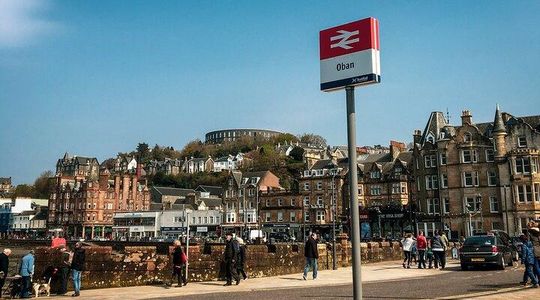 Tour with entry
Oban and the West Highlands from Glasgow
from $756.57 Tour with entry
Glasgow Greenock Shore Excursion Highland Lochs, Castles & Glens
from $819.62


Other nearby places you may find interesting
The closest places of the same kind, if this one is not quite what you had in mind.
-
-
-

-
-


Swipe for more places
More to explore near St Conan’s Kirk

 Best experiences near St Conan’s Kirk
 Best hotels near St Conan’s Kirk
 Best landmarks near St Conan’s Kirk
 Best attractions near St Conan’s Kirk
 Best shops near St Conan’s Kirk
 Best restaurants near St Conan’s Kirk
 Best bars near St Conan’s Kirk
Do you manage this location?
Take control to get all the benefits, like improved information, better appearance, and stronger visibility across AI-powered discovery.
Explore more

Explore more of Argyllshire
Explore Argyllshire: A Scottish paradise of rugged coastlines, ancient castles, and charming villages, offering a blend of natural beauty and rich history.
Explore Argyllshire
Explore more of United Kingdom
Discover the United Kingdom: A blend of rich history, stunning landscapes, and vibrant cities, offering a unique travel experience for every visitor.
Explore United Kingdom
