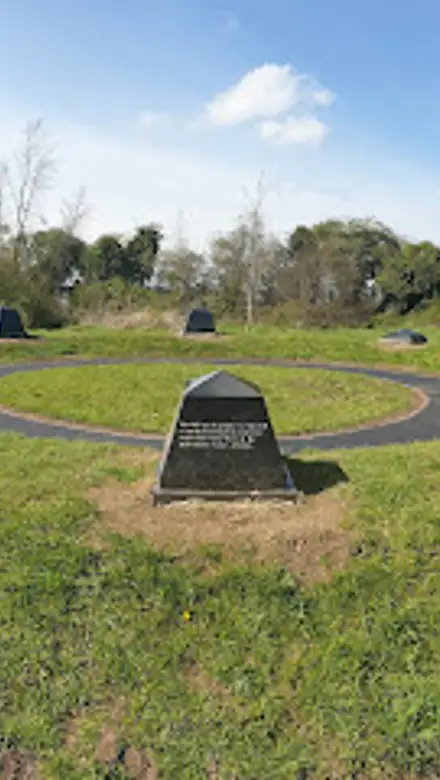
Stone Calendar, Armagh Travel Guide
Free Guide: Discover Armagh’s Stone Calendar, a captivating outdoor monument marking solar cycles with ancient-inspired stone alignments.


A brief summary of Stone Calendar, Armagh
Discover Armagh’s Stone Calendar, a captivating outdoor monument marking solar cycles with ancient-inspired stone alignments.
The Stone Calendar in Armagh is a unique outdoor astronomical installation located at Robinson Drive, College Hill. It is designed to mark the position of the sun during solstices and equinoxes, offering visitors an ancient-style celestial experience. Situated near the Armagh Observatory and Planetarium, this attraction blends natural landscape with scientific heritage, making it a fascinating spot for those interested in astronomy, history, and Irish culture.
On-site amenities
 Information boards
 Seating areas
 Trash bins
- Address
- Robinson Dr, College Hill, Armagh BT61
Getting there
Public Bus
Car
Taxi
Discover more about Stone Calendar, Armagh
An Ancient Celestial Marker in Modern Armagh
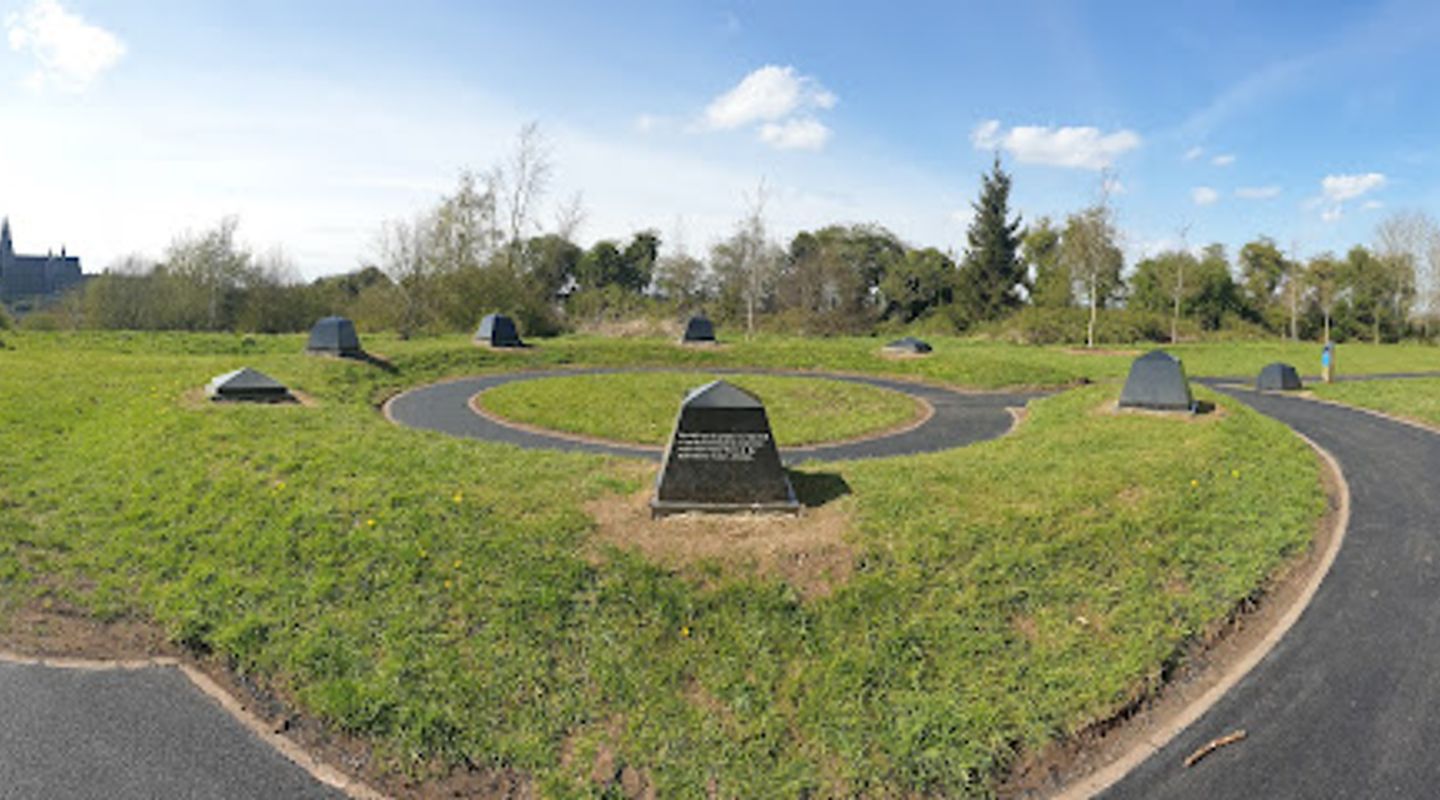
The Stone Calendar in Armagh is an intriguing outdoor monument that serves as a modern interpretation of ancient stone circles and calendars used by early civilizations to track solar movements. Located on Robinson Drive near College Hill, this installation aligns with the sun’s position during key solar events such as solstices and equinoxes. Visitors can witness how the sun’s rays interact with the stones, creating a natural calendar that reflects the passage of the seasons.
Connection to Armagh’s Astronomical Heritage
This stone calendar is part of the wider astronomical heritage of Armagh, a city renowned for its scientific contributions through the Armagh Observatory and Planetarium. The calendar complements the nearby Astropark, where visitors can explore interactive exhibits about the stars and planets. Together, these sites celebrate Armagh’s long-standing relationship with astronomy, blending education with outdoor experience.
Design and Symbolism of the Stone Calendar
The Stone Calendar is carefully arranged to mimic the function of ancient megalithic structures that marked time and seasons. Its stones are positioned to capture sunlight at precise angles during the summer and winter solstices, as well as the equinoxes, offering a tangible way to observe celestial cycles. This design not only honors Ireland’s prehistoric traditions but also encourages reflection on humanity’s connection to the cosmos.
Visitor Experience and Surroundings
Set in a tranquil outdoor environment, the Stone Calendar offers a peaceful space for contemplation and learning. The surrounding landscape provides scenic views that enhance the experience, especially during sunrise and sunset when the light interacts dramatically with the stones. Nearby amenities include informational boards that explain the calendar’s purpose and the astronomical phenomena it tracks.
Seasonal Significance and Events
The Stone Calendar is particularly significant during the solstices and equinoxes, when local events and gatherings sometimes take place to celebrate these natural milestones. These occasions provide visitors with a deeper understanding of the calendar’s function and its cultural importance. The site’s open-air nature means it is best visited in clear weather to fully appreciate the solar alignments.
Preserving a Link to the Past Through Science and Nature
By combining ancient concepts with modern scientific understanding, the Stone Calendar in Armagh stands as a symbol of continuity between past and present. It invites visitors to engage with the rhythms of nature and the cosmos, fostering a sense of wonder and respect for the universe. This site is a testament to Armagh’s unique blend of historical depth and scientific inquiry.
Evendo Review Centre
 Google
Guest reviews
Best time to go
Quietest: Jan, Feb & Dec · before 6am or at 7pm
Busy times are Evendo estimates for a typical year, to help you plan. Actual crowds vary with events, school holidays and the weather.
Explore Stone Calendar, Armagh on the map
A handpicked selection of must-see spots near Stone Calendar, Armagh, mapped for you.
Get your free copy of our complete guide to Stone Calendar, Armagh, delivered straight to you.
Everything on this page, from opening hours and how to get there to Eve’s tips and the best time to go, in one PDF you can read offline, print or share.
Already have an account? Sign in
Your Stone Calendar, Armagh guide is ready.
We'll send it to · Not you? Sign out

Getting your guide ready…
We are putting together a fresh copy of the Stone Calendar, Armagh guide. This can take up to a minute.
This can take a few moments. If your browser asks, choose Allow so the download can start. You'll find the guide in your Downloads folder.
Nothing happened? Download it again
Sorry, the guide is taking longer than usual. Please try again in a minute, or get it by email instead.
Other nearby places you may find interesting
The closest places of the same kind, if this one is not quite what you had in mind.
-
-
-
-
-


Swipe for more places
More to explore near Stone Calendar, Armagh

 Best experiences near Stone Calendar, Armagh
 Best hotels near Stone Calendar, Armagh
 Best landmarks near Stone Calendar, Armagh
 Best attractions near Stone Calendar, Armagh
 Best shops near Stone Calendar, Armagh
 Best restaurants near Stone Calendar, Armagh
 Best bars near Stone Calendar, Armagh
Do you manage this location?
Take control to get all the benefits, like improved information, better appearance, and stronger visibility across AI-powered discovery.
Explore more
Explore more of Armagh
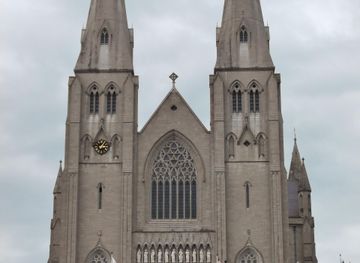
Discover the ancient city of Armagh, Northern Ireland's ecclesiastical capital, known for its twin cathedrals, rich history, and vibrant cultural festivals.
Explore Armagh
Explore more of United Kingdom
Discover the United Kingdom: A blend of rich history, stunning landscapes, and vibrant cities, offering a unique travel experience for every visitor.
Explore United Kingdom