Cotswolds AONB Travel Guide
Free Guide: Explore nearly 800 square miles of rolling hills, honey-colored villages, and historic charm in England’s largest protected countryside.


A brief summary of Cotswolds AONB
Explore nearly 800 square miles of rolling hills, honey-colored villages, and historic charm in England’s largest protected countryside.
On-site amenities
 Restrooms
 Drink options
 Food options
 Seating areas
 Information boards
 Visitor centre
 Trash bins
- Address
- Cotswolds AONB
- Website
Getting there
Train and Bus
Car
Coach Services
Walking
Discover more about Cotswolds AONB
A Vast Tapestry of Natural Beauty and Heritage
The Cotswolds National Landscape covers approximately 787 square miles, making it the largest protected landscape in England and Wales. Stretching from just south of Stratford-upon-Avon in Warwickshire to just south of Bath in Somerset, it encompasses most of Gloucestershire and Oxfordshire, with parts extending into Wiltshire, Worcestershire, and Warwickshire. This area is characterized by gently rolling hills known as wolds, lush river valleys, and extensive woodlands, including ancient beech forests that provide vital habitats for rare wildlife.
Historic Villages and Market Towns
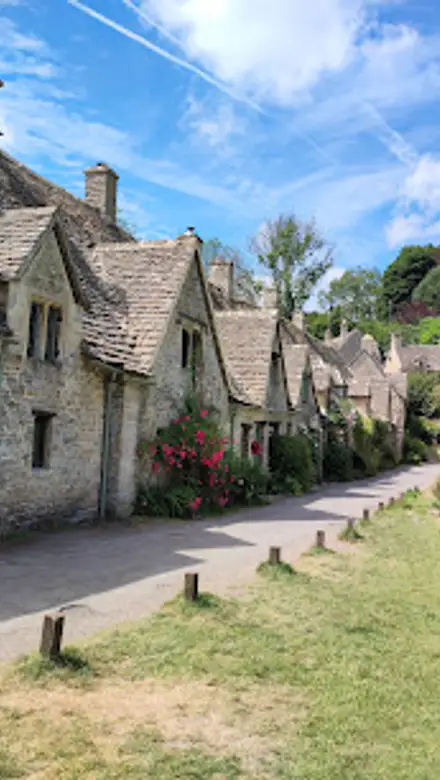
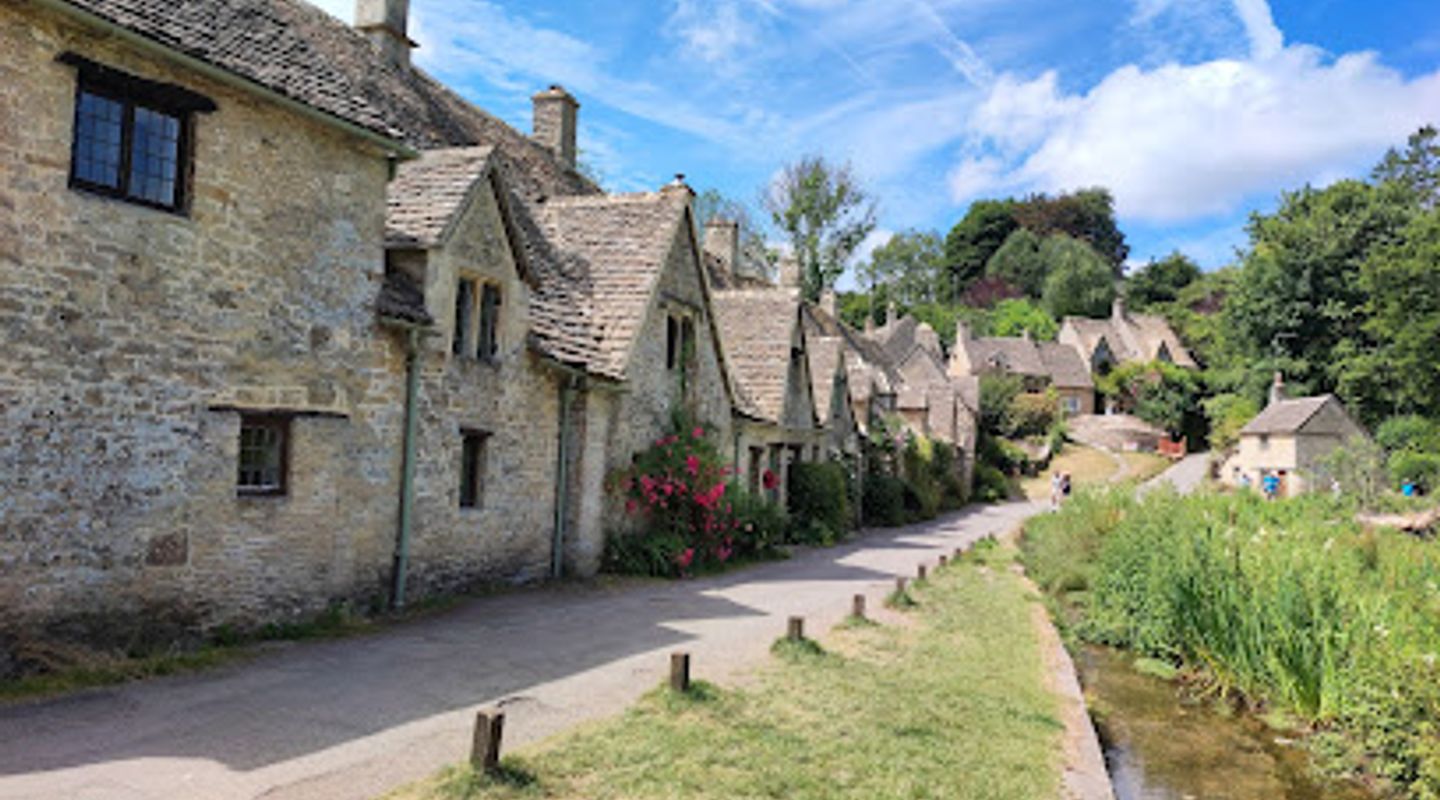
The region is dotted with picturesque villages built from the distinctive warm, honey-colored Cotswold stone. Towns such as Cirencester, Stow-on-the-Wold, and Chipping Campden offer rich histories, bustling markets, and quintessential English charm. Many villages feature historic churches, traditional pubs, and artisan shops, inviting visitors to experience a timeless rural lifestyle. The Cotswold Way, a long-distance footpath over 100 miles long, runs along the escarpment offering stunning views over the Severn Valley and the Vale of Evesham.
Conservation and Community Stewardship
Designated as an Area of Outstanding Natural Beauty in 1966 and rebranded as a National Landscape in 2023, the Cotswolds are protected to preserve their unique character and natural beauty. The Cotswolds Conservation Board oversees conservation efforts, working with local authorities and volunteers, including over 400 Cotswold Voluntary Wardens who maintain trails and promote outdoor education. This stewardship ensures the landscape remains unspoiled for future generations.
Outdoor Activities and Scenic Exploration
Visitors can explore a network of over 5,000 km of footpaths and bridleways, ideal for walking, cycling, and horseback riding. Highlights include panoramic viewpoints like Broadway Tower and Cleeve Hill, the highest point in the area. The region’s rivers and lakes offer opportunities for kayaking and wildlife watching. Seasonal events and festivals celebrate local culture, crafts, and produce, enriching the visitor experience.
Cultural and Historic Attractions
Beyond natural beauty, the Cotswolds contain significant archaeological sites such as Neolithic long barrows and Iron Age hill forts. Historic houses, castles, and gardens, including Sudeley Castle and Hidcote Gardens, showcase centuries of English heritage. Museums like the Corinium Museum in Cirencester reveal the area’s Roman past. The blend of nature and history makes the Cotswolds a rich cultural destination.
Timeless Charm and Year-Round Appeal
The Cotswolds’ charm lies in its ability to slow time and invite reflection amid pastoral landscapes. Each season offers a different palette—from vibrant summer gardens to tranquil winter scenes. The area’s gentle pace encourages visitors to relax with afternoon tea in village tearooms or roam at leisure through the countryside. Whether for a day trip or an extended stay, the Cotswolds provide a serene escape into England’s rural heartland.
Evendo Review Centre
 Google
Guest reviews
Best time to go
Quietest: Jan, Feb & Dec · before 6am or from 11pm
Busy times are Evendo estimates for a typical year, to help you plan. Actual crowds vary with events, school holidays and the weather.
Explore Cotswolds AONB on the map
A handpicked selection of must-see spots near Cotswolds AONB, mapped for you.
Get your free copy of our complete guide to Cotswolds AONB, delivered straight to you.
Everything on this page, from opening hours and how to get there to Eve’s tips and the best time to go, in one PDF you can read offline, print or share.
Already have an account? Sign in
Your Cotswolds AONB guide is ready.
We'll send it to · Not you? Sign out

Getting your guide ready…
We are putting together a fresh copy of the Cotswolds AONB guide. This can take up to a minute.
This can take a few moments. If your browser asks, choose Allow so the download can start. You'll find the guide in your Downloads folder.
Nothing happened? Download it again
Sorry, the guide is taking longer than usual. Please try again in a minute, or get it by email instead.
Other nearby places you may find interesting
The closest places of the same kind, if this one is not quite what you had in mind.
-
-
-
-
-


Swipe for more places
More to explore near Cotswolds AONB

 Best experiences near Cotswolds AONB
 Best hotels near Cotswolds AONB
 Best landmarks near Cotswolds AONB
 Best attractions near Cotswolds AONB
 Best shops near Cotswolds AONB
 Best restaurants near Cotswolds AONB
 Best bars near Cotswolds AONB
Do you manage this location?
Take control to get all the benefits, like improved information, better appearance, and stronger visibility across AI-powered discovery.