Cotswolds, Gloucestershire Travel Guide
Explore the Cotswolds’ rolling hills, honey-colored villages, and historic market towns in England’s largest Area of Outstanding Natural Beauty.
The Cotswolds is a sprawling Area of Outstanding Natural Beauty (AONB) in southwest England, covering nearly 800 square miles across six counties. Known for its rolling hills, honey-colored limestone villages, historic market towns, and scenic walking trails, the region offers a quintessential English countryside experience. Visitors can explore charming villages like Bourton-on-the-Water, Bibury, and Stow-on-the-Wold, enjoy gardens and arboretums, and walk parts of the famous 102-mile Cotswold Way trail.
A brief summary to Cotswolds
- GB
- Duration: 2 to 48 hours
- Mid ranged
-
 Outdoor
- Mobile reception: 4 out of 5

Know before you go
Hi, I'm Eve. Here are a few practical things to know before exploring Cotswolds.
- Rent a car for maximum flexibility to explore the widespread villages and countryside, as public transport can be limited.
- Wear sturdy walking shoes and waterproofs to enjoy the extensive footpaths and unpredictable English weather.
- Visit popular villages like Bibury and Bourton-on-the-Water early in the day to avoid crowds.
- Explore parts of the Cotswold Way trail for scenic hikes ranging from short walks to multi-day adventures.
Do you manage this location?
Take control to get all the benefits, like improved information, better appearance, and stronger visibility across AI-powered discovery. Learn more about listing your business on Evendo
Activate your presenceOther nearby places you may find interesting
The closest places of the same kind, if this one is not quite what you had in mind.
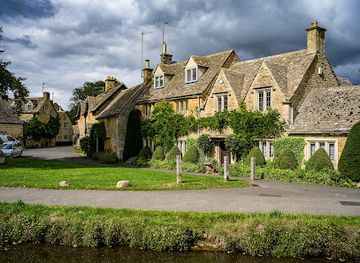
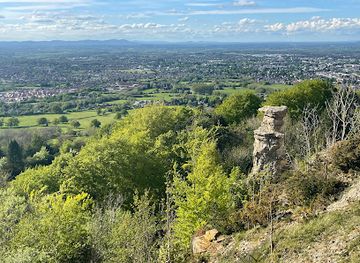
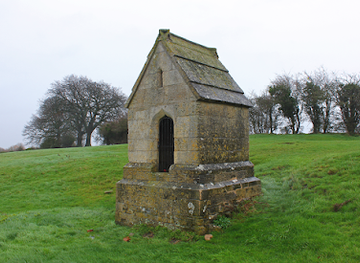
Explore Cotswolds on the Map
A handpicked selection of must-see spots near Cotswolds, mapped for you.
Unlock the Best of Cotswolds
Buy tickets
-
No tickets available
Book tours with entry


Getting There
-
Train
Take a train from London Paddington to Moreton-in-Marsh, a key gateway to the northern Cotswolds, with journey times around 1 hour 45 minutes. Trains run regularly but check schedules for weekend services. From Moreton-in-Marsh, local buses or taxis connect to nearby villages.
-
Car
Driving from London to the Cotswolds takes approximately 2 to 2.5 hours via the M40 and A40. Renting a car is recommended for exploring the dispersed villages and countryside. Be prepared for narrow rural roads and limited parking in village centers.
-
Bus
Regional bus services link larger towns such as Cheltenham, Cirencester, and Stow-on-the-Wold. Buses run less frequently on weekends and holidays, so plan accordingly. This option suits travelers staying in towns with good bus connections.
For the on-the-go comforts that matter to you
-
 Restrooms
-
 Drink Options
-
 Food Options
-
 Seating Areas
-
 Information Boards
-
 Visitor Center
Discover more about Cotswolds
A Landscape Shaped by History and Nature
The Cotswolds stretch approximately 25 miles wide and 90 miles long, spanning six counties including Gloucestershire, Oxfordshire, Warwickshire, Wiltshire, Worcestershire, and Somerset. This vast region is England’s largest designated Area of Outstanding Natural Beauty, characterized by gently rolling hills known as the 'wolds,' ancient stone walls, and lush meadows. The distinctive honey-colored Cotswold limestone, quarried locally, gives the villages and towns their iconic warm appearance. Historically, the region prospered from the wool trade, but after the industry’s decline, many towns fell into a picturesque state of graceful decay, preserving their historic charm.Quintessential Villages and Market Towns
The Cotswolds is dotted with numerous villages and towns each offering unique character. Bibury is famed for Arlington Row, a row of 14th-century weavers’ cottages often called England’s most beautiful street. Bourton-on-the-Water, known as the 'Venice of the Cotswolds,' features low stone bridges crossing the River Windrush and quaint waterside scenes. Stow-on-the-Wold, a bustling market town, boasts antique shops, cozy pubs, and a famous 13th-century church door said to inspire J.R.R. Tolkien. Other notable places include Castle Combe, a film-favorite village with timeless charm, and Broadway, known for its elegant High Street and Broadway Tower.Walking Trails and Outdoor Exploration
The Cotswolds is a walker’s paradise with over 3,000 miles of footpaths weaving through countryside and villages. The Cotswold Way National Trail is a highlight, spanning 102 miles from Chipping Campden in the north to Bath in the south. This trail offers varied landscapes, historic sites, and panoramic views, suitable for long-distance hikers or shorter day walks. Other routes such as the Winchcombe Way and sections of the Roman-era Fosse Way add depth to the hiking options. The region’s natural beauty is complemented by gardens like Hidcote Manor and Kiftsgate Court, showcasing horticultural artistry.Cultural Heritage and Local Life
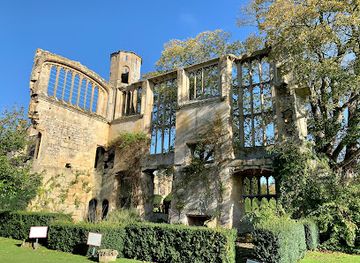
Beyond its landscape, the Cotswolds is rich in cultural heritage. Market towns host regular farmers’ markets and craft fairs, reflecting a vibrant local community. Historic houses such as Sudeley Castle and Stanway House offer insights into England’s aristocratic past. The area also celebrates traditional events like the annual cheese rolling on Cooper’s Hill and the Cotswold Olympiks at Dover’s Hill. Local gastronomy shines in gastro pubs and tea rooms serving regional cheeses, meats, and ales, offering visitors a taste of authentic English country fare.Practical Experience and Atmosphere
Visitors to the Cotswolds experience a blend of tranquil rural charm and lively market town buzz. The pace of life feels unhurried, with opportunities for mindfulness in peaceful villages like Lower Slaughter and Snowshill. The expansive countryside invites nature escapes, photography, and cultural exploration. The architecture, with its historic stone cottages and churches, creates a timeless backdrop that enchants all seasons. Though best accessed by car for flexibility, train stations at Moreton-in-Marsh and Bath provide convenient entry points for those preferring public transport.Enduring Appeal and Regional Identity
The Cotswolds’ enduring appeal lies in its harmonious blend of natural beauty, history, and community. Its designation as a National Landscape ensures protection of its environment and heritage. Each village and town contributes to the region’s unique identity, making the Cotswolds a quintessential English destination that continues to inspire visitors with its pastoral elegance and cultural richness.












Your all‑in‑one travel companion app
Explore expert travel guides, compare and book tours, experiences, hotels, and more—all from the palm of your hand. Download now for seamless trip planning wherever your wanderlust takes you.


Explore More of Gloucestershire
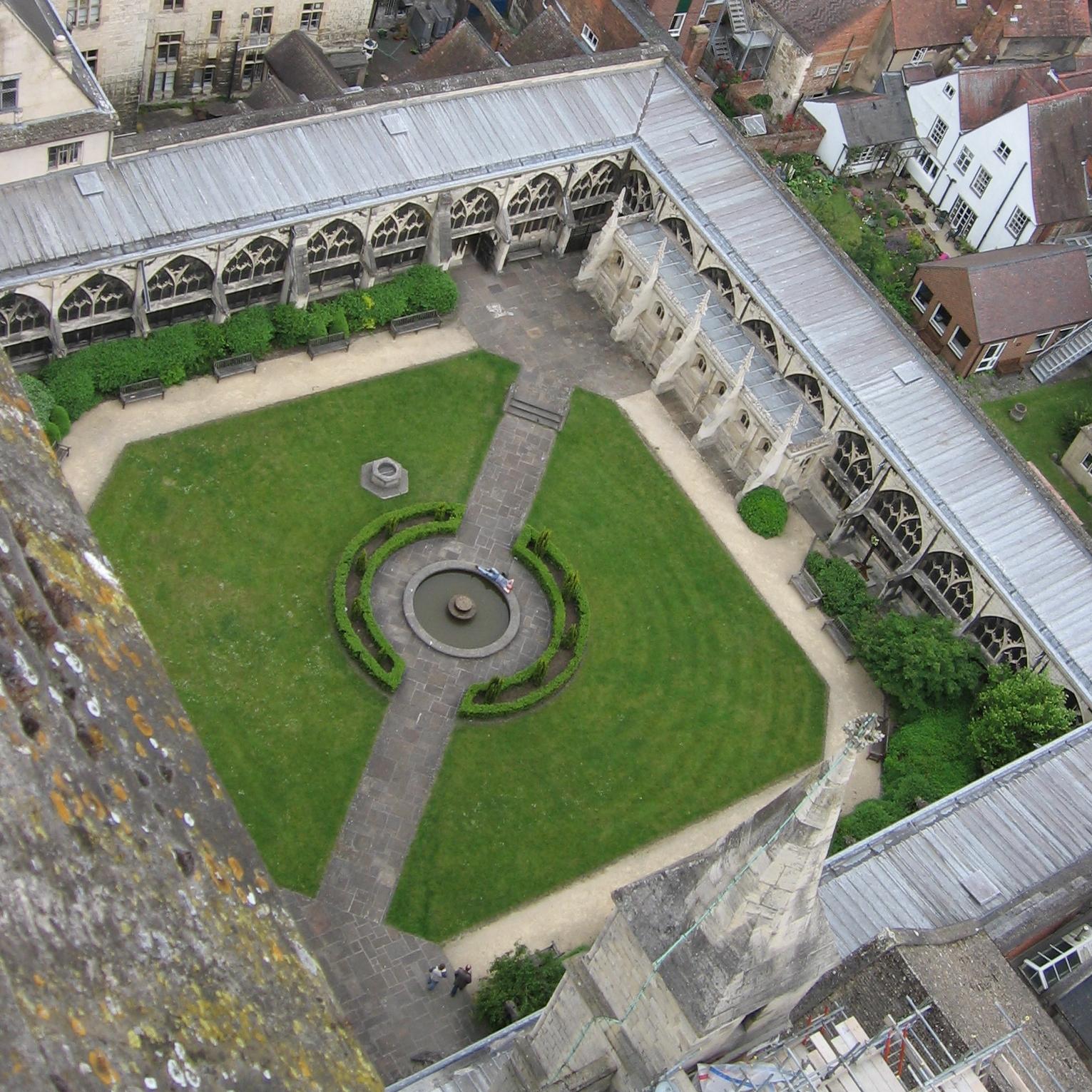
Looking beyond Cotswolds? Discover Gloucestershire for broader travel guides, local hot-spots, and regional highlights.
Explore Gloucestershire