Caerleon Roman Fortress Baths
Step back 2,000 years and explore the remarkably preserved Roman baths and fortress that reveal the daily life of legionaries in ancient Wales.
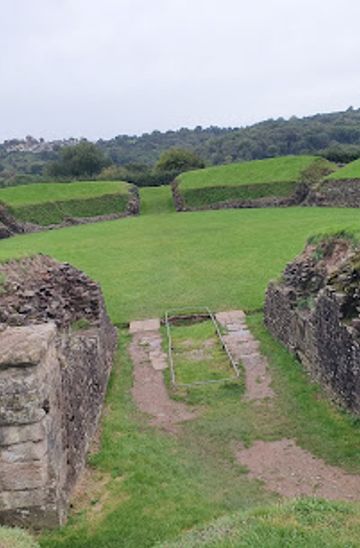
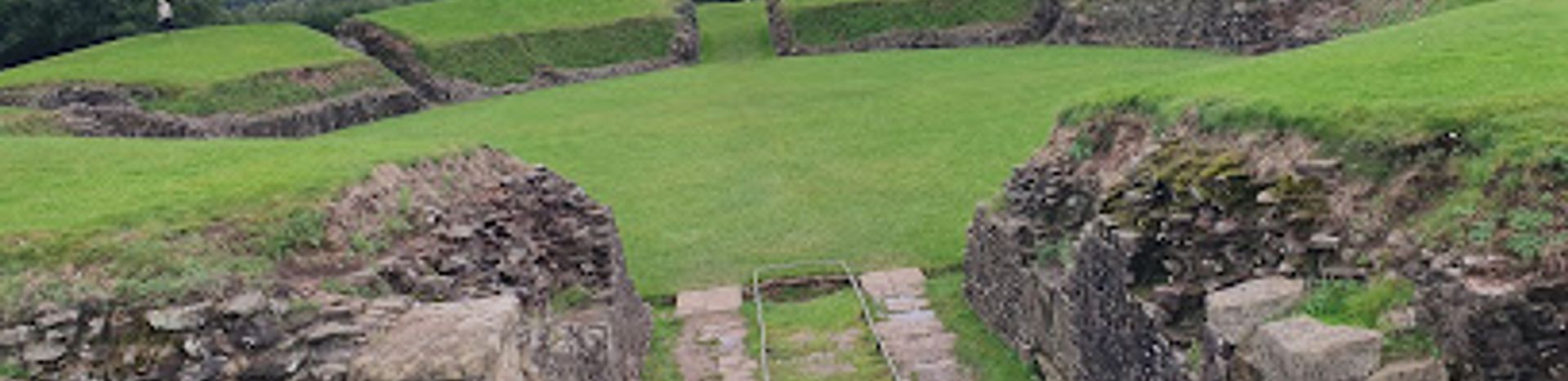
Explore the remarkably preserved remains of the Caerleon Roman Fortress Baths in Newport, Wales. This historic site features the ruins of a luxurious Roman bathhouse, including the vast open-air swimming pool known as the natatio, and offers immersive projections and exhibits that bring Roman military life to vivid life. Adjacent to the baths, visitors can also discover the only visible Roman legionary barracks in Europe and the most complete Roman amphitheatre in Britain.
A brief summary to Caerleon Roman Fortress Baths
- High St, Newport, Caerleon, NP18 1AE, GB
- Click to display
- Click to display
- Duration: 1 to 3 hours
- Mid ranged
-
 Outdoor
- Mobile reception: 4 out of 5
- Monday 10 am-5 pm
- Tuesday 10 am-5 pm
- Wednesday 10 am-5 pm
- Thursday 10 am-5 pm
- Friday 10 am-5 pm
- Saturday 10 am-5 pm
- Sunday 10 am-5 pm

Know before you go
Hi, I'm Eve. Here are a few practical things to know before exploring Caerleon Roman Fortress Baths.
- Allow at least an hour to fully explore the baths, including the immersive projections and exhibits.
- Purchase tickets in advance online to avoid queues, especially during peak seasons.
- Combine your visit with the nearby Roman amphitheatre and legionary barracks for a full historical experience.
- Bring a camera for excellent photo opportunities, especially of the natatio and amphitheatre ruins.
- Note that there are no toilets inside the baths, but a pub next door offers facilities.
Do you manage this location?
Take control to get all the benefits, like improved information, better appearance, and stronger visibility across AI-powered discovery. Learn more
Activate your presenceOther nearby places you may find interesting

Getting There
-
Public Bus
Take the local bus service from Newport city center to Caerleon, which takes approximately 30 to 40 minutes. Buses run regularly but check schedules in advance. The bus stop is a short walk from the baths. Tickets cost around £3-£5 one way.
-
Car
Driving from Newport or Cardiff takes about 20 to 40 minutes depending on traffic. Parking is available near the baths and amphitheatre, but spaces can be limited on busy days. A small parking fee may apply.
-
Train and Walk
Take a train to Newport railway station, then a taxi or local bus for a 15-minute ride to Caerleon. Walking from Newport station to the baths is possible but takes around 1.5 hours and is not recommended with luggage or for those with mobility issues.
For the on-the-go comforts that matter to you
-
 Restrooms
-
 Drink Options
-
 Food Options
-
 Seating Areas
-
 Trash Bins
-
 Information Boards
Discover more about Caerleon Roman Fortress Baths
A Glimpse into Roman Military Life
The Caerleon Roman Fortress Baths stand as a testament to the Roman Empire's presence in Britain nearly two millennia ago. Located in the historic town of Caerleon, once known as Isca Augusta, this site was one of only three permanent Roman legionary fortresses in Britain. The baths themselves were part of a larger complex that served the soldiers stationed here, offering a place for relaxation, socialising, and hygiene after long days of military duty.The Architecture and Features of the Baths
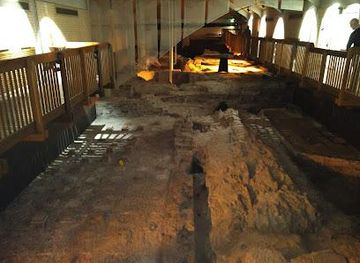
The baths include the remains of a natatio, an open-air swimming pool that once held over 80,000 gallons of water, a remarkable feat of Roman engineering. Visitors can walk through the covered modern building that protects the ruins, where atmospheric film projections recreate scenes such as a Roman soldier diving into the pool, adding a dynamic element to the experience. The site also reveals the cramped quarters where legionaries slept and stored their weapons, the only Roman legionary barracks still visible in Europe.Surrounding Roman Heritage Sites
Just a short walk from the baths lies the Roman amphitheatre, the most complete in Britain, capable of seating around 6,000 spectators. This amphitheatre once hosted gladiatorial contests and public events, and visitors can imagine the roar of the crowd echoing through the ages. The fortress and baths together offer a comprehensive insight into Roman military and social life, making Caerleon a key location for understanding Roman Britain.Visitor Experience and Educational Elements
The site is enhanced with informative signage, videos, and models that bring the history to life. A comic-style booklet is provided with admission, making the visit engaging for all ages. Children can enjoy interactive activities, including handling recreations of Roman tools. Although the baths themselves do not have toilet facilities, a nearby pub offers convenient amenities. The site is open daily from 10am to 5pm, with last admission 30 minutes before closing.Preservation and Access
The baths are housed within a modern protective structure that ensures the preservation of the ruins while allowing visitors to explore comfortably regardless of weather. The site is managed by Cadw, the Welsh Government’s historic environment service, ensuring professional conservation and visitor services. The location is accessible by public transport and car, with parking available nearby, making it an easy day trip from Newport or Cardiff.Significance in Welsh and Roman History
Caerleon Roman Fortress Baths represent one of the finest examples of Roman military architecture and social infrastructure in Wales. The site offers a unique window into the daily lives of Roman soldiers and the sophistication of Roman engineering. Its preservation and presentation make it a vital cultural heritage landmark, contributing to the broader understanding of Roman influence in Britain and the legacy left behind in Welsh history.Explore the best of what Caerleon Roman Fortress Baths has to offer













More about Gwent
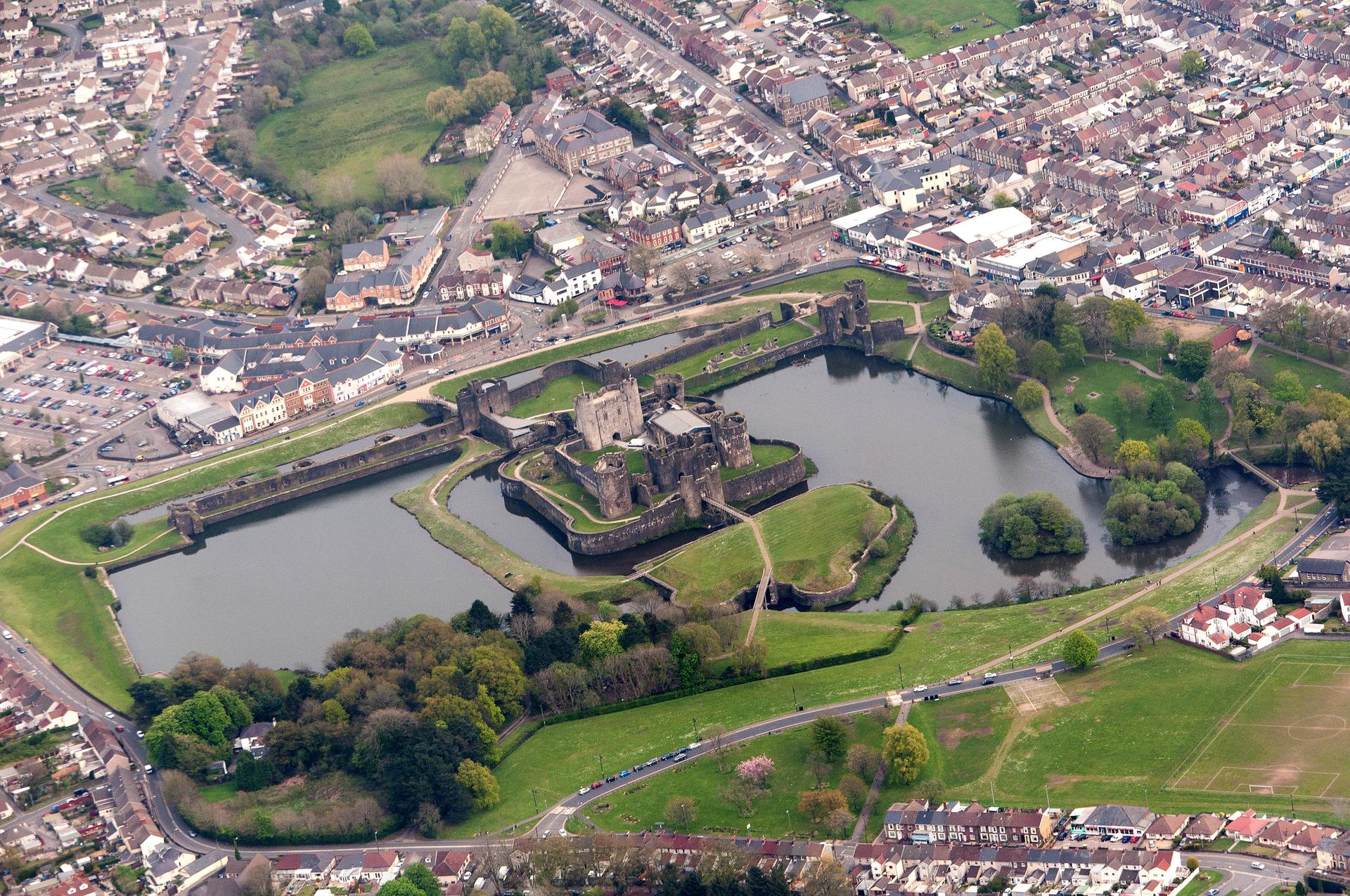
Explore Gwent, a captivating blend of ancient history, picturesque landscapes, and vibrant culture in the heart of Wales.
Tell me more about Gwent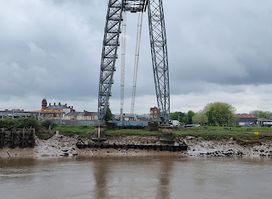
One of the world's rarest transporter bridges, spanning history and engineering at the tidal heart of Wales.

Explore Britain’s most complete Roman baths and fortress remains in Caerleon, where history and immersive storytelling bring ancient military life to vivid reality.