The Roman Baths, Bath Travel Guide
Free Guide: Step back 2,000 years at The Roman Baths, where ancient thermal waters and historic ruins create an unforgettable journey through Roman Britain.


A brief summary of The Roman Baths
Step back 2,000 years at The Roman Baths, where ancient thermal waters and historic ruins create an unforgettable journey through Roman Britain.
The Roman Baths in Bath, England, offer a remarkable glimpse into ancient Roman life, featuring one of the best-preserved Roman remains in the world. This historic site centers around natural thermal springs that have been revered for over two millennia. Visitors explore the stone ruins of the sacred spa complex, including the Great Bath, temple remains, and museum exhibits showcasing artifacts and Roman engineering. The adjoining Pump Room offers elegant dining in an 18th-century setting.
On-site amenities
 Restrooms
 Drink options
 Food options
 Seating areas
 Information boards
 Visitor centre
- Address
- Abbey Churchyard, Bath BA1 1LZ
- Phone
- Website
Getting there
Train and Walk
Bus
Car
Discover more about The Roman Baths
A Living Legacy of Roman Engineering and Spirituality
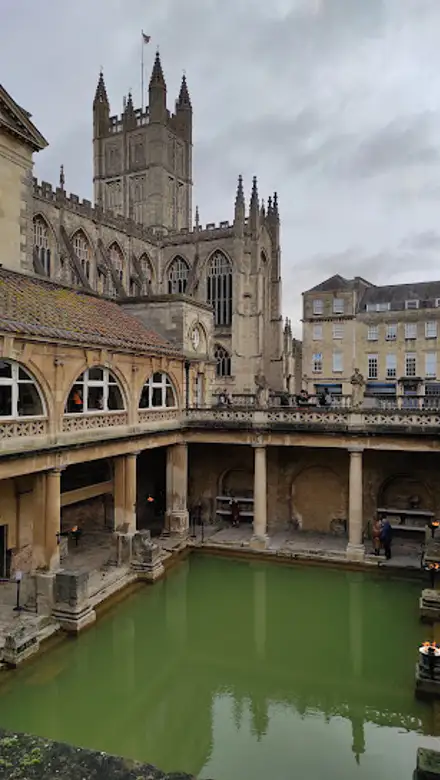
The Roman Baths stand as a testament to the ingenuity and cultural importance of Roman Britain. Built around natural hot springs, the site was originally a religious spa dedicated to the goddess Sulis Minerva. The Romans engineered a complex system of baths, pools, and temples that harnessed the thermal waters for healing and ritual purposes. Over centuries, the baths evolved but retained their spiritual and social significance, making them a unique archaeological and historical treasure.
Architectural Grandeur and Archaeological Riches
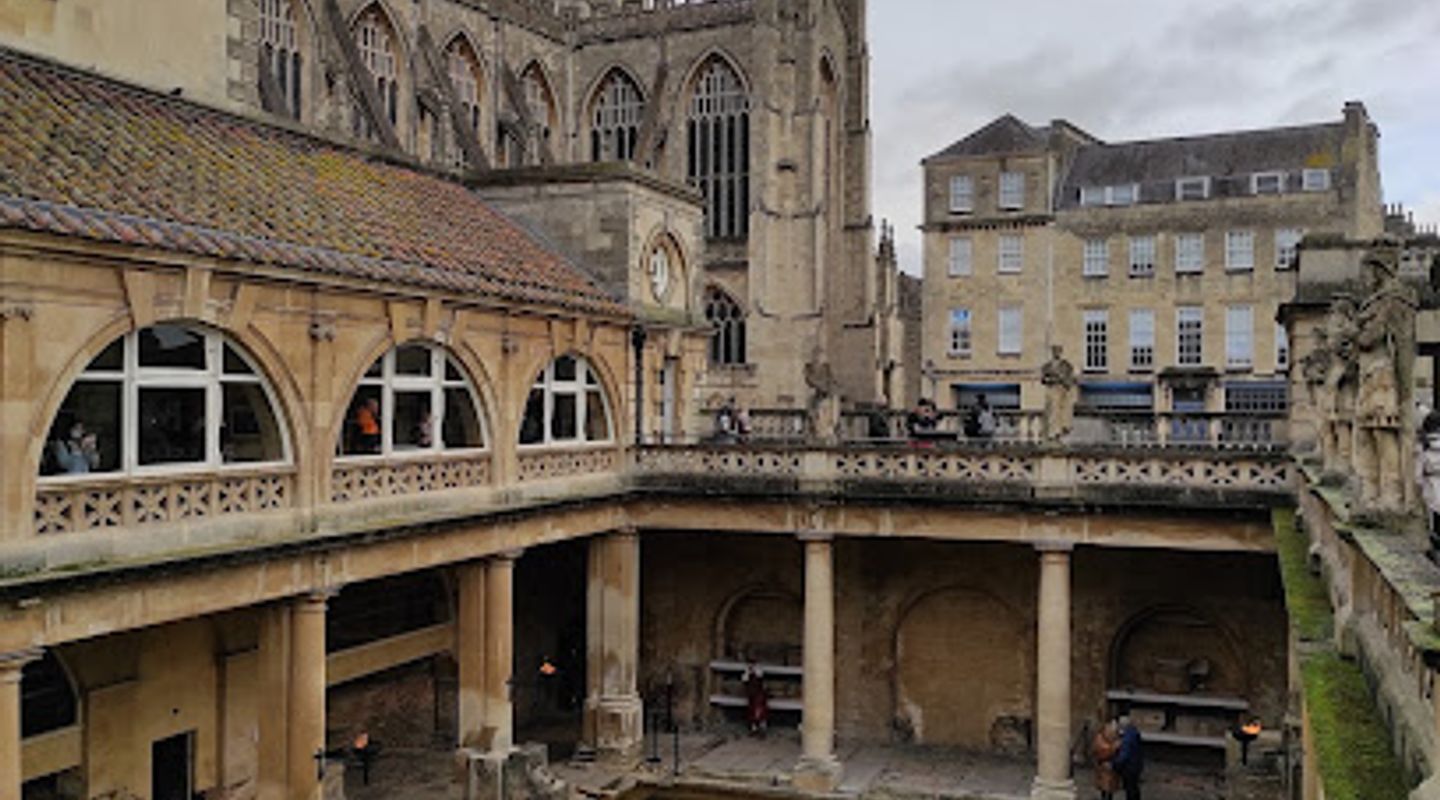
Visitors to the Roman Baths encounter a striking ensemble of stone structures, including the iconic Great Bath, surrounded by colonnades and terraces. The site also features the remains of the Temple of Sulis Minerva and a museum housing thousands of artifacts such as coins, inscriptions, and Roman-era objects uncovered during excavations. The architecture reveals layers of history, from Roman foundations to medieval and Georgian additions, illustrating Bath’s continuous occupation and adaptation.
The Thermal Waters: Nature’s Enduring Gift
The thermal springs beneath the baths have flowed for over 2,000 years, maintaining a constant temperature of around 46°C (115°F). These waters were believed to possess healing properties, attracting visitors from across the Roman Empire. Today, the water still steams visibly from the Great Bath, creating an atmospheric and sensory experience that connects visitors directly to the ancient past.
The Pump Room: An 18th-Century Social Hub
Adjacent to the baths, the elegant Pump Room offers a refined setting for afternoon tea and light dining. Dating from the 18th century, this neoclassical building became a fashionable meeting place for Bath’s visitors and residents. The Pump Room continues this tradition, often featuring live classical music, and serves as a cultural complement to the ancient site.
Visitor Experience and Educational Insights
The Roman Baths provide an immersive experience with multilingual audio guides, interactive exhibits, and detailed displays that bring Roman history to life. The site is wheelchair accessible and family-friendly, with facilities to accommodate visitors of all ages. Guided tours and special events, such as summer evening openings with live music, enhance the atmosphere and deepen understanding of this world heritage site.
Preserving a World Heritage Treasure
Located in the heart of Bath, a UNESCO World Heritage City, the Roman Baths are carefully preserved and managed to balance public access with conservation. The site’s ongoing archaeological research continues to reveal new insights into Roman Britain. Its blend of natural wonder, architectural beauty, and historical significance makes it a must-visit destination for history enthusiasts and cultural travelers alike.
Evendo Review Centre
 Google
Guest reviews
Best time to go
Quietest: Jan, Feb & Mar · before 6am or at 9pm
Busy times are Evendo estimates for a typical year, to help you plan. Actual crowds vary with events, school holidays and the weather.
Explore The Roman Baths on the map
A handpicked selection of must-see spots near The Roman Baths, mapped for you.
Get your free copy of our complete guide to The Roman Baths, delivered straight to you.
Everything on this page, from opening hours and how to get there to Eve’s tips and the best time to go, in one PDF you can read offline, print or share.
Already have an account? Sign in
Your The Roman Baths guide is ready.
We'll send it to · Not you? Sign out

Getting your guide ready…
We are putting together a fresh copy of the The Roman Baths guide. This can take up to a minute.
This can take a few moments. If your browser asks, choose Allow so the download can start. You'll find the guide in your Downloads folder.
Nothing happened? Download it again
Sorry, the guide is taking longer than usual. Please try again in a minute, or get it by email instead.
Unlock the best of The Roman Baths
Skip-the-line tickets, guided tours with entry, and walking tours of the area, booked in a few clicks.
 Tour with entry
Stonehenge & Bath Day Trip from London
from $87.30 Tour with entry
Roman Baths Entry and Walking Tour with Blue Badge Tour Guide
from $87.30 Tour with entry
York City Pass Access more than 35+ Attractions & Hop On Hop Off
from $88.64 Tour with entry
Stonehenge, Windsor Castle and Bath Full Day Guided Tour
from $99.95


Other nearby places you may find interesting
The closest places of the same kind, if this one is not quite what you had in mind.
-
-
-
-
-


Swipe for more places
More to explore near The Roman Baths

 Best experiences near The Roman Baths
 Best hotels near The Roman Baths
 Best landmarks near The Roman Baths
 Best attractions near The Roman Baths
 Best shops near The Roman Baths
 Best restaurants near The Roman Baths
 Best bars near The Roman Baths
Do you manage this location?
Take control to get all the benefits, like improved information, better appearance, and stronger visibility across AI-powered discovery.
Explore more

Explore more of Bath
Discover Bath: A harmonious blend of Roman history, Georgian elegance, and natural beauty in the heart of England's countryside.
Explore Bath
Explore more of United Kingdom
Discover the United Kingdom: A blend of rich history, stunning landscapes, and vibrant cities, offering a unique travel experience for every visitor.
Explore United Kingdom