The Circus Travel Guide
Free Guide: A breathtaking Georgian circle of townhouses blending classical design with ancient symbolism in the heart of Bath.


A brief summary of The Circus
A breathtaking Georgian circle of townhouses blending classical design with ancient symbolism in the heart of Bath.
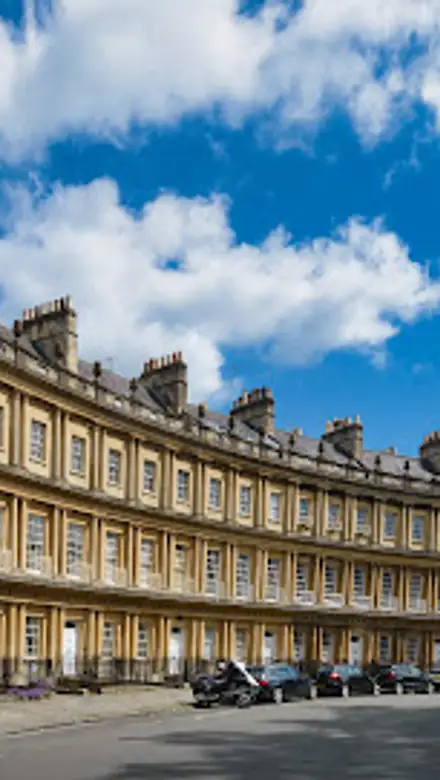
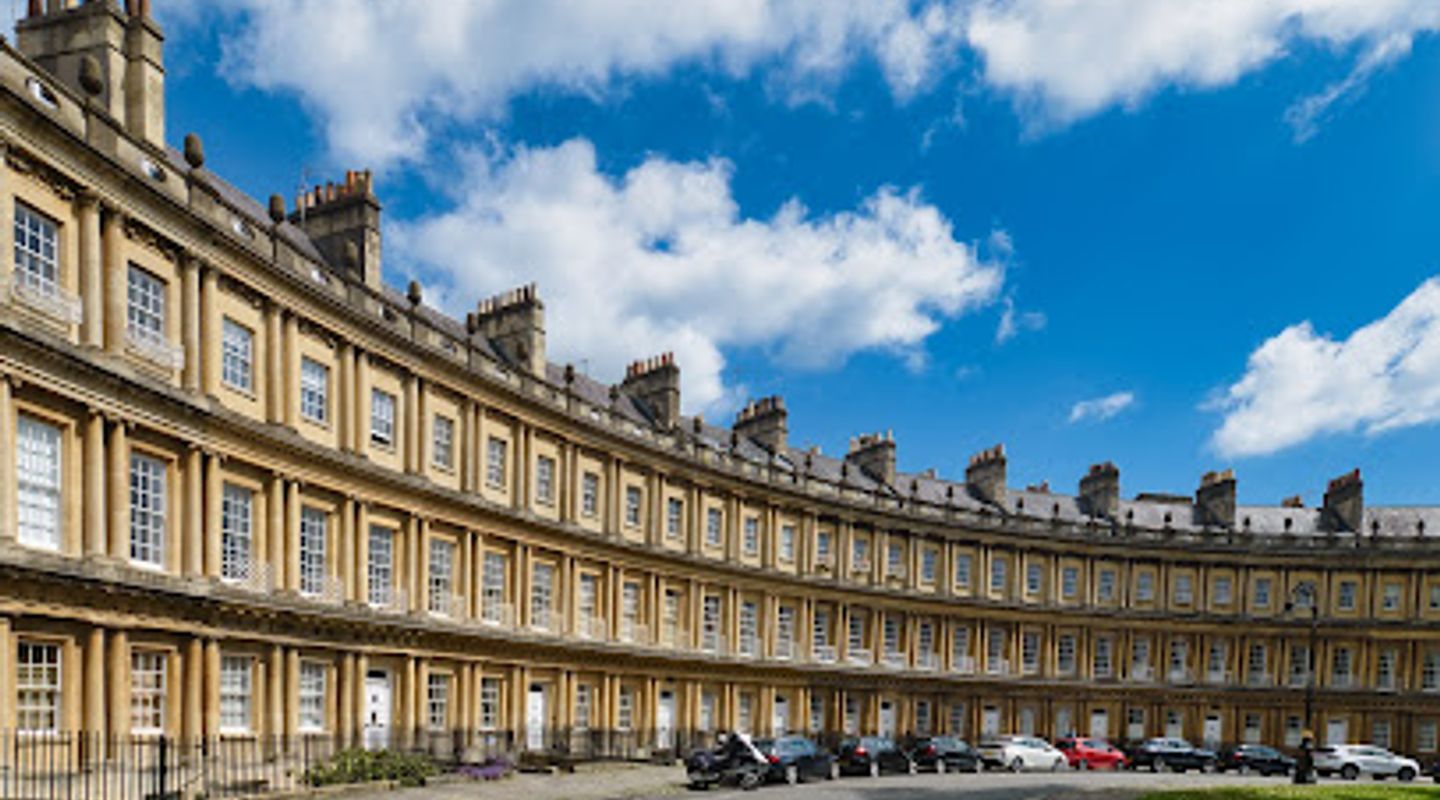
The Circus in Bath is a stunning Georgian architectural landmark designed by John Wood the Elder and completed by his son in 1768. This unique circular ensemble of 33 townhouses, adorned with intricate stone carvings and symbolic motifs, forms a perfect ring with three entrances. It reflects Bath’s rich heritage and Druidic inspirations, offering visitors a captivating glimpse into 18th-century design and history in the heart of the city.
On-site amenities
 Seating areas
 Information boards
Opening hours
- Every dayOpen 24 hours
Opening hours as listed on the venue’s Google Business Profile. Hours can change for services and special events, so check with the venue before you go.
- Address
- Bath BA1 2ET
- Phone
- Website
Getting there
Public Transport
Car
Walking
Discover more about The Circus
A Visionary Georgian Design Rooted in History
The Circus was conceived by the renowned architect John Wood the Elder, who began construction in 1754 but passed away shortly after laying the first stone. His son, John Wood the Younger, completed the project in 1768. Inspired by the Roman Colosseum and prehistoric stone circles like Stonehenge, the design of The Circus is a perfect circle formed by three curved terraces of Grade I listed townhouses. This architectural marvel symbolizes a fusion of classical grandeur and mystical Druidic influences, reflecting Wood’s fascination with Bath’s ancient past.
Architectural Details and Symbolism
Each townhouse in The Circus features unique stone carvings above the ground floor windows and doors, including serpents, acorns, and nautical emblems. These intricate details are not merely decorative but hold symbolic significance tied to the Masonic and Druidic themes Wood admired. When viewed from above, The Circus, together with Queen Square and Gay Street, forms a key shape—a masonic symbol that adds to the site’s enigmatic charm. The circle’s diameter matches that of Stonehenge, further emphasizing its connection to ancient sacred geometry.
Notable Residents and Cultural Legacy
Over the centuries, The Circus has been home to several prominent figures. The celebrated 18th-century portrait artist Thomas Gainsborough lived at number 17, where he maintained his studio. More recently, Hollywood actor Nicholas Cage resided here, adding a contemporary layer to its rich history. The Circus remains a symbol of Bath’s Georgian elegance and cultural significance, drawing visitors keen to experience its architectural beauty and historical resonance.
Experiencing The Circus Today
Visitors to The Circus can walk freely around this open architectural landmark at any time, making it an accessible and peaceful spot in Bath’s city centre. Standing in the middle of the circle, you can witness an acoustic phenomenon where sounds echo uniquely, enhancing the sensory experience. The surrounding grassy disc with mature plane trees offers a tranquil green space contrasting with the striking stone façades.
Connection to Bath’s Urban Fabric
The Circus is part of a grander urban design that includes the nearby Royal Crescent and Queen Square, all showcasing Bath’s signature Georgian style. It is said to be linked to the Royal Crescent by a ley-line, representing the sun and moon, symbolizing harmony between architectural elements and natural forces. This connection highlights Bath’s planned integration of landscape, architecture, and symbolism during the 18th century.
Preservation and Modern Context
Today, The Circus is carefully preserved as a Grade I listed site, with ongoing conservation efforts maintaining the craftsmanship of its stonework and historic details. It stands as a testament to Bath’s architectural heritage and remains a must-see for visitors interested in history, art, and design. Nearby amenities include cafes, restaurants, and museums, enriching the visitor experience within this UNESCO World Heritage city.
Evendo Review Centre
 Google
Guest reviews
Best time to go
Quietest: Jan, Feb & Dec · before 7am or at 10pm
Busy times are Evendo estimates for a typical year, to help you plan. Actual crowds vary with events, school holidays and the weather.
Explore The Circus on the map
A handpicked selection of must-see spots near The Circus, mapped for you.
Get your free copy of our complete guide to The Circus, delivered straight to you.
Everything on this page, from opening hours and how to get there to Eve’s tips and the best time to go, in one PDF you can read offline, print or share.
Already have an account? Sign in
Your The Circus guide is ready.
We'll send it to · Not you? Sign out

Getting your guide ready…
We are putting together a fresh copy of the The Circus guide. This can take up to a minute.
This can take a few moments. If your browser asks, choose Allow so the download can start. You'll find the guide in your Downloads folder.
Nothing happened? Download it again
Sorry, the guide is taking longer than usual. Please try again in a minute, or get it by email instead.
Unlock the best of The Circus
Skip-the-line tickets, guided tours with entry, and walking tours of the area, booked in a few clicks.



Other nearby places you may find interesting
The closest places of the same kind, if this one is not quite what you had in mind.
-
Birnbeck Pier, Weston-super-Mare Explore Birnbeck Pier, the unique Victorian pier linking mainland to island, rich with history, wartime secrets, and seaside charm.
-
Somerset Place Discover the timeless elegance of Somerset Place, a pristine Georgian crescent nestled in the historic city of Bath.
-
Somerset Monument A majestic 19th-century tower honoring a Waterloo hero, set atop the Cotswold hills with panoramic views and deep historic roots.
-
Pulteney Bridge Discover Bath’s unique 18th-century Palladian bridge with shops on both sides, blending history, architecture, and riverside charm.
-
 Cabot Tower
Historic 105-foot tower atop Bristol’s oldest park, offering free panoramic city views and a peaceful nature escape.
Cabot Tower
Historic 105-foot tower atop Bristol’s oldest park, offering free panoramic city views and a peaceful nature escape.
Swipe for more places
More to explore near The Circus

 Best experiences near The Circus
 Best hotels near The Circus
 Best landmarks near The Circus
 Best attractions near The Circus
 Best shops near The Circus
 Best restaurants near The Circus
 Best bars near The Circus
Do you manage this location?
Take control to get all the benefits, like improved information, better appearance, and stronger visibility across AI-powered discovery.
Explore more

Explore more of Somerset
Discover the timeless beauty and heritage of Somerset, where rolling hills, historic sites, and charming villages create an idyllic escape in the heart of England.
Explore Somerset
Explore more of United Kingdom
Discover the United Kingdom: A blend of rich history, stunning landscapes, and vibrant cities, offering a unique travel experience for every visitor.
Explore United Kingdom