Marlborough Buildings, Bath Travel Guide
Free Guide: Elegant Georgian terrace exemplifying Bath’s classical architecture and historic spa town charm near the Royal Crescent.


A brief summary of Marlborough Buildings
Elegant Georgian terrace exemplifying Bath’s classical architecture and historic spa town charm near the Royal Crescent.
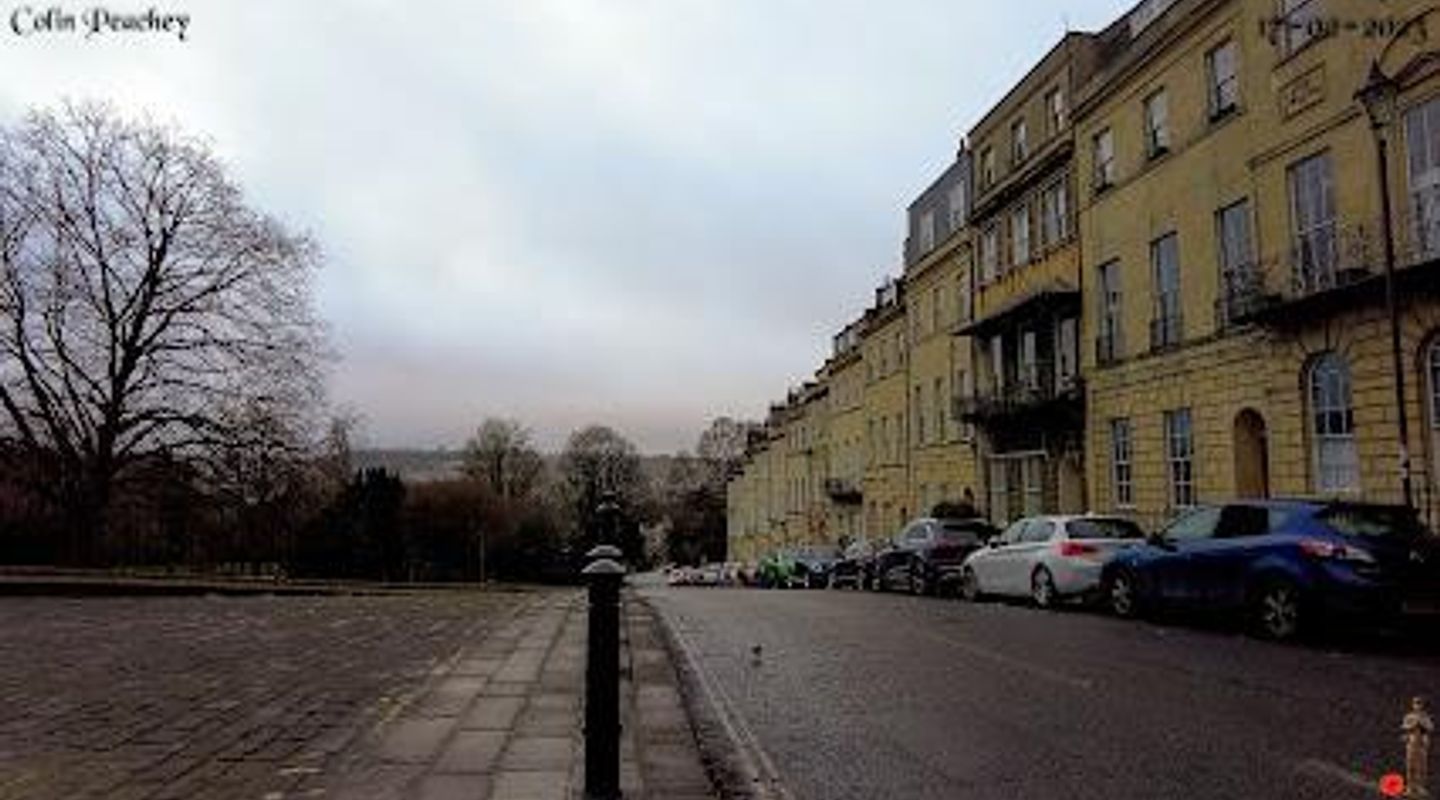
Marlborough Buildings in Bath is a distinguished late 18th-century Georgian terrace known for its elegant classical architecture and historical significance. Situated near the iconic Royal Crescent, this Grade II listed row of townhouses showcases Bath’s characteristic creamy Bath stone façades, sash windows, and harmonious design, reflecting the city’s development as a fashionable spa resort. The terrace offers a glimpse into Bath’s architectural heritage and urban planning during the Georgian era.
On-site amenities
 Restrooms
 Drink options
 Food options
 Seating areas
 Information boards
- Address
- Bath
Getting there
Bus
Taxi
Walking
Discover more about Marlborough Buildings
Architectural Harmony in Georgian Bath
Marlborough Buildings stands as a fine example of Georgian architecture, a style that dominates Bath’s cityscape. Constructed between the late 1780s and early 1790s, the terrace features a continuous row of townhouses with uniform facades crafted from Bath stone, a golden-hued limestone quarried locally. The design emphasizes symmetry, classical proportions, and restrained ornamentation, typical of the Palladian revival influence that shaped much of Bath’s 18th-century urban fabric.
Historical Context and Development
The terrace was developed on land west of the Royal Crescent, itself a masterpiece by John Wood the Younger. Marlborough Buildings was built rapidly within a few years, with builder John Fielder and his associates playing a key role in its construction and sale. The area was part of Bath’s expansion as a fashionable spa destination, catering to visitors seeking elegant residences near the city’s famed thermal waters and social venues.
Distinctive Features and Preservation
The street-facing elevation of Marlborough Buildings retains much of its original character, including rusticated ground floors and three-bay facades with sash windows. Some properties have Victorian-era additions, such as porches and rear extensions, but efforts have been made to preserve the terrace’s historic appearance. Recent conservation work includes reinstating traditional timber sash windows to enhance both aesthetic cohesion and energy efficiency, aligning with Bath’s status as a UNESCO World Heritage Site.
Setting and Streetscape Impact
Marlborough Buildings forms a significant part of Bath’s streetscape, providing long, uninterrupted views that contribute to the city’s architectural grandeur. Its proximity to landmarks like the Royal Crescent and Royal Victoria Park situates it within a treasured historic environment. The terrace’s scale and homogeneity create a palatial impression, reinforcing Bath’s reputation for urban elegance and classical design.
Legacy and Cultural Significance
As part of Bath’s broader architectural heritage, Marlborough Buildings exemplifies the city’s transformation during the Georgian period into a premier spa and social hub. The terrace reflects the aspirations of 18th-century builders and architects to create harmonious urban living spaces that combined beauty, function, and social prestige. Today, it remains a cherished residential area and a testament to Bath’s enduring historic charm.
Conservation and Sustainable Adaptations
Conservation efforts at Marlborough Buildings include sensitive retrofitting to improve thermal efficiency without compromising its historic fabric. These initiatives support Bath’s climate goals while preserving the architectural integrity of this Grade II listed terrace. The balance between heritage preservation and modern sustainability underscores the evolving stewardship of Bath’s built environment.
Evendo Review Centre
 Google
Guest reviews
Best time to go
Quietest: Jan, Feb & Dec · before 3am
Busy times are Evendo estimates for a typical year, to help you plan. Actual crowds vary with events, school holidays and the weather.
Explore Marlborough Buildings on the map
A handpicked selection of must-see spots near Marlborough Buildings, mapped for you.
Get your free copy of our complete guide to Marlborough Buildings, delivered straight to you.
Everything on this page, from opening hours and how to get there to Eve’s tips and the best time to go, in one PDF you can read offline, print or share.
Already have an account? Sign in
Your Marlborough Buildings guide is ready.
We'll send it to · Not you? Sign out

Getting your guide ready…
We are putting together a fresh copy of the Marlborough Buildings guide. This can take up to a minute.
This can take a few moments. If your browser asks, choose Allow so the download can start. You'll find the guide in your Downloads folder.
Nothing happened? Download it again
Sorry, the guide is taking longer than usual. Please try again in a minute, or get it by email instead.
Other nearby places you may find interesting
The closest places of the same kind, if this one is not quite what you had in mind.
-
-
-
-
-


Swipe for more places
More to explore near Marlborough Buildings

 Best experiences near Marlborough Buildings
 Best hotels near Marlborough Buildings
 Best landmarks near Marlborough Buildings
 Best attractions near Marlborough Buildings
 Best shops near Marlborough Buildings
 Best restaurants near Marlborough Buildings
 Best bars near Marlborough Buildings
Do you manage this location?
Take control to get all the benefits, like improved information, better appearance, and stronger visibility across AI-powered discovery.
Explore more

Explore more of Bath
Discover Bath: A harmonious blend of Roman history, Georgian elegance, and natural beauty in the heart of England's countryside.
Explore Bath
Explore more of United Kingdom
Discover the United Kingdom: A blend of rich history, stunning landscapes, and vibrant cities, offering a unique travel experience for every visitor.
Explore United Kingdom